
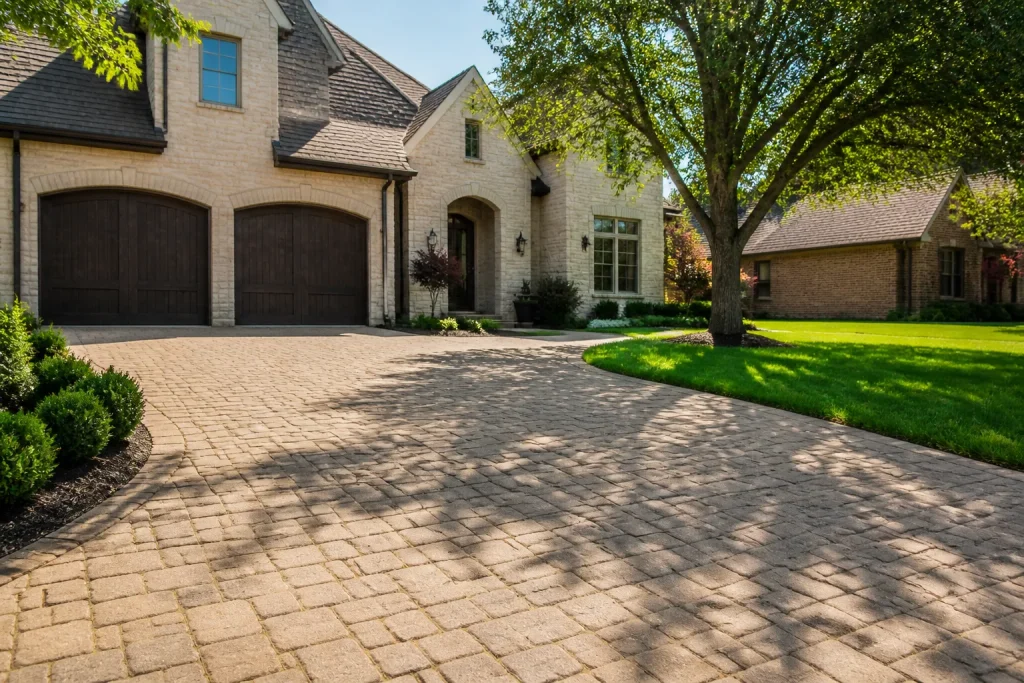
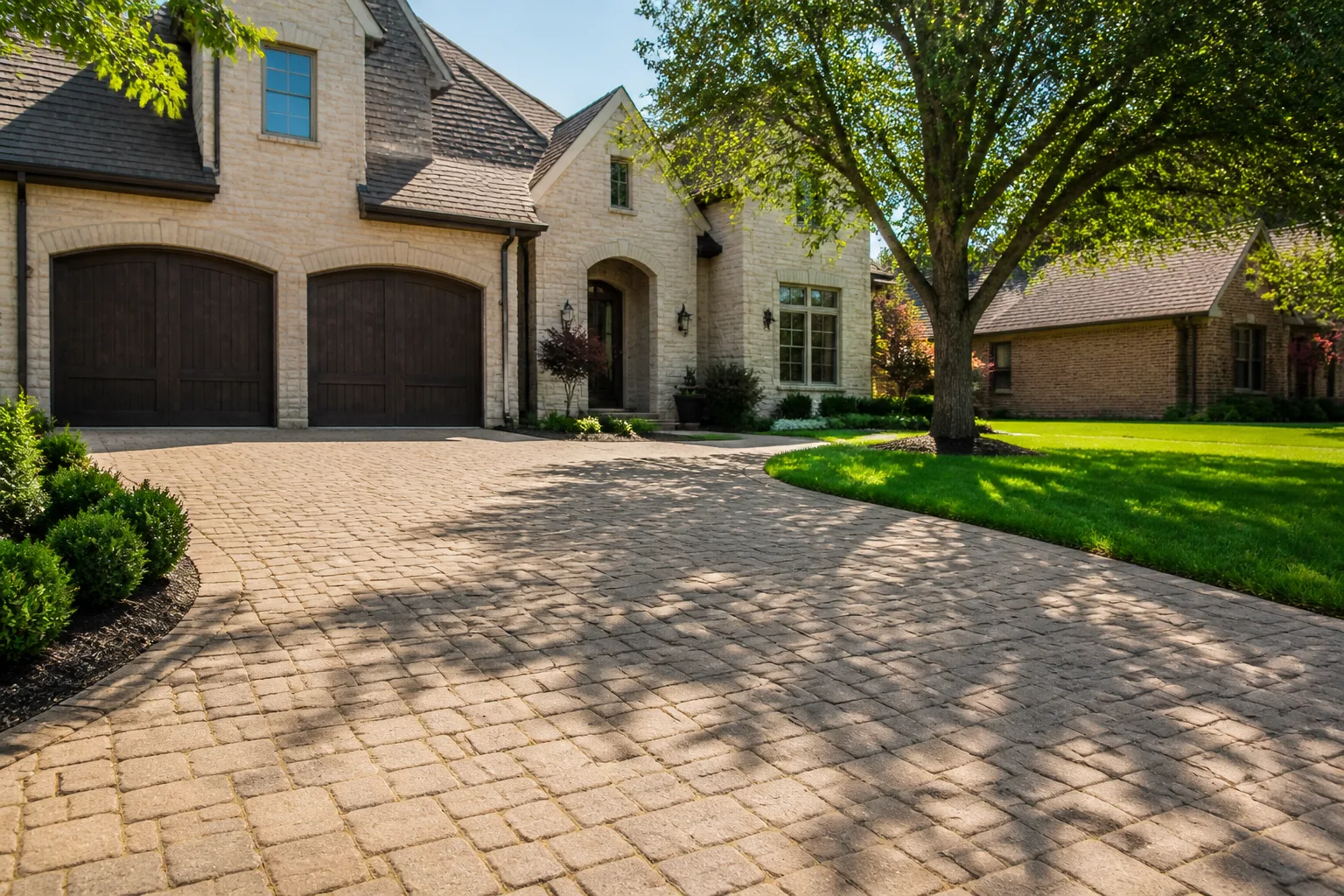
Cambridge Pavers Driveway & Pavers in Irving: A Homeowner’s Guide
Most Cambridge Paver installations that fail in North Texas don’t fail because of the paver – they fail six inches below it, in the base. Irving sits on expansive clay soil that swells after a soaking rain and shrinks hard in August, and that movement works its way up into any driveway that wasn’t built for it. Cambridge’s system is engineered to handle load and drainage, but only when the installer gives it the compacted base those pavers call for. Get that wrong in Irving, and a driveway that should last thirty years starts rocking and separating by year three.
If you’d rather have someone walk your driveway than sort through spec sheets, call (833) 991-4970 and we’ll look at it with you.
Why Irving’s Clay Soil Makes the Base the Whole Ballgame
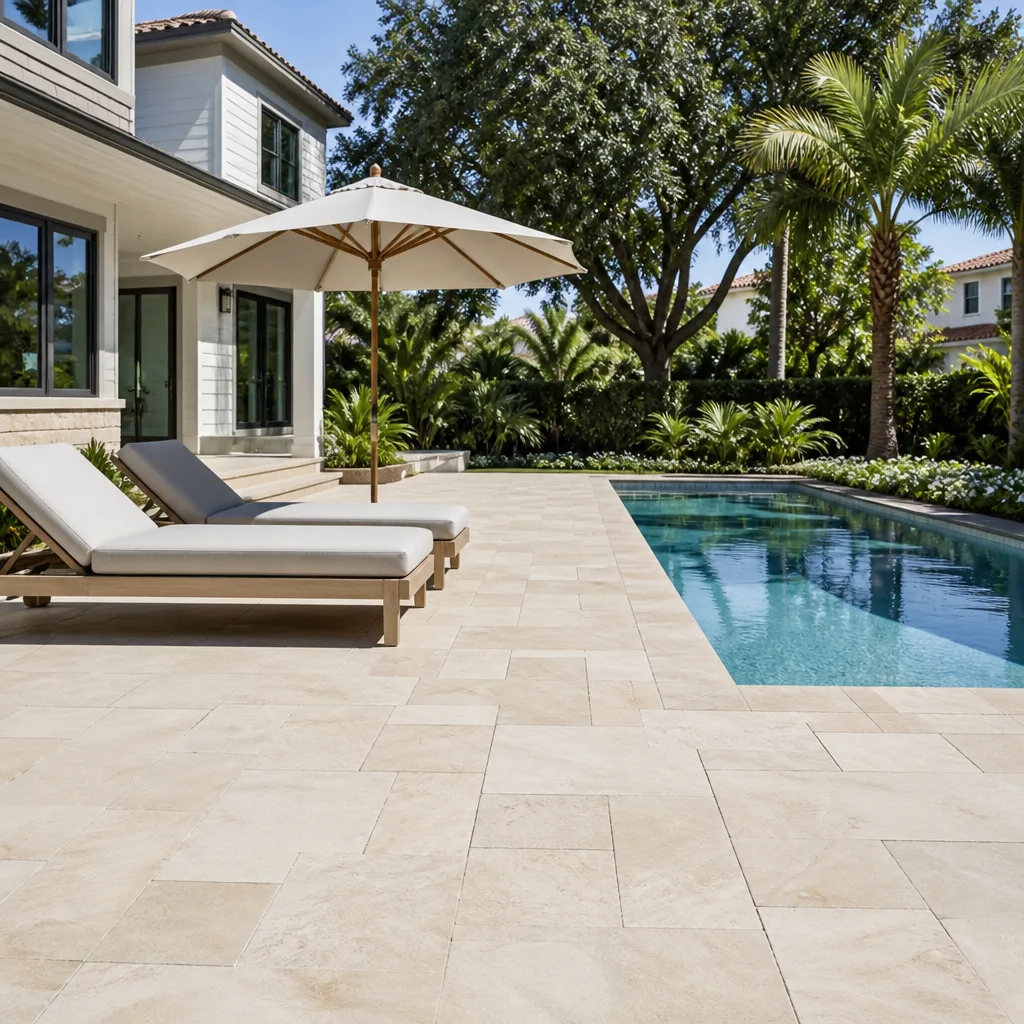
Cambridge Pavers are a manufactured system, not loose brick. Each unit is dimensionally consistent and designed to interlock with its neighbors, which spreads the load of a two-car driveway across the whole surface instead of dumping it under the tires. That only works if the base under it is stable, uniform, and correctly compacted. Irving’s soil is the exact kind that punishes a shallow or hand-tamped base.
Expansive clay moves with moisture. After a wet spring, it pushes up. After a dry stretch, it drops. A paver sitting on three inches of road base over that clay will telegraph every bit of that movement. You’ll see it first along the edges and at the apron where the driveway meets the street – one corner sinks, the sand between pavers washes out, and the field starts to rock underfoot. A proper base is typically deeper than most homeowners expect, laid in lifts, and compacted with plate equipment between each lift. The exact depth depends on whether you’re setting a pedestrian walkway or a residential driveway that sees daily vehicle load.
The point is simple: the paver on top is the easy part. In Irving, the base is where the money goes and where the job is won or lost. This is also why we don’t quote pavers by the square foot on the phone – the base conditions on your lot decide half the price.
Cambridge Residential vs. Commercial Lines: What a Two-Car Driveway Actually Needs
Cambridge makes pavers across a range of thicknesses and load ratings, and the line you pick should match how the surface gets used. A backyard patio, a front walkway, and a driveway that carries two vehicles and a trailer all demand different things. Putting a thin wall-grade unit in a driveway is one of those mistakes a homeowner won’t see until the first heavy truck rolls over it.
For a standard two-car driveway in Irving, the paver body needs to be built for vehicular load, not foot traffic. That means a thicker unit and a base designed for vehicle weight. If you park a boat, a work truck, or an RV on your driveway, that’s a load conversation worth having before anyone orders material. Cambridge publishes load ratings on their product lines, and a good installer will tell you which series they’re specifying and why.
As a comparison point: on the interior trades, we’ve installed Kohler and Moen fixtures for years and the same principle holds – the spec sheet tells you what a product is rated for, and you buy to the rating, not the photo. Pavers are no different.
- Walkway and patio: pedestrian-rated units, lighter base, smaller footprint.
- Standard residential driveway: vehicular-rated thickness, full compacted base in lifts.
- Heavy-load driveways (trucks, trailers, RVs): the thickest rated units plus a base built for it.
- Aprons and entrances: the highest stress zone, and the first place failures show up.
Will Cambridge’s Color Hold Up to Texas Sun?
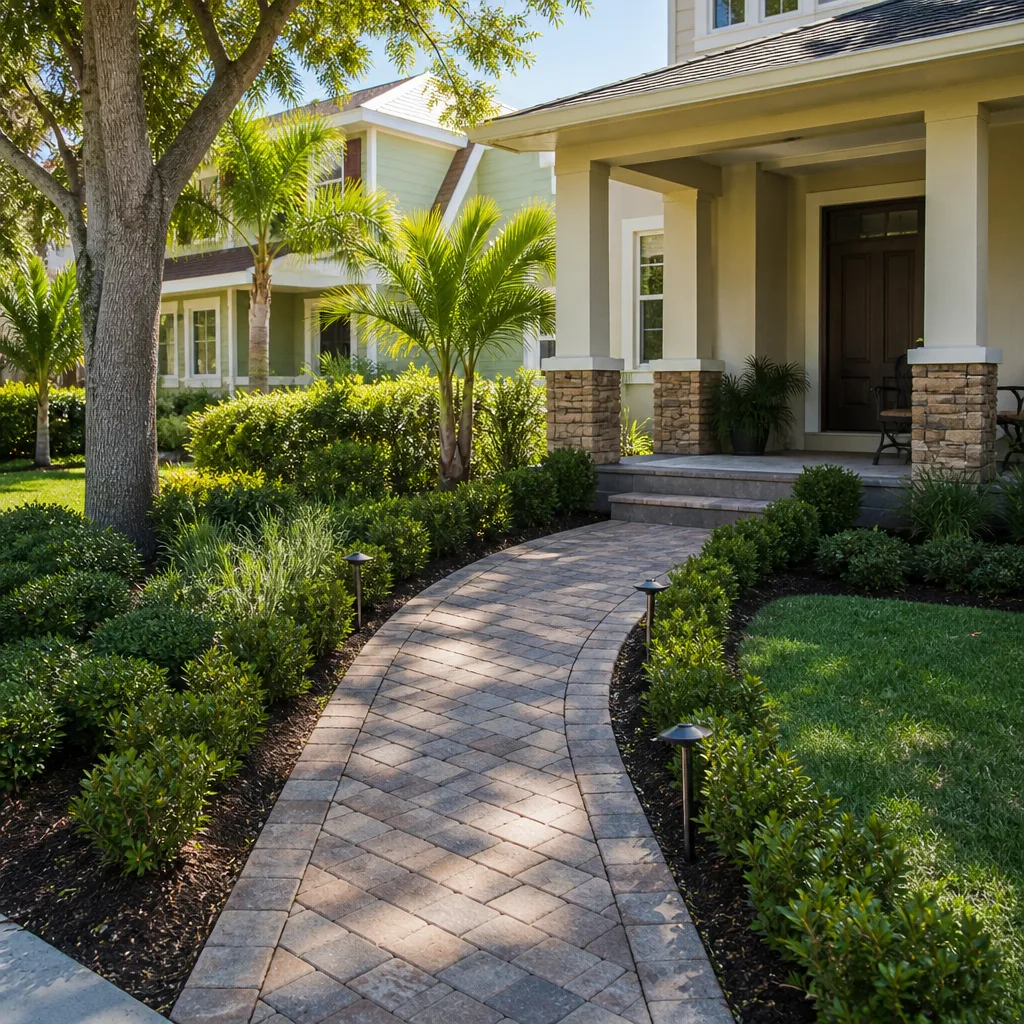
Cambridge pavers are color-through, meaning the pigment runs through the full thickness of the unit rather than sitting on the surface as a dye or coating. In Irving, that matters. Our sun is unforgiving, and a surface-dyed or painted paver will fade, chip, and show a lighter core the moment it gets scratched by a snow shovel (rare here) or a dropped wrench (not rare). Color-through units wear consistently because there’s no thin cosmetic layer to lose.
Two more things keep Cambridge looking right in Irving over the long haul:
- Efflorescence is normal, not a defect. That white haze on new pavers is mineral salt migrating to the surface, and it usually fades on its own. Don’t let anyone talk you into a panic treatment for it.
- Sealing is optional but not useless. A penetrating sealer helps with stain resistance and can deepen the color. It won’t fix a bad base, and anyone promising it will is selling you the wrong solution.
We recommend sealing after the driveway has had a full season to settle, and re-sealing every few years if you want the color to stay rich. It’s a maintenance item, not a magic cure.
How to Read a Cambridge Paver Quote: Specs, Permits, and the Fine Print
Here’s the test that separates a real installer from a guy with a truck: ask for their base specification in writing. Cambridge publishes installation guidelines, and a proper quote should reflect them. If the contractor can’t tell you the base depth, the compaction method, or which paver series he’s ordering, he’s winging it – and in Irving’s clay, winging it shows up within a couple of years.
What to confirm in writing before you sign
- The base depth and compaction method, stated plainly.
- The exact Cambridge paver series and thickness being installed.
- Edge restraint – a driveway without proper edge restraint spreads out and separates.
- Drainage plan: slope away from the house and gutters handled.
- Permits pulled and inspection signed, if your project needs them.
Permits are the part most homeowners skip. In Irving, impervious coverage – the share of your lot covered by driveways, patios, and other hard surfaces – is regulated, and widening or replacing a driveway can trip coverage limits or stormwater requirements. The city wants the impervious surface accounted for, and a contractor who tells you a driveway never needs a permit is a contractor who may be handing you a problem to sort out later. We pull permits and sign inspections on eligible jobs, and if your project doesn’t need one, we’ll say so in writing.
When to Call a Pro (and How We Work)
Some jobs are genuinely a call to a pro, and a driveway on Irving clay is one of them. The base prep alone needs plate compaction in lifts, a laser level, and the kind of equipment most homeowners don’t own. We’ve pulled plenty of failed DIY driveways over the years, and the story is always the same: the pavers looked great for two seasons, then the clay underneath won.
We’re owner-operated, and Tom Barrett’s sons and their crews are on-site most days. Every scope and every allowance gets written down before work starts, and any price change arrives as a written change order before it touches the job. Every eligible job gets permits pulled and inspections signed, and every finished job is backed by our written 90-Day Done Right Promise – if it’s not done right, one call brings us back.
If you’re planning a larger outdoor overhaul, our Driveway & Pavers in Irving page covers the material options, and if the project spills into a new fence or an addition, you’ll find those under Fence Installation in Irving and Home Additions & ADU in Irving. To see how we approach the whole property, start at the Barrett & Sons Construction Irving home.
The Bottom Line
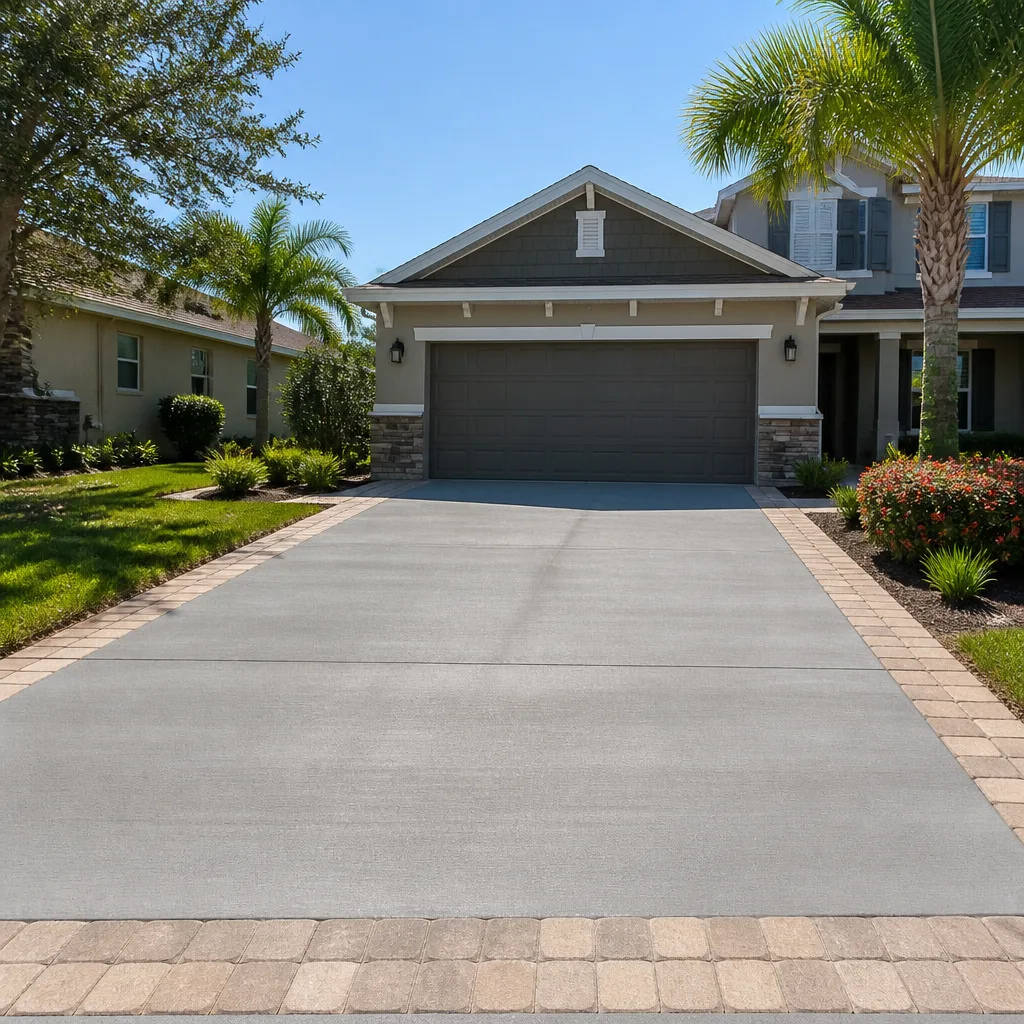
Cambridge Pavers are a good product, and on a properly built base in Irving, a driveway can hold up for decades. The product isn’t the risk – the base is. Insist on a written base spec, a named paver series, edge restraint, a drainage plan, and permits where they apply. That’s the difference between a driveway that lasts thirty years and one that rocks by year three.
If you’re in Irving and want a straight answer on what your driveway actually needs, Barrett & Sons Construction Irving offers free estimates – call (833) 991-4970. A live person answers, 24/7, and there’s no trip charge inside the county.
Frequently Asked Questions
Cost depends on square footage, base conditions, and the paver series you choose, so there’s no single number – and be wary of anyone who quotes one by phone. The base prep, not the pavers, is usually where the price moves up or down. Call (833) 991-4970 for an exact quote – estimates are free, and we’ll walk your lot first.
Often yes, because Irving regulates impervious surface coverage and stormwater on residential lots. Widening a driveway or adding hardscape can push you over a limit or require a plan. We confirm what your project needs and pull the permit and sign the inspection where it applies. Call (833) 991-4970 and we’ll tell you straight.
A properly installed driveway on a compacted base built for Irving’s clay can last thirty years or more. The variables are base depth, compaction, edge restraint, and drainage. Skip any of those and the timeline drops fast. Call (833) 991-4970 to have your current driveway assessed.
No. Cambridge pavers are color-through, meaning the pigment runs through the full thickness, so there’s no surface layer to fade or chip away. Surface-dyed pavers weather differently. A penetrating sealer every few years keeps the color rich. Call (833) 991-4970 with questions about sealing or maintenance.
Written by the team at Barrett & Sons Construction Irving.
Need Construction Help?
Call Barrett & Sons Construction Irving - licensed & insured, here with fast after-hours help in Irving.
(833) 991-4970