Last updated November 18, 2026

Free written scope consultation - allowances, timeline, and change-order rules on paper before a single trade is scheduled
The Complete Fence Installation Guide for Irving Homeowners
Here’s the part most fence guides skip: a perfectly built fence in Irving can still be ordered torn down, at your cost, if it sits six inches over a setback line or stands too tall on a corner lot. The installation was never the problem. The planning was. We’ve watched homeowners in Valley Ranch and Las Colinas spend good money on a fence that had to come back out because nobody checked the plat line or the sight triangle before the first post went in. This guide front-loads every decision you can’t undo – code, HOA rules, neighbor agreements, material choice for Irving’s clay and heat – so you walk into your project with your eyes open.
Quick Answer
In Irving, most residential fences max out at 6 feet in a rear or side yard and 4 feet in the front, though corner lots carry shorter height and sight-triangle limits at the street. A permit is generally required for a new fence over 6 feet or any fence in a front yard, and most HOAs in Valley Ranch, Las Colinas, and the Heritage District require written design approval before you buy materials. Get the height, setback, and HOA sign-off confirmed in writing first – everything else about the build is easier to fix later.
Styles & brands we work with
- Kitchen remodeling
- Bathroom remodeling
- Home additions & ADU
- Roofing
- Windows & doors
- Driveway & pavers
- Fence
Table of Contents
- Irving Fence Rules: Height, Setbacks, and Corner Lots
- When Do You Actually Need a Fence Permit in Irving?
- HOA Rules in Valley Ranch, Las Colinas, and the Heritage District
- Texas Fence Law and the Shared Boundary Fence
- Choosing Materials for Irving’s Heat, Clay, and Wind
- What a Complete, Honest Fence Quote Includes
- The Step-by-Step Fence Installation Process
Irving Fence Rules: Height, Setbacks, and Corner Lots
Irving enforces fence height by yard position, not by material, and the numbers trip people up. A standard privacy fence in a rear or side yard typically tops out at 6 feet. Anything in the front yard sits lower, usually no more than 4 feet, because the city wants a clear line of sight down the block. Go over those numbers and you’re looking at a variance – or a removal order.
Corner lots carry an extra layer. Because two streets meet at your property, Irving applies a sight-triangle rule near the intersection: fences, hedges, and walls have to stay low or set back so drivers and pedestrians can see each other. On a corner lot in neighborhoods like Plymouth Park or near the old downtown, this is where a “perfect” fence gets flagged. The installer can’t fix it – the design has to account for it before the posts are set.
Setbacks matter too. Your fence has to sit inside your property line, not on it, in many cases. In Irving’s older subdivisions, fences built decades ago sometimes crept over the plat line, and the current owner inherits the problem. Before you build, know three things:
- The exact height limit for your yard position (rear, side, front).
- The sight-triangle setback if you’re on a corner lot.
- Whether your fence needs to sit a set distance inside the property line rather than on it.
If you’re also planning hardscape work – a widened drive, a paver apron to the fence line – our team handles that alongside fence work through Driveway & Pavers in Irving, which keeps the setbacks consistent across the whole project instead of piecemeal.
When Do You Actually Need a Fence Permit in Irving?
The honest answer: it depends on height, location, and whether your fence qualifies as an accessory structure. In general, a standard privacy fence 6 feet or under in a rear or side yard often does not require a building permit. But a fence over 6 feet, a front-yard fence, a fence on a corner lot within a sight triangle, or any fence tied to a retaining wall or structure typically does require one. If your HOA governs the lot, that’s a separate approval entirely.
Here’s why this matters more than people think. When a fence is built without a required permit, the problem doesn’t surface until you sell, refinance, or a neighbor files a complaint. Then the buyer’s inspector flags it, the city opens a case, and you’re paying twice for the same fence. The permit inspector works for you, not for the contractor – that’s the whole point of the inspection. It’s a second set of eyes confirming the fence is where it’s supposed to be.
How to check before you build, in order:
- Pull your property plat or survey to confirm the exact line and any easements.
- Call Irving’s building department and describe the fence: height, location, material, corner lot or not.
- Get the answer in writing – the specific permit rule, not a phone opinion.
- If a permit is required, confirm who is pulling it. It should be the contractor, not you.
Every eligible job we take on includes permits pulled and inspections signed. If a contractor tells you permits are optional, that’s the tell. Ask them to show you the written rule.
HOA Rules in Valley Ranch, Las Colinas, and the Heritage District
Irving’s HOA covenants are where fence projects quietly die. Valley Ranch, Las Colinas, and the Heritage District each have their own architectural review requirements, and none of them care that you already ordered the cedar. Materials, height, color, and even the side of the property the “finished” face points to can all be governed.
In Valley Ranch, covenants commonly specify approved fence materials and heights, and many require that neighbors see the finished, “good” side of a shared fence. In Las Colinas, design guidelines in planned developments can be stricter about material and screening, and approval often runs through an architectural review committee that meets on a schedule. In the Heritage District, the combination of older homes and historic character means the review process can ask for fencing that complements the surrounding look rather than a stock panel.
What to do before you spend a dollar on materials:
- Request the current architectural guidelines from your HOA in writing.
- Fill out the architectural review application with the material, height, color, and a drawing of the fence layout.
- Ask for the approval in writing, with a date, before ordering anything.
- Keep a copy with your home records – it protects the fence’s “grandfathered” status if rules ever change.
Approval can take a few weeks around a committee meeting cycle, so start early. Getting a fence approved after installation is a much harder conversation than getting it approved before. Our crews treat the HOA packet as part of the scope, not an afterthought, on any Fence Installation in Irving project inside a governed community.
Texas Fence Law and the Shared Boundary Fence
Here’s the part neighbors argue about at the curb: in Texas, there is no statewide law forcing your neighbor to split the cost of a boundary fence. If the fence sits entirely on your property, it’s yours – you pay for it, you maintain it, and your neighbor has no legal obligation to chip in, even if they benefit from the privacy. If the fence sits exactly on the property line and is a true shared boundary fence, the picture is murkier, and a verbal handshake is not a legal agreement.
What actually protects you is a written boundary fence agreement signed by both parties. It doesn’t have to be fancy. It should state who owns the fence, where it sits relative to the platted line, who pays for what, who maintains it, and what happens if one party sells. It prevents the classic Irving problem: a new owner moves in, decides the shared fence is on their side of the line, and starts taking panels down. Without a document, that’s a fight.
Before you build on or near a shared line:
- Get a current survey so you know exactly where the line is, not where it “seems” to be.
- Talk to your neighbor before anything gets ordered – walk the line together.
- Put the agreement in writing: ownership, cost split if any, maintenance, and the fence location.
- Keep both the survey and the signed agreement with your deed records.
If your neighbor won’t sign, build the fence inside your own line. It’s cleaner, and it stays your call.
Choosing Materials for Irving’s Heat, Clay, and Wind
Irving’s climate is unforgiving in three specific ways: summer heat that bakes and bleaches exposed material, expansive clay soil that shifts with every wet-and-dry cycle, and wind corridors that cut across the Metroplex and hammer anything with a tall, flat face. The right fence for Irving is one that handles all three, not one that looks good in a showroom catalog.
How the common choices hold up here:
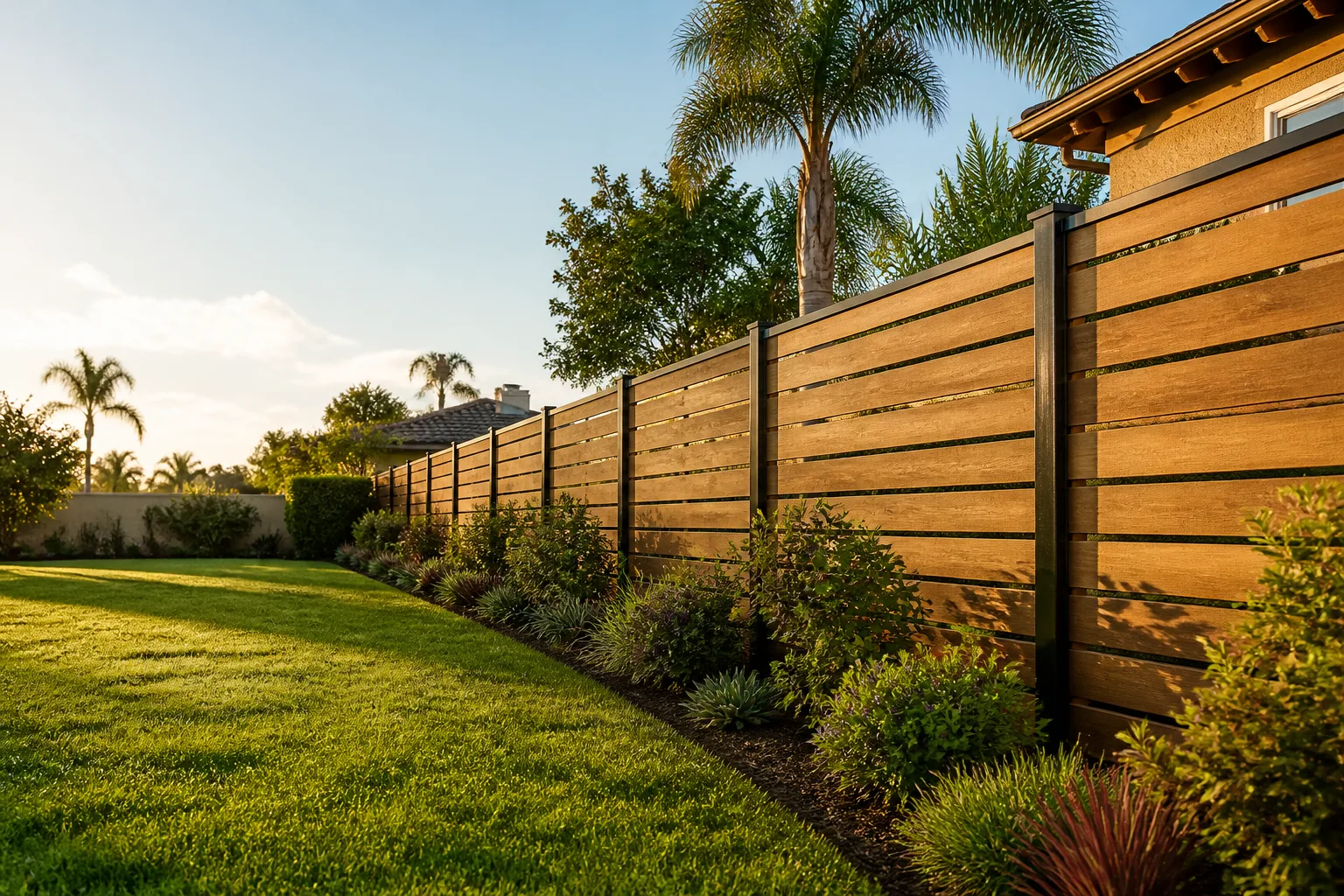
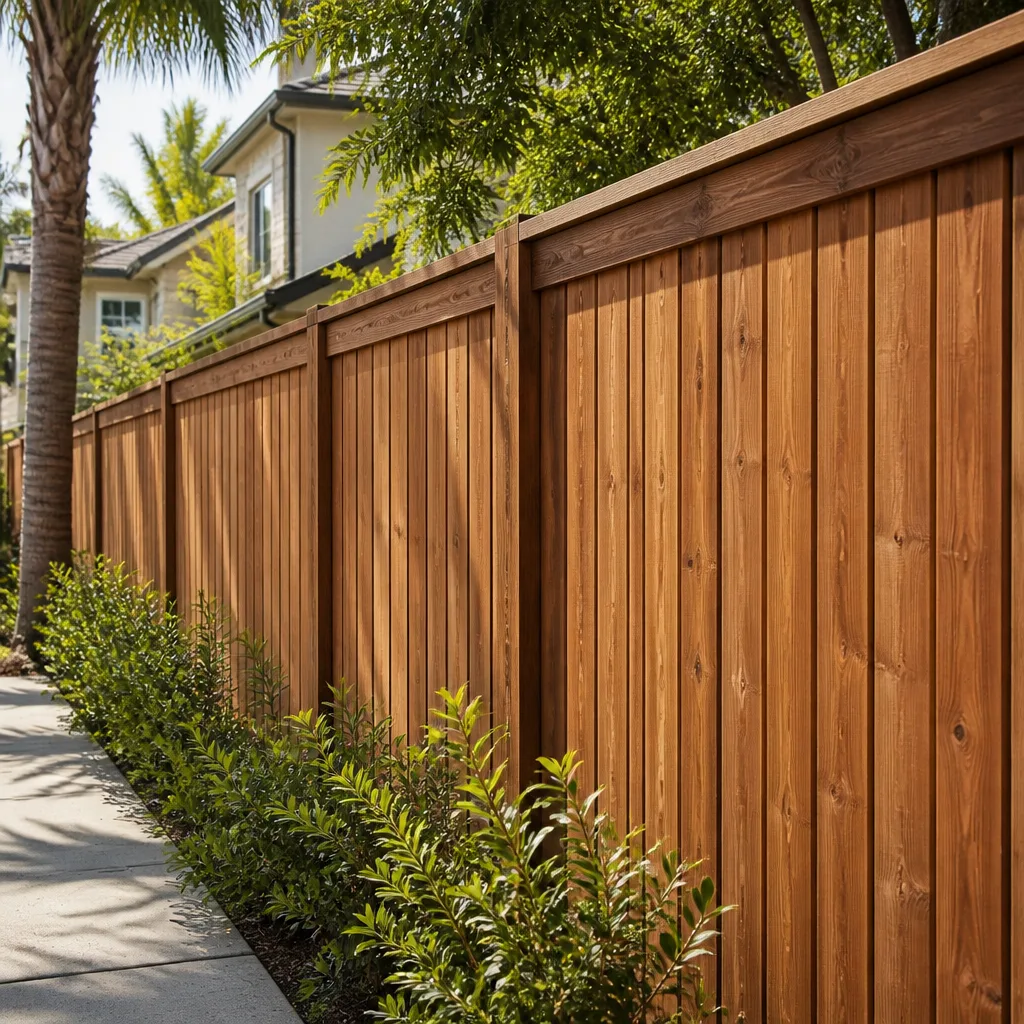
- Cedar: The default for good reason. Cedar resists rot and insects better than pine, takes stain well, and holds up to Irving’s sun. It’s also the most requested material in Valley Ranch and Las Colinas for the look. Expect it to need a re-seal every few years to keep the color.
- Pine: Cheaper up front, weaker against moisture and pests. In Irving’s clay-and-heat cycle, a pine fence tends to age faster. It can work for a budget install, but the value math favors cedar over a decade.
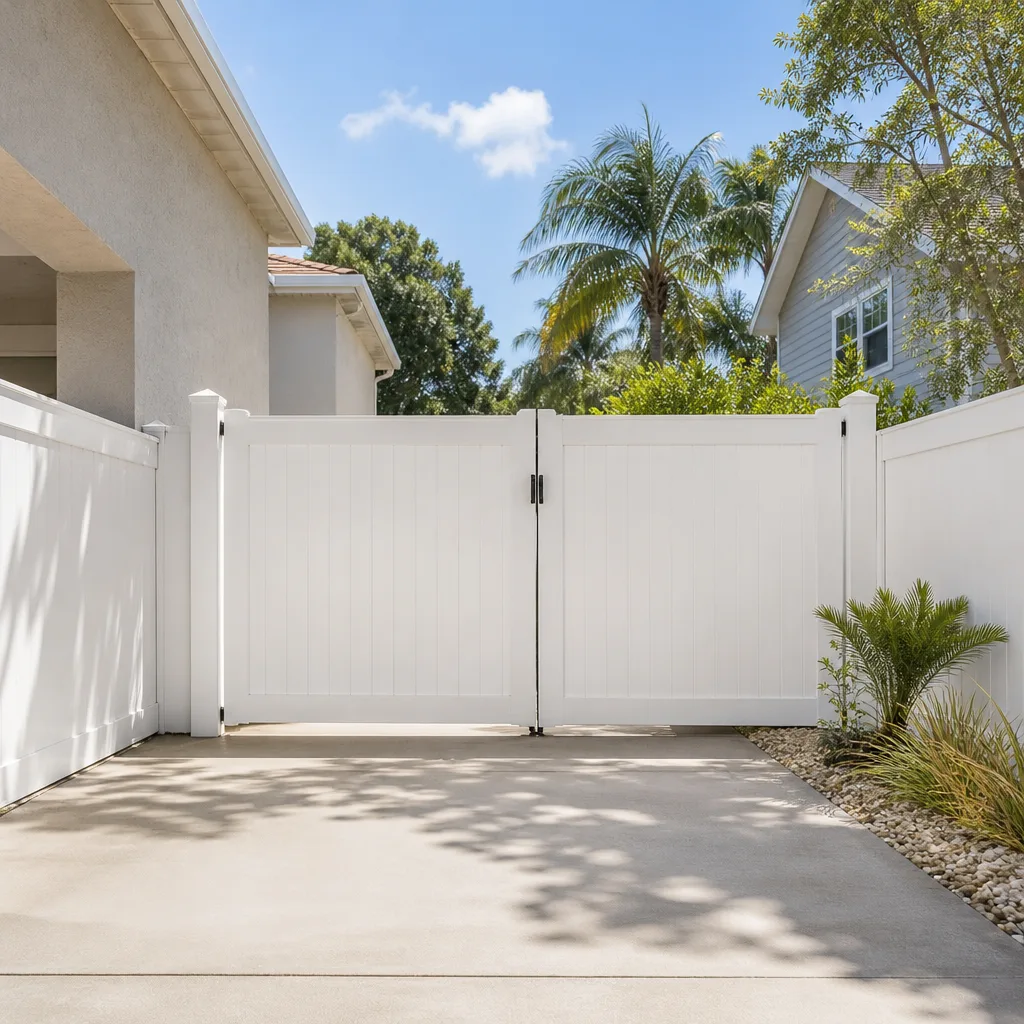
- Vinyl: Handles heat and moisture with basically no maintenance, which makes it popular in newer subdivisions. The trade-off is look and how it reacts to a hit – vinyl doesn’t flex back. Get the thicker grade if you go this route.
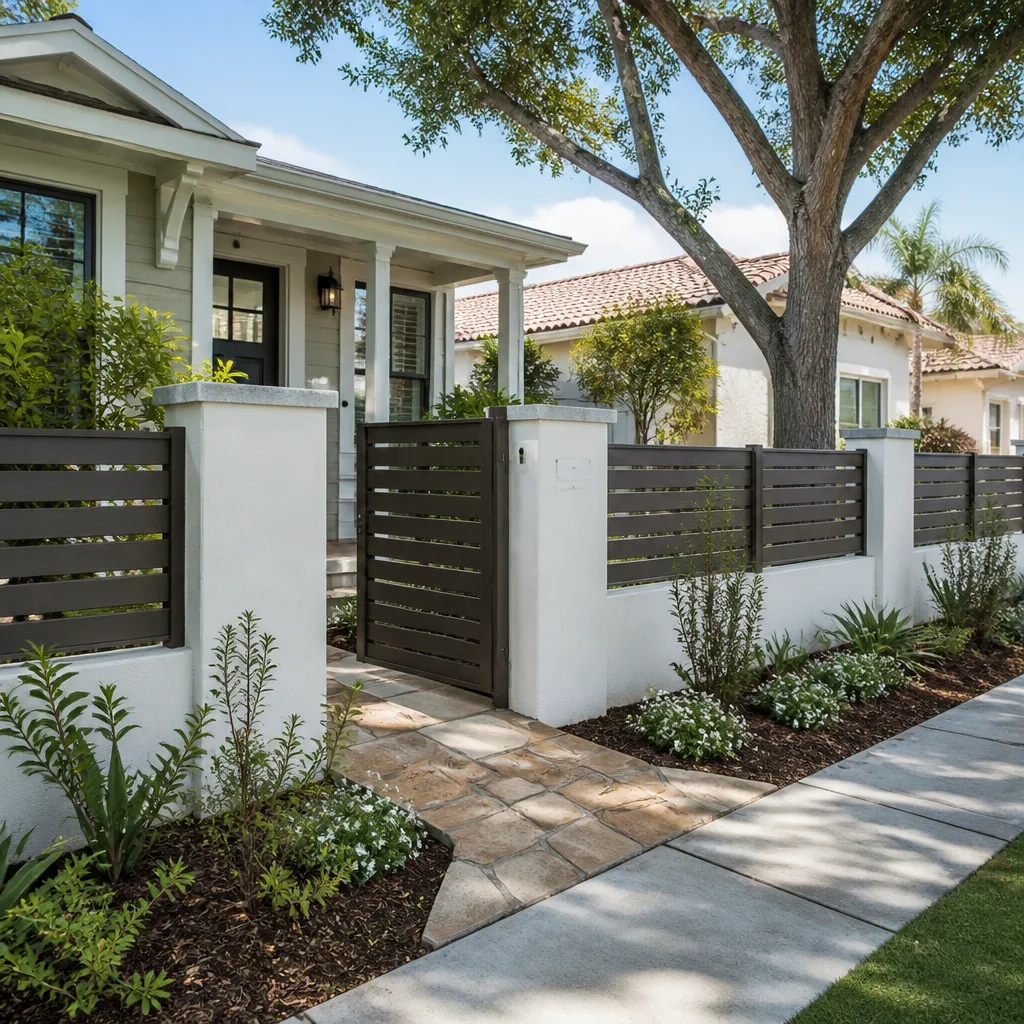
- Aluminum and ornamental iron: Strong against wind and won’t rot. Great for front-yard fencing and street-facing sections where the height rule already limits you. Pair it with a privacy material in the rear if you want screening.
- Chain link: The durable, low-cost option for the side yard or a working property. Not pretty, but it survives Irving’s wind without complaint.
Two build details matter as much as the material: post depth and post anchoring in that clay. A fence post set too shallow is the number-one reason a “new” fence leans within two years. We set posts to account for Irving’s soil movement and wind load, and we select panels and hardware from brands you can look up rather than off a van – the same discipline we bring when we install James Hardie siding or Andersen windows on the homes around here.
What a Complete, Honest Fence Quote Includes
A low bid on a fence in Irving is usually not a lower price – it’s a shorter list. The line items that disappear from the cheap quote are exactly the ones that reappear after the job starts, when you’ve already paid the deposit and the crew is on site. Here’s what a complete quote must show, item by item, in writing.
- Material and grade: The exact wood species or product line, not “cedar fence.” Cedar grades differ; so do vinyl thicknesses.
- Post spacing and depth: The number of posts, spacing, and how deep they’re set. Vague means variable.
- Concrete for posts: Whether posts are set in concrete, and how much. It’s a real cost line, and it’s often missing from low bids.
- Removal and haul-away of the old fence: Tear-out is labor and disposal. Cheap quotes leave it out.
- Gate hardware and framing: A gate is the weakest point of any fence. It needs real framing and hardware, not offcuts.
- Staining or sealing: Whether finish work is included or billed later.
- Permit pulling and inspection coordination: Listed, in writing, with who’s responsible.
- Contingency for unexpected issues: A buried utility line, a root mass, a property-line discovery. How those get handled, and at what cost.
Every scope, every allowance, and every price change on a Barrett & Sons job arrives as a written change order before the work happens. An allowance that isn’t on paper is a surprise waiting for a date, and a fence quote is no different. When you compare bids, put them side by side and ask which line items the cheaper one dropped. The answer is usually the reason it’s cheaper.
The Step-by-Step Fence Installation Process
Here’s the sequence a well-run fence project follows, start to finish, so you know what to expect and when your decisions are locked in.
- Survey and line check. Confirm the property line and any easements from a current plat.
- Code and HOA research. Confirm height, setback, and sight-triangle rules for your lot; submit for HOA architectural approval if governed.
- Permit determination. Call the city in writing; get the rule for your specific fence, not a general answer.
- Material and design selection. Choose material, height, color, and gate locations. Lock the written quote.
- Neighbor conversation and boundary agreement. Walk the line, put any shared-fence terms in writing.
- Utility locate. Call 811 before any digging. Posts don’t go in the ground until this clears.
- Demo and haul-off of the old fence. Removal and disposal, confirmed in the quote.
- Post setting. Posts set to correct depth and spacing, anchored for Irving’s clay and wind.
- Framing, panels, and gate hang. Rails, panels, and hardware installed; gates framed and hung to swing correctly.
- Inspection and final walk-through. Inspection signed where required; walk the fence with us before final payment.
Our technicians have up to 28 years of experience, and the crews running the fence line are the same ones who show up when we frame an addition – straight, plumb, and inspected. If your plan grows into a larger improvement, that sits comfortably next to Home Additions & ADU in Irving, where fence lines, setbacks, and inspections all have to line up with the same plat.
Common Mistakes to Avoid
- Ordering materials before HOA approval. This is the single most expensive mistake in Irving. If the committee rejects the design, you own the materials anyway.
- Building on the “assumed” property line. A fence one foot over into a neighbor’s yard can be removed at your cost. Get the survey.
- Skipping the sight-triangle check on a corner lot. Even a perfectly built fence gets flagged if it blocks sight distance at the intersection.
- Signing a bid with no post depth listed. A shallow post is why so many fences lean in Irving’s clay within a couple of seasons.
- Relying on a verbal fence split with a neighbor. Without a written boundary agreement, a new owner on either side can rewrite the arrangement.
- Choosing material by catalog photo instead of Irving’s conditions. Vinyl and pine each react differently to our heat and wind. Match the material to the climate, not the picture.
- Assuming a permit isn’t needed without checking in writing. A missing permit doesn’t surface until a sale or complaint, and then it’s a real cost.
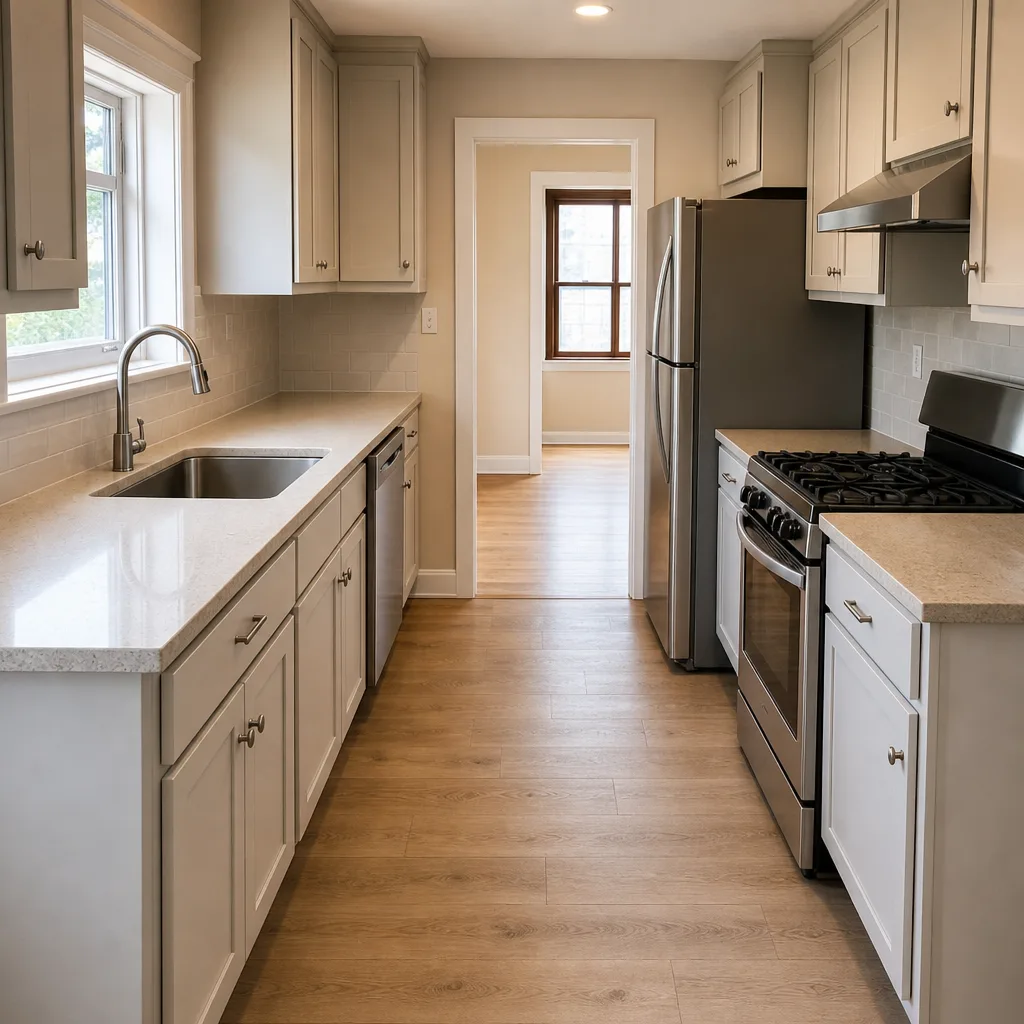
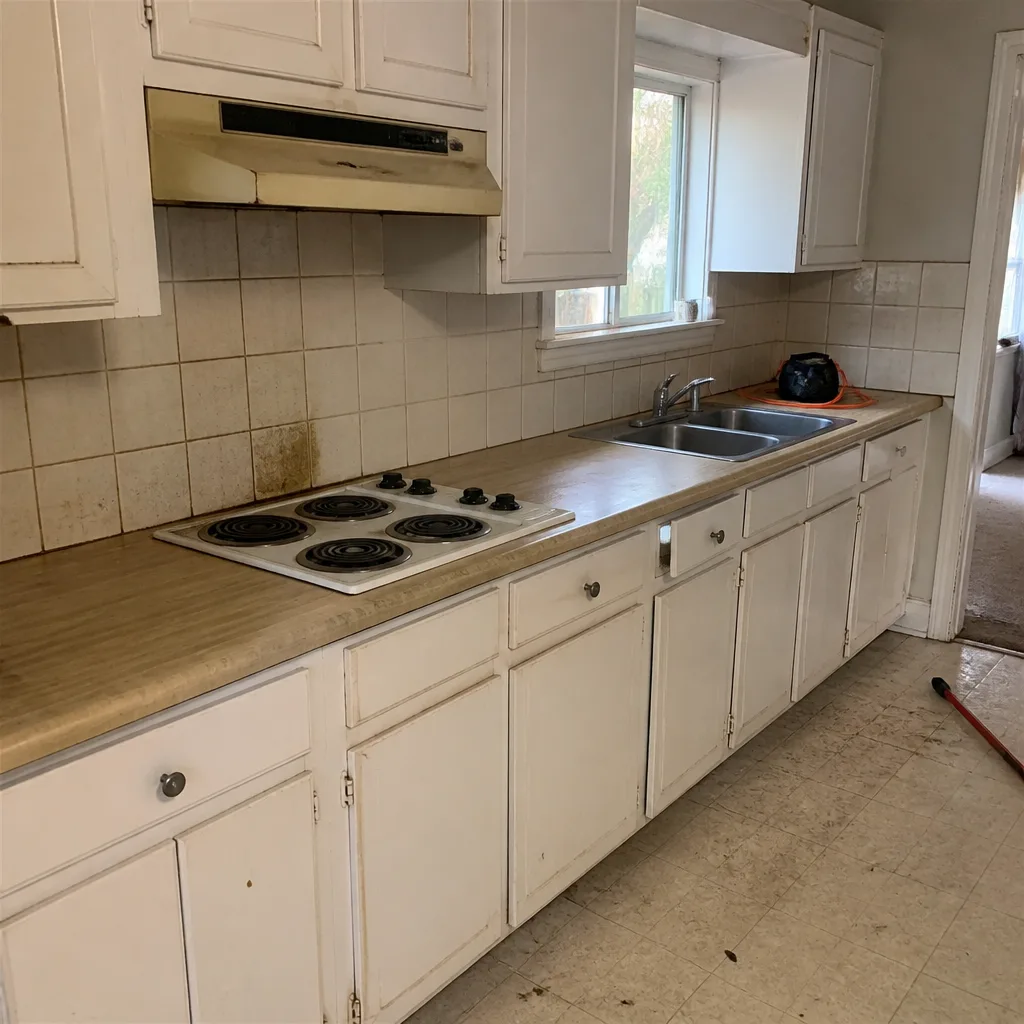
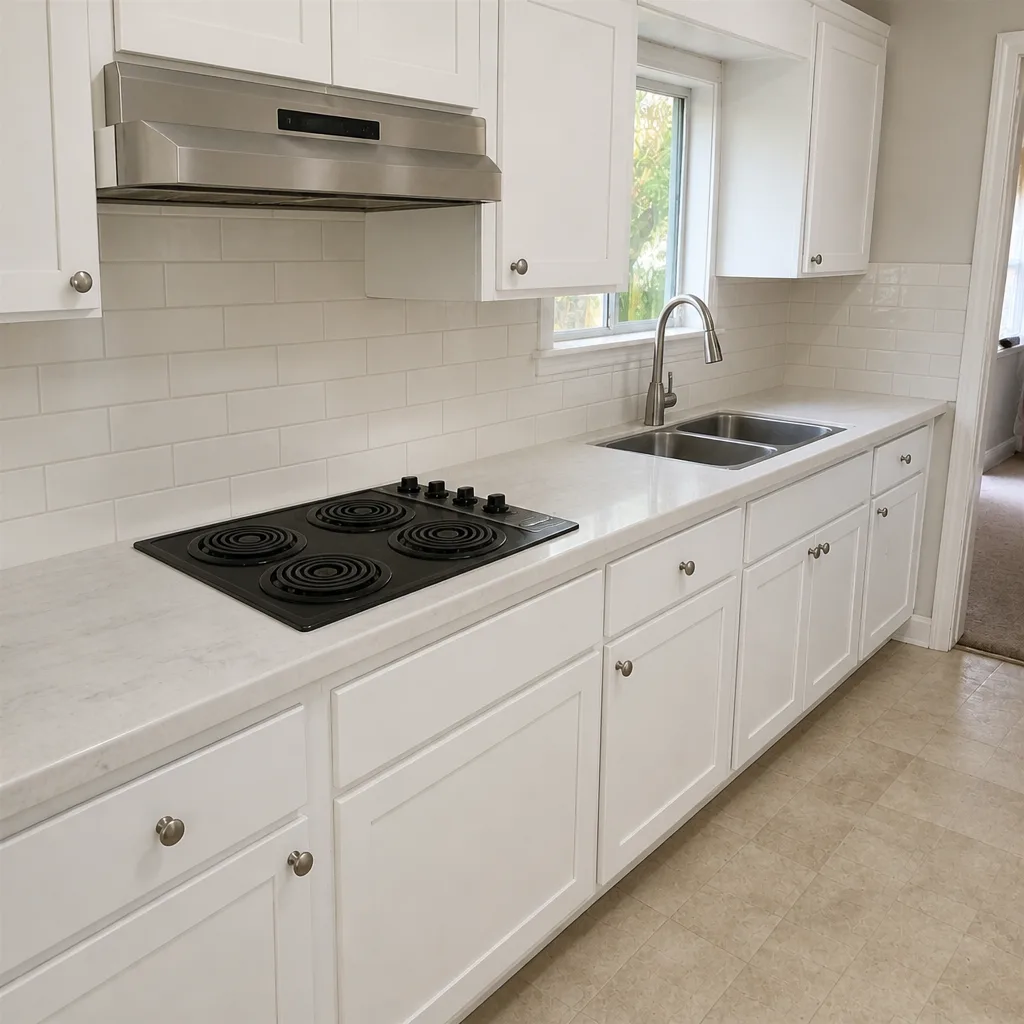
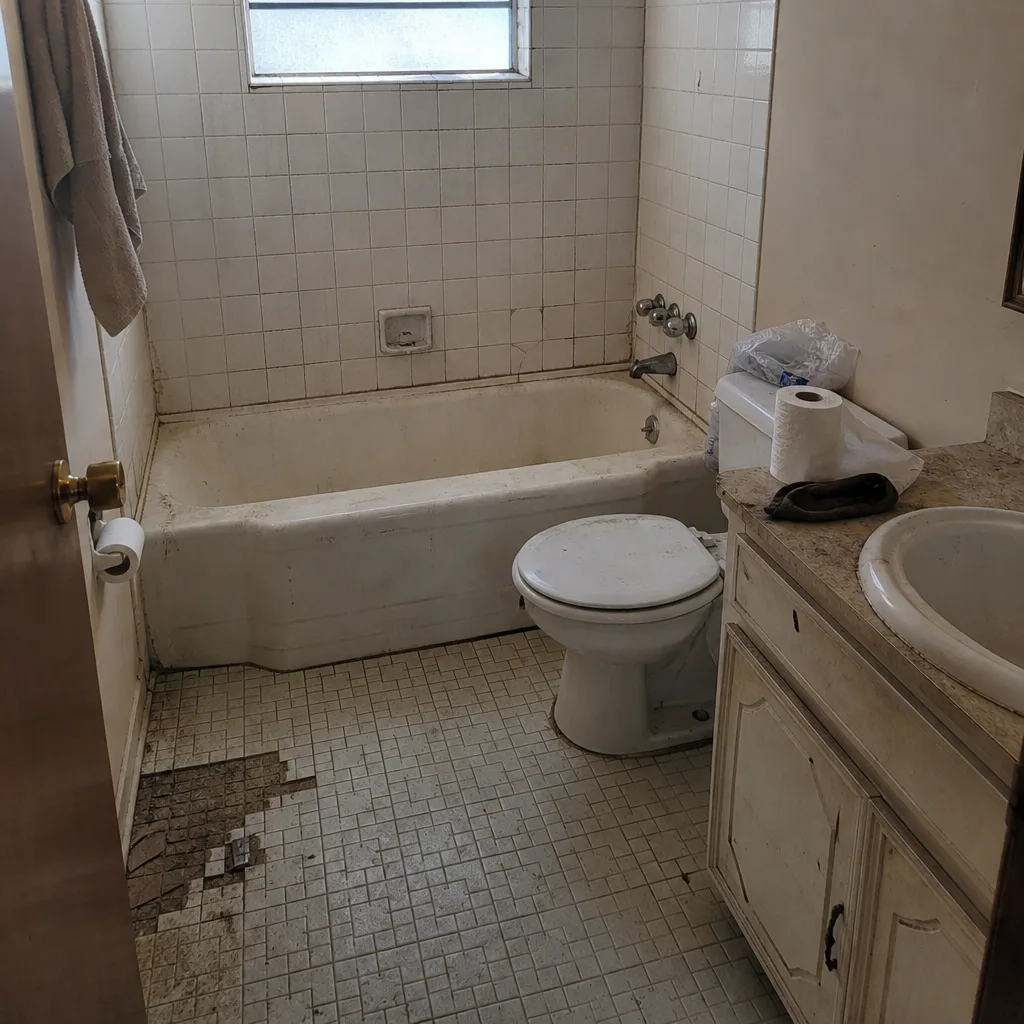
See the difference
 Before
 After
 Before
 After
 Before
 After
When to Call a Professional
Some fence work is a homeowner weekend project. Most of what happens in Irving is not. If your property line is anywhere near a shared boundary, your lot is a corner lot, your fence sits in an HOA community, or your design crosses 6 feet, the planning alone benefits from a second set of trained eyes. Post setting in Irving’s clay and wind, gate framing that actually holds, and inspection coordination are all areas where a mistake is expensive to unwind. A contractor who pulls the permits and signs the inspections is also a contractor who stands behind the build – ours carries a written 90-Day Done Right Promise on every eligible job, and calls are answered by a live person, 24/7. Barrett & Sons Construction offers free estimates in Irving – call (833) 991-4970.
Frequently Asked Questions
Most residential privacy fences in Irving run roughly in a mid range for the Metroplex, with cedar and vinyl at the higher end and pine or chain link lower. The final price depends on linear feet, material grade, post depth and concrete, old-fence removal, and gate count, and a corner-lot project or HOA-governed community can add design and coordination line items. The honest way to price it is a written line-item quote, not a per-foot phone estimate. Call (833) 991-4970 for a free estimate – you’ll get the full scope in writing.
A rear or side-yard privacy fence in Irving generally maxes out at 6 feet, and a front-yard fence is typically held to 4 feet, with corner lots subject to a sight-triangle rule near the intersection. The specific limit depends on your yard position and whether the lot is on a corner, so confirm it for your address before you order materials. Call (833) 991-4970 and we’ll walk through your lot’s specific rule.
Not always. A standard fence at or under 6 feet in a rear or side yard usually avoids the permit process, while a fence over 6 feet, a front-yard fence, or a corner-lot fence in a sight triangle typically needs one. Because the rule depends on your lot, get the answer in writing before you build. We pull and coordinate permits and inspections on every eligible job – call (833) 991-4970 for a free estimate.
A neighbor can’t order your fence removed on their own, but they can raise a legitimate complaint if the fence crosses the property line or violates an enforceable HOA covenant or city rule. That’s why the survey and any written boundary agreement matter before you build. If you’re unsure where the line sits, get a current plat first. Call (833) 991-4970 and we’ll help you plan the fence to stay inside your own line.
No. Texas has no statewide law obligating a neighbor to share the cost of a boundary fence, whether the fence sits on your line or theirs. A cost split is a private agreement, and it should be in writing with the ownership, the split, maintenance, and the fence location spelled out. Without that document, a future owner can dispute everything. Call (833) 991-4970 for a free estimate that includes the boundary planning.
Cedar is the most common choice in Irving because it handles the heat and moisture well and takes a stain to protect the color, while vinyl offers low maintenance and aluminum or chain link hold up best against wind. The material that fails fastest here tends to be cheap pine exposed to our clay-and-heat cycle. Post depth and anchoring matter as much as the material. Call (833) 991-4970 for a free estimate and we’ll match the material to your lot.
The Bottom Line
Fence projects in Irving fail at the planning stage, not the install. The height limit, the corner-lot sight triangle, the HOA approval in Valley Ranch or Las Colinas, and the written boundary agreement with your neighbor are the decisions you can’t undo once the posts are set. Get all four in writing, confirm the permit rule for your specific lot, match the material to Irving’s clay and wind, and insist on a line-item quote that shows post depth, concrete, removal, and inspections. Do that and the build becomes the easy part. Call (833) 991-4970 for a free estimate and we’ll start with the survey, the rules, and the written scope.
If you want the full picture of what we do across the area, start at our Barrett & Sons Construction Irving home page and look up the license number yourself before you sign anything.
Written by the team at Barrett & Sons Construction Irving.