Last updated November 18, 2026
Free written scope consultation - allowances, timeline, and change-order rules on paper before a single trade is scheduled
Construction Cost Breakdown: The Irving Homeowner’s Reference for 2026
Here’s the number that trips up Irving homeowners: the national average to replace a roof gets quoted constantly, and people budget to it, then sit down with three local bids that run 15 to 25 percent higher. The gap isn’t greed. DFW demand, Texas labor rates, and hail-rated material requirements all push north of that national figure. This guide exists to close that gap. We’ll walk through line-item labor rates for Irving crews, the actual city permit fee schedule for 2026, how to read a cost-per-square-foot number without getting fooled, what an honest contingency line looks like, and which materials in the DFW market are price-stable versus still carrying lead-time risk.
Quick Answer
In 2026, most Irving residential construction projects land roughly 15 to 25 percent above published national averages because of DFW labor demand, hail-zone material specs, and city permit costs. Roofing runs about $6.50 to $11 per square foot installed, standard flatwork (driveways, patios) about $9 to $15 per square foot, and a mid-grade kitchen remodel typically falls between $28,000 and $75,000 depending on scope. Use the line-item ranges below as your budget reference, and get every number in writing before you sign.
Styles & brands we work with
- Kitchen remodeling
- Bathroom remodeling
- Home additions & ADU
- Roofing
- Windows & doors
- Driveway & pavers
- Fence
Table of Contents
- What Do Irving-Area Labor Rates Actually Look Like in 2026?
- What Are Irving’s Residential Permit Fees for 2026?
- How Do You Use a Cost-Per-Square-Foot Figure Correctly?
- What Does a Legitimate Contingency Line Look Like?
- Which Materials Are Price-Stable in DFW, and Which Carry Risk?
- Project-by-Project Cost Ranges for Irving Homes
- How Do You Compare Two Bids Fairly?
What Do Irving-Area Labor Rates Actually Look Like in 2026?
Labor is the single biggest variable that separates an Irving bid from a national estimate. National cost data is compiled from an average of every market in the country, which means it blends rural Mississippi framing rates with San Francisco finish rates. Irving sits in the middle of a labor market that has been tight for years because of steady DFW population growth and a large commercial construction load pulling crews away from residential work. When crews are in demand, rates climb. That’s the simple version.
Here’s what we see across trades in the Irving area this year:
- Roofing crews: $65 to $95 per square (100 square feet) for installation labor, separate from materials. Tear-off of a single-layer asphalt roof adds roughly $45 to $70 per square.
- Flatwork and concrete: $4 to $7 per square foot for pour and finish labor on a standard driveway or patio, with site prep and grading billed separately.
- Framing: $8 to $14 per square foot for wall and floor framing labor on additions, with roof framing running higher.
- Finish carpentry: $55 to $95 per hour for trim, cabinetry install, and detail work.
- Tile and flooring install: $6 to $12 per square foot labor, rising for large-format tile or intricate patterns.
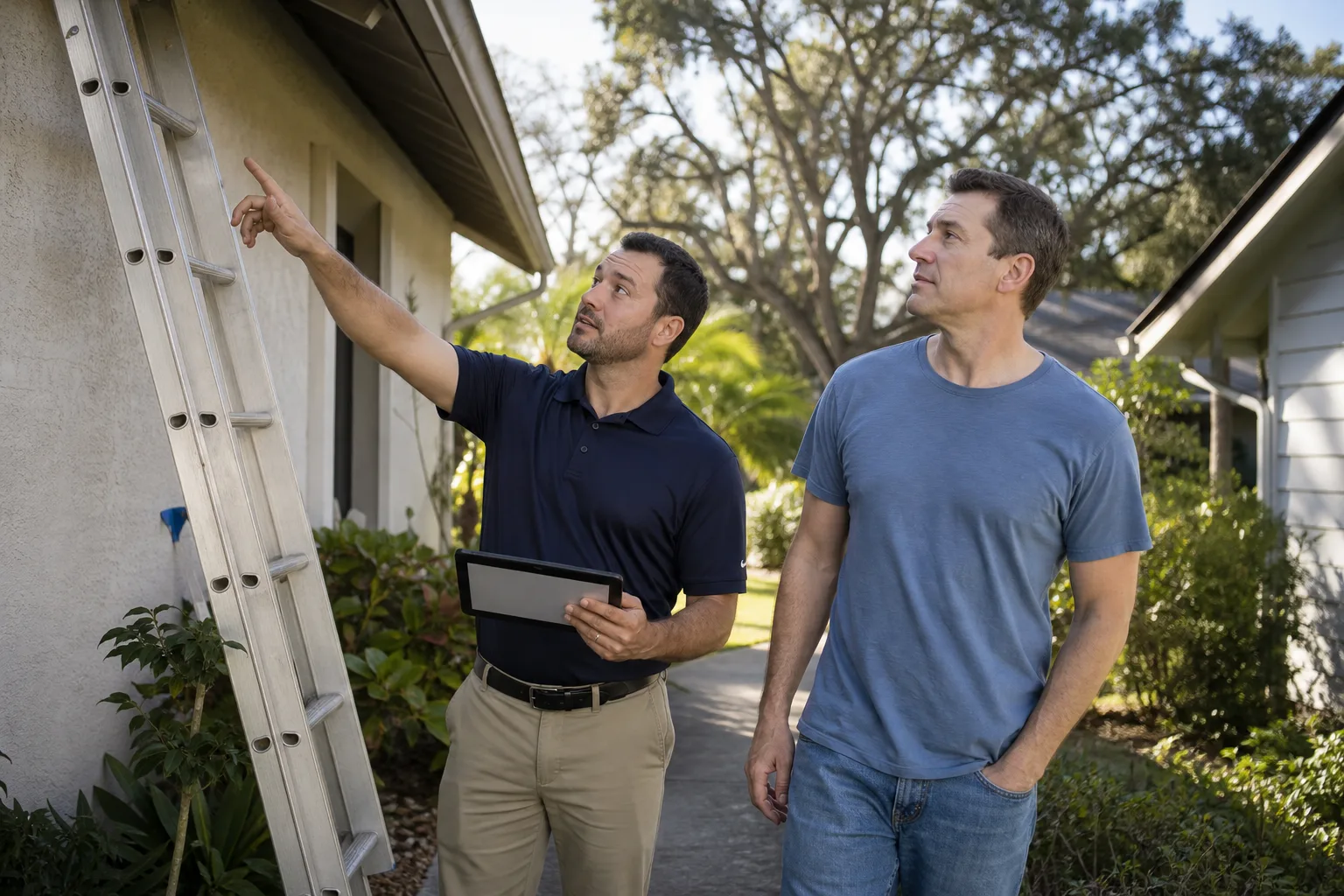
Two things drive these numbers higher on your particular job: access and scheduling. A roof on a steep, two-story home off Story Road takes longer than the same roof on a single-story ranch, and crew time is what you’re paying for. When a contractor quotes you, ask whether labor is padded for access. A written line-item quote should show it. If a bid comes in dramatically under these ranges, ask what’s missing before you assume you got lucky.
Our technicians have up to 28 years of experience across these trades, and that tenure matters less as a sales point than as a reality check: seasoned crews know what a job actually takes, and they price accordingly.
What Are Irving’s Residential Permit Fees for 2026?
Permit costs are small relative to total project cost, but they matter because an unpermitted job is a problem that follows the house, not the contractor. Irving’s fee schedule for 2026 is structured around valuation-based permit fees plus trade permits for mechanical, electrical, and plumbing work. The numbers below are ballpark ranges so you can budget for them.
- Roof replacement: A residential re-roof permit typically runs in the $150 to $350 range, based on valuation and the number of squares. Roofs are one of the projects that absolutely require a permit in Irving.
- Concrete flatwork (driveway, patio): Permit costs for flatwork on a residential lot generally fall between $75 and $250 depending on square footage and whether right-of-way work is involved. Driveways that touch the city right-of-way may need additional review.
- Fence installation: Fence permits are usually modest, often $50 to $150, but height limits and setback rules apply and vary by lot. A 6-foot fence is standard, but check your specific property before ordering material.
- Home additions and ADUs: These are valuation-based, and a modest addition or accessory dwelling unit can carry permit fees from roughly $800 to several thousand dollars once plan review, trade permits, and inspection fees are added.
- Kitchen and bathroom remodels: When plumbing or electrical work is moved, trade permits add typically $100 to $400 on top of any structural permit.
The reason we push on this: the last contractor many homeowners used told them permits were optional. They aren’t. The permit inspector works for you, not for us, and that inspection is the independent check that the job was built to code. When you’re comparing bids, a bid without permit fees listed isn’t cheaper. It’s just incomplete, and the cost lands later.
How Do You Use a Cost-Per-Square-Foot Figure Correctly?
A cost-per-square-foot number is only useful if you know which square feet are being counted and what’s inside them. Here’s the trap: one contractor quotes $140 per square foot on an addition, another quotes $210, and the homeowner assumes the first is a bargain. But the two figures may not describe the same job at all.
Three variables make the same number mean completely different things on two different Irving jobs:
- What’s included. Does the number include foundation, framing, mechanical, electrical, plumbing, finishes, permits, and cleanup? Or is it a shell-only price with finishes billed separately? A shell-only price at $140 can easily cost more than a full-scope price at $210.
- Site conditions. A flat lot with easy equipment access costs less to build on than a sloped lot with mature trees, tight alley access, or an existing structure to tie into. Irving’s older neighborhoods have plenty of tight lots and mature trees that change the math.
- Finish level. A basic-level kitchen using stock cabinets and laminate counters can land near the low end of a per-square-foot range. A kitchen with KraftMaid cabinetry and Cambria quartz counters, Moen fixtures, and layout changes pushes to the top. The square footage didn’t change; the scope did.
Use per-square-foot figures for a rough early budget, then demand a line-item scope before you compare. If you’re planning an addition or ADU, we’ve put together a detailed guide on Home Additions & ADU in Irving that walks through scope and sequencing.
What Does a Legitimate Contingency Line Look Like?
A contingency line is money set aside for what nobody can see yet, like the framing behind drywall or the soil under a slab. On a legitimate Irving project budget, contingency is typically 10 to 15 percent of total cost for remodels where existing conditions are unknown, and 5 to 10 percent for new construction where you control the site. On a kitchen or bath remodel in an older Irving home, 15 percent is reasonable because surprises are common.
What separates an honest contingency from padding is disclosure. An honest contingency line is stated separately, labeled clearly, and unused funds return to you. Padding hides in a marked-up line item or a vaguer “allowances” number that nobody on the job is tracking.
An allowance is different from contingency. An allowance is a budgeted number for a chosen item, like tile, fixtures, or lighting, to be finalized later. It has to be on paper with a specific dollar figure. An allowance that isn’t on paper is a surprise waiting for a date.
Here’s what good practice looks like: every scope, every allowance, and every price change arrives as a written change order before work happens. No surprise invoices at the end. Ask any contractor you’re considering how they handle a mid-job discovery. The answer tells you everything.
Which Materials Are Price-Stable in DFW, and Which Carry Risk?
Material prices are the least predictable line in any budget. Some products have settled; others still carry lead-time and price risk. We tell Irving homeowners which is which up front so the budget doesn’t surprise them later.
Reasonably stable in the current DFW market:
- Asphalt shingles. GAF and CertainTeed product lines are widely stocked, and standard profiles currently have predictable lead times and prices.
- Standard vinyl and fiberglass windows. Stock sizes move quickly, and we can get them into a schedule without much volatility.
- Standard concrete. Ready-mix pricing moves with cement and fuel but is broadly predictable on a 30-day schedule.
- Vinyl fencing and pressure-treated lumber, though lumber still has moderate seasonal swings.
Carrying lead-time or price risk:
- Custom windows and doors, including higher-end Andersen and Marvin lines. These can run eight to sixteen weeks, and pricing can move between quote and order.
- Custom cabinetry. KraftMaid semi-custom kitchens typically need six to twelve weeks, and rush ordering costs more.
- Quartz and stone countertops, including Cambria. Fabrication scheduling is tight in DFW, and a slab selection made late in a project can delay finish work.
- Imported tile and specialty hardscape, including some Belgard and Techo-Bloc lines, where freight and availability can shift.
The practical rule: decide finishes early and lock prices with a written order when possible. If a finish decision slips past the framing stage, the risk of a mid-project change order climbs sharply.
Project-by-Project Cost Ranges for Irving Homes
These are typical line-item ranges for 2026 in the Irving area, assuming a mid-grade finish level and standard site access. Think of them as a starting budget, not a quote. Every job is different.
Roof replacement: $9,500 to $22,000 for a typical Irving home, using GAF or CertainTeed hail-rated shingles. Damage replacement after a hailstorm often goes through insurance, which changes the process but not the underlying cost.
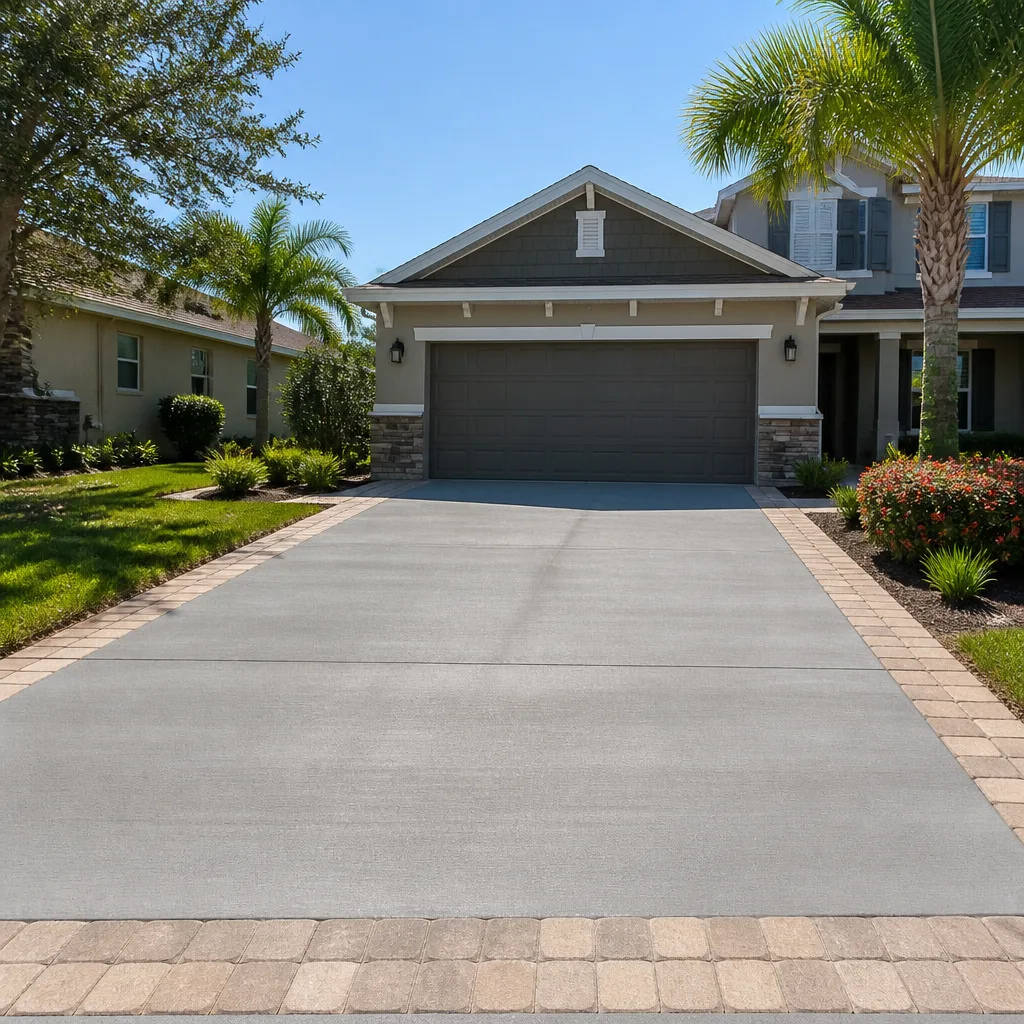
Driveway and flatwork: $6,000 to $16,000 for a standard driveway installation with demolition of existing material where needed. Paver driveways run higher. For a deeper look, our Driveway & Pavers in Irving guide covers material options and installation detail.
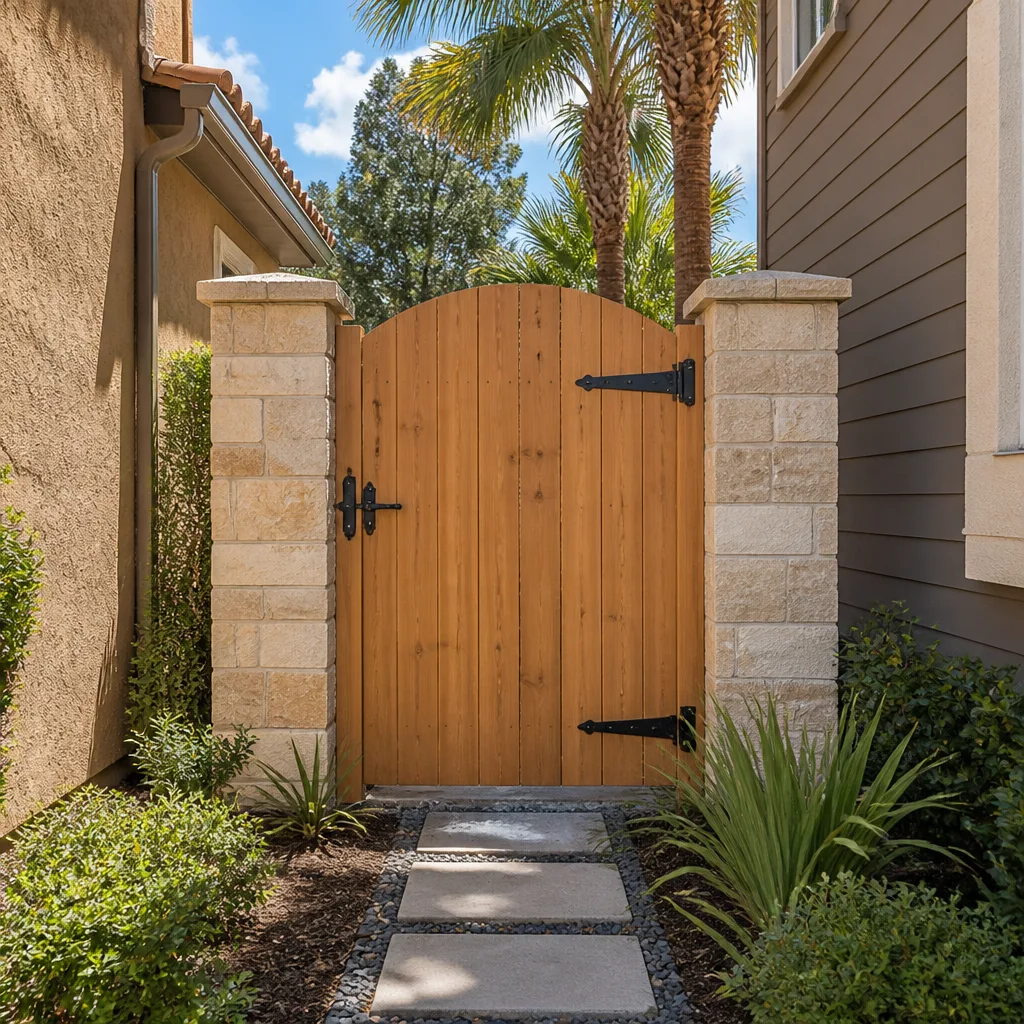
Fence installation: $3,000 to $9,000 depending on linear footage, material, and height. Vinyl and wood are the two most common choices, and both need a permit and a check against setback rules. See our Fence Installation in Irving page for specific material comparisons.
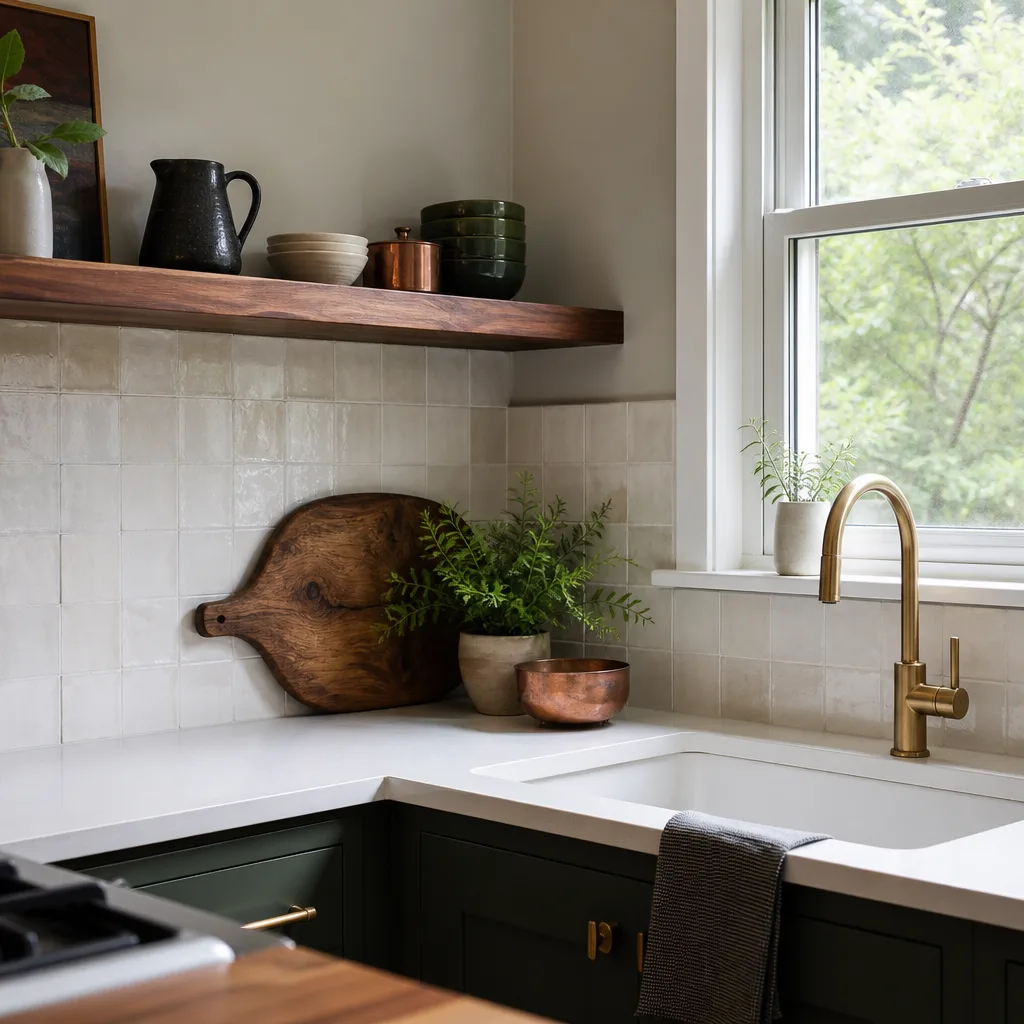
Kitchen remodel: $28,000 to $75,000 for a mid-grade full remodel. That range covers KraftMaid or comparable semi-custom cabinetry, quartz or stone counters, new plumbing fixtures from Moen or Delta, and electrical updates. Cosmetic updates only run $8,000 to $20,000.
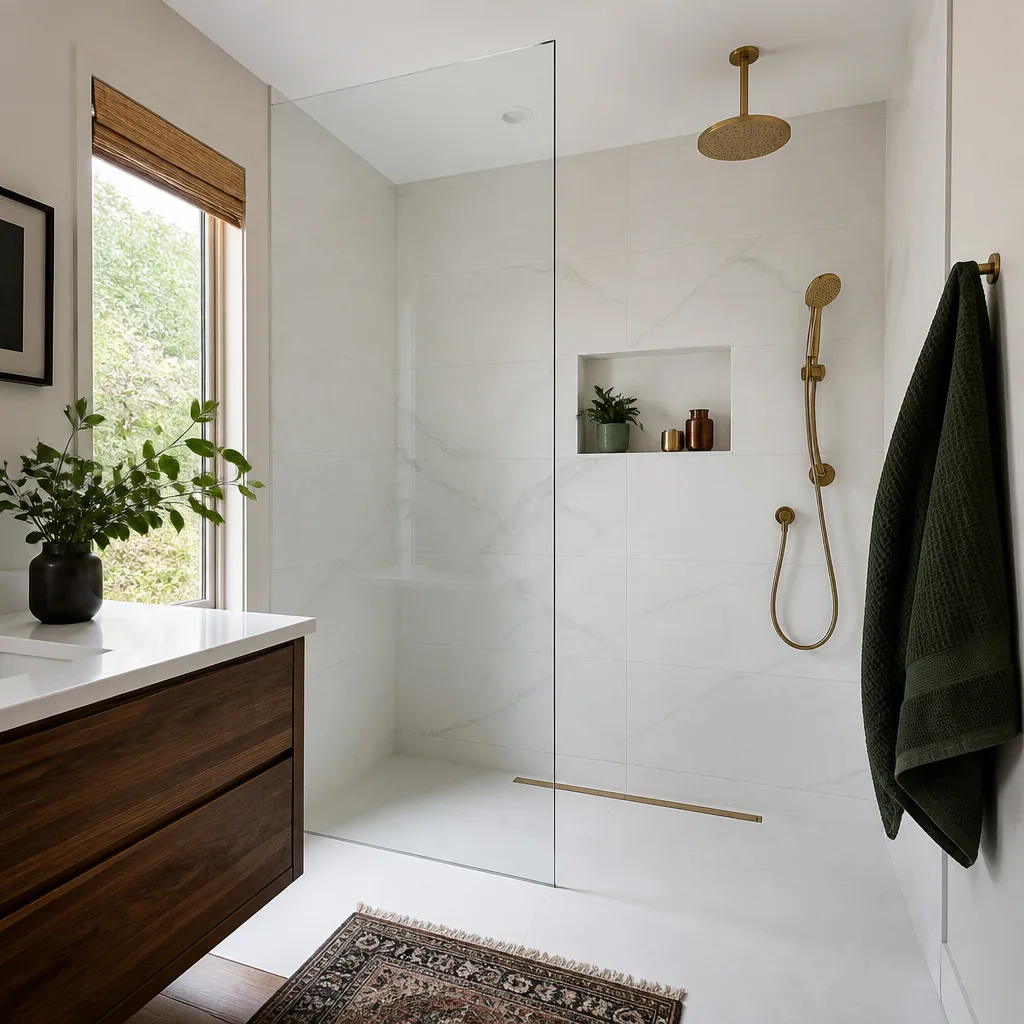
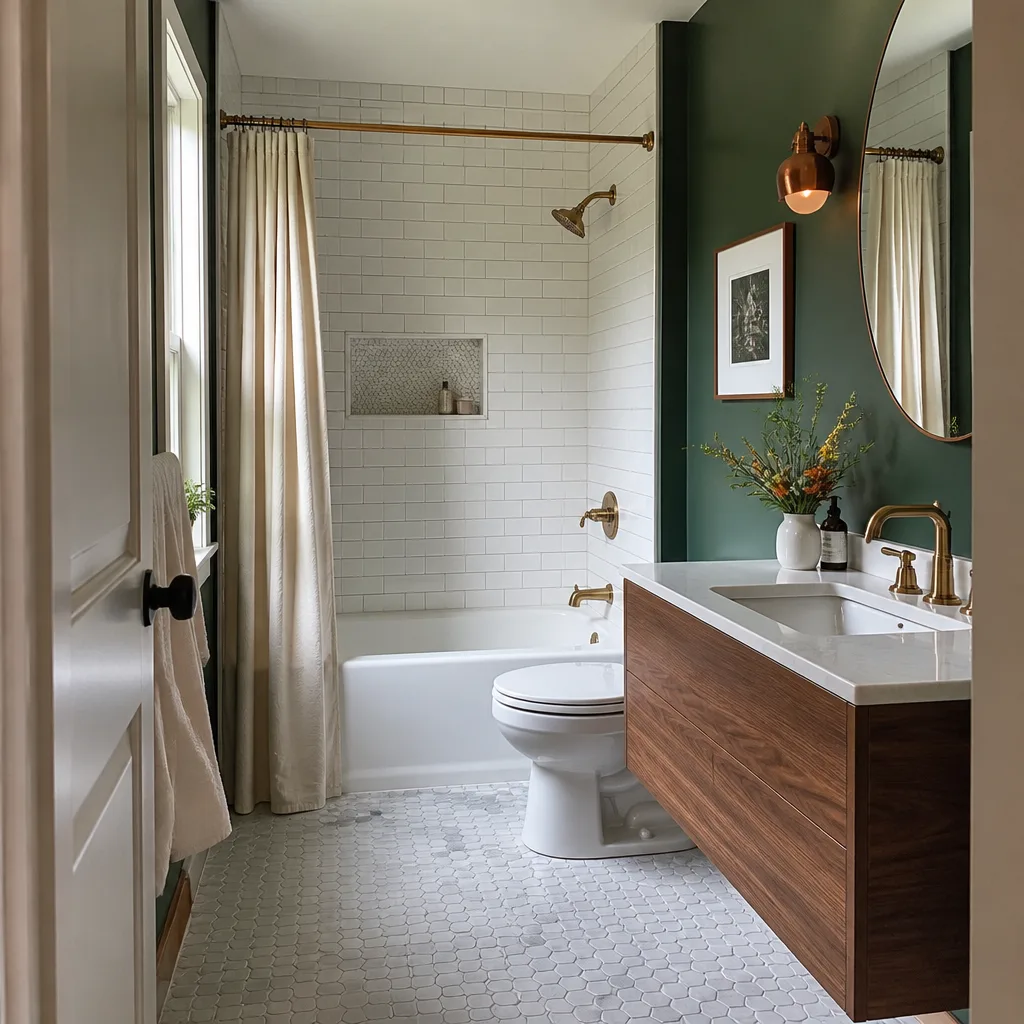
Bathroom remodel: $12,000 to $35,000 for a mid-grade full remodel, including fixture replacement from American Standard or Moen, tile work, and any layout changes.
Home addition or ADU: $150 to $275 per square foot for conditioned living space, with much of the range driven by finish level and site conditions.
Add Irving permit fees and a contingency line to each of these ranges, and you have a working budget rather than a number pulled from a national average.
How Do You Compare Two Bids Fairly?
Comparing bids is where most people get hurt. The bigger number isn’t always the expensive one, and the smaller number isn’t always the bargain. Here’s a short process to run every bid through.
- Put both bids side by side and check scope line by line. Line items that appear in one bid and not the other are the real comparison, not the total.
- Verify that permits and inspections are included. If they’re missing, add a realistic permit estimate to that bid before comparing.
- Ask what the allowance figures actually cover. Allowances should be specific and reachable, not set so low that every finish becomes a change order.
- Ask how they handle change orders. A contractor who issues written change orders before work proceeds is a much better bet than one who “settles up at the end.”
- Look up the license number yourself. Any contractor worth hiring will publish it and be glad you checked.
We think of this as basic practice: every scope in writing, every allowance in writing, every change order in writing before work happens. That’s the whole system.
Common Mistakes to Avoid
- Budgeting to a national average. National figures undercount DFW demand and hail-rated materials. Expect 15 to 25 percent above national numbers on most exterior projects in Irving.
- Assuming the low bid is the good bid. The lowest bid is often the least complete one. Compare scope, not just total.
- Skipping permits to save a few hundred dollars. Unpermitted work can surface during a sale inspection and cost far more to correct than the permit ever would have cost.
- Treating an allowance like a firm price. An allowance is a budget, not a final number. Finalize selections early to keep it grounded.
- Choosing imported or custom materials late in the schedule. A finish decision made after framing can add weeks. Decide early and lock pricing.
- Paying a large deposit before seeing a written contract. Deposits should follow a signed contract with a scope, a payment schedule tied to milestones, and a warranty in writing.
- Skipping the second opinion on a bid you already have. A free second opinion on a written estimate costs nothing and often catches missing scope or inflated allowances.
See the difference
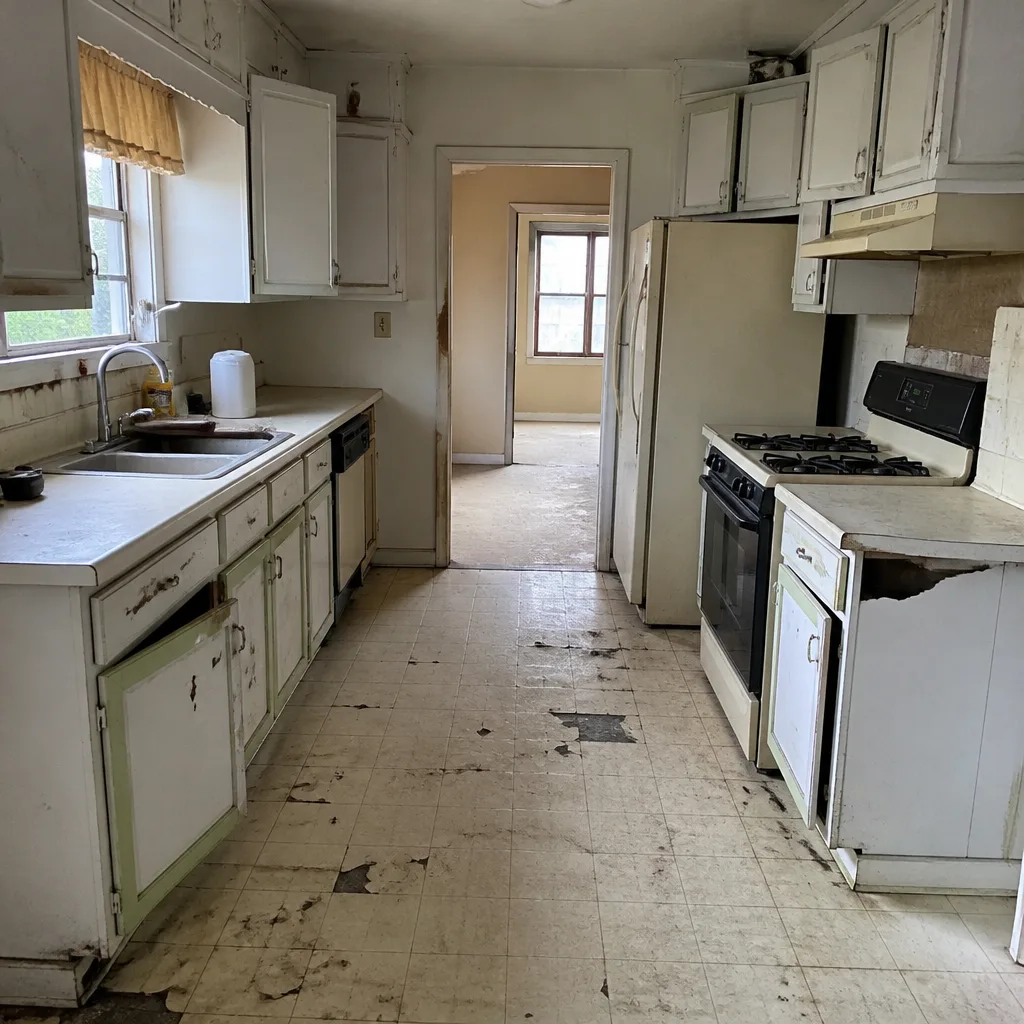 Before
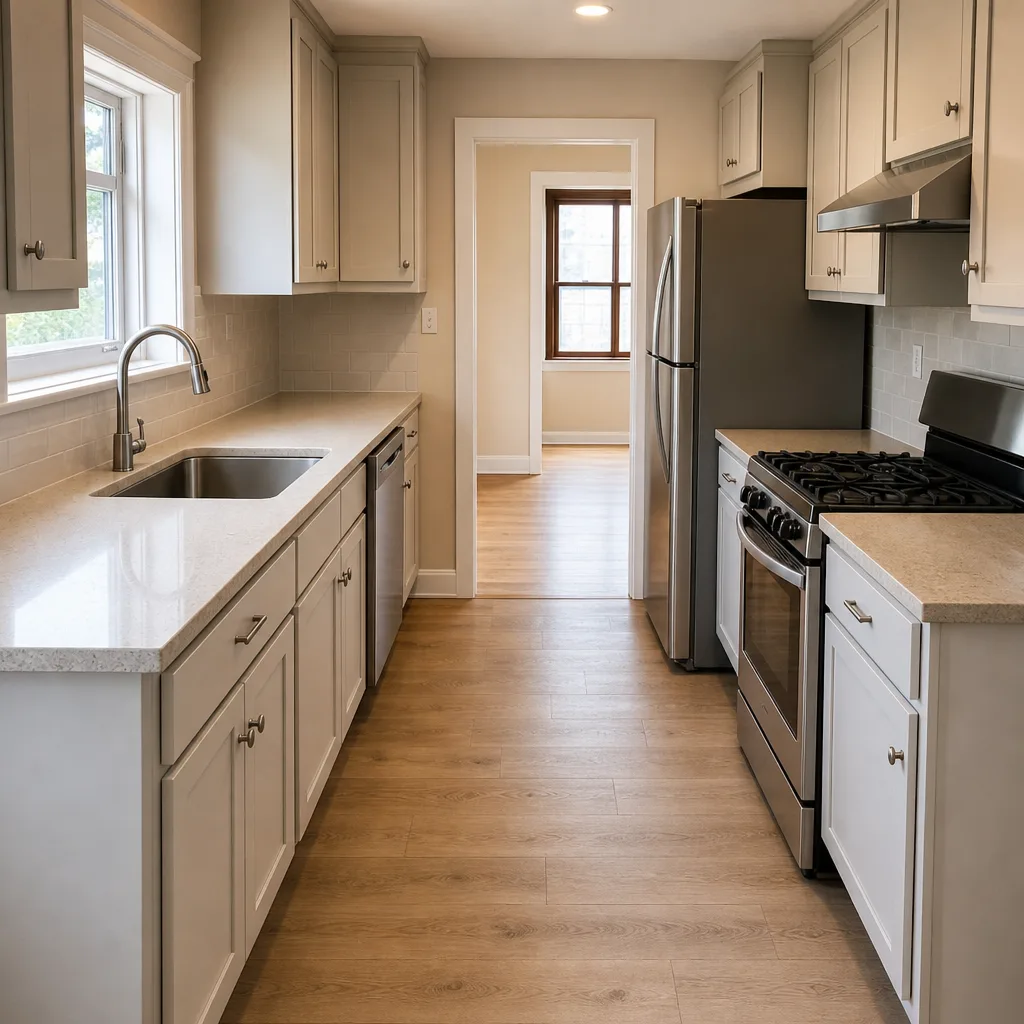 After
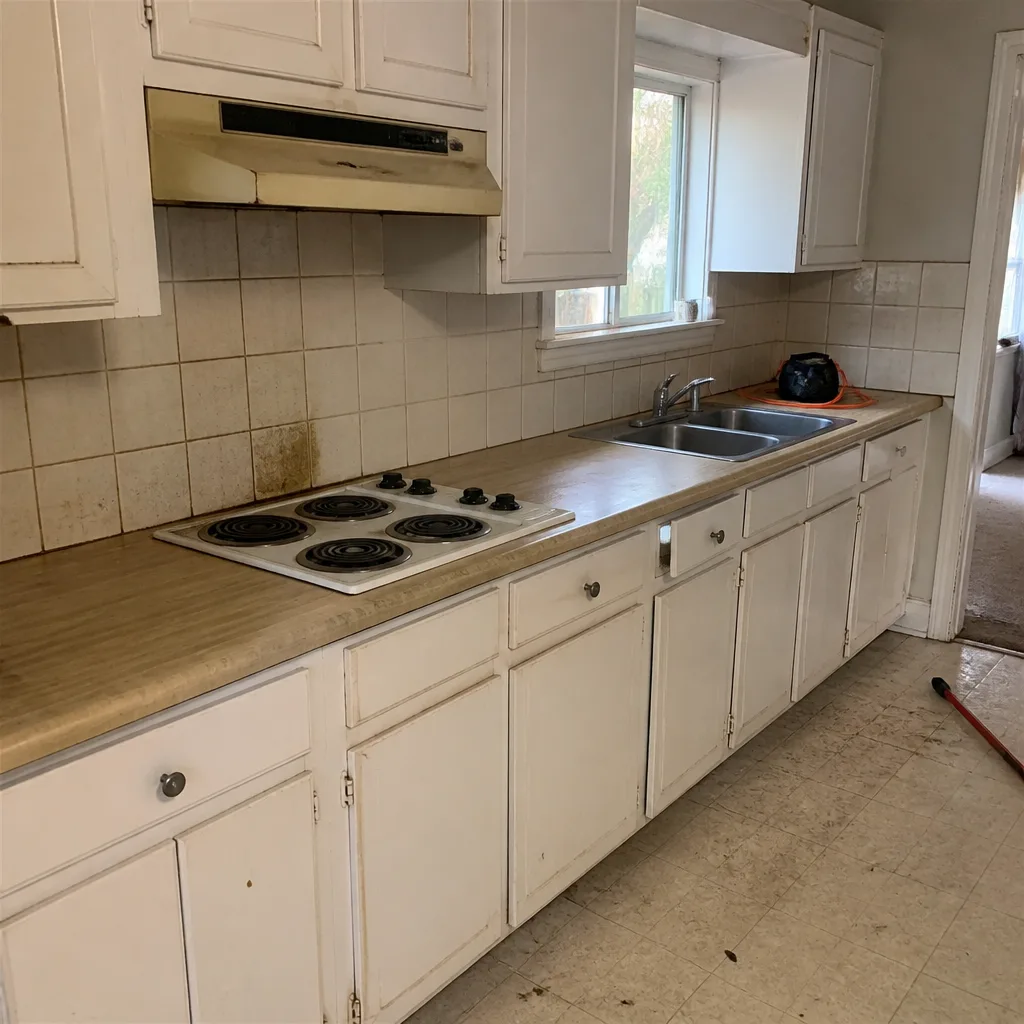 Before
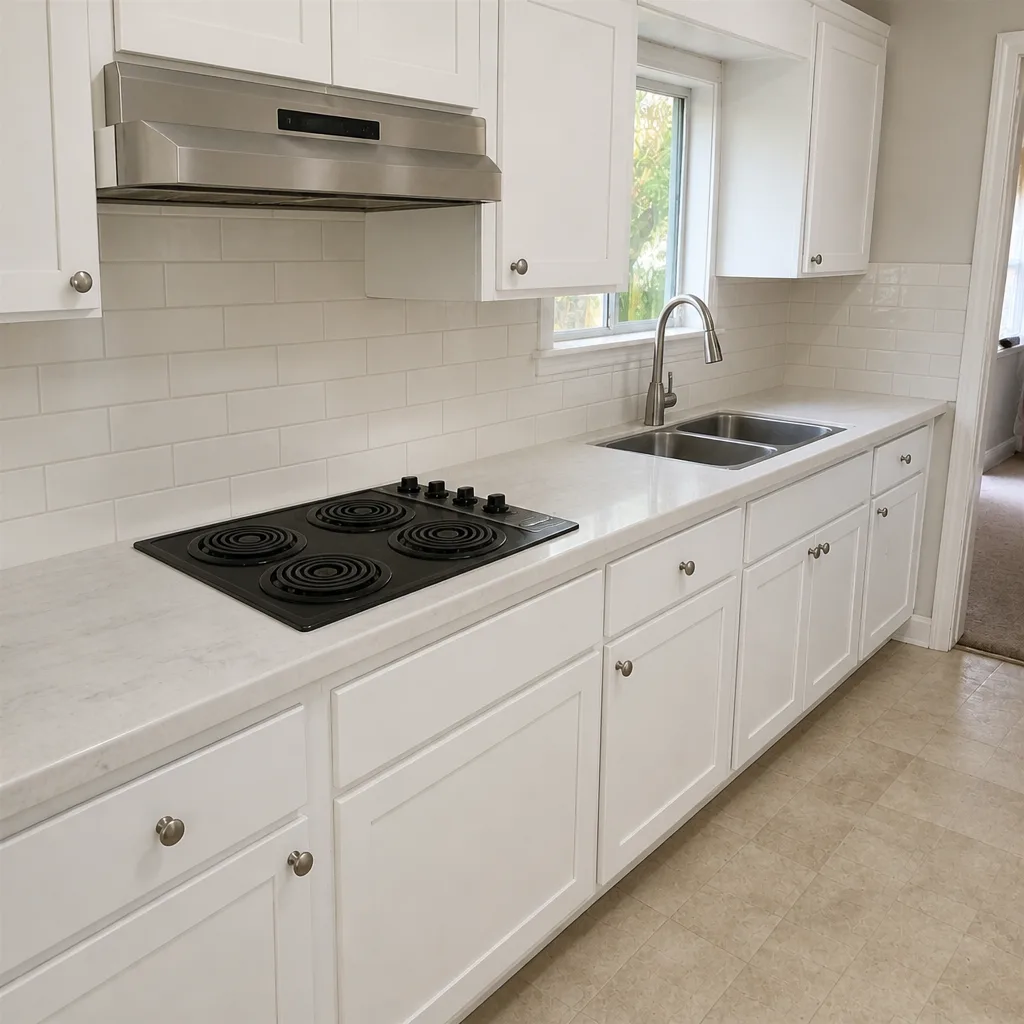 After
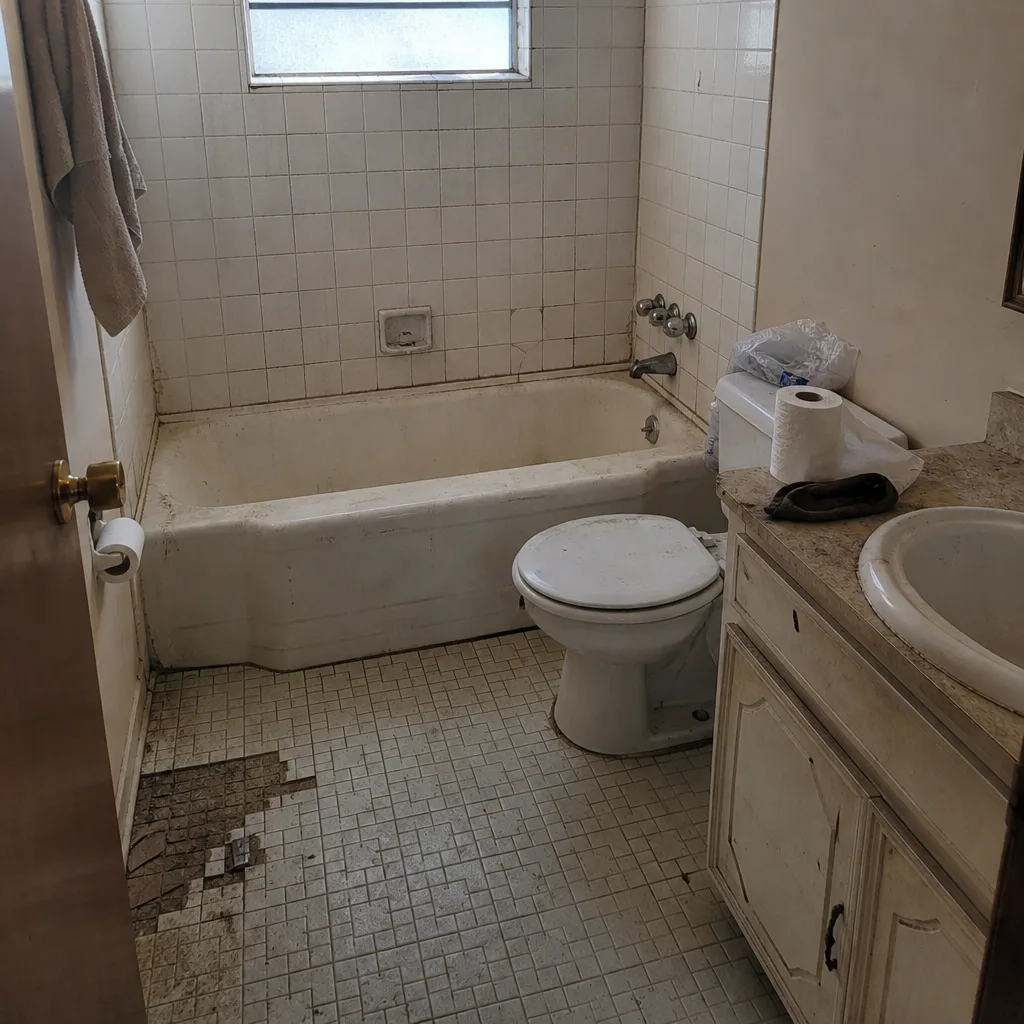 Before
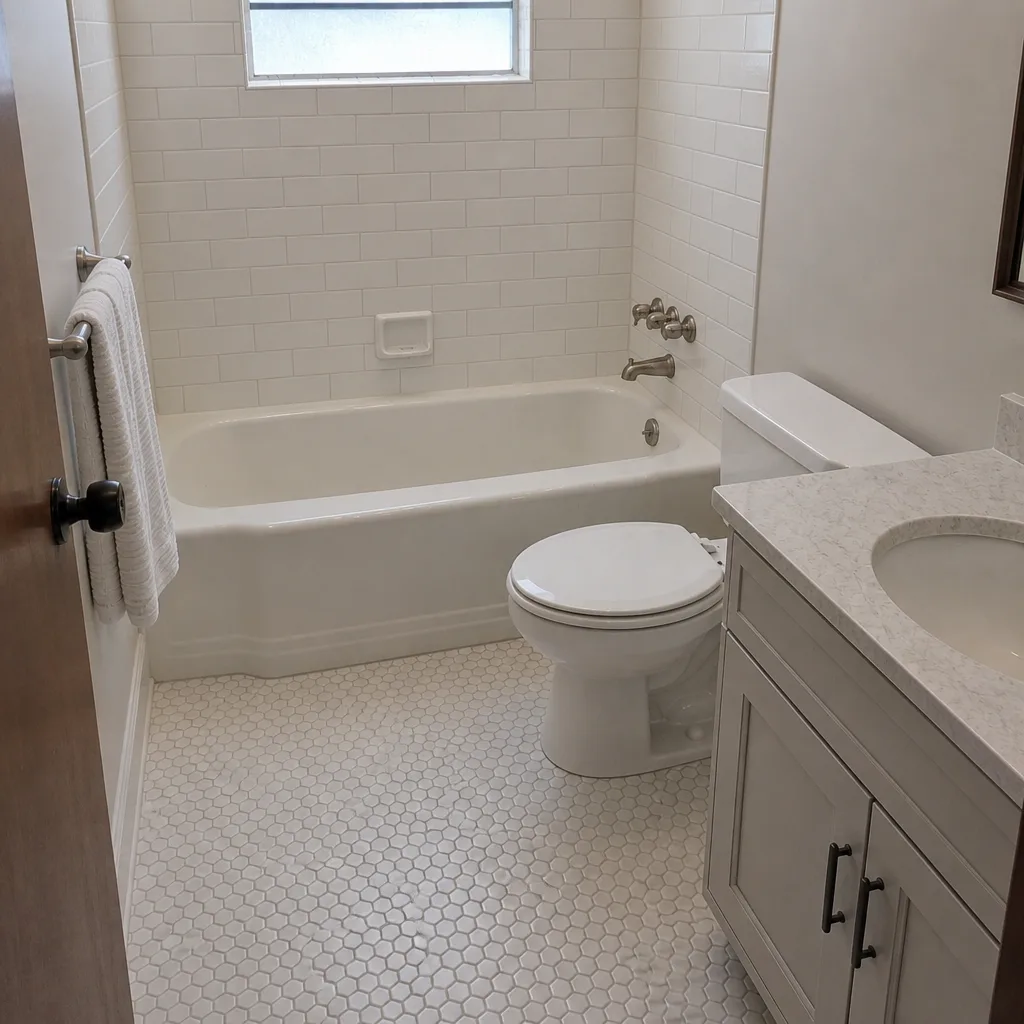 After
When to Call a Professional
Some work is fine to handle yourself: painting, fencing touch-ups, maybe a small pergola. But any project that touches structure, electrical, plumbing, gas, or roof access belongs with a licensed crew. That means anything on a steep roof, anything involving the panel, anything that moves a gas line, and any load-bearing wall or framing change. Beyond safety, the real issue is paperwork. A permitted, inspected job protects your home’s resale value and gives you a written warranty to point at. If you’ve gotten a bid and something in it feels off, or if you want a second read on scope before you commit, Barrett & Sons Construction Irving offers free estimates in Irving. Call (833) 991-4970 to schedule yours.
Frequently Asked Questions
Most Irving homes fall between $9,500 and $22,000 for a full roof replacement using hail-rated GAF or CertainTeed shingles, with the range driven by square footage, roof pitch, and how many layers need to be torn off. Irving’s hail zone means materials should be rated for impact, which can push cost higher than a national average. Call (833) 991-4970 for an exact quote, which is free.
DFW labor rates, strong demand for crews, and hail-rated material requirements all push Irving bids 15 to 25 percent above published national figures. The national average blends in markets with far less demand and less stringent weather requirements. A bid that matches the national average exactly is often missing scope. Call us for a written line-item quote you can compare.
Yes. Roof replacement requires a permit in Irving, and installation must pass inspection. Permits for roofing generally run in the $150 to $350 range depending on valuation. If a contractor tells you permits are optional on a roof replacement, that should end the conversation. Call (833) 991-4970 to talk through your project, estimates are free.
For a kitchen remodel in an older Irving home, 10 to 15 percent of the total budget is a reasonable contingency because surprises behind walls or under floors are common. On a newer home with known conditions, 5 to 10 percent can be enough. The key is that contingency is disclosed in writing, and unused funds return to you.
Any price change should arrive as a written change order before the work happens, with a specific dollar amount and a specific scope. A legitimate contractor will not present a surprise invoice at the end. If your contractor can’t explain their change order process clearly, that’s a warning sign. Call (833) 991-4970 for a written estimate and a clear process.
Timelines vary by project type. A typical roof replacement takes one to two days on site, a driveway install takes a few days including cure time, a bathroom remodel runs three to five weeks, and a kitchen remodel runs six to ten weeks depending on cabinet lead times. Additions and ADUs typically run three to six months. Get the schedule in writing before you start.
The Bottom Line
National cost averages are a starting reference, not a budget. In Irving, expect to run 15 to 25 percent higher on most projects because of DFW labor demand, hail-rated materials, and permit costs. Use the line-item ranges in this guide to build a real budget, add Irving permit fees, and include a clearly stated contingency of 10 to 15 percent on remodels. Then compare bids by scope, not by total. If you want a line-item estimate you can compare fairly, call (833) 991-4970. Barrett & Sons Construction Irving offers free, no-pressure estimates across Barrett & Sons Construction Irving home, and we’d be glad to sit down with your numbers.
Written by the team at Barrett & Sons Construction Irving.