Last updated November 18, 2026





Free written scope consultation - allowances, timeline, and change-order rules on paper before a single trade is scheduled
Fence Installation Maintenance Schedule: What to Do and When
The single maintenance step that extends a wood fence’s life more than any other costs nothing, takes about forty-five minutes, and almost nobody does it: tightening fasteners and re-driving the nails that have popped loose after a season of North Texas heat and soil movement. We’ve pulled boards off Irving fences that looked fine from the street and found the rails hanging by two nails. Wood fence maintenance in North Texas isn’t optional. Between intense UV, expanding clay soil, and the occasional ice storm, an unmaintained fence in Irving ages at roughly twice the rate of one in a milder climate. The homeowners who get twenty years out of cedar are the ones who put in about four hours of work per year. Here’s exactly what those four hours look like.
Quick Answer
In North Texas, a wood fence needs roughly four hours of maintenance per year, split into three seasonal visits: an inspection and fastener tightening in April after spring storms, a cleaning and re-stain in September before winter, and a structural check in January after any ice event. Skip those three windows and a cedar fence that should last 18 to 20 years in Irving will need replacing in 10 to 12.
Styles & brands we work with
- Kitchen remodeling
- Bathroom remodeling
- Home additions & ADU
- Roofing
- Windows & doors
- Driveway & pavers
- Fence
Table of Contents
- Why Irving Is Harder on Wood Fences Than Most Places
- April Checklist: What to Inspect After Spring Storms
- September: The Right Time to Clean, Stain, and Seal
- January: The Post-Ice-Event Structural Check
- Choosing Stain and Sealer for North Texas UV
- Post-Base Maintenance: Catching Rot Before It Reaches the Structure
- Gate Hardware: The Fastener Checks That Prevent Service Calls
- Documenting Your Fence With Annual Photos
Why Irving Is Harder on Wood Fences Than Most Places
Irving sits on the Blackland Prairie’s western edge, which means a lot of the soil under our fences is expansive clay. It swells when it’s wet and shrinks when it’s dry, and in a typical year it swings between those two states several times. Every one of those cycles shifts posts slightly. A post that was plumb on installation day can lean a quarter inch after two summers. That movement works nails loose, opens gaps at the joints, and lets water into places it shouldn’t be.
Layer on the summer UV. Irving gets long stretches of 100-degree days with brutal direct sun, and untreated cedar will gray out and start checking (those small cracks that run with the grain) within two or three seasons. Then add the ice events. The February 2021 freeze cracked fence boards all over Irving, and the ones that hadn’t been sealed failed first.
What that means in practice: a wood fence here needs a maintenance rhythm, not an occasional glance. We’ve watched homeowners in neighborhoods like Hackberry Creek and Las Colinas get two decades out of a cedar privacy fence because they stayed on a simple schedule. We’ve also watched fences in older parts of south Irving go from solid to sagging in under a decade because nobody touched them after installation.
The schedule below is the one we’d give a family member. No products pushed, no upsells. Just what to do, when to do it, and what to look for so you catch problems while they’re still cheap to fix.
April Checklist: What to Inspect After Spring Storms
April is the most important month on the calendar for an Irving fence. Spring storms roll through with hail and 50-mph gusts, and that’s when the damage from the winter shows up. This is your inspection visit. Budget about ninety minutes.
Walk the fence line with a notebook or your phone and work through these in order:
- Check for popped nails and loose fasteners. Run your hand along each rail where it meets the post and look for nail heads standing proud. If you can wiggle a board by hand, it needs fastening. This is the forty-five-minute task that matters most, and it’s why April comes first.
- Look for leaning or shifting posts. Stand at one end of the fence and sight down the line. Any post that’s visibly off-plumb has probably lost soil contact at the base. Mark it.
- Inspect the bottom six inches of every board. This is the rot zone. Poke the wood with a screwdriver. If it sinks in easily or the wood feels spongy, that board is finished and should be replaced with a matching cedar picket.
- Look for cracked or split boards from hail. Fresh splits show lighter wood inside. Cosmetic cracks in the grain are normal; splits that go through the board aren’t.
- Check gate operation. Does it swing freely? Does it latch? A gate that drags in April usually means a hinge has loosened or a post has shifted.
Anything you find in April is cheap and easy to fix. Anything you miss in April has all summer to get worse. That’s the whole logic of the schedule.
September: The Right Time to Clean, Stain, and Seal
September is when we clean and treat a fence in Irving. Not July, not October. The reasoning is simple: you want to apply a finish when the wood isn’t baking in 100-degree heat and you’re still six to eight weeks ahead of the first freeze. Stain applied in July on hot cedar dries too fast and doesn’t penetrate. Stain applied in November can be ruined by an early ice event before it fully cures.
Here’s the sequence:
- Clean the fence. Use a pump sprayer with a diluted oxygen-bleach cleaner (not chlorine bleach, which can damage the wood fibers). Let it sit ten minutes, then rinse with a garden hose and a soft brush. Let it dry 48 to 72 hours. Wood needs to be under about 15% moisture before you stain, and a moisture meter costs $30 at any hardware store in Irving.
- Replace any failed boards first. Staining over rot seals the moisture in. Fix it before you finish it.
- Apply a penetrating oil stain. Brushes and pump sprayers both work. Work in sections so you can back-brush before it sets.
- Seal the end grain. The tops and bottoms of pickets and every cut end on rails and posts should get a coat. End grain soaks up water six to ten times faster than the face of a board.
We’ve seen homeowners skip the September treatment for two years in a row and then wonder why their cedar looks like driftwood. The finish isn’t cosmetic; it’s the difference between a fence that sheds water and one that drinks it.
If you’re also planning hardscape work this fall, our team handles Driveway & Pavers in Irving on the same seasonal rhythm.
January: The Post-Ice-Event Structural Check
Any time Irving gets an ice event, walk your fence within a week of the thaw. Ice loads stress every joint in a fence, and wood that was already compromised will tell you right away. This is a 20-minute visit, not a full inspection.
Check three things:
- Do a sight-line check for new leaning. Ice that collects on fence rails puts hundreds of pounds of load on the posts. Look for any post that’s shifted since your April inspection.
- Look for popped boards. Ice wedges into gaps and pries boards loose when it expands. Re-nail them after the thaw while the wood is still slightly swollen; the fastener will hold tighter.
- Inspect the gate. Ice and freeze-thaw cycles are the number one killer of gate hinges. If the gate drags after an ice storm, tighten the hinge screws before the wood warps.
January is also the month to check for standing water at the base of posts. If irrigation from your yard is pooling at a post, fix the grading. Rot in a post starts at the soil line and works its way up, so a wet post in January is a post that will need replacing by summer.
Choosing Stain and Sealer for North Texas UV
The biggest mistake we see in Irving isn’t skipping the stain; it’s buying the wrong one. Cheap big-box sealers fail in about eighteen months here. A quality penetrating oil finish lasts four years. The math makes the cheap option cost more than double.
What matters for North Texas UV exposure:
- Penetrating oil over film-forming sealer. Film-forming (polyurethane-style) sealers crack and peel under our UV load and are a bear to remove. Penetrating oils soak into the wood and let it breathe. Look for a linseed or tung-oil base with added UV blockers.
- Pigment matters. A tinted stain with actual pigment blocks UV better than a clear sealer. If you want to keep the natural cedar color, use a light-transparent tint rather than a fully clear product.
- Expect reapplication every 3 to 4 years. Any product that promises seven years in Irving sun is selling you something. Plan to re-treat on a 3-to-4-year cycle and your fence will hit the 18-to-20-year mark.
- Avoid paint on cedar. Paint traps moisture against the wood, and in a climate with as much moisture movement as ours, it starts peeling within a few years. Stain, don’t paint.
For the gate and any decorative hardware on the fence, brands like Therma-Tru and Barrette make components that stand up to the same conditions – worth looking at if you’re replacing pieces or adding a gate to an existing fence line. Our crew installs to the same quality bar across all the trades we run, from Fence Installation in Irving to windows and doors.
Post-Base Maintenance: Catching Rot Before It Reaches the Structure
Every post on your fence has a soil-contact zone – the bottom 8 to 12 inches – and that’s where rot starts. The structural part of the post (the section above ground that holds the rails) is fine as long as the bottom is sound. Once the rot reaches the rails, you’re looking at full post replacement instead of a spot repair.
Here’s the annual post-base inspection, done once in April:
- Clear soil and mulch away from the base of each post with your hands or a trowel, down to the actual soil line. You can’t inspect what you can’t see.
- Poke the base with a screwdriver, all four sides, at the soil line and two inches below it. If the driver sinks in with light pressure, the post is failing.
- Look for dark wood or white fungal growth. Both mean moisture has been sitting there long enough to start decay.
- Check for evidence of termites. North Texas has active subterranean termite pressure. Look for mud tubes running up the post or hollow-sounding wood when you tap it.
- Re-grade or re-seal as needed. Add soil if the base is washing out. Apply an end-grain sealant to the exposed top of the post if it’s open.
If you catch rot at the soil line while the post is still structurally sound above, you can often save the post with a copper-based wood preservative and a better drainage bed. If you wait two years, you’re replacing posts. The difference is about 15 minutes per post per year.
Gate Hardware: The Fastener Checks That Prevent Service Calls
Gates fail more often than anything else on a fence, and almost every failure starts with a loose hinge screw or a dry latch. Ten minutes in April and ten minutes in September will save you the service call.
What to do:
- Lubricate hinges twice a year. A dry lubricant (silicone or PTFE-based) works better than oil in Irving’s dust and pollen environment because it doesn’t attract grit. Oil picks up grit and grinds the hinge pin.
- Check every hinge screw. Grab the gate and try to lift it in the hinge. If there’s vertical play, tighten the screws. If a screw won’t hold, replace it with a longer one going into fresh wood.
- Lubricate the latch mechanism. Same dry lubricant, twice a year. Latches seize over the winter when moisture gets inside the mechanism and freezes.
- Check the gate’s drop and swing clearance. A gate that’s dragging at the ground is telling you one of two things: the hinge has loosened, or the post has started to lean. Fix it in April before it becomes a real problem.
- Check the diagonal brace on wood gates. That brace carries the gate’s weight, and it’s the first piece to fail when a gate sags. If it’s loose, tighten or re-fasten it and the gate will stay square for years.
A gate failure always happens on the holiday weekend when you need it most. Ten minutes of lubrication in April is cheap insurance.
Documenting Your Fence With Annual Photos
Take fifteen photos of your fence every April and save them to a dedicated folder in your phone. Every panel, every post base, every gate hinge, and the soil line. It takes five minutes and it pays off in two situations:
If you ever make a warranty claim. Whether the claim is against the builder, the stain manufacturer, or the materials, photos with timestamps are the difference between “we can’t verify that” and “here’s the exact condition on the date of installation.”
If you file a homeowners insurance claim after a storm. Adjusters love dated documentation. If a hail event in Irving cracks forty boards and you can show the fence was in perfect condition the month before, you have a much cleaner claim.
Save the folder as “Fence – Irving – Year” and note the date of your last stain application. You’ll reference it three or four years from now when you’re trying to remember whether you’re due for another treatment.
For households thinking about a new fence or a bigger project this year, the same documentation discipline applies to Home Additions & ADU in Irving and to any structural work around the property.
Common Mistakes to Avoid
- Staining without cleaning first. Stain applied over dirt, pollen, or mildew will fail within one season. Clean, dry, then stain.
- Using a pressure washer on cedar. A pressure washer will gouge the wood fibers and leave it looking fuzzy, and it opens the grain to moisture. A garden hose and a soft brush do the job.
- Using chlorine bleach as a cleaner. It damages wood fibers and can bleach the color out of the boards permanently. Oxygen-bleach cleaners are the right tool.
- Skipping the bottom-six-inches check. Rot at the soil line is the number one cause of full fence replacement in Irving. If you only inspect the parts you see from the yard, you miss the part that fails first.
- Painting cedar instead of staining. Paint traps moisture and peels. Stain penetrates and breathes. In a climate with this much wet/dry cycling, stain is the only finish worth putting on cedar.
- Ignoring gate drag. A gate that drags doesn’t fix itself. It gets worse, and what was a $40 hinge and screw job becomes a post replacement.
- Trusting a “seven-year sealer.” No sealer lasts seven years in Irving sun. Plan on re-treating every three to four years and your fence will hold up to twenty.
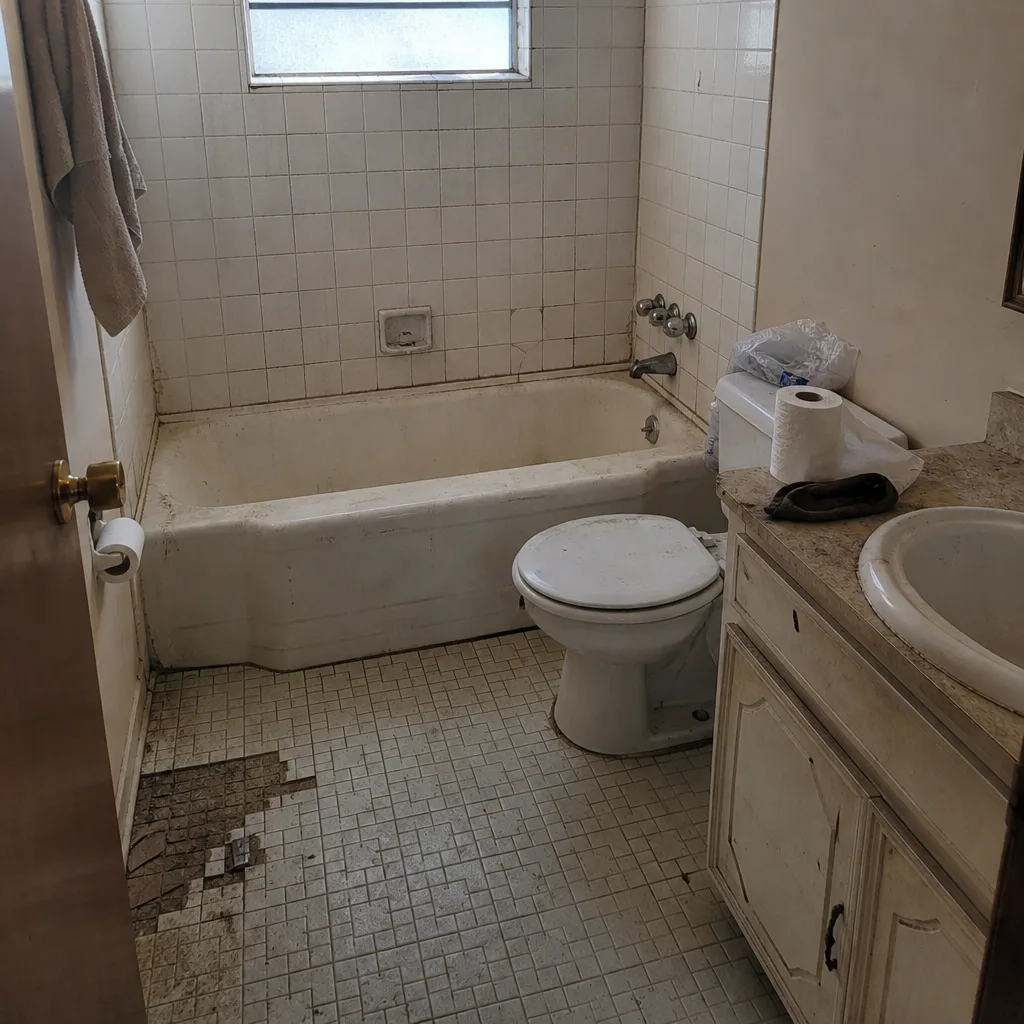
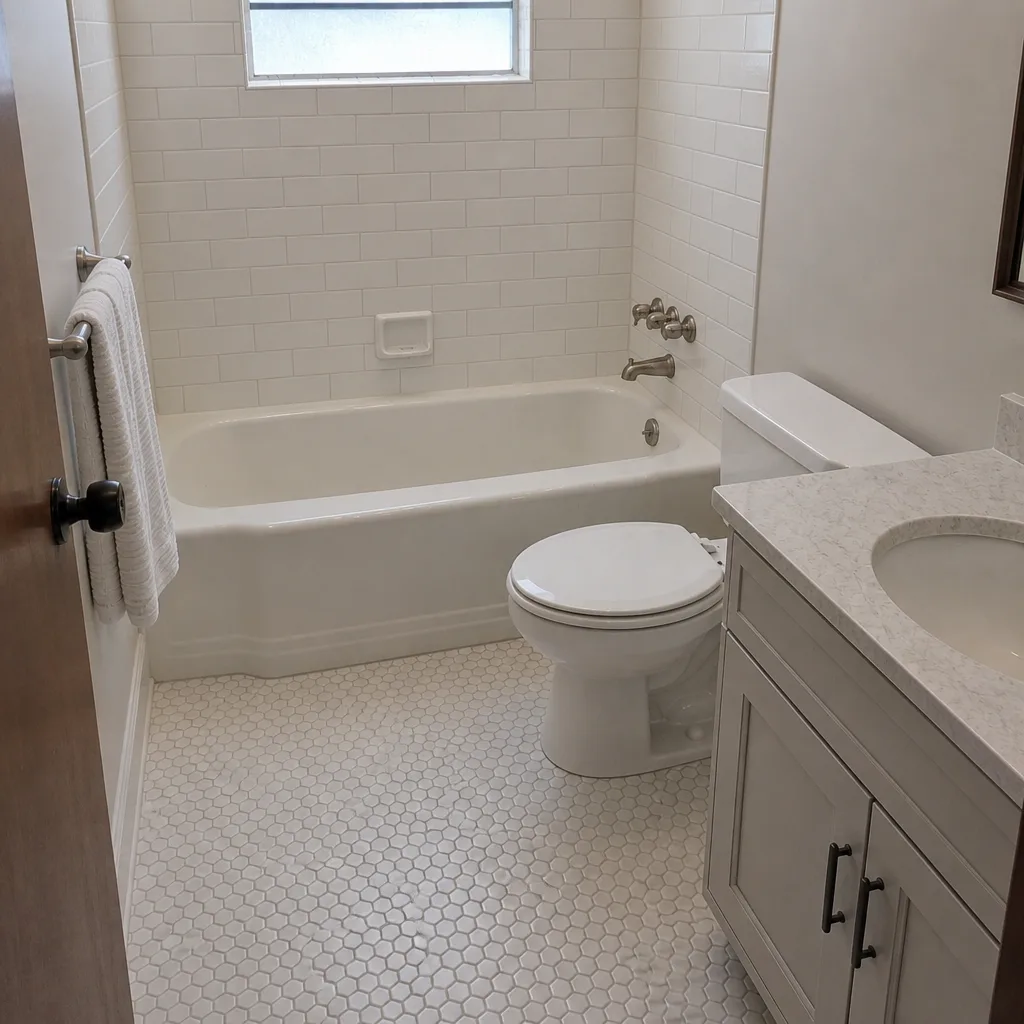
See the difference
 Before
 After
 Before
 After
 Before
 After
When to Call a Professional
Most of this schedule is homeowner work, and honestly, most of it should be. But certain issues call for a professional before they get expensive.
Call us if a post base is rotted through to the structural section, if half a fence line has shifted after an ice event, if you’ve got termite activity at multiple posts, or if you need a full fence replacement or a significant repair. Post replacement requires setting a new post in concrete with the right depth and footing for our clay soil, and that’s a job we’d rather see done right the first time. If you’re not sure whether your fence has crossed the line from homeowner fix to professional repair, we’ll swing by for a free estimate and tell you honestly which category you’re in. Barrett & Sons Construction Irving offers free estimates in Irving – call (833) 991-4970.
Frequently Asked Questions
Every 3 to 4 years with a quality penetrating oil stain. Cheap film-forming sealers will fail in eighteen months in Irving’s UV, so the money you save on a cheap product gets spent twice on reapplication. If your fence is cedar and you want the natural color, a clear or light-tint penetrating oil every three years is the right answer.
September, for the stain and seal application. April is the best month for the inspection and fastener tightening. January is for the post-ice-event check. If you can only do one maintenance visit per year, choose September – the fall finish protects the fence through the winter and spring.
No, not necessarily. Graying is UV damage to the surface fibers, and as long as the wood underneath is still sound, it can be cleaned and re-stained. Use an oxygen-bleach cleaner, then evaluate the wood after it dries. If it’s still solid, a good penetrating oil stain will bring back most of the color and protect it for another three to four years.
Not without removing all the paint first, and even then the wood may not take stain evenly. Paint soaks paint. Stain soaks wood. If you’re inheriting a painted fence, plan to either keep painting it or eventually replace the fence boards. Call (833) 991-4970 if you want us to look at it and tell you whether saving it is worth the work.
Nine times out of ten, a dragging gate has a loosened hinge or a post that has shifted. Check the hinge screws first – if they’ll tighten without spinning, that’s your fix. If the post has leaned, you’re looking at a post repair rather than a hinge adjustment. The good news is that a dragging gate caught early is a ten-minute fix.
It depends on which parts are failing. If the pickets and rails are still solid and only a couple of posts are rotted, spot repairs will keep the fence going for years. If more than a third of the posts are failing or half the pickets are cracked, replacement usually costs less than the repairs would over the next five years. For a comparison of what a new build looks like against the repair cost, our guide to Fence Installation in Irving walks through the numbers.
The Bottom Line
Wood fence maintenance in North Texas comes down to about four hours a year, split across three visits. Tighten fasteners and inspect in April. Clean, stain, and seal in September. Do a quick structural check after any ice event in January. Document the fence with photos every spring so you have a baseline for any warranty or insurance conversation. Skip the cheap sealers, use a quality penetrating oil, and stay on the three-to-four-year re-stain cycle. Do that and a cedar fence that would otherwise fail in ten to twelve years in Irving will hold up for eighteen to twenty. The math is simple, and the work isn’t hard. It just has to actually happen.
For fence work beyond maintenance – a new install, a major repair, or a full replacement – our crew would be glad to look at it. We handle fence work the same way we handle everything else: scope in writing, permits pulled, and a written change order before any price moves. Our technicians have up to 28 years of experience, and every completed job is backed by our 90-Day Done Right Promise. If you’re comparing bids or just want a second opinion on a written estimate, that’s a free service we offer. Call (833) 991-4970 for a free estimate, or start with our Barrett & Sons Construction Irving home page to see what we cover.
Written by the team at Barrett & Sons Construction Irving.