Last updated November 18, 2026



Free written scope consultation - allowances, timeline, and change-order rules on paper before a single trade is scheduled
How Long Does Driveway & Pavers Take? Timelines and What to Expect
A driveway that takes a crew three days to install can still turn into a six-week project. We’ve watched homeowners in Irving get a quote that says “3 to 4 days,” sign it, clear their calendar around it, and then feel surprised when the driveway still isn’t ready to park on a month later. The installation itself is the shortest part of the calendar. The gap between “installation days” and “project days” is where most of the frustration you’ve heard about actually lives. This guide lays out the whole timeline from first phone call to final seal – the permits, the material lead times, the weather holds, the cure time, and the parts of the schedule that happen when no one’s even on site.
Quick Answer
A standard driveway paver project runs 2 to 6 weeks from signed contract to final seal, depending on permit timing, material lead times, and weather. The actual paver installation usually takes 2 to 4 days on a residential driveway. The base prep, compaction, cure period, and finishing work are what stretch the calendar out – and skipping any of them is how a driveway fails in its first year.
Styles & brands we work with
- Kitchen remodeling
- Bathroom remodeling
- Home additions & ADU
- Roofing
- Windows & doors
- Driveway & pavers
- Fence
Table of Contents
- The Full Irving Project Calendar, Start to Finish
- Why Base Work Often Takes Longer Than Laying Pavers
- The Cure and Settling Period Before You Park On It
- What Shifts Your Timeline: Size, Access, and Soil
- Permits and Irving Development Services
- Material Lead Times for Premium Pavers
- Red Flags in a Contractor’s Timeline Estimate
- Frequently Asked Questions
The Full Irving Project Calendar, Start to Finish
Here’s what a realistic schedule looks like for a residential driveway paver project in Irving. These phases don’t always run back-to-back, and that’s normal. The small gaps between them are part of the real calendar.
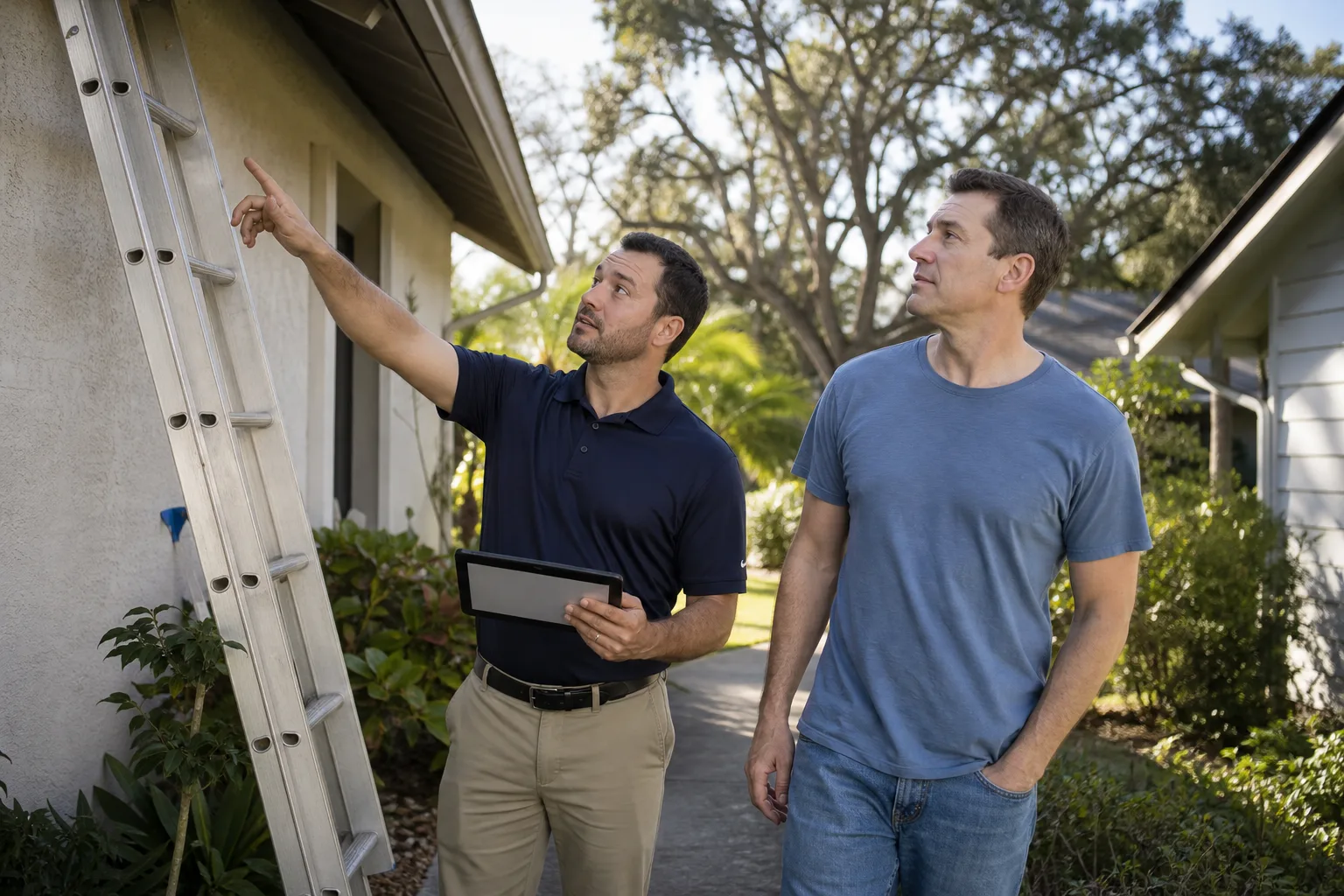
- Initial estimate and design (2 to 5 days). Free estimate, measurements, paver selection, and a written scope with allowances spelled out. If a quote arrives without a written material allowance, ask for one before you sign.
- Permit application (1 to 3 weeks). Driveway work in Irving often touches right-of-way, drainage, and grading rules. Your contractor should pull the permit and schedule the inspection. A contractor who tells you permits are optional for driveway work is telling you something about how they operate.
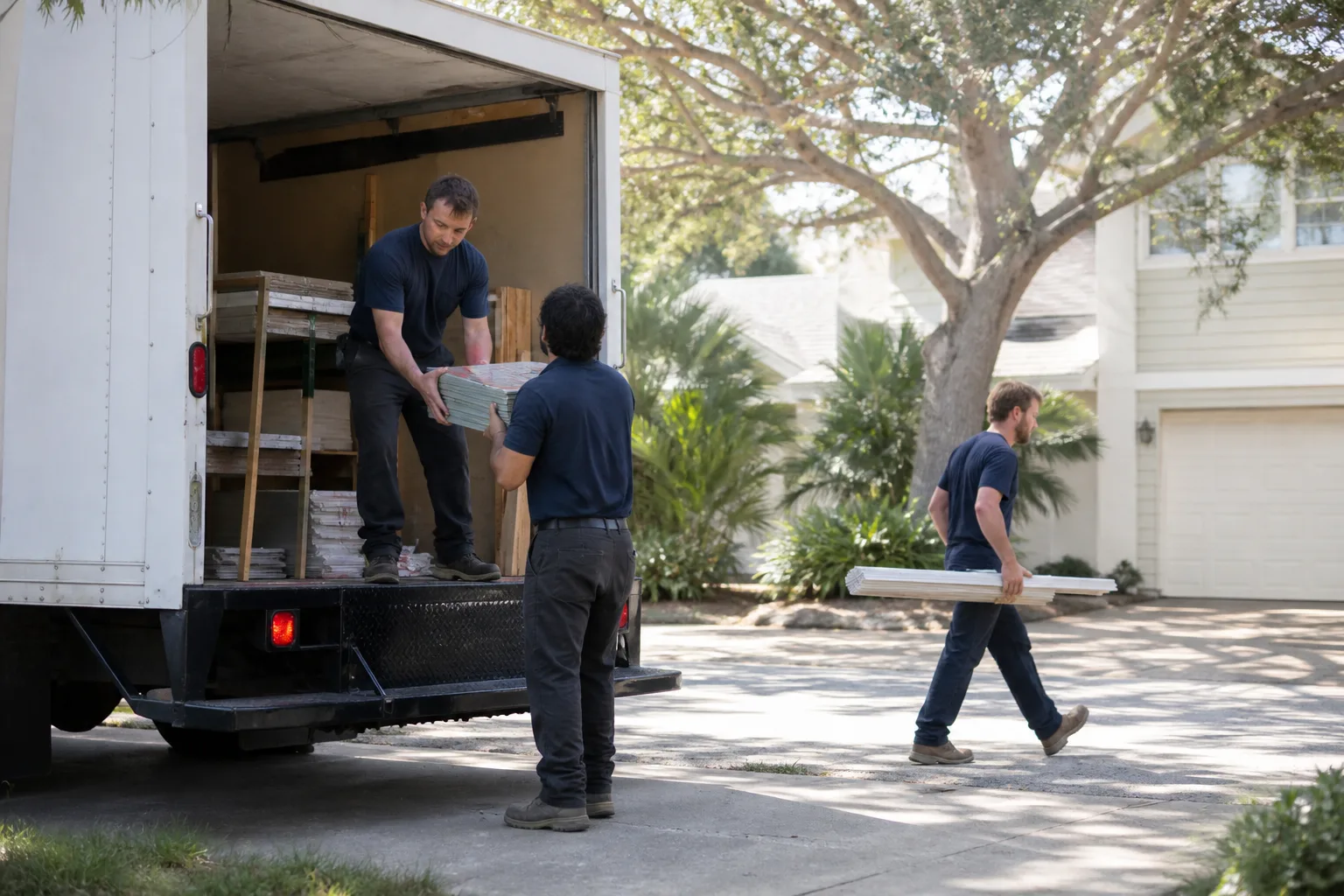
- Material order and delivery (1 to 3 weeks). Belgard, Techo-Bloc, and similar premium lines aren’t sitting in every supplier’s yard. Specialty colors and textures add lead time. Ask the contractor to give you the estimated delivery date in writing.
- Demo and excavation (1 to 2 days). Removing the old surface, hauling off debris, and roughing out the subgrade.
- Base prep and compaction (2 to 4 days). Native soil stabilization, crushed stone base, and layer-by-layer compaction. More on this below.
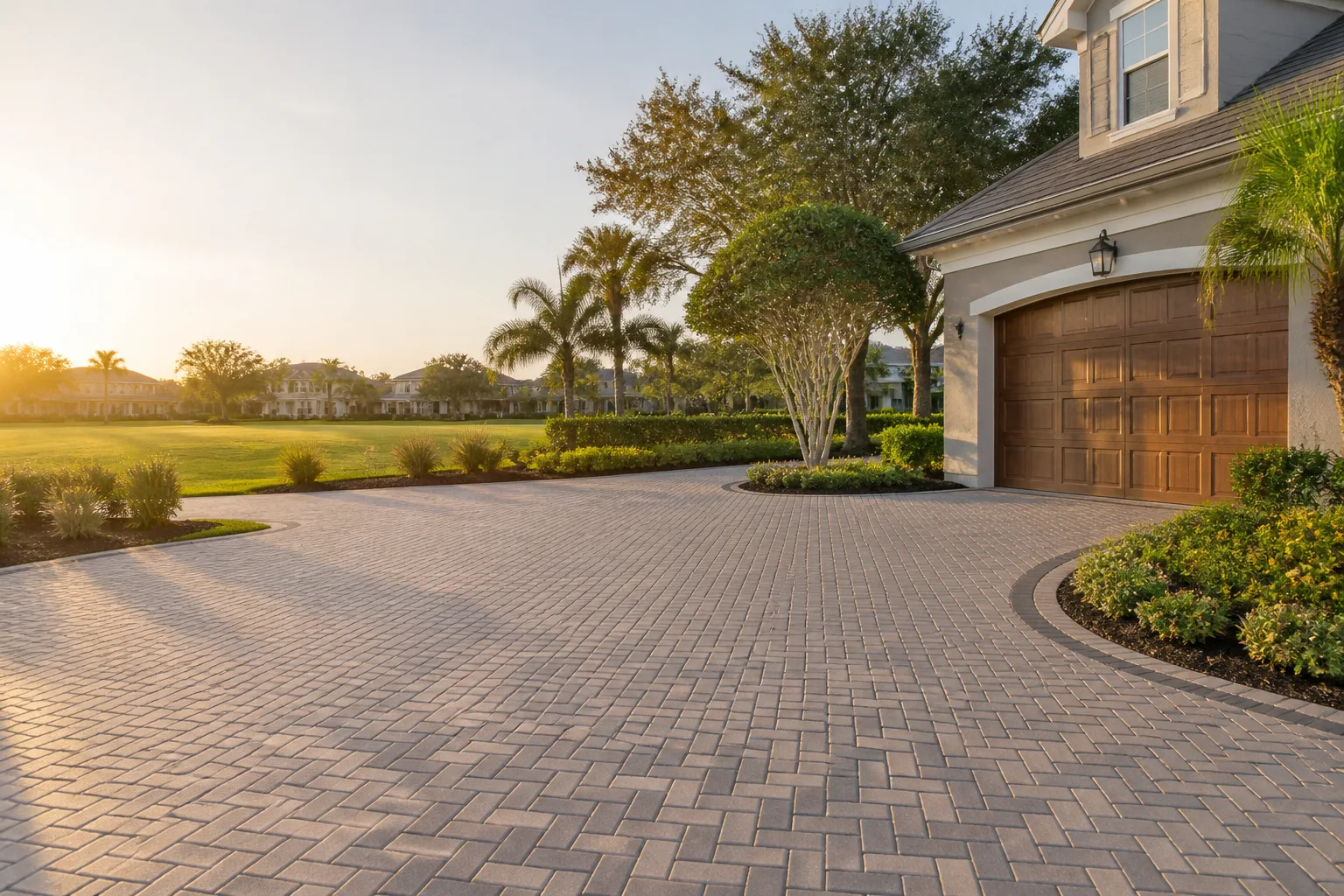
- Paver installation and edge restraint (2 to 4 days). Laying, cutting, setting the edge, and sweeping in joint sand.
- Cure and settling (at least 7 days, sometimes more). The new surface needs to settle and the joint sand needs to lock in before heavy vehicles go back on it.
- Final sealing (typically 30 to 90 days after installation). Sealing happens after the pavers have fully cured and settled – never the same day they’re laid.
Total calendar: 2 to 6 weeks for most Irving driveways. Larger driveways, complex patterns, or jobs that need drainage rework push toward the longer end. If you’re planning other exterior work, the crew can sometimes sequence it with fence installation or home additions in the same window – worth asking about if you have several projects lined up.
Why Base Work Often Takes Longer Than Laying Pavers
Homeowners tend to think of the paving part as the “real work” and everything before it as prep. It’s the other way around. The base is where a driveway succeeds or fails, and it’s where a crew spends the most labor hours per square foot.
During those base days, your crew is doing compacted lifts – spreading crushed stone in layers, wetting it, and running a plate compactor over each layer. A typical residential driveway base might go down in three or four lifts, each compacted before the next is spread. That’s a lot of lifting and checking. It also means the crew is verifying slope and drainage, bringing the base to within a quarter inch of final grade, and making sure water sheds away from the house and toward the street or a drainage point.
What a crew is actually doing on base days
- Marking out the excavation limits and depth to match the paver thickness plus base thickness.
- Removing unsuitable soil – the local blackland clay in parts of Irving holds water, and if a crew doesn’t cut it out and replace it with base material, the driveway will heave the following spring.
- Setting and compacting the crushed stone base in lifts, not all at once.
- Checking slope and drainage so water doesn’t pool against the foundation or in seams.
- Installing edge restraints that will keep the pavers from spreading once traffic starts.
If a crew seems to sit on the base step for three or four days, don’t assume they’re stalling. They’re doing the part that decides whether the driveway is still flat and tight in five years.
The Cure and Settling Period Before You Park On It
Pavers don’t “dry” the way concrete cures, but the assembly – pavers, joint sand, and base – still needs time to settle before it’s ready for vehicle traffic. The general rule:
- Foot traffic: usually safe after the crew’s final sweep, same day or next day.
- Light-duty vehicles: 7 days minimum, more in hot weather or after rain.
- Heavy vehicles and full-time parking: 14 days is the safer number, especially for the first month.
- Sealing: wait at least 30 days after installation, ideally 60 to 90, so the pavers aren’t trapped with residual moisture.
What can damage a new installation in the first 72 hours
This is where the real risks live. A crew that rushes off-site without walking the homeowner through this is setting the driveway up for callback work.
- Driving vehicles on before the joint sand has had time to lock in – the pavers shift and the joints open up.
- Hosing the driveway down aggressively. Light misting is sometimes recommended, but a hard spray displaces the sand.
- Parking a heavy truck, trailer, or delivery van on it in the first week. A UPS truck on day three is a bad day for a new driveway.
- Sprinkler overspray or a downspout dumping directly onto a fresh joint line before it’s consolidated.
- Pressure washing, which strips the joint sand if done too soon.
If you have a delivery scheduled in the first week, ask the contractor about sequencing so it lands before the surface goes in or gets pushed back. A small planning call now saves a big fix later.
What Shifts Your Timeline: Size, Access, and Soil
A 400 square foot driveway and an 800 square foot driveway are not twice as long. They share the same setup, the same permit, the same crew mobilization, and often the same delivery window. That fixed overhead is why the relationship between size and time is curved, not linear.
- Project size. Small driveways (under 500 sq ft): 2 to 3 installation days. Mid-size (500 to 900 sq ft): 3 to 4 days. Larger (900 to 1,500 sq ft): 4 to 5 days, plus a longer base phase.
- Site access. A driveway that a dump truck and skid steer can pull into is faster than one where material has to be wheelbarrowed 100 feet through a side gate. Narrow lots, tight turns, low tree branches, or a fence that has to come out first all add time. Fence installation in Irving often comes up because the old fence needs to come down before the crew can get equipment around to the back of the lot.
- Soil conditions. Sandy, well-draining soil firms up fast. Heavy clay that stays wet after rain, common in parts of Irving and the surrounding county, needs more excavation and more base depth to stabilize. That alone can add 1 to 3 days.
- Drainage rework. If the existing driveway dumps water toward the garage or a neighbor’s property, drainage corrections add days and sometimes a second permit check.
- Paver pattern and thickness. Simple running bonds go down fast. Herringbone, basketweave, and cut-to-fit patterns take longer per square foot.
A good contractor accounts for these before the job starts and gives you a range, not a single number. If you’ve been quoted “3 days, guaranteed,” ask which parts of the schedule that number excludes.
Permits and Irving Development Services
Driveway work isn’t always permitted the same way as a full house project, but in most residential cases it does touch permits or at least the grading and right-of-way rules that a city inspector signs off on. Irving Development Services handles those reviews, and the timeline varies with review load.
What to plan for
- Permit application to issuance: often 1 to 3 weeks for a residential driveway, longer if the project needs grading or drainage plan review.
- Inspection scheduling: base inspection before pavers, final inspection after.
- Contractor responsibility: the contractor pulls the permit and calls for the inspection. The homeowner’s job is to confirm it’s happening.
If a contractor tells you “we don’t bother with permits for a driveway,” ask to see one of their recent projects and its inspection record. The permit inspector works for you, not for us – that’s why we schedule inspections on every eligible job and put them in the scope in writing. Skipping the permit step saves a week at signing and often costs a month at resale.
Material Lead Times for Premium Pavers
The paver you fall in love with in a showroom may not be on a truck tomorrow. Premium paver brands like Belgard and Techo-Bloc run production schedules and colors and textures regularly back-ordered in peak season. Lead times vary widely:
- Stock colors and standard formats: often in stock at a supplier, 3 to 5 business days for delivery.
- Specialty colors or premium textures: 1 to 3 weeks, sometimes more in spring and early summer.
- Custom or large-format pavers: 2 to 5 weeks.
Add all of that on top of the permit window. On a typical Irving project, materials and permits run in parallel – the contractor applies for the permit while the paver order processes – which is why the “2 to 6 weeks” range feels generous on the short end and tight on the long end.
One honest note: unless a homeowner asks, most contractors never mention lead time. This is where the surprise usually comes from, not the install. Ask the contractor to put the expected delivery date on the estimate. A short waiting window is fine. A missing one means nobody’s watching it.
Red Flags in a Contractor’s Timeline Estimate
You don’t need to be a trade expert to spot a timeline that’s going to slip. A few signs to watch for:
- “We can start this week.” A legitimate paver crew is usually booked 2 to 4 weeks out during the season, and permitting alone eats a week or more. A same-week start often means the crew is skipping the permit step or the material hasn’t actually been ordered.
- “Permits aren’t needed for a driveway.” In most Irving residential cases, that’s not true – and even when it’s technically not required, inspections on grading and drainage still matter. Ask for it in writing.
- “We’ll seal it the same day we finish laying.” This is the clearest sign the crew is skipping the cure window. Sealing too soon traps moisture and leaves the surface hazy or cloudy. Sealing 30 to 90 days after installation is the standard.
- No written material allowance. If the contract says “premium pavers” without naming the line, size, or allowance amount, you’ll get the cheapest version or a mid-project change order. An allowance that isn’t on paper is a surprise waiting for a date.
- No base prep line item. If the estimate only mentions paver square footage, excavation, and hauling, the base is being wing-walked. That’s the part that determines whether the driveway holds up.
- A price that changes at the door. Any change in scope, material, or timeline should arrive as a written change order before the work happens.
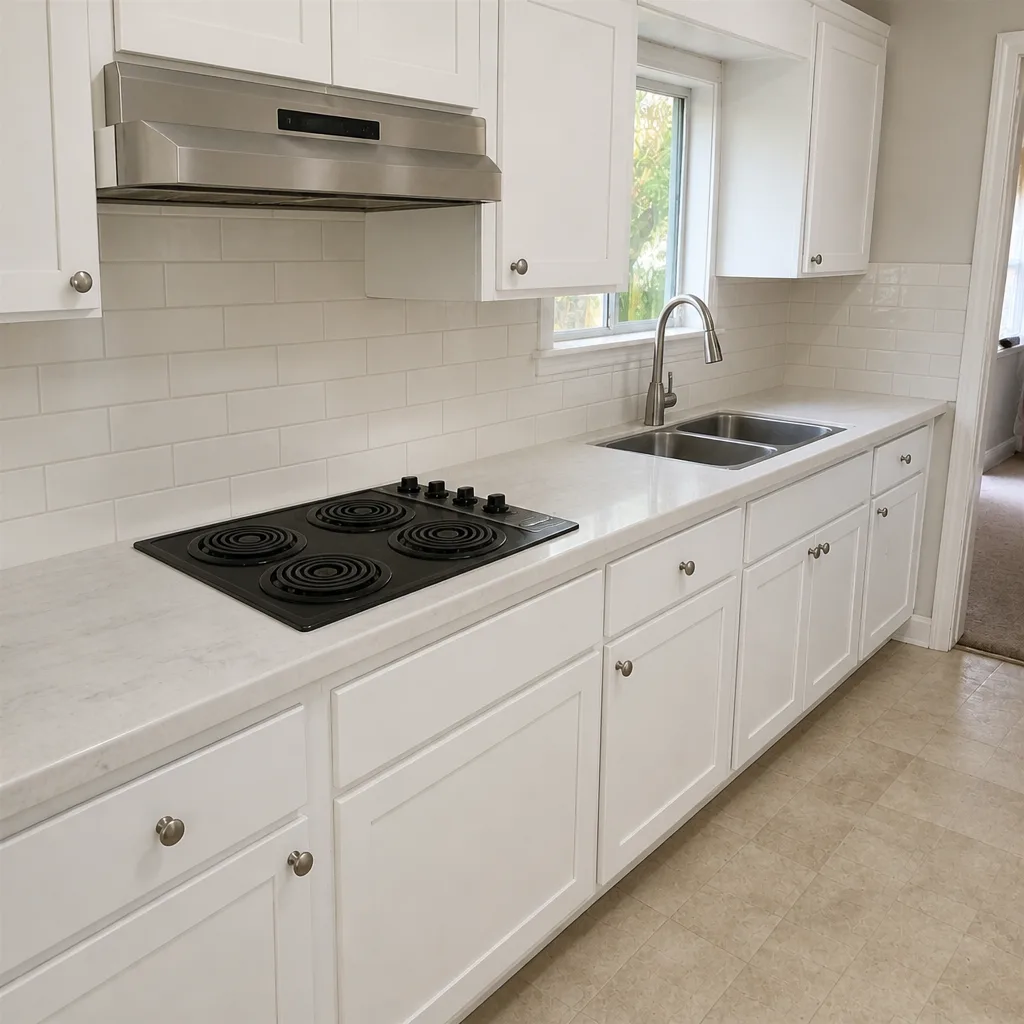
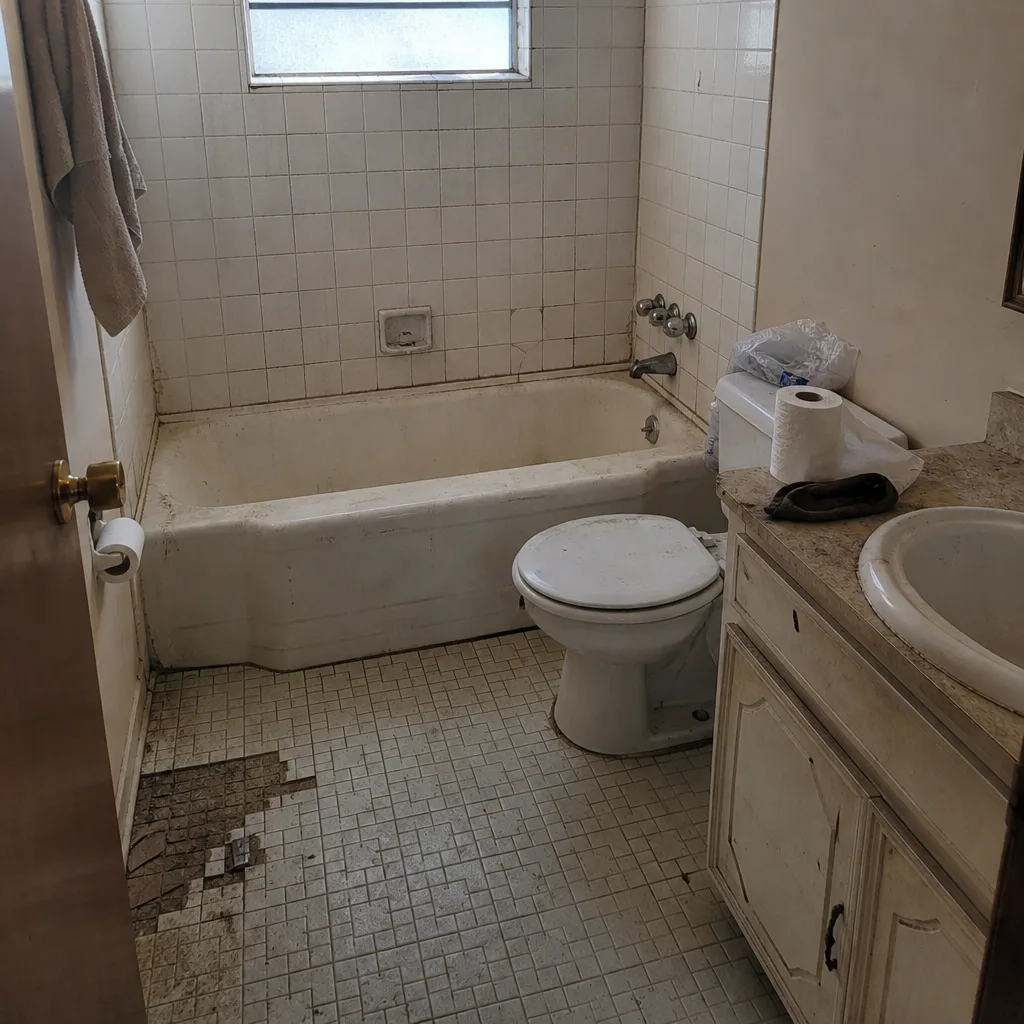
See the difference
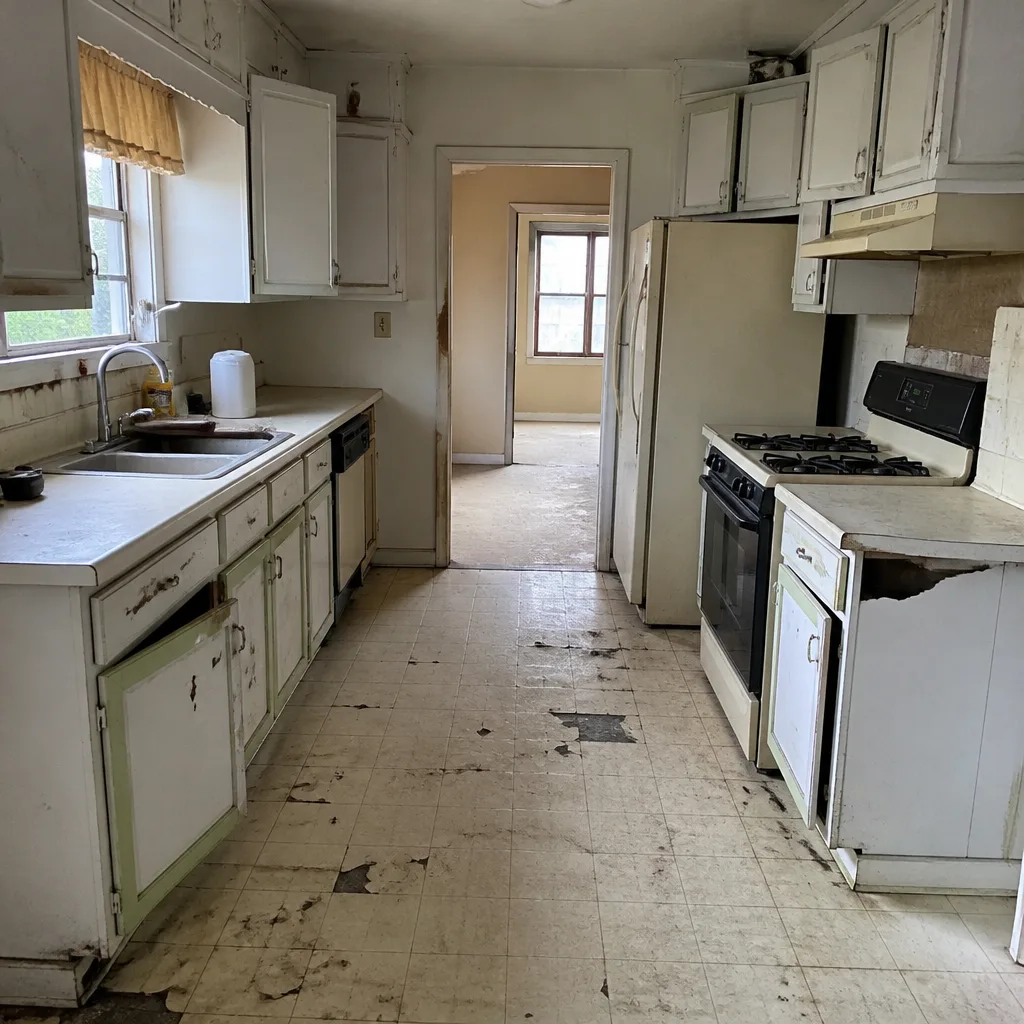 Before
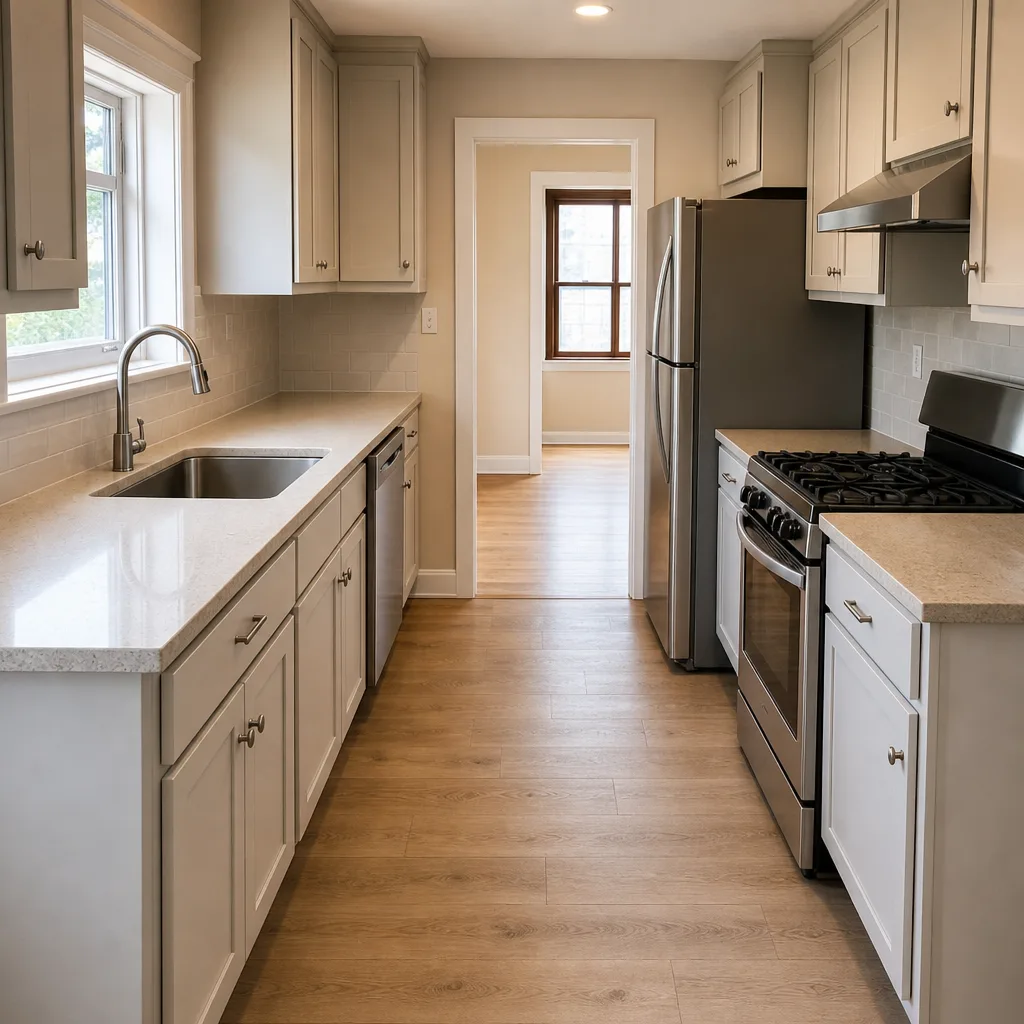 After
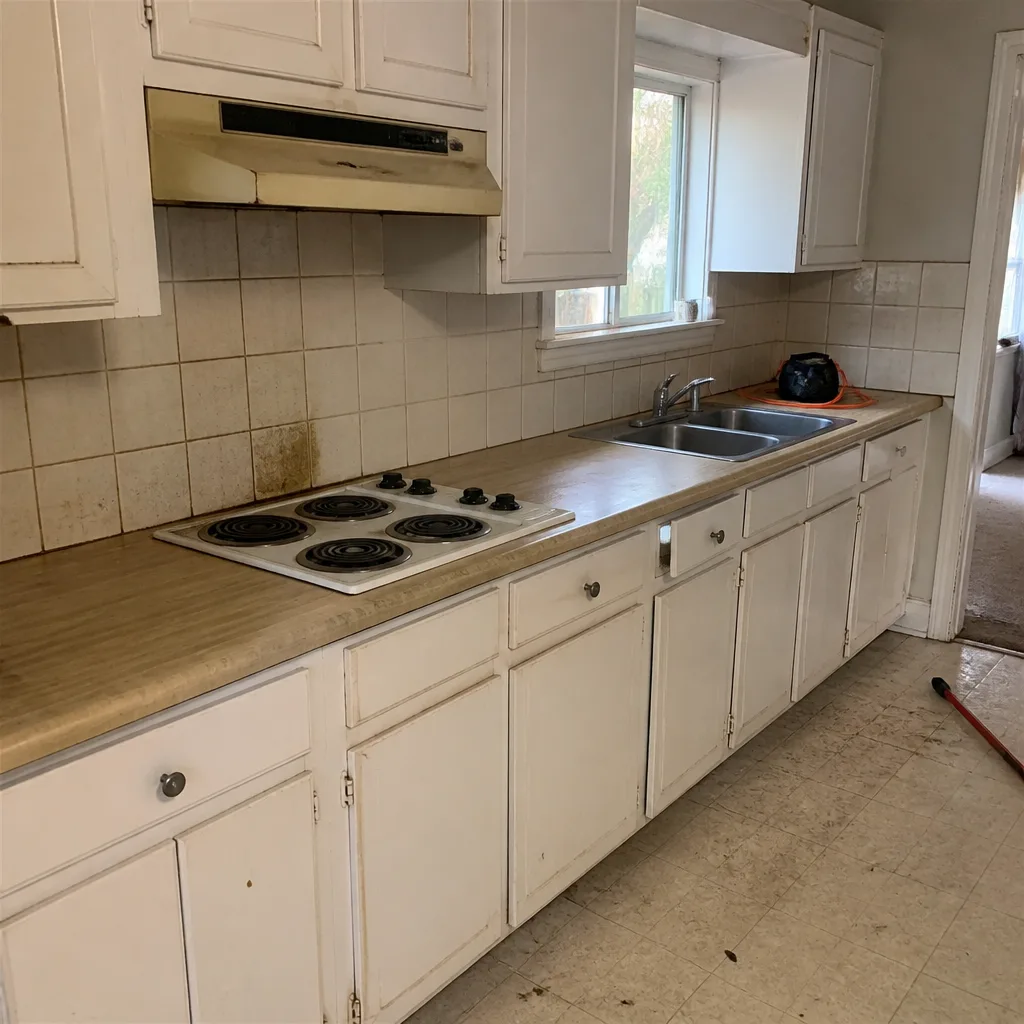 Before
 After
 Before
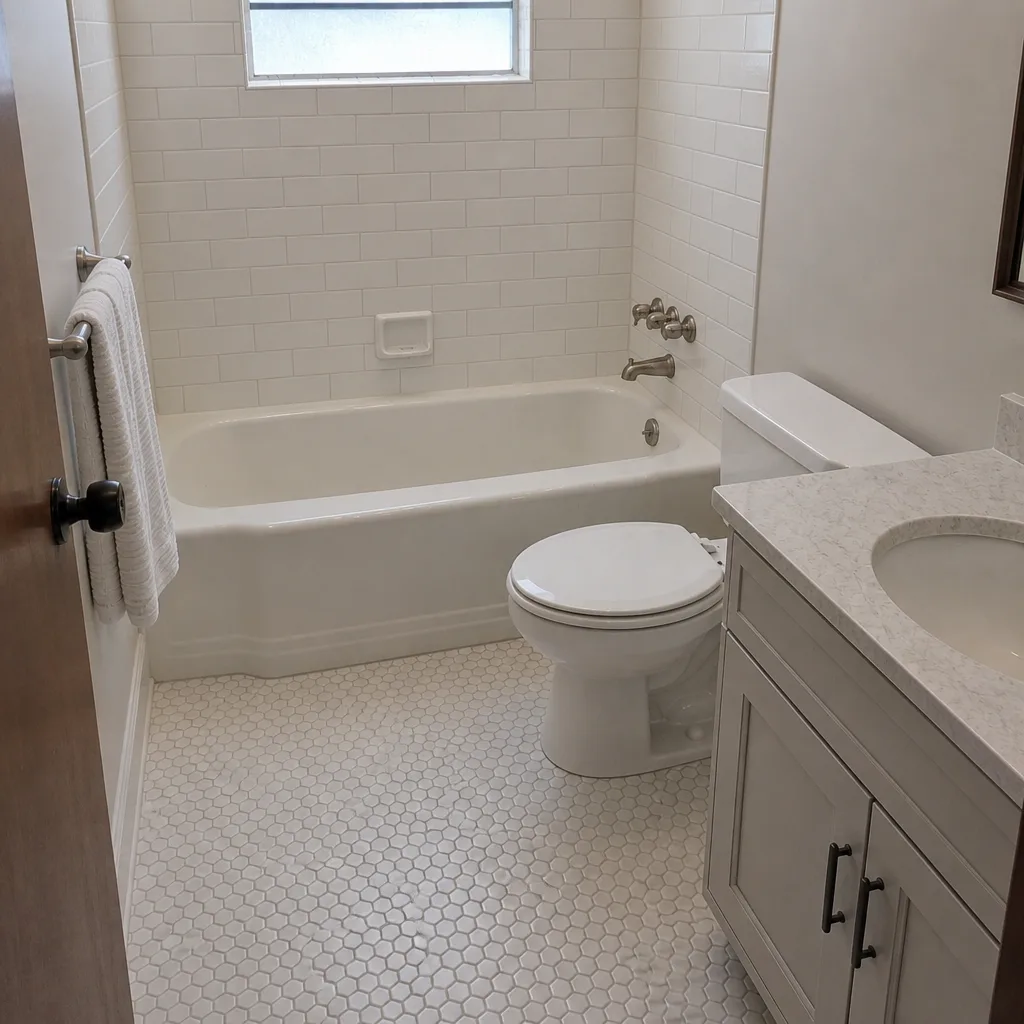 After
Common Mistakes to Avoid
- Planning around the install days alone. A crew that takes three days to lay pavers is not a three-day project. Plan for the full calendar from permit to seal.
- Picking pavers before signing, without checking lead time. That showroom color could be a five-week wait. Confirm stock before you commit.
- Assuming no permit is needed because the old driveway didn’t have one. A lot of older Irving driveways were never permitted, and that’s exactly why the drainage and grading review matters on the rebuild.
- Letting a contractor skip base compaction to save a day. Compaction is where the driveway either holds up for years or develops depressions and wobble in 18 months.
- Driving on it in the first week. Itching to park in your own driveway is the number one way to shift pavers and open joints before they’ve settled.
- Sealing too soon. If a contractor seals the same day they finished, call the manufacturer’s guidance and then find another contractor.
- Not getting the base prep in writing. Ask exactly how many inches of crushed stone, how many compaction passes, and whether a geotextile fabric is being used in problem soil.
When to Call a Professional
Driveway pavers are one of the exterior projects where the line between “I’ll handle it” and “call a pro” is pretty clear. Call a professional if any of these are true: your existing driveway is sinking, heaving, or pooling water (a drainage problem, not a paving problem); the base is more than a few inches of failed material; your lot sits on clay or the grade runs toward the house; the driveway touches a right-of-way or the homeowner’s association has rules; or the total project area is larger than a couple hundred square feet. Those aren’t weekend projects, and the failure mode is expensive. Barrett & Sons Construction Irving offers free estimates in Irving – call (833) 991-4970.
Frequently Asked Questions
For a standard residential driveway, the crew is on site laying pavers for 2 to 4 days. The full project, including permit, material delivery, base prep, cure, and final seal, runs 2 to 6 weeks. The most common surprise homeowners hit is planning the schedule around the install days alone. Call (833) 991-4970 for an exact timeline on your property – estimates are free.
Light mist slows the crew down but doesn’t stop the work. Steady rain or standing water on the base does stop it. Base compaction should never happen when the subgrade is saturated, and pavers laid over a wet base can settle unevenly. Rain days are often the only non-negotiable weather hold in the schedule. Call (833) 991-4970 and we’ll walk you through what a realistic weather buffer looks like for your job.
Not always, but the determination usually involves grading, drainage, and right-of-way rules that a city reviewer wants to verify. Driveway projects that touch the street right-of-way or alter drainage almost always do need a permit. The contractor should pull it and call for the inspection. We pull permits and get inspections signed on every eligible job. Call (833) 991-4970 to ask about your specific address.
No. Light foot traffic is usually fine the same day, but vehicles should stay off for at least 7 days, and 14 is safer for the first month. Heavy vehicles, trailers, and delivery trucks should stay off for the first two weeks. Driving on too early shifts pavers and opens the joints. Call (833) 991-4970 if you need help planning around a scheduled delivery or move-in date.
Wait at least 30 days after installation, and 60 to 90 days is the safer target. The pavers need to cure and the joint sand needs to settle before sealer goes on. Sealing too soon traps moisture and leaves the surface cloudy. A contractor who offers to seal the same day they finished is skipping the step that protects your investment. Call (833) 991-4970 for a sealing schedule on your project.
It can, and that’s normal – weather, unexpected soil conditions, or a hidden drainage issue can shift the schedule by a few days. What shouldn’t happen is a surprise invoice or a scope change nobody discussed. Every scope, allowance, and price change should arrive as a written change order before the work happens. That’s how we handle every Barrett & Sons Construction Irving job. Call (833) 991-4970 for a free estimate in writing.
The Bottom Line
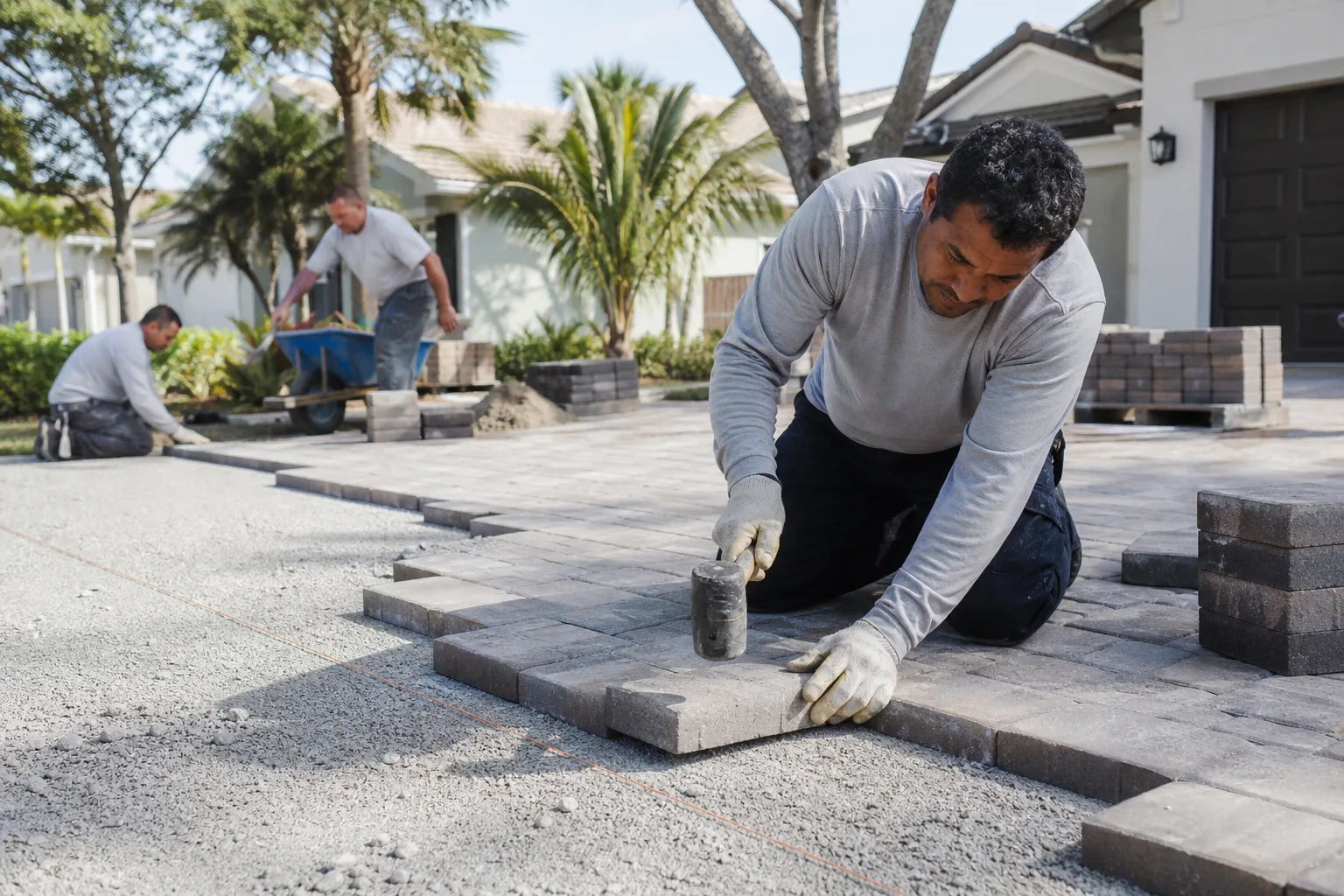
Installation days and project days are different numbers, and the gap between them is where every frustrating paver story you’ve ever heard actually lives. A realistic Irving timeline runs 2 to 6 weeks from signed contract to final seal, with the paver-laying portion taking 2 to 4 days and the base, cure, and finishing work doing the rest. Ask about permits, material lead times, base prep, and the seal schedule before you sign. Get all four in writing. That’s how you avoid the surprise, and it’s how you end up with a driveway that still looks tight in ten years. If you’d like a written timeline and a free estimate on your Irving driveway, call (833) 991-4970. While you’re planning exterior work, take a look at our Driveway & Pavers in Irving page and learn how we sequence Fence Installation in Irving and Home Additions & ADU in Irving around the same seasonal window. Get a second opinion on another contractor’s written estimate for free, and ask about our $40 Off Any Repair Over $200, Free Second Opinion on Any Written Estimate, No Trip Charge Inside the County, and the permanent 10% Senior & Veteran discount. Back at our Barrett & Sons Construction Irving home page, you’ll find our L.O.C.A.L. values and everything else we do.
Written by the team at Barrett & Sons Construction Irving.