Last updated November 18, 2026




Free written scope consultation - allowances, timeline, and change-order rules on paper before a single trade is scheduled
Seasonal Construction Care for Irving: Year-Round Homeowner’s Guide
The February 2021 ice storm tore through North Texas and knocked out power for days across Irving, and when the thaw came, it exposed more deferred maintenance failures than any single weather event in a decade. Burst hose bibs, cracked brick ledges, heaving driveways, shingles that were already loose. Most of those failures happened on homes whose owners figured winter prep was something people in Minnesota worried about. Here’s what we’ve learned watching Irving homes go through both of its damaging seasons, and what to do in the two short windows when repair work actually holds.
Quick Answer
Irving doesn’t have four predictable seasons. It has two damaging ones – a long summer of UV and heat stress from May through September, and unpredictable winter freeze events between December and February – bookended by two short, workable windows in March-April and October-November. The homeowner who does inspections and exterior repairs in those two windows spends far less over ten years than the one who calls after the damage shows up.
Styles & brands we work with
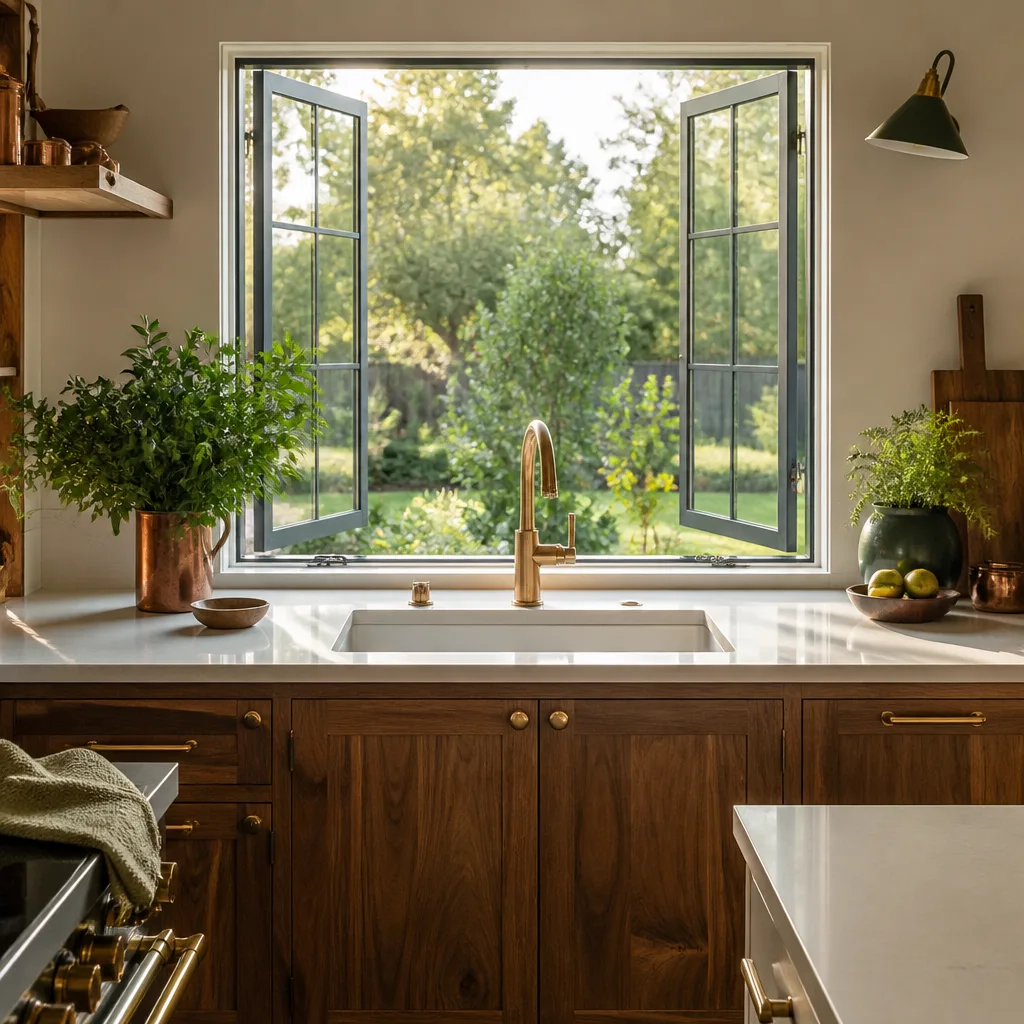
- Kitchen remodeling
- Bathroom remodeling
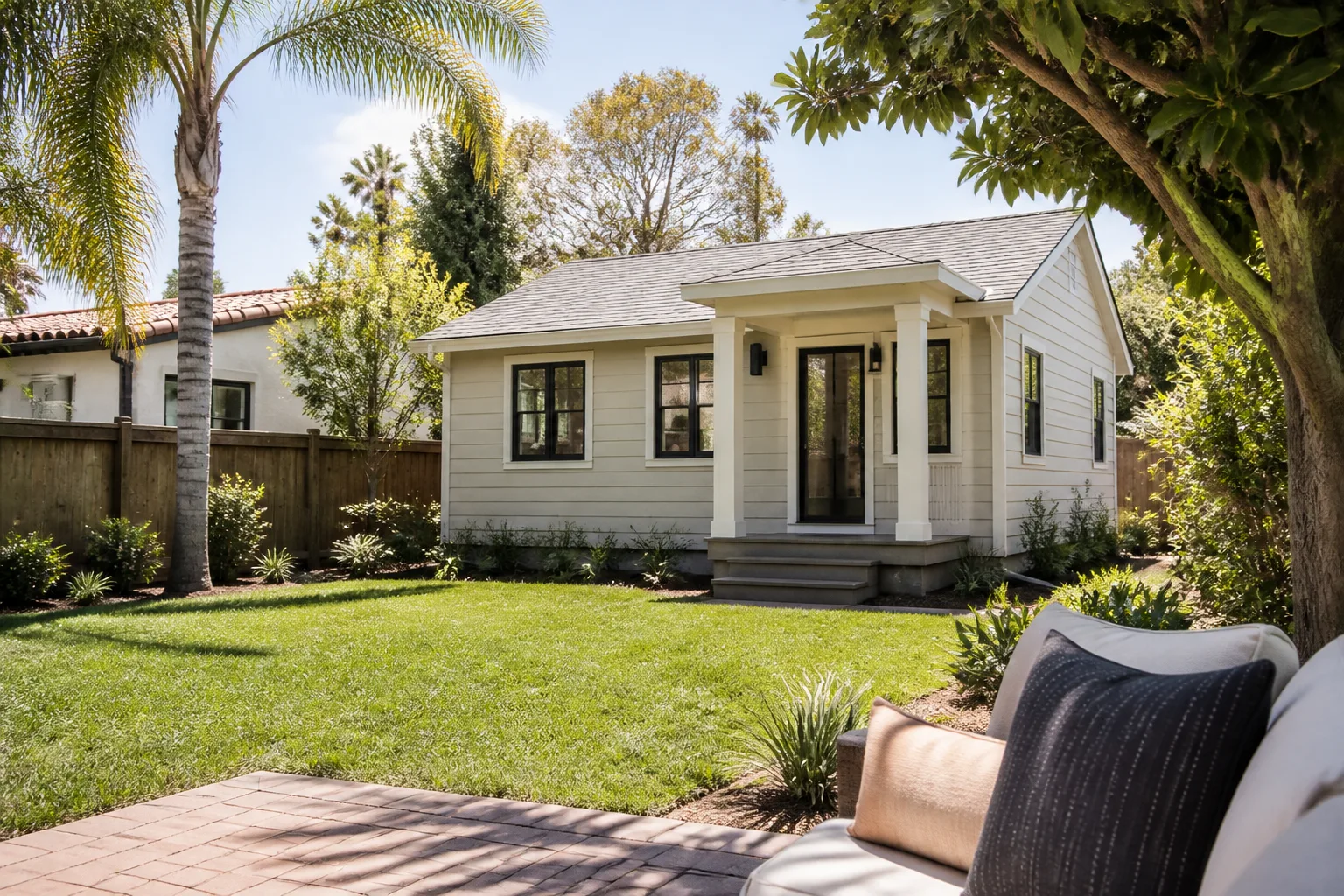
- Home additions & ADU
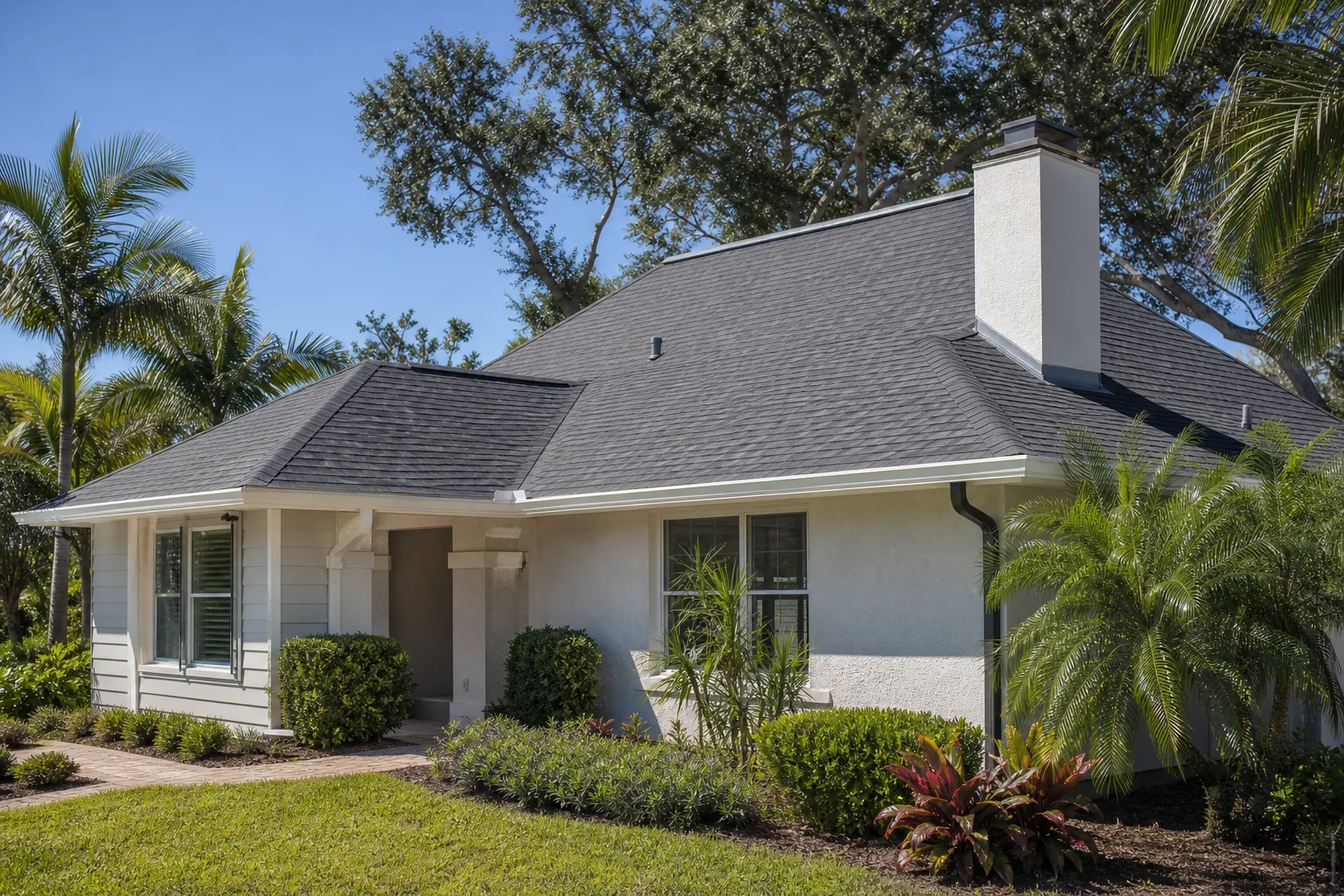
- Roofing
- Windows & doors
- Driveway & pavers
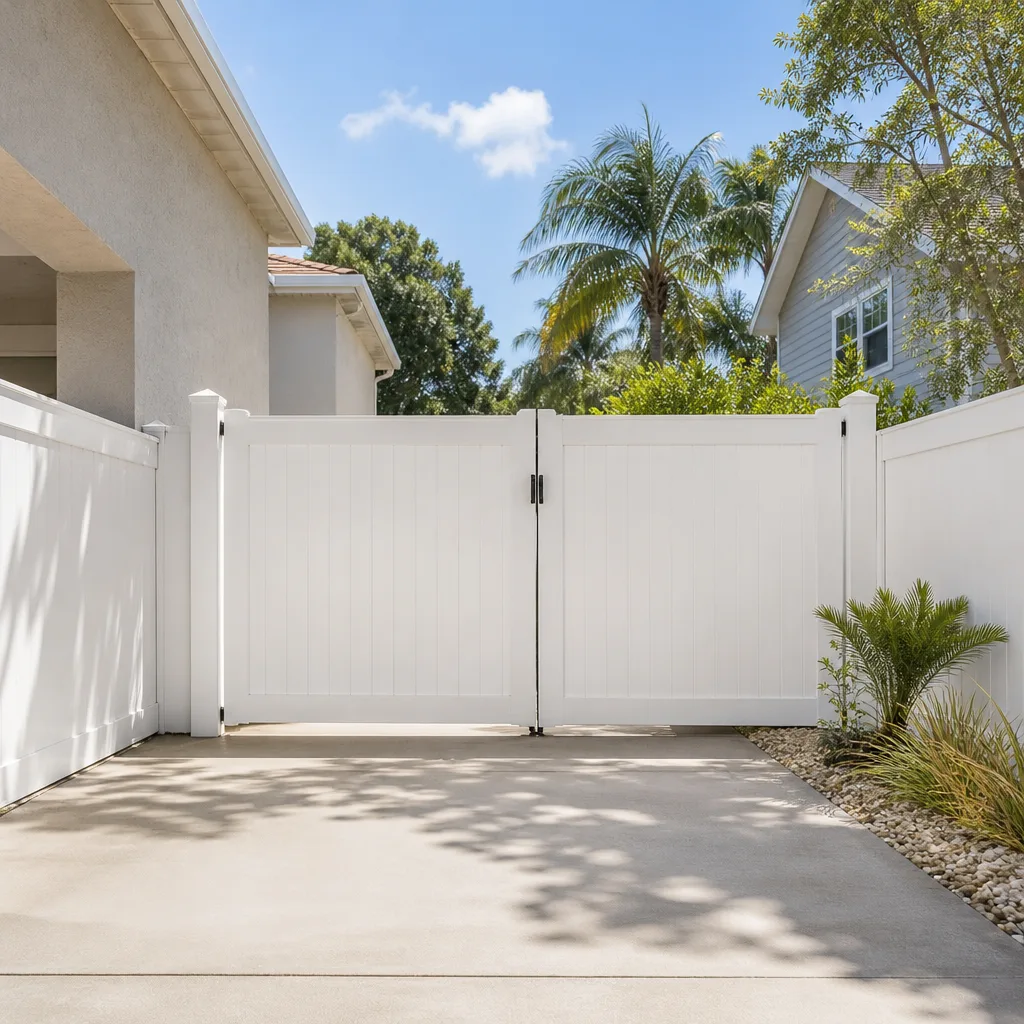
- Fence
Table of Contents
- Why Irving Really Has Two Seasons, Not Four
- The March-April Window: What to Inspect and Fix
- How Irving’s Summer UV Hits Roofs, Caulk, and Paint
- Fall Prep for Irving’s Specific Freeze Risk
- What a Hard Freeze Actually Does to Masonry, Pavers, and Slabs
- Month-by-Month Irving Task Calendar
- Neighborhood Notes: Valley Ranch, Las Colinas, and South Irving
- Common Mistakes to Avoid
- When to Call a Professional
Why Irving Really Has Two Seasons, Not Four
National home maintenance calendars are written for climates with a real spring thaw and a hard freeze. Irving gets neither. Ground temperatures here push past 100°F by late June and stay elevated into September, which means exterior work scheduled for July or August is often fighting conditions that won’t let sealants cure, coatings bond, or mortar set the way the product data sheets expect. Then, somewhere between mid-December and early February, a polar air mass drops through and the temperature sits below freezing for 24 to 72 hours.
The practical result is that Irving homeowners get roughly eight to ten usable weeks in spring and another six to eight in fall to do real exterior repair and prep work. The rest of the year is either too hot for reliable results or too unpredictable to schedule. If you treat maintenance like an Ohio homeowner and plan around a slow spring thaw, you’ll miss both windows every single year.
What this means for a typical Irving home:
- Spring window (March 15 to May 1): Best time for roofing repairs, caulking, painting, fence repair, and driveway work before heat sets in.
- Summer (May to September): Inspection season, not repair season. Watch for damage; don’t schedule big exterior fixes.
- Fall window (October 15 to December 1): Second-best time for most exterior repairs, and the critical window for freeze prep.
- Winter (December to February): Emergency-only repairs, but the freeze risk is real and the damage can be expensive when it lands.
The March-April Window: What to Inspect and Fix
Spring is when Irving homeowners should walk the entire exterior of the house with a notepad and a phone camera. You’re looking for winter damage and heat-season vulnerabilities in the same pass. We’ve seen early spring failures in Las Colinas homes so often that our crews start scheduling roofing inspections the first week of March, before the first 85°F day even shows up.
Here’s the spring checklist we recommend to anyone calling us in March or April for a free estimate:
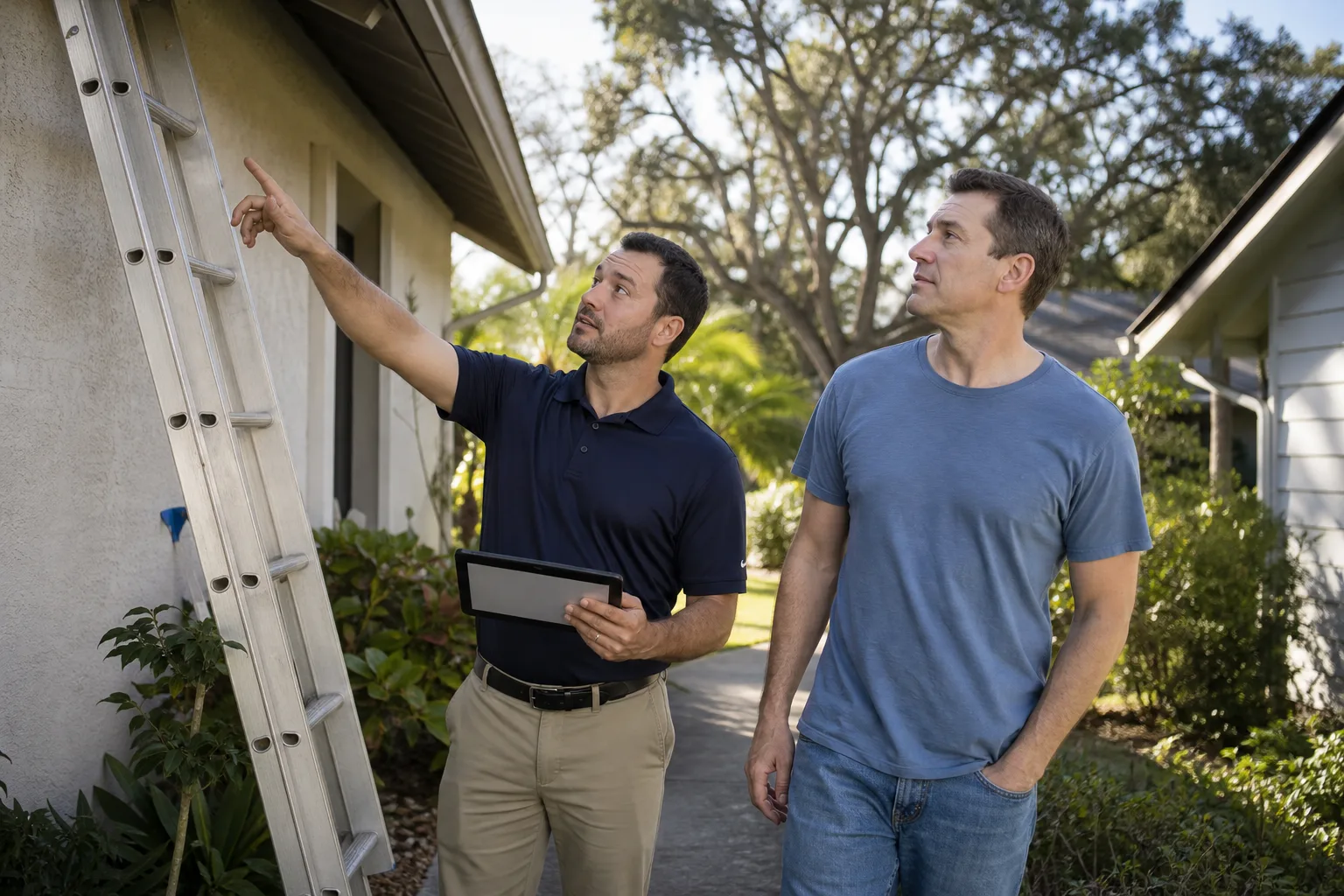
- Walk the roof from the ground with binoculars. Look for lifted, curled, or missing shingles, especially on south and west-facing slopes. Don’t climb up – roof work is a professional job and falls are the leading cause of construction injury.
- Check every caulk joint around windows and doors. Winter freeze-thaw cycles open joints a quarter-inch wider than they started. If you can slip a putty knife between the frame and the siding, it needs fresh sealant before summer heat bakes it open further.
- Look at the fence line. Wood fence posts in Irving take a beating from both summer heat and winter moisture. Push on the posts – anything with more than an inch of give at ground level is a candidate for replacement. See our Fence Installation in Irving page for what a proper post set looks like.
- Inspect driveway and paver joints. Polymeric sand that’s washed out from winter rain lets pavers shift and lift as summer heat expands the concrete below. Fallen pavers create trip hazards that Irving code inspectors flag on any permitted job site.
- Walk the foundation perimeter. Look for new cracks in brick veneer, movement at window corners, and any gap between the slab and the sill plate.
- Clear the drainage. Irving soil is heavy clay with poor drainage; water that pools against the foundation after a spring rain will find its way into the slab and masonry.
Every job that requires a permit in Irving should get one. If you’re having a roofer replace more than a small patch of shingles, ask to see the permit. Our crews pull permits and pass inspections on every eligible job, and the inspector works for you, not for us.
How Irving’s Summer UV Hits Roofs, Caulk, and Paint
Irving sees around 230 sunny days a year, and UV index readings routinely climb into the “extreme” range (11+) through June, July, and August. That matters for your house in three specific ways.
Asphalt shingles age faster than the manufacturer’s rating suggests. A 30-year shingle installed on a south-facing roof in Irving will typically give you closer to 18-22 years before the granules fail and the mat cracks. That’s not a knock on the shingle – it’s the reality of UV exposure in this climate. If you’re on the 15-to-20-year timeline for a roof replacement, get a professional inspection. Roofs here are backed with GAF and CertainTeed systems because the material spec actually holds up to this sun.
Caulk and sealant fail in two summers, not five. Standard acrylic caulk around exterior windows will crack and pull away inside 24 to 30 months in Irving’s heat. The fix is 100% silicone or polyurethane, which holds up much longer, and it has to go on in the spring or fall window, not in July.
Exterior paint on west-facing walls chalks and fades. West-facing siding and trim in Irving takes the full afternoon sun and will often miss its expected 8-year lifespan by two or three years. If you notice chalky residue on your hand when you brush against the paint, that’s the paint breaking down.
What holds up in this climate:
- South and west-facing shingles age roughly 30-40% faster than north and east faces – factor that into any replacement decision.
- Silicone and polyurethane sealants: expect 5-7 years between re-caulking cycles.
- Premium exterior paint: expect 7-9 years on shaded walls, 5-7 on west and south faces.
- Pre-finished windows from Andersen or Marvin typically hold their factory finish 15 years or better in this UV load, versus 8-10 for site-painted frames.
Fall Prep for Irving’s Specific Freeze Risk
The February 2021 freeze that dropped Irving below 15°F for days at a time wasn’t a once-in-a-lifetime event. It was a reminder that North Texas sits on a climate boundary where Arctic air occasionally punches through, and the damage it does is disproportionate to how long it lasts. A single hard freeze of 24 hours does more than three weeks of 40°F weather.
Fall prep for Irving isn’t about “winterizing pipes.” It’s about three specific exposures:
- Exterior hose bibs and irrigation lines. This is the biggest single freeze-loss category we see in Irving homes. A $12 insulated cover on each exterior spigot takes two minutes to install and prevents the burst-and-flood scenario that often costs $8,000 to $25,000 in water damage.
- Attic and rim-joist insulation. Homes in South Irving built between the 1950s and 1980s often have thin insulation by today’s standards. A hard freeze doesn’t care what era your house is from. Look at the north wall of your attic – if you can see the wood framing easily, you’re under-insulated against attic draft and pipe freeze.
- Roof edges and flashing. Ice dams are rare in Irving, but wind-driven freezing rain pushes water under marginal flashing all the time. Check the step flashing at wall intersections and the boot seals around plumbing penetrations before December.
Our fall crews also look at three things most homeowners miss: the moisture barrier under the slab at the garage threshold, the masonry weep holes, and the sealant at window sills. All three get exposed during freeze events and most people only find out about it when water is running down the wall inside the house.
What a Hard Freeze Actually Does to Masonry, Pavers, and Slabs
Let’s separate what a hard freeze actually does in Irving from what the internet tells you it does. We’ve inspected hundreds of homes after freeze events, and the reality is more specific than generic “winterize” advice.
What a hard freeze DOES do:
- Pop brick faces. Irving brick veneer absorbs moisture from rain, and when that moisture freezes it expands about 9%. Older Irving brick (especially homes built in the mid-20th century) often shows spalling – the front face of the brick flakes off – after a hard freeze. Modern brick is more freeze-resistant, but not immune.
- Heave paver joints and lift slabs. Water trapped under pavers expands when it freezes, pushing sand out of the joints and lifting the pavers a quarter to half-inch. The pavers often settle back in spring, but the joint sand is gone and the compaction is compromised.
- Crack hose-bib-connected interior pipe runs. The line from the exterior spigot into the house is the single most freeze-vulnerable pipe on most Irving properties.
- Open hairline slab cracks into visible cracks. A slab that’s been stable for 20 years can develop a 1/8-inch crack after a freeze event, especially if drainage near the foundation has been letting water sit under the slab edge.
What a hard freeze does NOT do:
- It does not routinely crack a well-built Irving slab foundation. Slab-on-grade construction in North Texas is engineered for the freeze exposure we actually get. Cracks after a freeze are almost always pre-existing hairline cracks made visible, or cracks caused by drainage problems that were already there.
- It does not typically damage modern asphalt driveways. The freeze-thaw cycles that wreck roads in cold climates are not part of the Irving freeze pattern – we get one or two hard freezes per decade, not dozens per year.
- It does not destroy properly installed pavers. Our Driveway & Pavers in Irving installations use polymeric sand and base prep designed for this climate. The pavers that fail after freeze events are the ones that were installed without the correct base depth or compaction.
Month-by-Month Irving Task Calendar
Here’s the calendar we recommend to every Irving homeowner, built around DFW climate patterns rather than national averages:
January: Watch the forecast for freeze warnings. Confirm hose bib covers and attic insulation. Inspect for water intrusion after any ice event – it’s the month winter damage shows up inside the house.
February: Post-freeze inspection month. Walk the exterior and look for brick spalling, popped caulk, and slab cracks that weren’t there in December. Schedule repairs for the March window immediately – crews book quickly in spring.
March: Prime spring repair window opens. Book roof inspections, exterior caulking, fence repair, and driveway work now. This is the month to lock in your contractor.
April: Execute spring repairs. Roof repair, painting, fence replacement, paver re-sanding. Anything that needs to cure before the first 100°F days. Get it done in April.
May: Last call for exterior work. Verify attic ventilation before the heat load builds. Clean gutters. Have AC system serviced – the roof and attic heat load will test your cooling system.
June-August: Inspection only. Watch for shingle damage, window caulk failure, and any signs of interior water intrusion. Skip any exterior repairs that need to cure.
September: Late-summer inspection. Note everything that needs fall repair. Roof, windows, doors, and fence especially.
October: Fall repair window opens. Book roofing, window replacement, and fence work. This window is often overlooked, so scheduling is easier than spring.
November: Freeze prep. Hose bibs, insulation, flashing. Weather-strip doors. Winterize any irrigation. Book any remaining exterior work before December.
December: Watch freeze forecasts. Confirm emergency numbers. It’s not a repair month – it’s a monitoring month.
Neighborhood Notes: Valley Ranch, Las Colinas, and South Irving
Different parts of Irving carry different seasonal risk profiles, and it’s worth knowing which one your house falls into.
Valley Ranch: Homes built mostly in the 1980s and 1990s. Roofs are now at or past their 25-30 year marks on the original timeline. Spring roofing inspections here turn up a lot of end-of-life shingles with granule loss that a homeowner can’t see from the ground.
Las Colinas: More high-end construction, more complex roof geometry, more windows. That means more caulk joints to fail and more surfaces to fail in UV. The premium window products (Andersen, Marvin) typically hold up well here; the challenge is the sheer number of joints that need attention every 5-7 years.
South Irving: Older housing stock from the 1950s-1970s. Attic insulation is often thin, exterior hose bibs are typically unprotected, and 60-70 year old masonry shows freeze damage more readily. Freeze prep here matters more than anywhere else in Irving.
North Irving and Hackberry Creek: Newer builds from the 2000s and later. Better insulated and better sealed, but the paver driveways and hardscape installed 15-20 years ago are now entering their first re-sanding and re-leveling cycle.
Common Mistakes to Avoid
- Scheduling exterior work for June or July. Sealants won’t cure, paint chalks before it bonds, and crews are working in unsafe heat. Wait for the fall window unless it’s an emergency.
- Assuming the 2021 freeze was a once-in-a-lifetime event. Irving sits on a climate boundary where Arctic air regularly punches through. Protect against freeze every single fall and you’ll never be surprised by it.
- Skipping the roof inspection because there’s no visible leak. By the time roof damage shows up as a leak inside the house, you’ve usually got 18-36 months of unnoticed damage. Spring roofing inspections catch it in year one.
- Using cheap acrylic caulk on exterior joints. It’ll last two summers in Irving sun. Spend the extra $4 per tube on polyurethane and it’ll last five to seven years.
- Ignoring drainage because the yard “drains fine.” Irving’s clay soil doesn’t drain fine – it holds water against the foundation until the slab finds a way to let it in. Grade the soil away from the house and keep gutters clean.
- Letting a contractor start without a written scope and change order process. The allowance that isn’t on paper is a surprise waiting for a date. Get every scope, every allowance, and every price change in writing before work starts.
- Missing the fall window because you assume winter prep is overkill in Texas. This is the single most expensive mistake in this whole guide, and it’s the one that shows up on the repair bill every February.
When to Call a Professional
Some seasonal maintenance is safe to handle yourself – caulking a window, clearing gutters, replacing a hose bib cover. But several situations require a trained pro, and a homeowner should never put themselves on a roof or a ladder to reach a second-story wall.
Call a professional when:
- You see missing, lifted, or granule-worn shingles from the ground – roof work is the single most dangerous exterior job a homeowner can attempt.
- Any pipe froze during a winter event, even if it didn’t burst yet. The line is compromised and will fail.
- Foundation cracks are wider than 1/8 inch or growing.
- Brick veneer is spalling on more than 3-4 bricks.
- Any exterior water intrusion shows up inside the house after a storm.
- You’re planning a larger project – a roof replacement, window upgrade, fence rebuild, or exterior renovation. Get a written scope with allowances and change orders before anyone picks up a hammer.
If you’re not sure whether the damage is a diy fix or a professional job, that’s exactly what a free second opinion is for. Barrett & Sons Construction Irving offers free estimates in Irving – call (833) 991-4970.
For larger seasonal prep work, our Home Additions & ADU in Irving page covers how we handle structural and envelope work on any size project, and our Barrett & Sons Construction Irving home page has the full list of services and standing offers.
See the difference
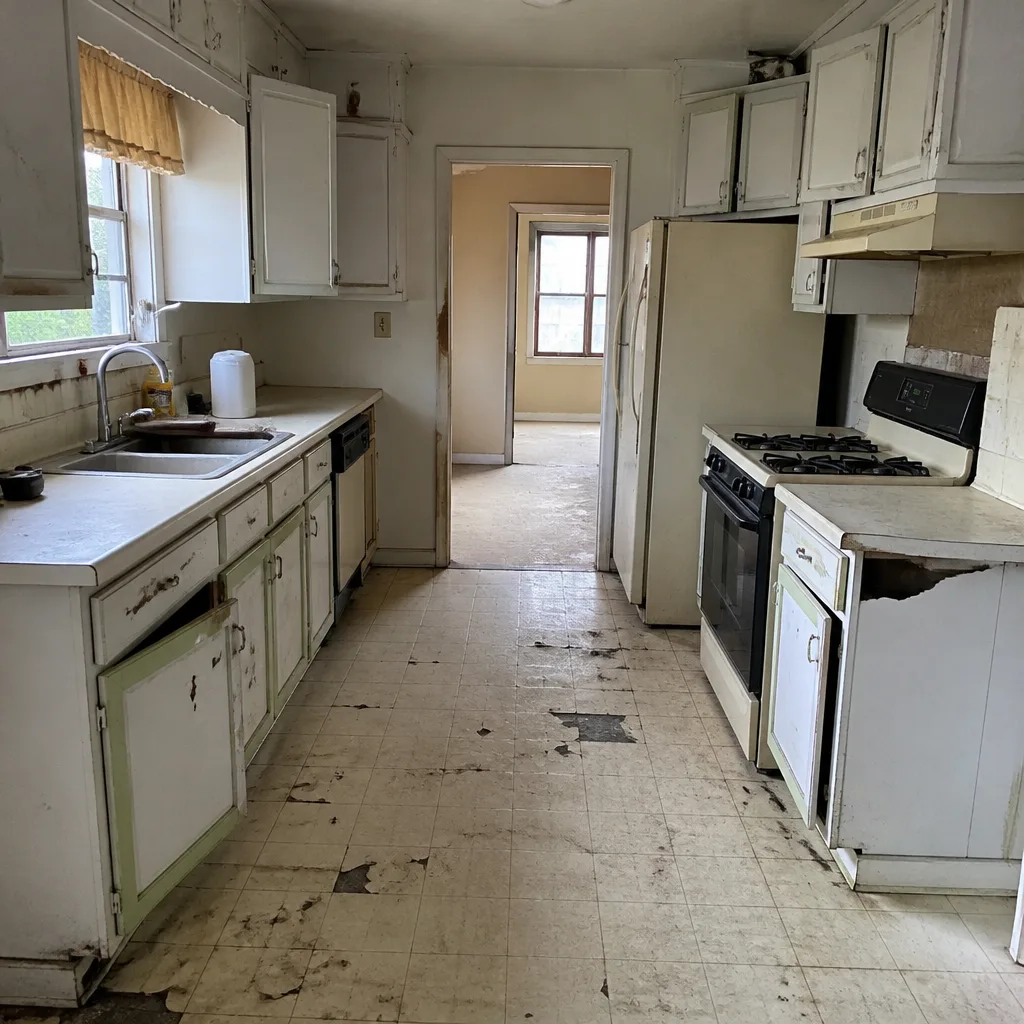 Before
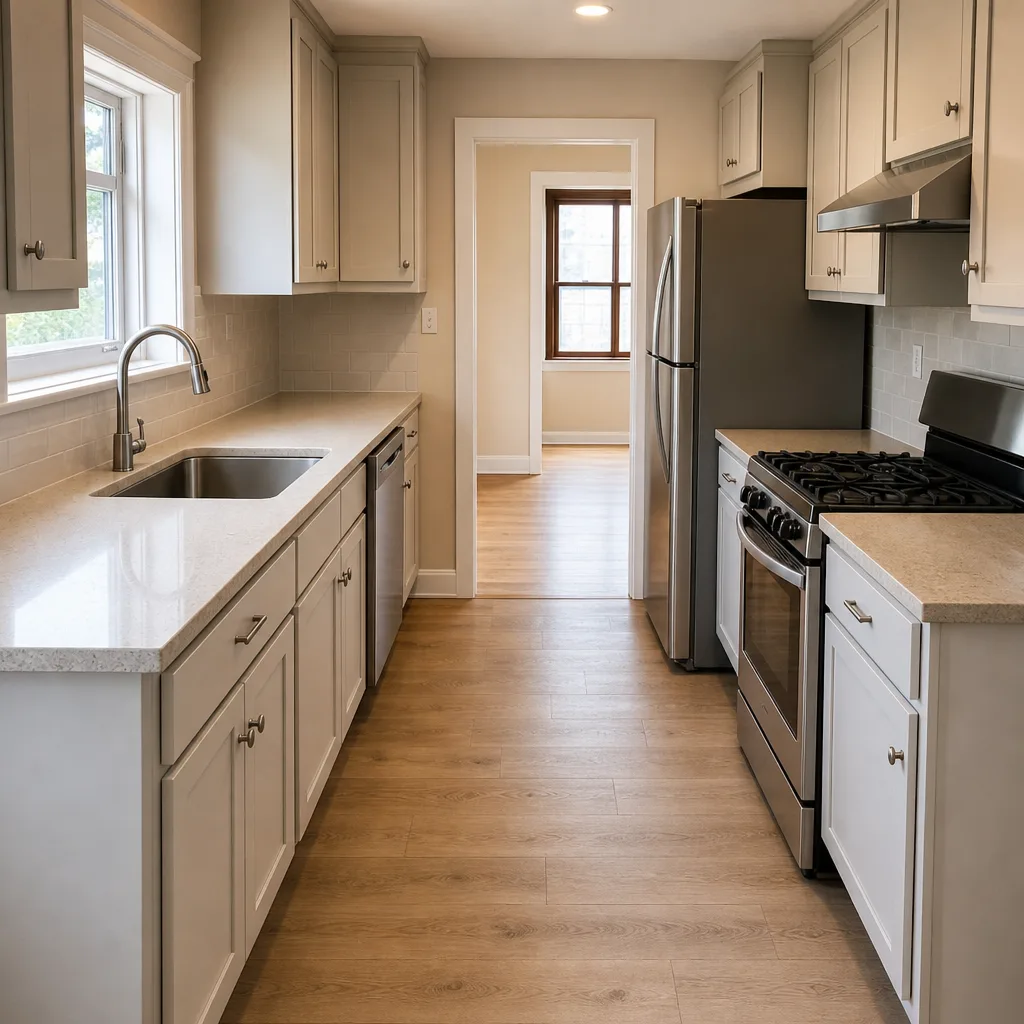 After
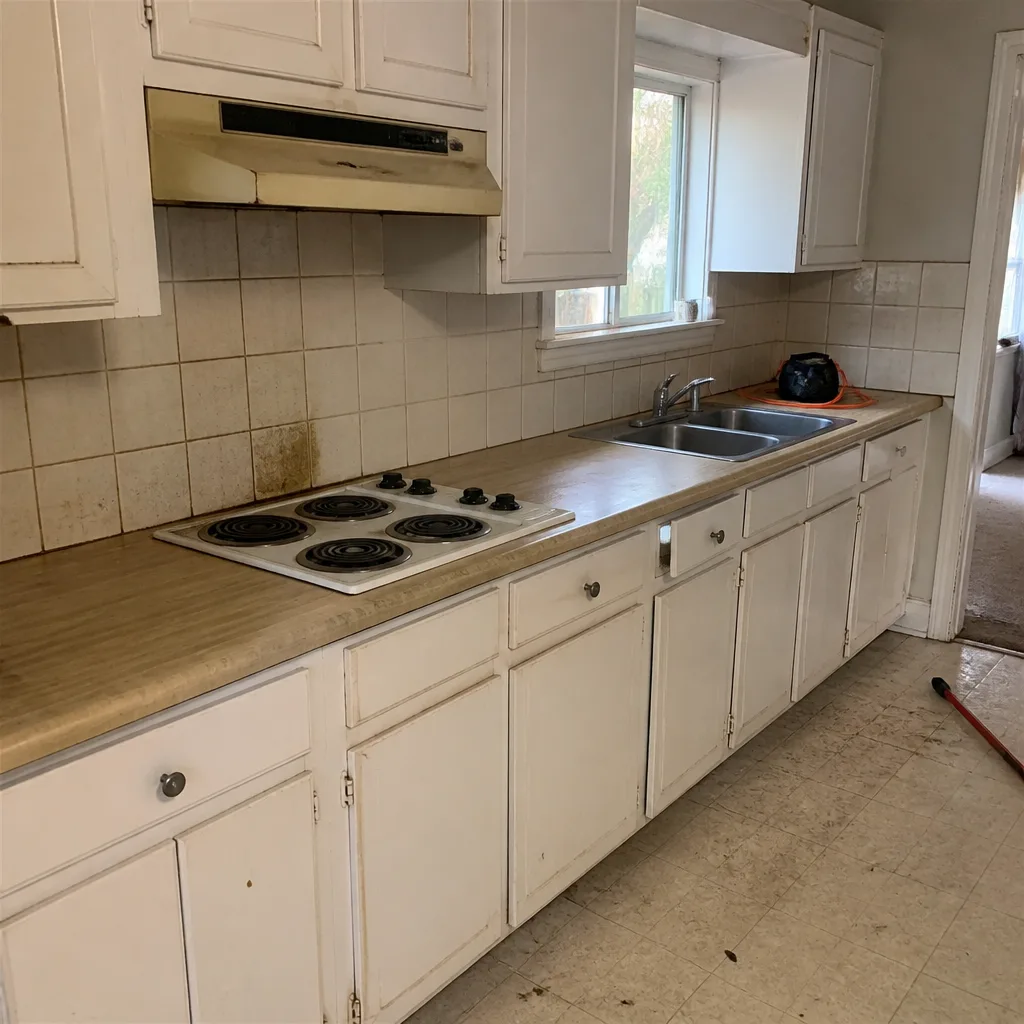 Before
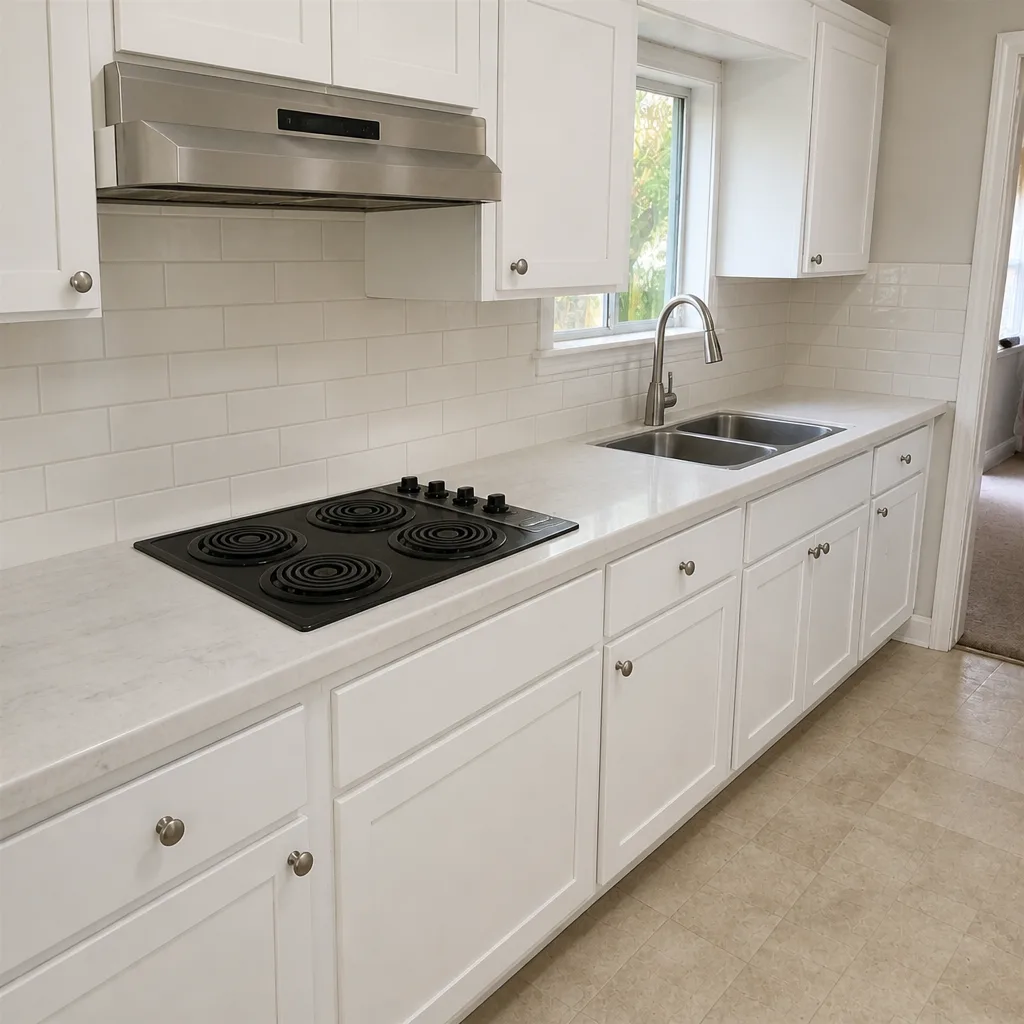 After
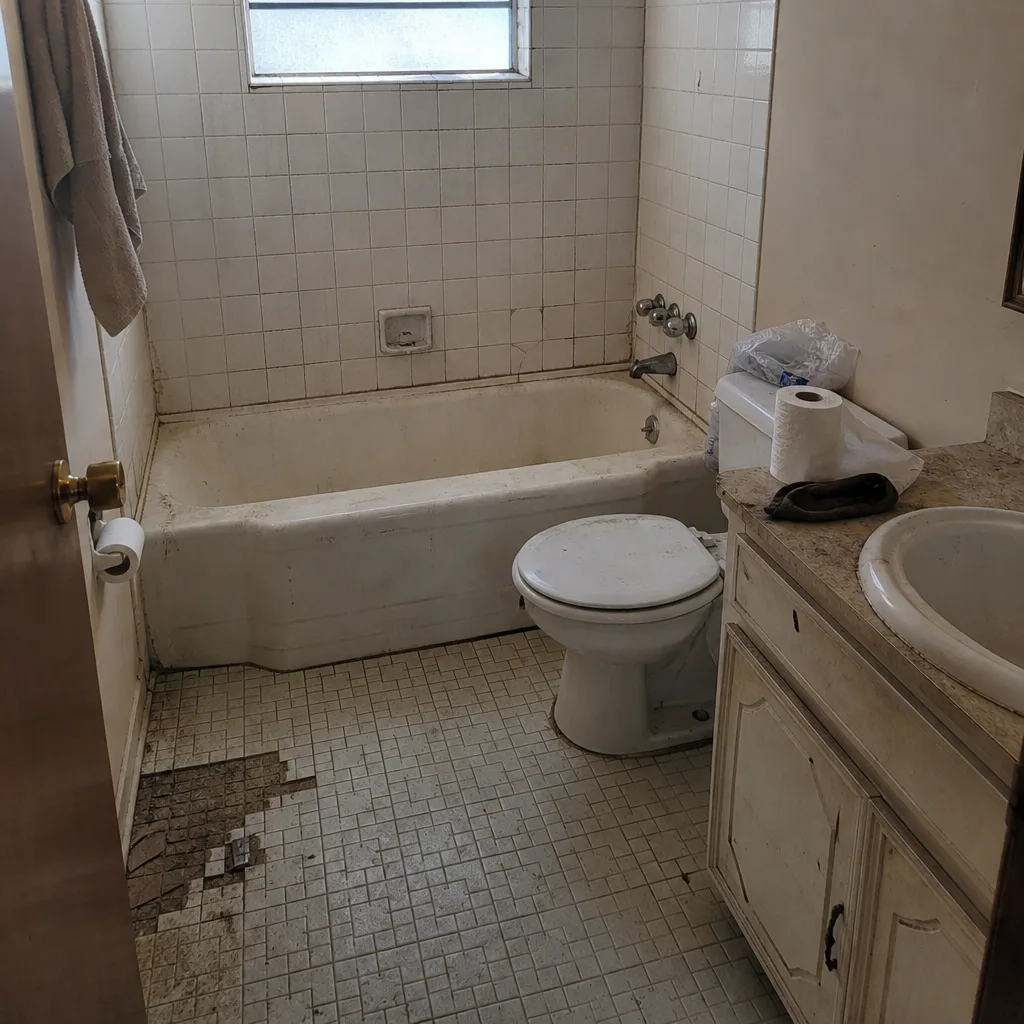 Before
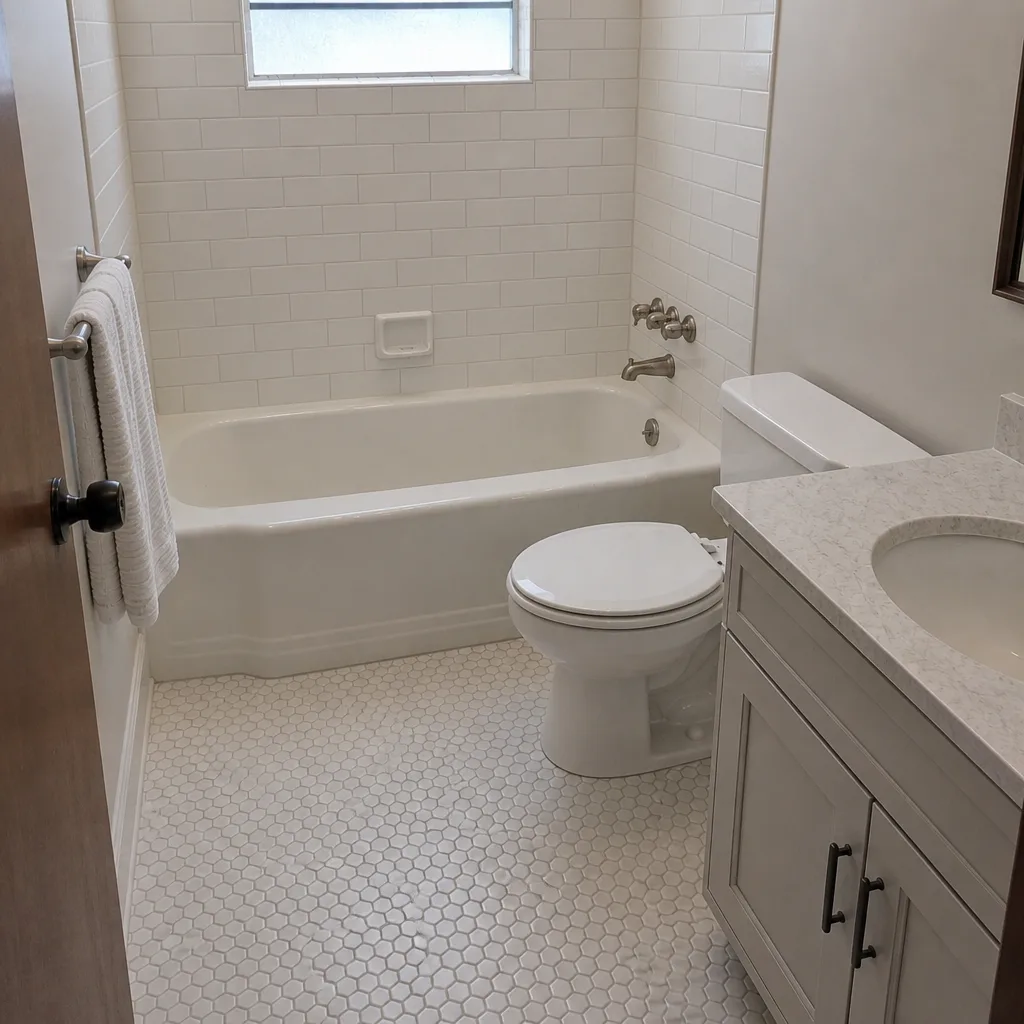 After
Frequently Asked Questions
March through April and October through November. Those are the two windows when temperatures support reliable curing of sealants, paint, mortar, and roofing adhesives. Scheduling exterior work in July or August risks product failure that shows up within a year. Call (833) 991-4970 to get on the spring or fall schedule before it fills.
Yes, and the February 2021 event showed exactly why. Irving sits on a climate boundary where Arctic air occasionally reaches North Texas, and a single 24-72 hour hard freeze does disproportionate damage to unprotected pipe runs, masonry, and paver joints. Hose bib covers, attic insulation checks, and flashing inspections in November prevent the bulk of freeze losses. Call us in October or November for a free freeze-prep estimate.
A 30-year rated shingle in Irving typically gives 18-22 years on south and west-facing slopes because of the UV load, and closer to the full rating on north and east slopes. The variance is the UV exposure, not the shingle. Get a professional inspection if you’re within 3 years of the original rating so you’re not caught by surprise. Call (833) 991-4970 for a free roof inspection.
Hose-bib pipe freeze in winter and caulk joint failure in summer. Those two failures account for the majority of the seasonal damage we see on Irving homes. Both are preventable with a fall freeze-prep check and a spring caulking inspection. Call for a free second opinion on any contractor’s written estimate if you’ve already been quoted for repairs.
You can safely caulk a first-floor window, clear gutters from a stable ladder, install hose bib covers, and grade soil away from the foundation. Do not go on the roof, do not attempt to repair masonry, and do not touch gas lines or electrical panels – those are professional jobs and the injury risk is real. Call us for anything you’re not sure about – the estimate is free.
Yes, on every eligible job. Roof replacements, structural repairs, window replacements, fence installations over the height threshold, and additions all require permits in Irving. The permit inspector works for you, not for us – that’s why we like him. Every eligible Barrett & Sons job includes permits pulled and inspections signed, and every completed job is backed by our written 90-Day Done Right Promise. Call (833) 991-4970 to schedule your free estimate.
The Bottom Line
Irving’s climate gives you two short, workable windows and two long, damaging seasons. Spring cracks and winter freezes are the two failure categories that account for most seasonal home damage here, and both are preventable when you schedule repairs in March-April or October-November instead of waiting for the damage to show up. Watch the roof, watch the caulk, protect the pipe runs, and inspect the foundation perimeter twice a year. That’s the whole calendar. Everything else is a variation on those four habits. Our technicians have up to 28 years of experience working in this climate, and we’ve seen what happens to homes that follow the national maintenance schedule instead of the Irving one. If you want a professional walkthrough before the next window closes, call (833) 991-4970 for your free estimate – we publish the license number, we answer the phone 24/7 with a live person, and every price change comes in writing before a single nail moves.
Written by the team at Barrett & Sons Construction Irving.