Last updated November 18, 2026








Free written scope consultation - allowances, timeline, and change-order rules on paper before a single trade is scheduled
Windows & Doors Troubleshooting: Common Problems and How to Fix Them
If your door sticks every July but swings fine in January, that’s not a door problem. That’s a foundation or framing movement problem showing up at the door first because that’s where the tolerance is tightest. We’ve pulled frames in Irving expecting to shim a hinge and found a sill that had dropped a quarter inch over ten summers of expansive clay. Here’s the pattern that repeats across North Texas: the thing you see is almost never the thing that’s wrong. This guide starts at the symptom and walks backward – draft, sticking, rattling, fogged glass, water intrusion, lock misalignment – and tells you plainly which fixes need a screwdriver and which need the frame pulled.
Quick Answer
Most window and door problems trace back one layer behind the symptom: a drafty window is usually the rough opening or the seal, not the sash; a sticking door is usually framing movement or a foundation issue, not the slab; condensation between the panes is a permanent seal failure that requires glass replacement, while condensation on the pane surface is a ventilation problem you can fix yourself. Diagnose the cause before you spend a dollar on the fix, or you’ll pay twice for the same complaint.
Styles & brands we work with
- Kitchen remodeling
- Bathroom remodeling
- Home additions & ADU
- Roofing
- Windows & doors
- Driveway & pavers
- Fence
Table of Contents
- The Symptom-to-Cause Diagnostic Tree
- Drafts Around Windows and Doors
- Why Doors Stick in Summer and What It Tells You
- Condensation: Inside the Glass vs. On the Glass
- Water Intrusion at Frames and Sills
- Rattling, Squeaking, and Loose Hardware
- Lock Misalignment and Strike Plate Drift
- Repair or Replace: How We Decide
The Symptom-to-Cause Diagnostic Tree
Start where the problem shows up, then work backward. This is the same order we walk a house in Irving when a homeowner calls with a list of complaints.
- Draft near a window. Check the weatherstripping and the interior trim before suspecting the glass. A 3-year-old window can leak air through a rough opening that was never insulated or foamed properly.
- Door that sticks seasonally. Test it with a level across the head and a straightedge on the hinge side. Movement between winter and summer means framing or foundation, not the slab.
- Rattle in wind. Loose sash, worn balance, or a strike plate that’s backed out. Usually a hardware fix.
- Fog or haze inside the glass. Seal failure. The unit has to be replaced – you cannot dry it out.
- Water on the sill or floor inside. Look up first: failed sealant at the head, missing flashing, or a weeper that’s plugged with paint.
- Lock won’t catch. Strike plate drift from hinge wear or settling. Sometimes a 10-minute adjustment, sometimes a symptom of a bigger shift.
If two or more symptoms stack – sticky door plus fogged windows plus water at the sill – that’s a sign the problem is at the building envelope, not at any one unit. Which is where the conversation about Barrett & Sons Construction Irving home diagnostics usually starts.
Drafts Around Windows and Doors
A draft you feel around a window is almost never the glass. Glass is sealed. The air is coming around the unit – through the rough opening, past the weatherstripping, or up through the trim where it meets drywall. In Irving homes built in the 1990s and 2000s, the most common culprit is a rough opening that was insulated with a scrap of batt stuffed in the gap and never sealed to the sheathing.
Here’s how we test it. On a windy day, hold a lit stick of incense near the trim line, the sill, and the head jamb. Watch the smoke. If it pulls toward the wall-to-frame joint, the air is coming from behind the unit, not through it. If it pulls at the sash gasket, you’ve got a seal problem on the window itself.
- Trim-line draft: remove a section of interior trim, check for missing spray foam or fiberglass packed loose. This is a homeowner-fixable job with a can of low-expansion foam and a caulk gun.
- Gasket draft: worn weatherstripping compresses flat over time. Replacement felt or bulb seal is inexpensive and doable on a Saturday.
- Sash draft: if air moves between the sash and the frame when the window is closed and locked, the lock isn’t pulling the sashes tight. That’s a hardware adjustment, sometimes a replacement lock.
- Draft you can’t find: could be a missing house wrap detail, a failed sealant joint at the exterior, or an HVAC pressure imbalance pulling air through wall cavities. That’s beyond a screwdriver.
Drafts at doors follow the same logic. Pull a dollar bill through the closed door at the strike side, hinge side, and top. If it slides through with no drag, the seal is gone – adjust the threshold or replace the weatherstrip. If the door was just installed and it’s drafting, the installer missed something, and that’s when it’s worth getting a second opinion in writing.
Why Doors Stick in Summer and What It Tells You About the Framing Underneath
This is the section most homeowners need and least expect. A door that sticks from May through September and swings free in December is telling you the house is moving. In North Texas, the mechanism is almost always expansive clay soil. Irving sits on some of the most active clay in the region – it swells when it’s wet and shrinks hard when it dries, and the slab or pier-and-beam structure has to absorb that movement. The door is just where you notice it first.
What that seasonal sticking tells us:
- Sticks on the hinge side, top of door: head jamb is being pushed down or in. Often a sign of framing settling or a header that was undersized.
- Sticks on the strike side, bottom of door: slab deflection or sill heave. Common in homes built before 1990 without proper drainage grading.
- Sticks evenly all the way around: humidity swelling the door itself. More common with solid wood doors than with composite or fiberglass.
- Drags on the floor in one spot only: the floor has moved, not the door.
If the door sticks consistently year-round, that’s a different story – that’s a hinge, a warped slab, or a lock that’s out of alignment. If it sticks and releases on a seasonal cycle, the fix isn’t to plane the door (which will leave a gap in winter and bring the draft problem back). The fix is to diagnose what’s moving underneath and whether the movement is within tolerance or is progressing. In Irving, we’ve seen plenty of doors where someone had already planed the slab 3/8 of an inch trying to solve a foundation issue, and the door still dragged by the next summer.
Before any door repair gets quoted, we recommend a foundation inspection – most reputable foundation companies will do a walk-and-report for a modest fee, and the report tells you whether the door repair will actually hold.
If the underlying fix takes you into remodeling territory, our team handles the whole scope under one roof – Home Additions & ADU in Irving work often starts with framing corrections we find while diagnosing a stuck door.
Condensation Inside the Glass vs. Condensation on the Glass: How to Tell the Difference
This is the single most misdiagnosed problem in the window industry. Homeowners call it foggy glass, and it means two completely different things depending on where the moisture is.
Condensation between the panes: the sealed insulated glass unit (IGU) has failed. The perimeter seal that keeps the dry gas between the two panes has broken down, humidity has entered, and no amount of cleaning, drying, or heating will remove it. The fix is to replace the IGU – not the whole window, in most cases – and the failure is permanent. In Irving, we see IGU seal failures clustered on south and west-facing elevations, because the solar load accelerates the seal breakdown. A 12-year-old window on the sunny side of the house can fail while a matching window on the shaded side is still tight.
Condensation on the glass surface: the window is doing its job. Warm, humid interior air is contacting a cold pane and dropping its moisture on the surface. That’s a humidity and ventilation problem, not a window problem.
How to tell them apart in ten seconds:
- Wipe a paper towel across the glass. If the moisture comes off, it’s surface condensation. If the haze stays, it’s inside the unit.
- Check whether it happens on cold mornings and clears by afternoon. Surface condensation does that; IGU failure does not.
- Look for a rainbow or oil-slick sheen in the haze. Seal failure gas inside the unit often shows that pattern.
- Check your indoor humidity with a cheap hygrometer. Above 50% in heating season is usually the culprit.
Surface condensation fixes: bath fans that actually vent to the exterior (not into the attic), a range hood that moves air, a whole-house dehumidifier if you’re fighting it year-round. Between-pane condensation fixes: glass replacement. There’s no middle path.
Water Intrusion at Frames and Sills
Water showing up inside a window is a flashing problem ninety percent of the time. The window unit itself has weeps and gaskets, but the water that gets past them is water that never should have gotten to them – it came in above, at the head flashing, or beside, where the window meets a dissimilar material.
The order we check in when we’re called out to a leak in Irving:
- The head. Is there a proper head flashing with a drip edge over the window? In homes built before 2000, a lot of them were installed with sealant only and no metal flashing. That sealant has a lifespan of about ten years.
- The jamb-to-wall joint. Sealant here fails when the frame and the wall move at different rates – which is why expansion joints and backer rod matter.
- The sill pan. An interior sill pan with a back dam is code on modern installs and conspicuously absent on a lot of retrofits.
- The weeps. Little slots at the bottom exterior of the frame. Often painted shut, often blocked with construction debris, sometimes absent altogether on cheap units.
- The wall above. Brick, siding, or stucco – the failure is very often 4 feet above the window, not at the window. Water travels down the drain plane and shows up at the header.
If a window or door leaks while it’s raining sideways and stops when the rain stops, you’re seeing a flashing issue. If it leaks steadily for hours after the rain stops, the water source is somewhere else.
Roof details above windows are a common contributor, which is why we always look at the roof-line when we’re diagnosing a window leak – Barrett & Sons Construction Irving handles roof work as part of the same call, because chasing a window leak that’s coming from a failed step flashing wastes everyone’s money.
Rattling, Squeaking, and Loose Hardware
Rattling windows and squeaking doors are usually the cheapest fixes on this list – but only if you find the source. Follow the noise.
- Rattle in the wind at a double hung: sash fit is loose, or the balance shoe is dry and has shifted. Sometimes a sash lock replacement pulls the two sashes tight enough to stop it.
- Rattle at a casement: the crank operator is worn or the sash is out of the weatherstrip pocket. Crank hardware is replaceable on most brands, including the Andersen and Marvin units we install on remodels.
- Squeak at a hinge: worn hinge pin, or hinge plate screws that have pulled out. Replace the screws with longer ones – 3-inch hinge screws grab the framing behind the jamb instead of just the jamb itself, and this alone fixes most squeaks.
- Rattle from the exterior storm window: window frame or storm unit was installed before the rough opening settled. A 5-minute check with a screwdriver will show you whether the frame is snug against the interior trim.
Do not ignore a rattle on a door in a commercial-grade storm or near a garage entry – it’s often the first sign that a hinge plate is separating from the jamb, and a pin that walks out under load can drop a thousand-pound door. Those doors get a professional look, not a homeowner patch.
Lock Misalignment and Strike Plate Drift
A deadbolt that won’t throw is one of the most useful diagnostics in the house. It tells you the door has shifted relative to the frame. That shift can be 1/32″ from settled hinges or 3/8″ from foundation movement, and the size of the shift tells you which fix you need.
Walk this order:
- Open the door, look at the gap between the door edge and the jamb at the lock area. Even gap all the way = hinge wear. Uneven gap = door has moved in relation to the jamb.
- Check the top and middle hinges for wallowed screw holes. If a hinge pin can wiggle side to side, the hinge is the problem.
- Check the strike plate. If the bolt is hitting the plate, not the hole, the plate needs to move up, down, or out – chassis realignment is the fix.
- If the bolt hits the hole but the door still swings loose, the problem is alignment of the lock body itself. That usually means the door has warped or the lock is the wrong backset.
What a homeowner can do: tighten hinge screws, replace screws with longer ones, adjust the strike plate with a metal file and a carbide bit. What requires a pro: relocating a strike on a steel or fiberglass frame, replacing a lock body in a door that’s out of square, or any situation where the door frame itself is moving relative to the wall. Door hardware includes early buffing – lost spring, worn spindle – and those need a lock assembly replacement we usually quote at the same visit.
One more thing: locks on exterior doors are a security concern as well as a fit concern. A deadbolt that doesn’t seat its full throw is only holding with the latch. We recommend replacing any exterior deadbolt that won’t engage fully before a winter goes by.
How We Decide Whether a Repair Is Sufficient or the Problem Will Return
The question every homeowner asks at the end of a diagnostic visit is: will this fix hold, or will I be calling you again next year? Here’s how we answer it – and we put the answer in writing, in the estimate, before the work starts.
Four criteria decide it for us:
- Is the cause moving? A door that stuck due to a settled slab will be back next summer unless the underlying movement is addressed. A door that stuck due to a worn hinge is fixed today and stays fixed. We separate structural movement from wear, and we tell you which one we’re looking at.
- Is the unit past service life? IGUs on windows 15+ years old that have failed on one pane often fail on the neighbors within 24-36 months. We give you both numbers – this unit now, the whole envelope later – and let you decide when to spend the money.
- Is the repair reversible if the underlying issue isn’t fixed? Some fixes we can do without committing to the frame: hardware, weatherstripping, sealant. Others require pulling the frame, and if we pull the frame we’re committing to a full reinstall. We don’t hide that line item in an allowance.
- Does the repair meet code if the unit is replaced? A replacement window has to meet egress and tempered-glass requirements today, which means the scope on a “simple” window swap can expand if the original opening doesn’t meet current code. We pull permits on every eligible job and we tell you what the inspector will look for before we order the unit.
Every scope change goes into a written change order before work proceeds. The allowance that isn’t on paper is a surprise waiting for a date – and that’s the one place we won’t cut corners with our customers.
Common Mistakes to Avoid
- Planing a sticking door before diagnosing the seasonality. If it’s a summer-only stick, planing gives you a winter draft and doesn’t fix the underlying movement. Test the door in both seasons before you touch it.
- Treating fogged glass with a hair dryer or a dehumidifier. You cannot dry out an IGU. The moisture is inside the sealed unit. All you’re doing is burning time and letting the haze get darker.
- Caulking over a leak without finding the source. In Irving, water very often arrives at the window from a roof or wall detail 4 feet above. Sealant on the window itself is the wrong fix and will fail within a season.
- Replacing a window to fix a draft that’s really an insulation gap. If the trim-line test shows air coming from the rough opening, you don’t need a new window – you need spray foam and a caulk gun.
- Filing a strike plate on a door that’s clearly out of square. You’ll get the lock to catch this month and lose it in six. Fix the hinge and alignment first, then the plate.
- Hiring a window contractor who won’t put the scope in writing. Every price change should be a written change order – if the company can’t produce one, they’re planning to bill you for the surprise at the end.
- Ignoring permits on a window replacement. A replacement window has to meet egress and tempered-glass code on the room it serves. A contractor who tells you permits are optional on a window swap is telling you they don’t want an inspector on the job.
See the difference
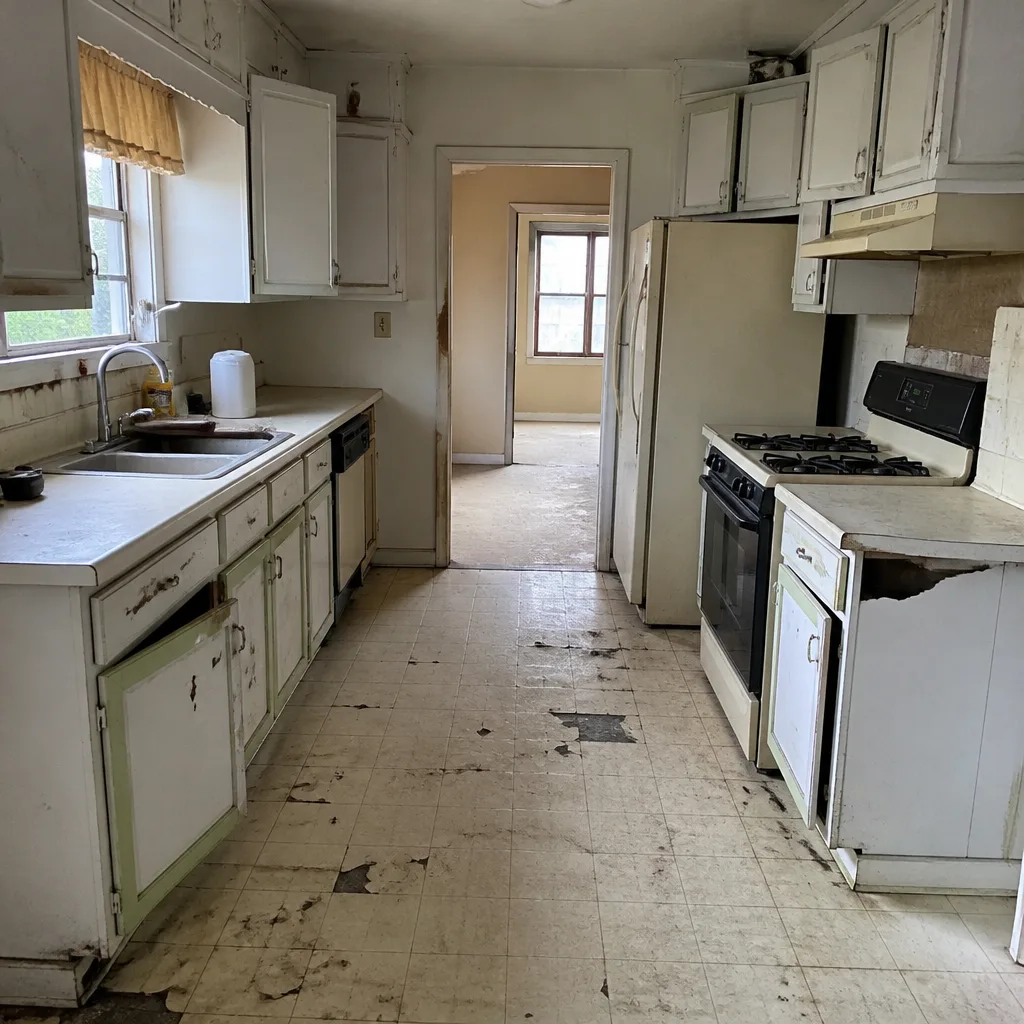 Before
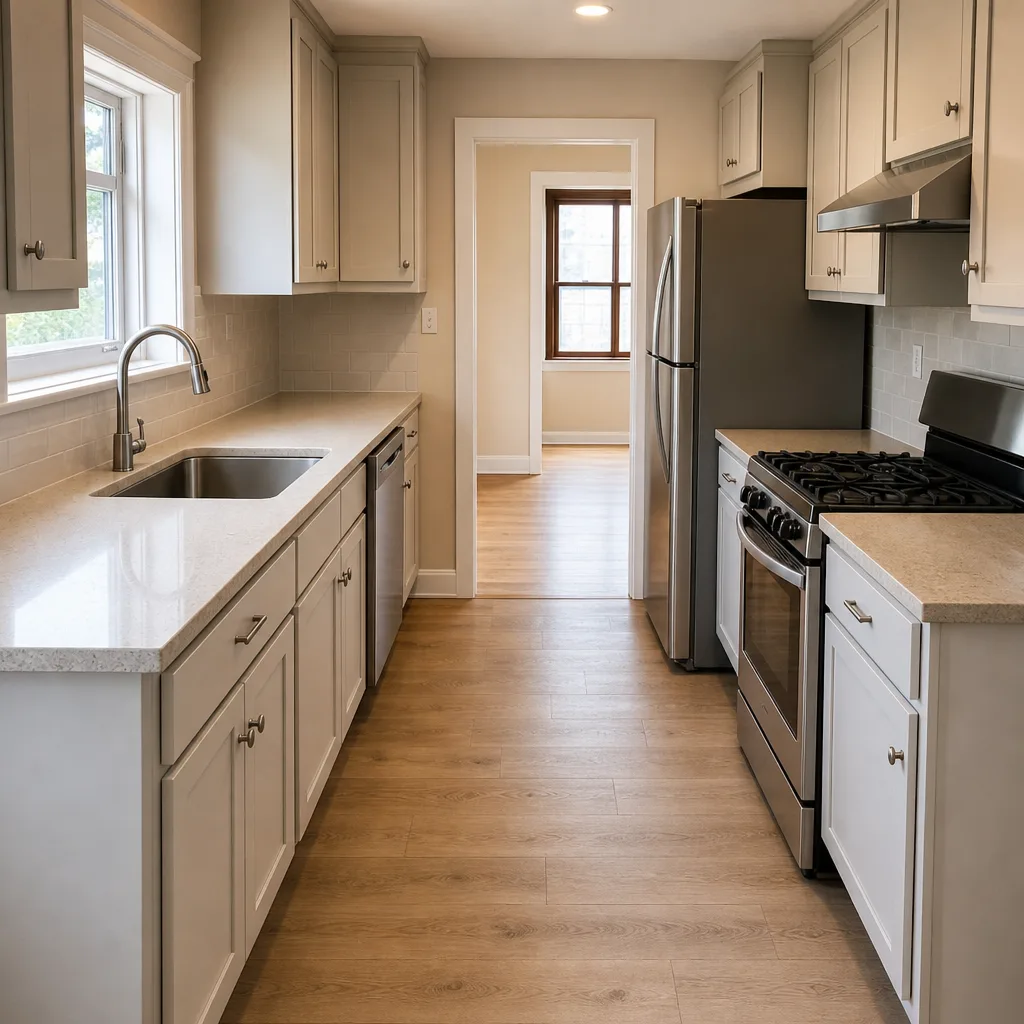 After
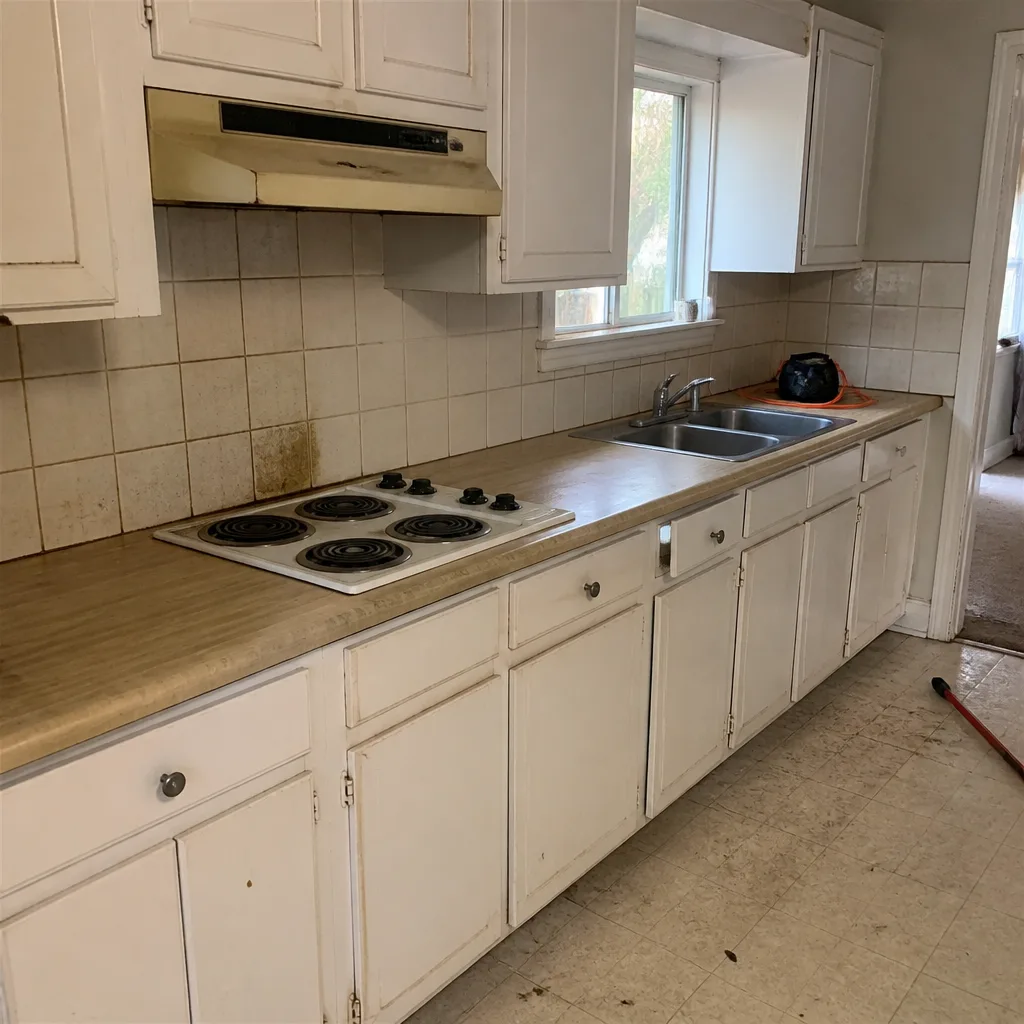 Before
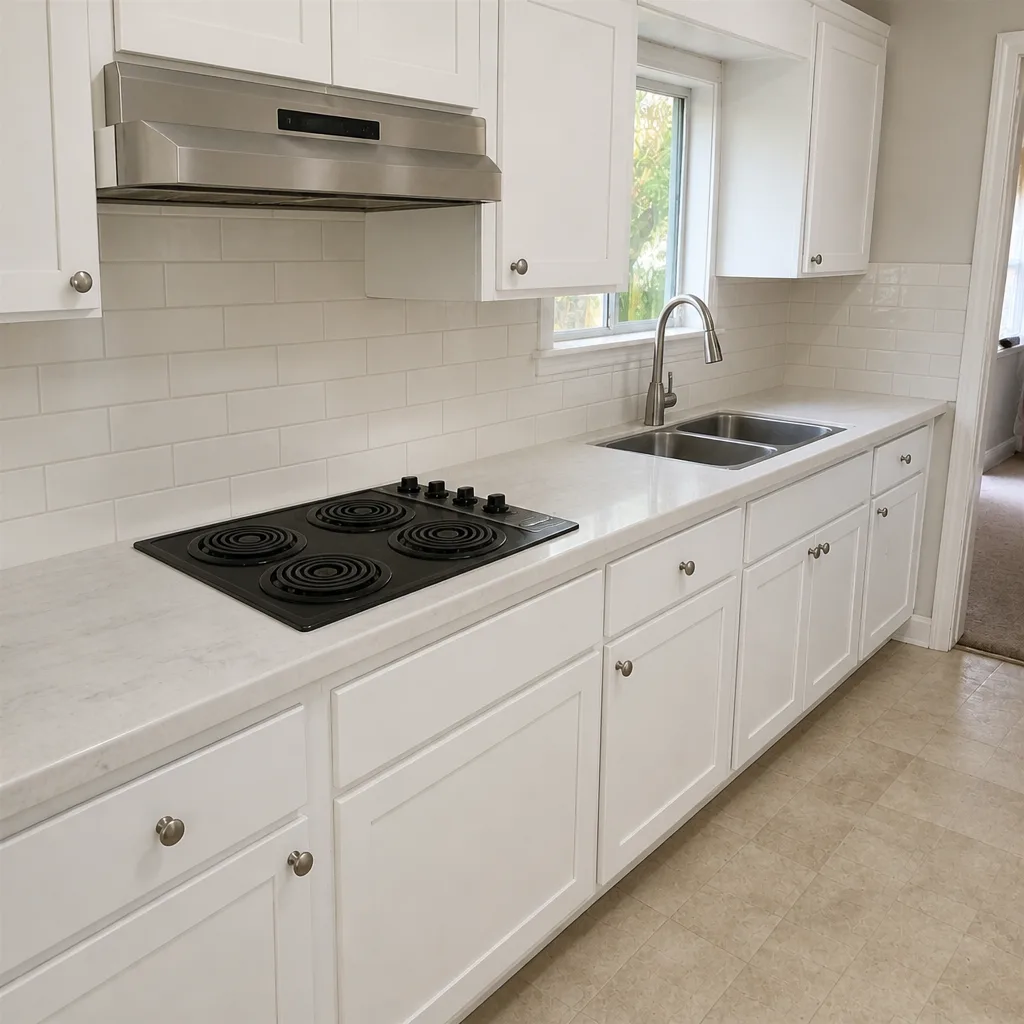 After
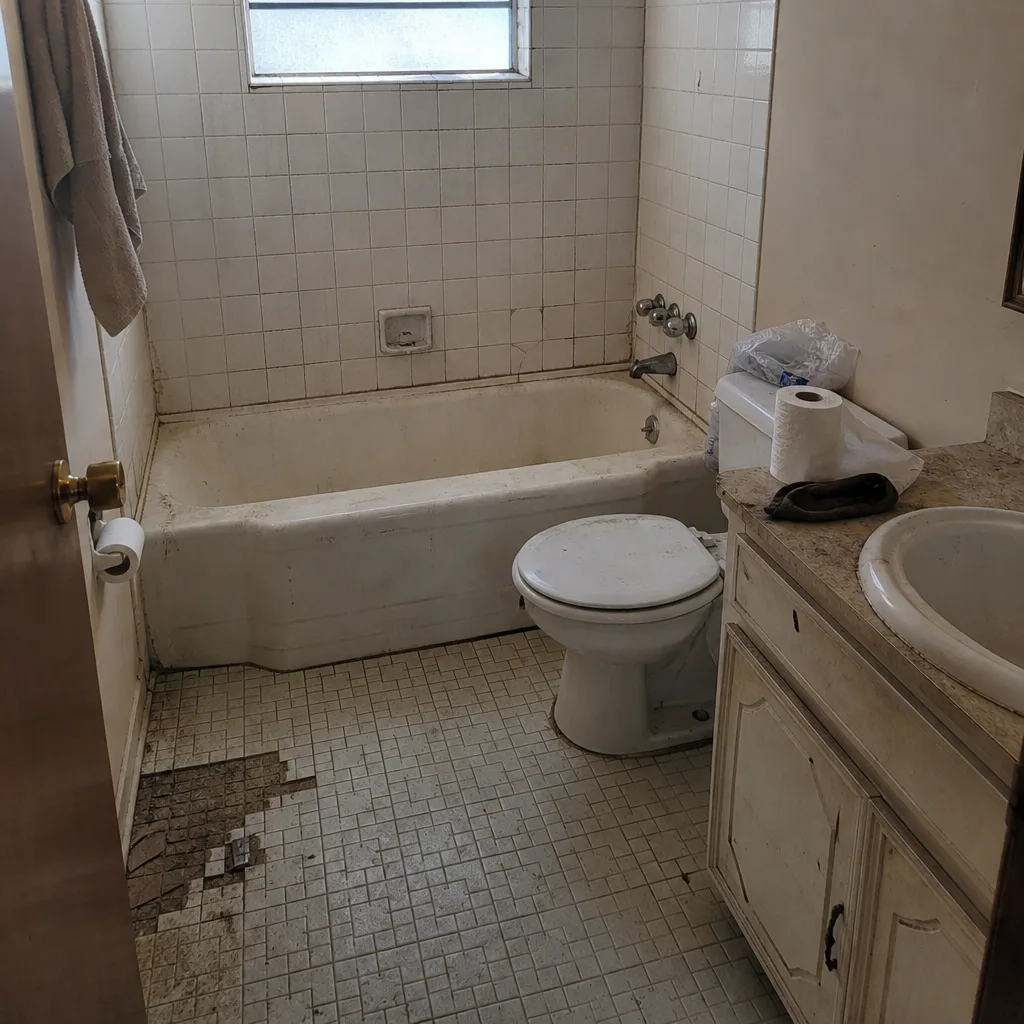 Before
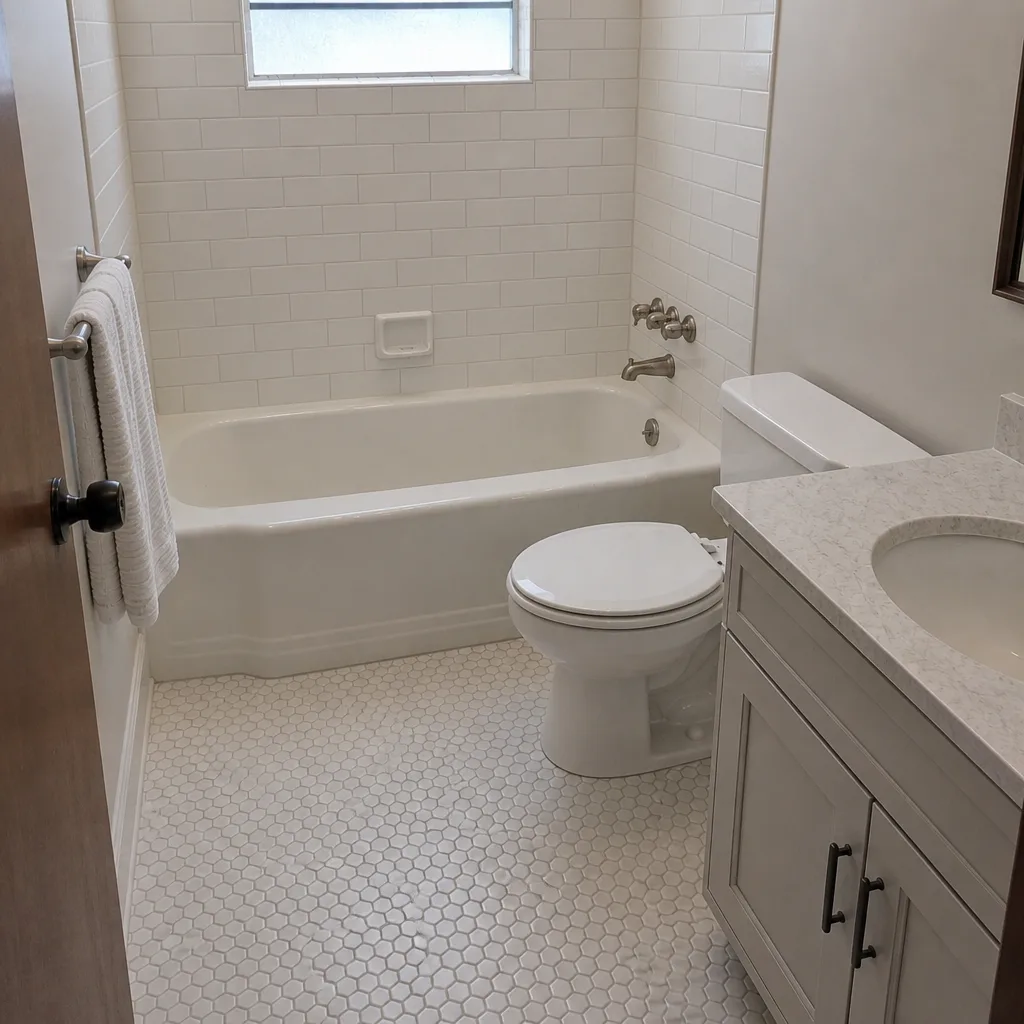 After
When to Call a Professional
Call us when the fix you’re considering involves pulling a frame, when the symptom moves with the season, or when you’re seeing water inside the wall – not just at the sill. Also call when you’re working on second-story units, any lock on an exterior door that won’t fully throw, or a door with visible sag at the top corner. Those are the cases where a homeowner patch can hide a structural problem for a year and make it more expensive to correct.
Barrett & Sons Construction Irving offers free estimates in Irving – call (833) 991-4970. Our technicians have up to 28 years of experience, and every eligible job gets permits pulled and an inspection signed. We put every scope, allowance, and price change in a written change order before work starts, and we back the completed job with the written 90-Day Done Right Promise: if it isn’t right, you make one call and we come back to make it right.
Frequently Asked Questions

Seasonal sticking is almost always a framing or foundation movement issue, not a door issue. In Irving, expansive clay soil swells with summer rain and shrinks in dry spells, so the structure moves and the door frame follows. The door is just where the tolerance is tightest, so it’s where the movement shows up first. Call (833) 991-4970 for a free estimate – we’ll diagnose the cause before recommending a fix.
It’s a permanent seal failure, not a cosmetic one. The insulated glass unit’s perimeter seal has broken and no cleaning, heating, or dehumidifying will reverse it. The fix is glass replacement – usually the IGU only, not the whole window. It’s not urgent unless the failure is on an upper-floor unit above a stairwell or a fall hazard, but it will worsen and it reduces the window’s insulating value. Call us for a free estimate and we’ll quote glass replacement and full-unit replacement side by side.
Typically $220 to $520 per insulated glass unit for standard sizes, depending on glass type (Low-E, argon, tempered) and accessibility. A full window replacement runs higher and varies widely by unit and framing condition. We give a written line-item estimate before we order anything and issue a written change order if the scope changes mid-job. Call (833) 991-4970 for a free second opinion on any written estimate you’ve already received.
Yes – on every eligible job. Window and door replacements that change the opening, the egress path, or the glass type are permitted work in Irving, and we pull permits and pass the inspection rather than ask you to trust that it wasn’t needed. The permit inspector works for you, not for us, and that’s why we like him.
Usually, yes. Lock misalignment is normally a hinge or strike plate issue, and both are repairable without touching the door slab. Replace hinge screws with 3-inch screws, realign the strike plate, and test the throw. If the door frame itself is moving relative to the wall, the fix is a longer conversation, and we’ll tell you plainly whether a repair will hold or the door needs reframing. Call for a free estimate before you buy new hardware.
A diagnostic walk of every complaint on the list, a written scope of the recommended fix, and a line-item estimate – all before any work begins. If the cause turns out to be foundation or framing movement rather than the window or door itself, we’ll tell you in writing that we recommend a foundation inspection before the window fix goes in, so you’re not paying us to patch a symptom that’s coming back. Our technicians have up to 28 years of experience across windows, doors, and the trades that live next to them – roofing, siding, and framing. Call (833) 991-4970 to schedule your free estimate.
The Bottom Line
Most window and door complaints trace back one layer behind the visible symptom: the rough opening, the flashing, the foundation, the framing – not the sash or the slab. Diagnose before you spend. Fog inside the glass is seal failure and needs glass replacement; condensation on the glass is ventilation and you can fix it yourself. A summer-only sticking door is a framing and foundation issue in Irving’s clay soil, and it will return next July unless the source is addressed. Every scope change, every allowance, and every price change goes in writing before work proceeds. Our team has been doing this work across Irving and the surrounding communities, including Fence Installation in Irving and Driveway & Pavers in Irving, without shortcuts and with the owner’s name on the contract. Call (833) 991-4970 for a free estimate on any window or door issue you’re seeing – and look up the license number yourself before you sign with anyone.
Written by the team at Barrett & Sons Construction Irving.