Last updated November 18, 2026





Free written scope consultation - allowances, timeline, and change-order rules on paper before a single trade is scheduled
Construction Emergency Preparedness Guide for Irving Homes
When a severe hail event hits Irving, every ethical contractor in the area is booked within 48 hours. The homeowners who come out whole are not the ones with the biggest weather kit in the closet. They’re the ones who had a contractor relationship before the storm, a documented pre-storm inspection, and their paperwork organized in a folder they could grab in the dark. This guide covers the construction emergencies Irving actually sees – roof breaches from hail and straight-line wind, slab leaks and burst pipes during a February freeze, structural damage after a vehicle impact – and exactly how to prepare for them. You’ll learn what to document now, what to say to an adjuster, and what not to sign.
Quick Answer
Construction emergency preparedness for an Irving home means three things done before anything breaks: a documented baseline (photos, permit records, material specs, insurance policy details stored where you can find them), a pre-established relationship with a licensed contractor who can tarp or board safely without jeopardizing your claim, and a short written plan for what to do in the first 24 hours. Most Irving homeowners have weather prep covered and construction prep not started. The gap is where the money gets lost.
Styles & brands we work with
- Kitchen remodeling
- Bathroom remodeling
- Home additions & ADU
- Roofing
- Windows & doors
- Driveway & pavers
- Fence
Table of Contents
- Why Construction Emergencies Differ from Weather Emergencies in Irving
- The Documentation You Need Before Any Emergency
- How to Weatherproof Temporarily Without Voiding Your Claim
- What to Tell Your Insurance Adjuster – and What Not to Sign
- How a Contractor Relationship Changes Your Outcome After a Storm
- Irving Emergency Contacts and the Permit Variance Process
- Freeze Events: The Slab Leak and Burst Pipe Problem
- Structural Damage After a Vehicle Impact
Why Construction Emergencies Differ from Weather Emergencies in Irving
A tornado warning gives you twenty minutes to get to an interior room. A construction emergency gives you twenty minutes to decide whether to call a roofer at midnight or wait until morning – and that decision has a dollar figure attached to it. Irving sits in the heart of DFW hail alley, which means the big events here are usually wind-driven hail that punches through shingles and leaves a breach over your living room. Add the February freeze events that have become a regular feature of North Texas, and you have two very different emergency types that get prepared for the same day.
Weather prep – water, batteries, a radio – gets you through the night. Construction prep gets you through the claim. They’re different lists.
What we see in Irving is a capacity problem as much as a damage problem. After the 2023 and 2024 hail seasons, roofing crews were working six to eight weeks out. Homeowners with no prior relationship were calling numbers off yard signs, and the out-of-state crews that followed the storm were the only ones with time to answer. Those crews collect a deposit early, sub the work out, and leave town. The homeowner is left holding a warranty on a paper with a disconnected phone number.
The three emergency types that actually hit Irving homes
- Roof breaches from hail and straight-line wind. Hail punches through the mat; wind lifts and tears. A breach over a ceiling can put 50 gallons of water into an attic in an hour.
- Freeze-related plumbing failures. Pipes in the attic and along exterior walls burst during hard freezes. When they let go, the damage is a construction problem, not a plumbing problem, once drywall and insulation are soaked.
- Vehicle impacts. Irving’s arterials and the corridors around 183 and the Bush see regular garage, fence, and wall strikes. Structural damage from a vehicle is a permit job, not a patch job.
Barrett & Sons handles the full scope on any of those – Barrett & Sons Construction Irving home has the trade pages, and the Driveway & Pavers in Irving page covers the repaired-street-side work that often follows a vehicle impact.
The Documentation You Need Before Any Emergency
The single most useful thing an Irving homeowner can do this month is build a home file. Not a mental one – a physical folder plus a digital backup. When a storm takes out your roof at 9 PM, you will not be able to remember which year the roof was replaced or what brand of shingles went up.
Here’s the list, in order of what adjusters ask for first:
- Photos of every elevation and the roofline. Front, back, both sides, plus the roof itself from the ground with a zoom. Date them. Re-shoot every spring before storm season.
- Permit records. Any roof, addition, window, or fence permit pulled in the last ten years – the permit number, the inspection date, the contractor who did it. A closed permit tells an adjuster the work was done to code.
- Material specs. Roof shingle brand and color (GAF or CertainTeed are common here), window manufacturer and model, fence height and material, driveway paver type. If a claim is filed, matching materials matter – the adjuster needs the spec sheet to write an accurate scope.
- Insurance policy declaration page and your deductible. Not the whole policy – the declaration page and your deductible amount, in your folder. You will be asked for both in the first phone call.
- Interior photos. Ceilings, walls, floors. Every room. Photos of a pre-existing crack or stain save you an argument with an adjuster about “new damage.”
- A contact list. Your insurance agent’s direct line, your contractor’s number, the city utility emergency line.
Store the paper copy in a fire box or grab-bag and the digital copy in the cloud. When the phone call comes at midnight, you’ll be glad you did.
How to Weatherproof Temporarily Without Voiding Your Claim
The gap between a roof breach and a contractor arriving is where a lot of Irving homes take their worst damage – not from the storm itself, but from the water that got in the next day. You do have a window to act, and doing it right protects your claim rather than risking it.
The rules are straightforward. Anything you do, do not climb on the roof yourself. A wet, hail-damaged roof is the single most dangerous surface in the home, and an injury on a ladder in a storm is a worse story than the water damage. Boarding a window from the ground is fine; roof work is not. If your home is more than one story, treat the roof as entirely off-limits and call us instead.
Safe temporary weatherproofing, in order
- Document before you touch anything. Photograph the damage first – from the ground, from the window, from every angle. The adjuster needs the “before,” not the “after.”
- Tarp from the ground, if it’s reachable. A single-story roof at a shallow pitch can sometimes be tarped from a ladder by a homeowner, but the safer call is to let a crew do it. Make sure the tarp is secured with weighted edges, not nailed in – nails through a tarp become evidence of further damage to the adjuster.
- Board windows and doors from inside where possible. A sheet of plywood from the inside across a broken window keeps rain out and does not risk the exterior. Outside boarding is fine if you can reach it safely.
- Move water-damaged items out and photograph them. Carpet, furniture, and drywall that has to be cut out should be documented – photograph, do not discard until the adjuster has seen it or you have explicit permission in writing.
- Write down the date and time of anything you do. A running log with times, not a mental note. If the claim is disputed later, that log is your proof.
Avoid nailing, screwing, or making any permanent repair before the adjuster has seen the damage. Temporary is the goal. Permanent repairs before the adjuster visit are the number-one claim problem we hear about, and it’s the kind of thing we warn homeowners about before a storm ever hits.
What to Tell Your Insurance Adjuster – and What Not to Sign
The adjuster’s job is to write a scope. Your job is to give them accurate information and not sign anything that commits you before an independent contractor has reviewed the scope. Here’s the sequence that works.
What to tell them
- The date and time of loss, as exactly as you know it. “Hail hit sometime Thursday afternoon” is better than a guess. Your weather service report for Irving will be matched to the claim, and a wrong date creates a dispute.
- What you did to mitigate. Tarped the roof, boarded a window, moved furniture. Mitigation that’s documented is usually reimbursable.
- Your contractor’s contact information if one is on site. If a contractor is already there when the adjuster arrives – doing temporary work or writing a second opinion – tell the adjuster directly. A licensed contractor on site is normal and helps the claim. Hiding it doesn’t.
- That you want to see a written scope before signing. Ask for the estimate in writing, line-item, with allowances broken out.
What not to sign before your contractor reviews it
- A “work authorization” or “direction to pay” from a contractor before the adjuster has seen the damage. These documents can assign your claim proceeds to a company. Read it, then have a second set of eyes look at it.
- Any document from a contractor that has a blank line for the price. Never sign a blank contract. Ever.
- An adjuster’s scope without a contractor’s review. The adjuster’s estimate is a starting point. It’s common for the scope to omit line items – drip edge, ridge vent, flashing, or proper allowances for material matching – that a licensed contractor will spot in five minutes.
If you want a read on a written estimate that’s already on the table, we’ll give you a free second opinion on any written estimate. That’s a standing offer, and it’s a phone call.
How a Contractor Relationship Changes Your Outcome After a Storm
This is the part of emergency preparedness that nobody puts on a list. After the big hail event in Irving, every roofer in the area is going to be booked weeks out. The crews with the best reputation fill first because the people who already know them call first. Homeowners without a relationship are the ones picking up the phone to whoever has a yard sign up and a crew that can start “next week.”
That’s the math. It’s not a pitch, it’s what happens in any market when demand spikes 40-fold overnight.
A pre-established relationship in Irving gets you three things after a storm:
- A first-in-line call. When you’re already on a contractor’s list, you get the call first. Not a guarantee of same-day, but an actual position in line.
- Someone who knows your house. The contractor who did your last roof or window job already knows your material spec, your roofline, and what type of shingle went up. No second look, no matching issue.
- Confidence about who’s on your property. The crew that shows up is the crew that shows up at your neighbor’s house too. Not a rented crew from out-of-state working for a company that will be gone in three weeks.
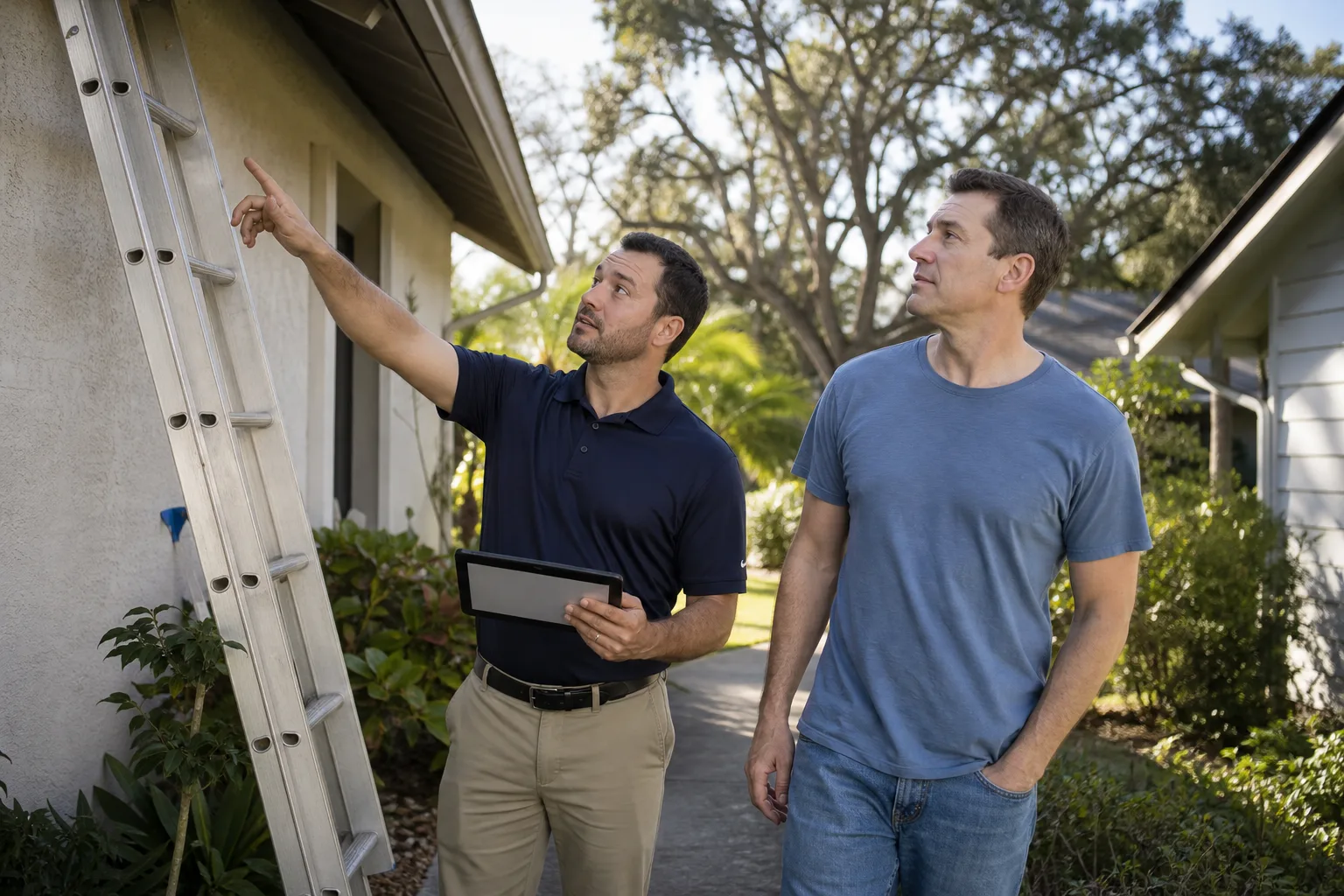
A pre-storm inspection is also worth building into the calendar. Once a year, ideally before spring, a contractor can walk the roof and document condition. That relationship plus that documentation turns a construction emergency from a phone call into a phone call with a plan. The same reasoning applies to the other outdoor systems on the property – if you want a crew you already know on the fence repair after a wind event, the time to make that call is now, and the Fence Installation in Irving page covers how that relationship starts. If a storm takes out a garage or a storage structure, or you’re rebuilding after one, the Home Additions & ADU in Irving team handles the reconstruction to current code.
Irving Emergency Contacts and the Permit Variance Process
Most construction emergencies in Irving involve both a utility line and the city permit office. Knowing which to call and when saves hours.
Who to call, in order
- 911 first if any gas line, electrical line, or structural collapse is involved. Get out, call from a neighbor’s house.
- The city’s non-emergency utility line for water main or sewer issues at the street. If water is pooling at the curb or a main is leaking, this is a city problem, not a contractor problem. Save the city utility emergency number from a current bill or the city website – phone numbers change, so keep a screenshot current.
- Your insurance agent’s direct line. File the claim within 24 hours of the loss if you can.
- Your contractor. Once 911 and the city have been called.
On the permit side, Irving’s building inspection and permitting office handles emergency variances for structural repairs. The reality is that “emergency permit” in Irving usually means a standard permit issued as a priority, not a skipped permit. Structural repair after a vehicle impact or storm damage still needs a permit, still needs an inspection before the work is covered with drywall or siding. If a contractor tells you a structural repair doesn’t need a permit because it’s “emergency work,” that’s your signal to call someone else. The permit inspector works for you, not for the contractor – and a signed inspection is exactly what an adjuster wants to see at claim close.
Two practical notes. First, preserve any damaged material until the inspector and the adjuster have both seen it – don’t haul it to the curb. Second, if the damage exposes the interior, drywall and insulation can come out before the permit is issued as temporary mitigation, but structural work cannot. Get that in writing from the permit office if it’s a gray area.
Freeze Events: The Slab Leak and Burst Pipe Problem
February freezes have become almost an annual feature in North Texas. In Irving, the vulnerable plumbing is specific: pipes running through the attic, pipes along exterior walls in older homes near downtown and the Heritage District, and outdoor spigots and irrigation lines. When those let go, the water damage becomes a construction problem fast.
The construction side of freeze prep is simple and takes an afternoon:
- Know where your main shut-off valve is and test that it turns. A valve that hasn’t been turned in ten years can be seized. Test it in October, not February.
- Insulate exposed attic and exterior-wall plumbing. Foam pipe sleeves on the runs you can reach, with attention to the corners and runs near vents.
- Disconnect hoses and drain outdoor spigots before the first freeze. A frozen hose bib is a common burst point.
- Know which pipes run on exterior walls in your home. If a cabinet on an exterior wall has plumbing, open the cabinet doors during a hard freeze so interior heat reaches the pipes.
- If a pipe bursts, shut the main off immediately, then call. Water damage limited to one room is a repair; water across three rooms is a rebuild.
When the burst happens, the plumbing repair is a plumber’s job. The drywall, insulation, flooring, and trim are ours. Barrett & Sons handles the reconstruction after a freeze event in Irving, including the permit and inspection on the structural work. If the freeze event exposes an old renovation that was done without a permit, we’ve seen that more than once and will tell you what it takes to make it right.
Structural Damage After a Vehicle Impact
A car through a garage door or a fence is more common in Irving than most homeowners expect. The corridor near 183 and the older residential streets where driveways meet arterial traffic see these regularly. What most homeowners don’t realize is that the damage is almost always structural, not cosmetic, and the repair is a permit job.
The steps after a vehicle impact:
- Get everyone out and call 911. Even if nobody is hurt, a vehicle through a wall can compromise gas or electric.
- Do not move the vehicle until the police report is complete and you’ve photographed the scene. The police report and the photos are both required for the insurance claim, and the vehicle’s insurer is usually the paying party.
- Board the opening before the adjuster arrives, from the outside if it’s safe, and photograph the boarding.
- Get a structural assessment before any repair. A garage door and frame replacement after a vehicle impact often involves the header beam, the king studs, and the wall sheathing. This is not a handyman job.
- Pull the permit. Irving requires a permit for structural repair including wall framing, header replacement, and garage door replacement where framing is involved. The vehicle owner’s insurance pays for the repair, but the homeowner is responsible for ensuring it’s permitted and inspected.
If the damage is to the driveway or the paver apron along the street, that’s covered on the Driveway & Pavers in Irving page. If the vehicle took out a fence, we replace to the current spec and pull the permit if the fence is over six feet or on a corner lot.
Common Mistakes to Avoid
- Waiting to call until the water is in the living room. Call when you see the breach. In Irving, a storm that closes one ceiling can put water into two rooms in an hour. Early calls get earlier crews.
- Climbing on a wet, hail-damaged roof to tarp it yourself. This is the number-one injury we hear about after a hail event. A ladder on wet shingles is a fall waiting to happen. Call.
- Signing a work authorization from a storm-chasing crew before the adjuster has seen the damage. Those documents can assign your claim. Read it, then have someone you trust read it.
- Patching a structural repair without a permit. A header repair, a wall framing repair after a vehicle impact, and a garage door replacement with frame damage all need a permit and an inspection. Skipping it is a future-sale problem and a claim problem.
- Not documenting the damage before mitigation. Take photos first, every time. The adjuster needs the before, and the “before” is gone as soon as the tarp goes up.
- Disposing of damaged material before the adjuster arrives. Don’t haul it to the curb. The adjuster needs to see what failed, not just what’s missing.
- Choosing a contractor from a yard sign in a storm week, with no research. Look up a license number before you sign anything. Ask for a written scope and a written change order policy. The one-hour phone call is cheaper than the two-year dispute.
See the difference
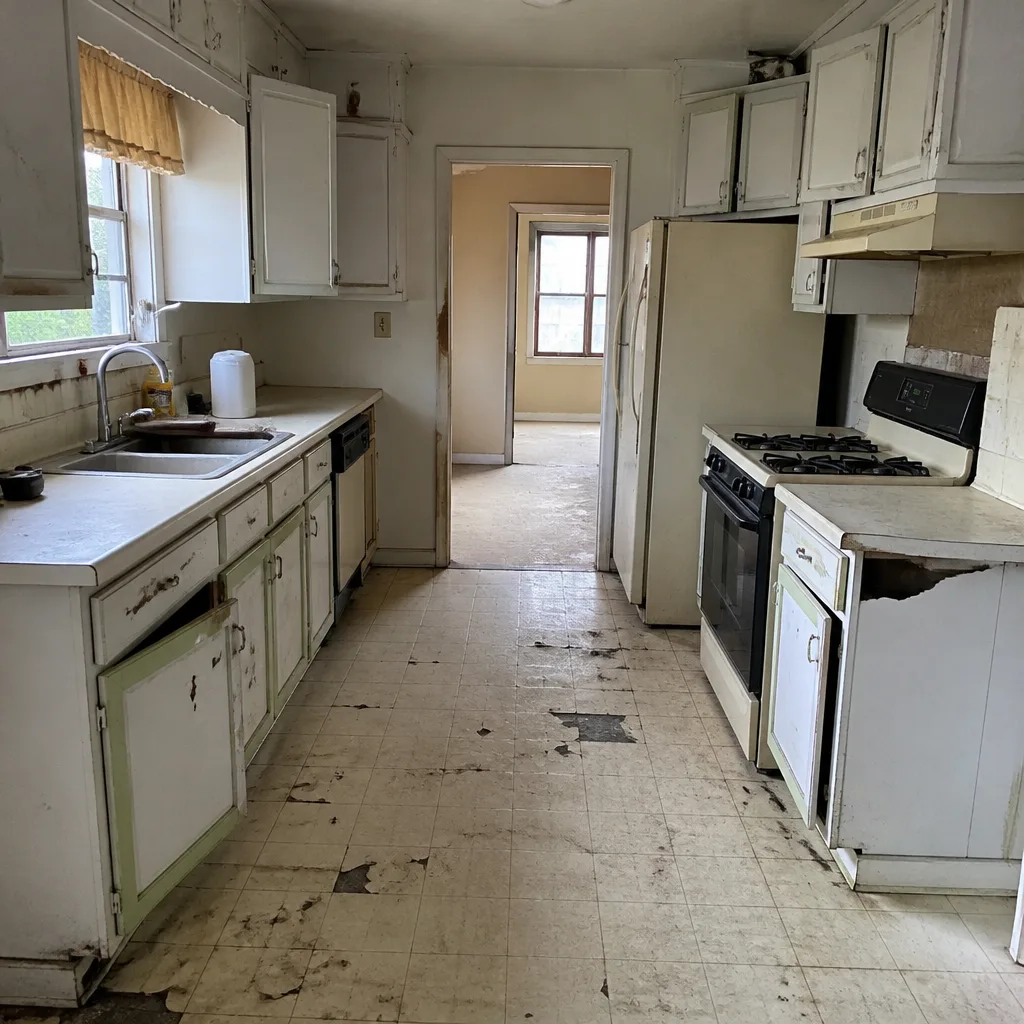 Before
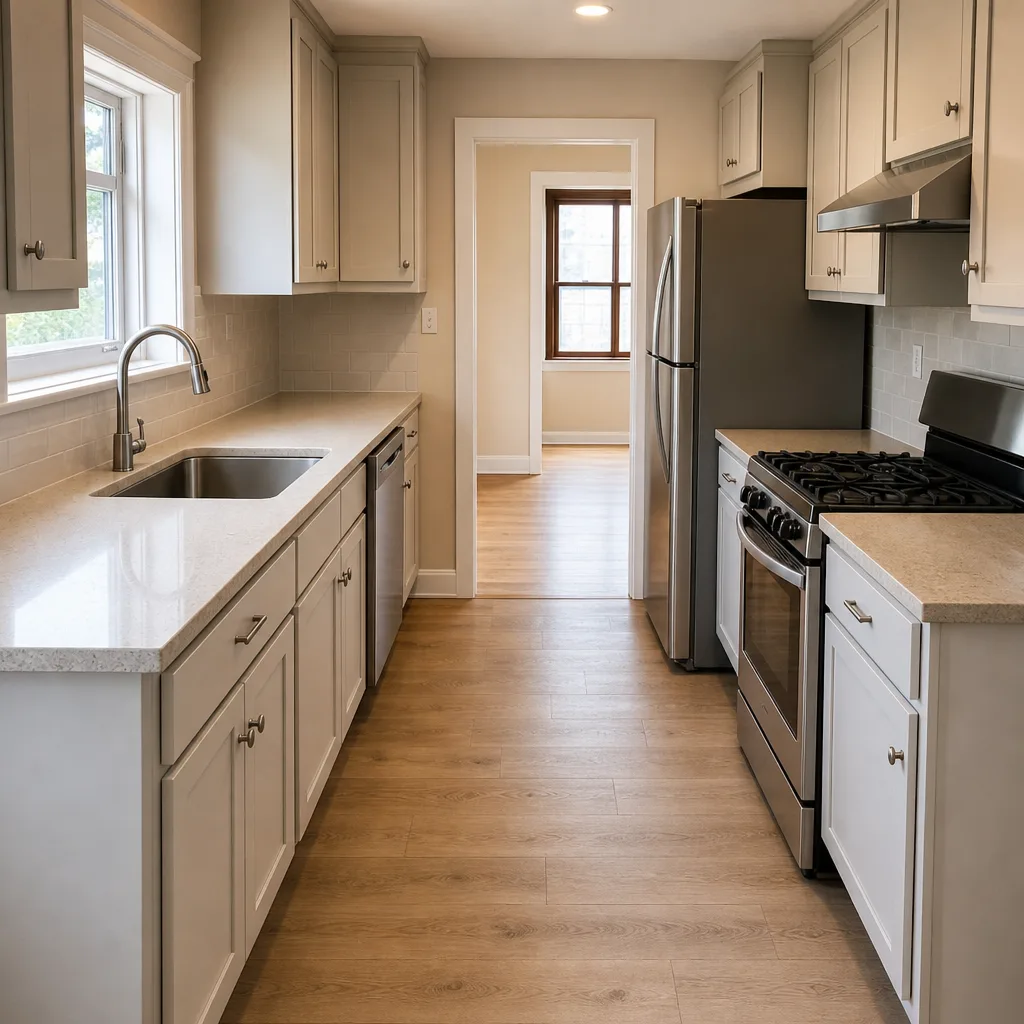 After
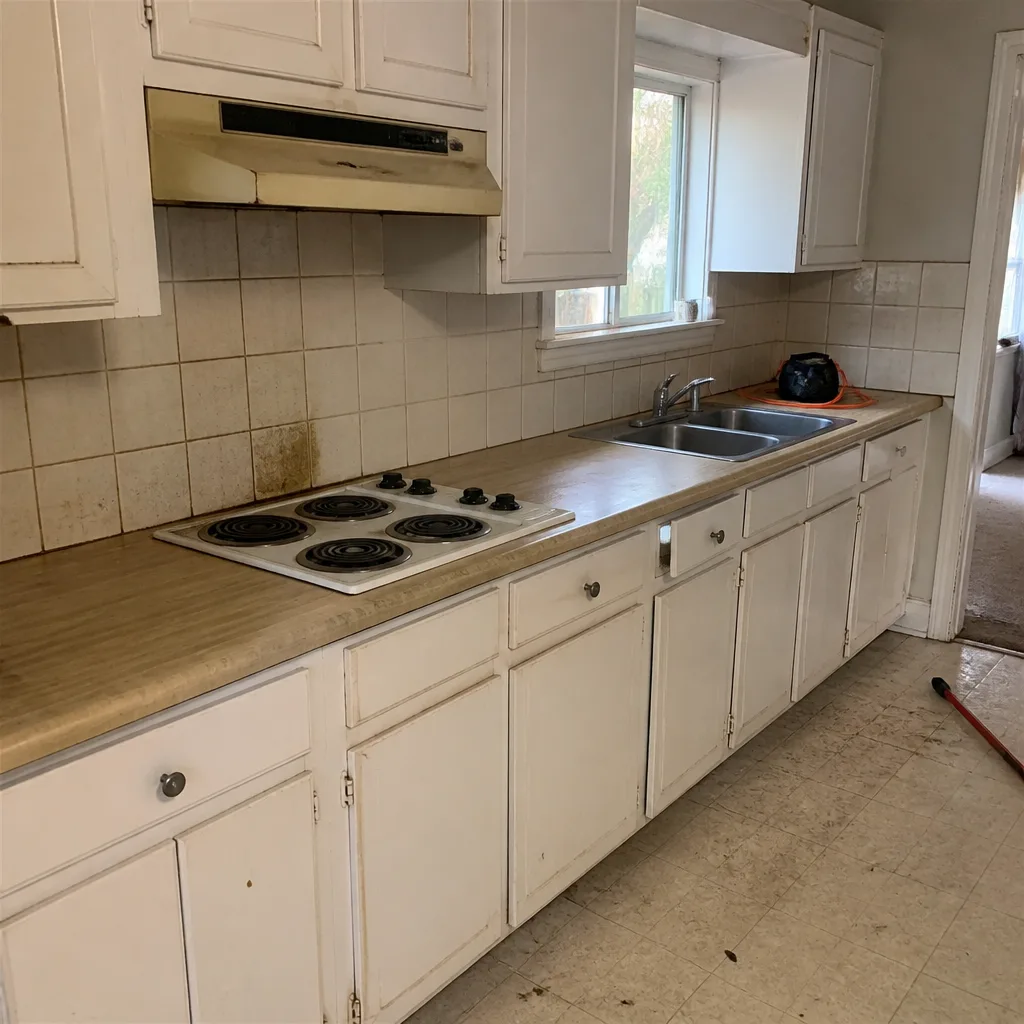 Before
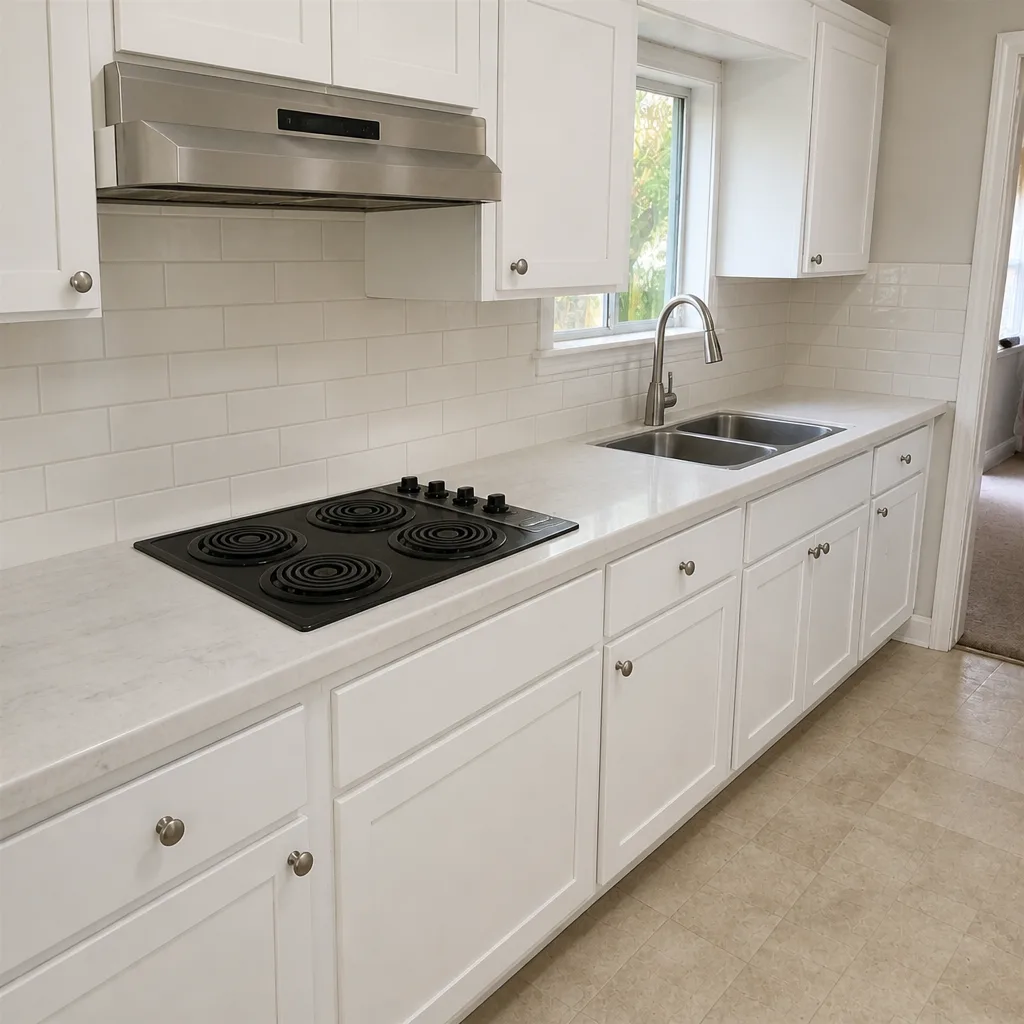 After
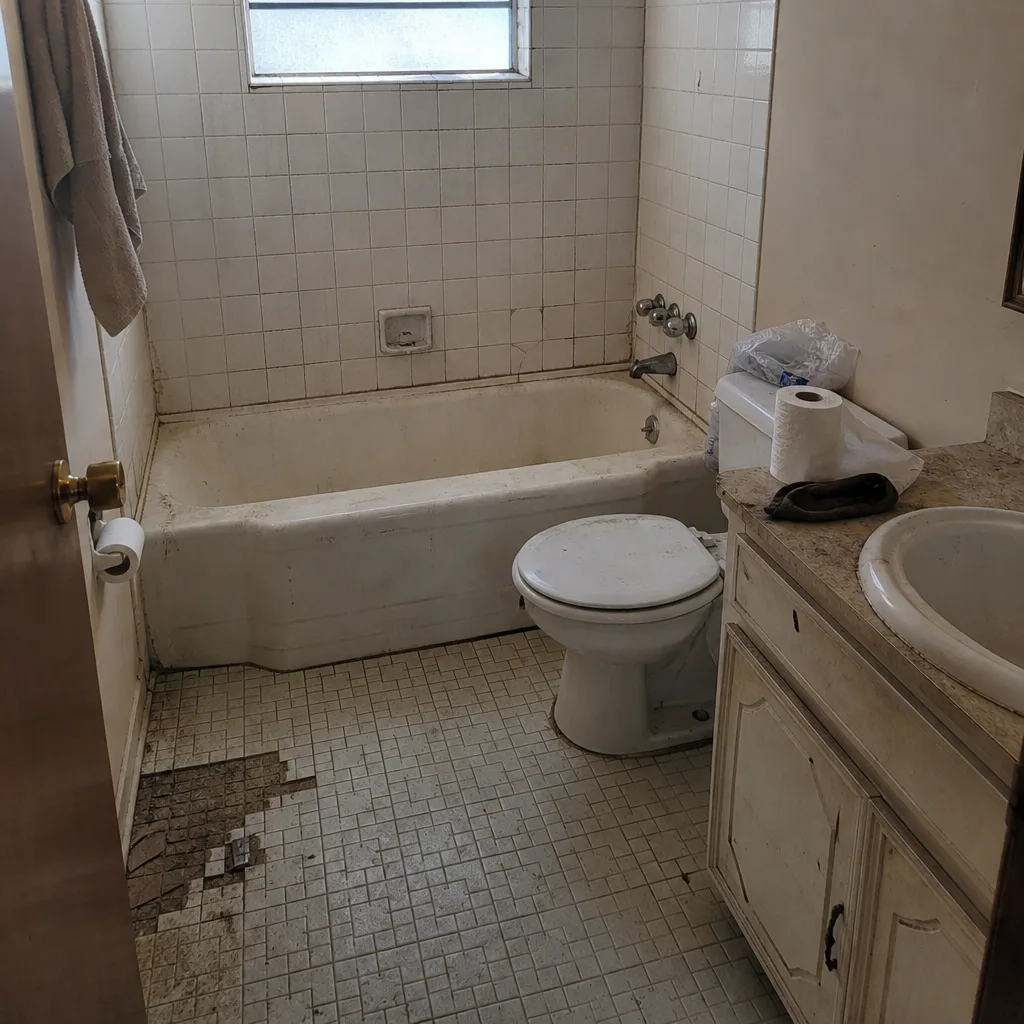 Before
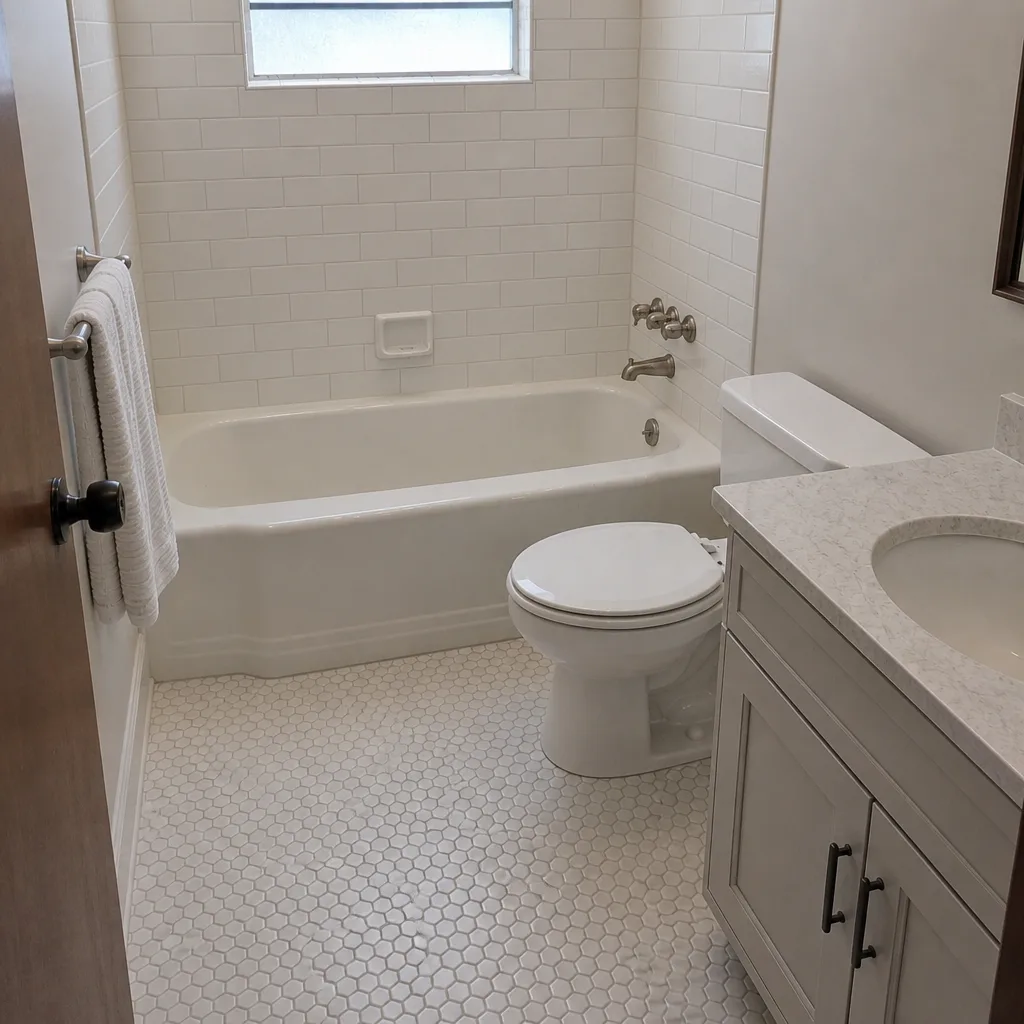 After
When to Call a Professional
Call a professional for any roof breach over a living space, any structural damage to a wall, header, or framing, any gas or electrical line that may be involved, any pipe that has burst and soaked into drywall or insulation, and any vehicle impact to a garage, wall, or fence. Do not call for a missing shingle or a small window crack that can wait for the adjuster in daylight. The judgment call is: if water is actively entering the home, or the structure’s integrity is in question, call now.
Barrett & Sons Construction Irving offers free estimates in Irving – call (833) 991-4970. A live person answers the phone 24 hours a day. We pull permits, inspect the work, and back it with the 90-Day Done Right Promise in writing. We do free second opinions on any written estimate you’ve already been handed, which is the fastest way to know if the scope is complete before you sign it.
Frequently Asked Questions

Get everyone in the house safe, then photograph the damage from the ground before you do anything else. Call your insurance agent and file the claim, then call a licensed contractor for temporary weatherproofing – a tarp or board to stop further water intrusion – while you wait for the adjuster. Don’t climb on the roof yourself, and don’t make permanent repairs before the adjuster has seen the damage. Call (833) 991-4970 if you need help finding what to photograph first.
Roof replacement and any structural wall repair in Irving require a permit and an inspection. The permit is usually issued quickly, and the inspection is what an adjuster wants to see at claim close. Temporary weatherproofing (tarping, boarding) does not require a permit; permanent structural repairs do. If a contractor tells you a structural repair doesn’t need a permit, call a different contractor. Call (833) 991-4970 to get the permit question answered for your specific repair.
You can tarp a single-story roof with a shallow pitch from a ladder if it’s safe and you keep your feet on the ladder, not the roof. For any two-story home, steep pitch, or wet shingles, don’t do it – the fall risk is real and the damage is worse than the leak. A licensed crew will tarp safely and document it for the adjuster. Call (833) 991-4970 for free estimates in Irving.
Emergency tarping in Irving typically runs $250 to $600 depending on roof size and pitch, and window boarding runs $150 to $400 per opening. Most homeowner policies reimburse documented mitigation, so keep the receipt. The tarp or board is not the repair – it’s the stopgap that prevents the ceiling from coming down while you wait on the adjuster. Call (833) 991-4970 for a free onsite estimate and we’ll give you a written number before we start.
Shut off the main water valve immediately, then call a plumber for the pipe itself. Once the water is stopped, call a contractor for the water damage – the drywall, insulation, flooring, and trim are all reconstruction work. Photograph everything before any material comes out, and don’t discard damaged items until the adjuster has seen them. We handle the reconstruction side and pull the permit on structural work; call (833) 991-4970 for a free estimate.
The vehicle owner’s insurance is usually the paying party for a vehicle impact to your property, and your own policy may handle it as an uninsured motorist or a comprehensive claim if the driver is unidentified. Get the police report, photograph the damage, and don’t sign anything from the vehicle’s insurer before a contractor reviews the repair scope. The structural repair still needs a permit and an inspection. Call (833) 991-4970 for a free estimate on the reconstruction.
The Bottom Line
Construction emergency preparedness in Irving comes down to three things done before the storm. Build the documentation file now – photos, permits, material specs, insurance declaration page. Make one contractor relationship and one pre-season inspection part of your annual calendar. And know the first-hour sequence: safety first, photograph before you touch, call the adjuster, then your contractor, then tarp or board safely from the ground. The homeowners who come out best after a hail event are not the ones with the biggest weather kit. They’re the ones whose paperwork was organized and whose contractor answered on the first call. Call (833) 991-4970 for a free estimate in Irving and start the relationship before the next storm finds you.
Written by the team at Barrett & Sons Construction Irving.