Last updated November 18, 2026




Free written scope consultation - allowances, timeline, and change-order rules on paper before a single trade is scheduled
DIY vs Professional Bathroom Remodeling: What’s Safe to Do Yourself
A tile job that looks flawless on video can be ordered torn out at resale if nobody pulled a permit for it. That isn’t a scare tactic from a contractor’s sales pitch. It’s a line item that appeared on an Irving home sale in 2023, where the seller had to hand back $14,000 in concessions because a bathroom remodel had been finished without the required inspections. The real DIY question isn’t whether you have the skill. It’s what happens to your insurance and your resale inspection if you do the work yourself. This guide draws the line by permit triggers and liability exposure, not by how handy you feel on a Saturday, so Irving homeowners can decide with their eyes open.
Quick Answer
Safe DIY bathroom tasks are the ones that touch no plumbing, no wiring, and no structural framing: painting, swapping hardware, hanging a mirror, replacing a faucet aerator, and re-caulking. Anything that moves a drain, adds an outlet, changes a GFCI, or alters walls needs a pulled permit and, in most Irving cases, a licensed trade. The dividing line is permits and liability, not confidence.
Styles & brands we work with
- Kitchen remodeling
- Bathroom remodeling
- Home additions & ADU
- Roofing
- Windows & doors
- Driveway & pavers
- Fence
Table of Contents
- Where Irving Draws the Permit Line
- The Truly Safe DIY Tasks (and What They Cost You to Skip)
- The Gray Zone: Plumbing Rough-In and GFCI Electrical
- What Your Homeowner’s Insurance Actually Cares About
- How to Document DIY Work So It Doesn’t Bite You at Resale
- The Honest Cost Comparison: DIY Demo vs. What Demo Reveals
- Common Mistakes to Avoid
- When to Call a Professional
Where Irving Draws the Permit Line
The City of Irving enforces permits through its Building Inspections division, and bathroom work falls into a clear pattern once you’ve watched enough of these jobs go through. Cosmetic work that doesn’t move a pipe or a wire generally needs no permit. Work that changes the plumbing system, the electrical system, or the structural envelope does. The distinction is about what the inspector needs to sign off on before the wall closes, because once drywall goes back up, nobody can verify the work behind it.
What that means in practice:
- No permit needed: paint, tile over existing substrate (if the substrate is sound), vanity hardware, mirror and shelving installs that hit studs, re-caulking, and swapping a faucet aerator or showerhead.
- Permit needed: relocating a drain or supply line, adding a shower valve, replacing a water heater, moving a toilet flange, adding an exhaust fan on a new circuit, and any new or relocated electrical outlet.
- Permit plus licensed trade: anything touching the electrical panel, new GFCI circuits in wet zones, gas line work if you have gas fixtures, and structural changes like removing a load-bearing wall to expand a bathroom.
Irving’s building department publishes its permit requirements and fee schedule, and the counter staff will tell you plainly whether your project needs one. Ask before you swing a hammer, not after. The permit inspector works for you, not for us, and that’s exactly why the inspection is worth having done.
The Truly Safe DIY Tasks (and What They Cost You to Skip)
These are the jobs where doing it yourself carries no insurance consequence, no permit requirement, and no resale risk. They’re also where a homeowner saves the most per hour of effort, because the professional time they replace is mostly setup and cleanup.
- Painting. A full bathroom repaint runs $400 to $900 in the Irving market for a pro job. Doing it yourself costs $80 to $150 in paint and supplies. Use a bath-rated acrylic that handles humidity, and give it two coats.
- Hardware swaps. Cabinet pulls, towel bars, toilet paper holders, drawer fronts. Twenty minutes with a screwdriver and a drill. No permit, no inspection.
- Mirror installation. A framed mirror hung into studs with proper anchors. If it’s a heavy glass mirror over a vanity, use two people and a stud finder.
- Faucet aerator cleaning and showerhead replacement. Unscrew, soak in vinegar, reinstall, or swap the showerhead for a new one. Both are threaded connections that don’t require opening a wall.
- Re-caulking the tub and shower surround. Scrape the old caulk, clean with a mildew remover, dry fully, then apply a kitchen-and-bath silicone. Texas humidity makes a failing caulk line a common call, and this one is worth doing yourself every two to three years.
None of these touch a water line under pressure inside a wall, and none of them change the electrical system. That’s the test.
The Gray Zone: Plumbing Rough-In and GFCI Electrical
A homeowner can legally replace a faucet in Irving. A homeowner can also legally swap a light fixture. But the moment the work crosses from a fixture swap into a rough-in, the rules change, and the crossing point is narrower than most people assume.
Consider the difference between these two jobs:
- Replacing a vanity faucet: no permit, homeowner-legal. The supply lines are already there and shut off at the valve.
- Moving the vanity drain two feet to accommodate a wider cabinet: permit territory. You’re cutting into a drain line, adding a trap arm and a fitting, and the inspector needs to see it before drywall.
On the electrical side, GFCI protection is required in bathrooms by code and it’s the piece that trips people up. Replacing a GFCI outlet with an identical one is a like-for-like swap. Adding a new outlet, extending a circuit, or moving the GFCI to a new location is electrical permit work. The gray zone widens further when the existing wiring in an older Irving home, many of which date to the 1960s and 1970s, turns out to be aluminum or undersized once the wall opens.
Our crews have walked into bathroom jobs where the plan was one thing and the wiring revealed something else entirely. That’s a scope change, and it should be a written change order with a number on it before anyone cuts. If you DIY the rough-in and the inspector finds the panel can’t support the circuit, the correction is your problem. On a licensed job with permits pulled and inspections signed, it’s ours to fix.
What Your Homeowner’s Insurance Actually Cares About
Your homeowner’s policy will not ask who hung the mirror. It will ask a very specific question if a bathroom flood or a fire happens: was the work that caused the loss done by a licensed contractor with permits on file? If the answer is no, the claim can be denied or reduced, and that’s before the conversation about resale.
The pattern we see in Irving is consistent. Unpermitted plumbing rough-in is the most expensive claim to fight. A slow leak behind a shower wall that goes undetected for six months will do more damage than a burst pipe, because the destruction happens quietly and the repair is discovered at the same time as the mold. Insurers treat that as a maintenance failure when the work behind the wall wasn’t inspected, which is a different outcome than a sudden mechanical failure the policy covers.
Unpermitted electrical is the other one. A GFCI that trips correctly with an inspector present is a different thing than a circuit that was never signed off, and a bathroom fire claim with no electrical inspection on record puts the burden on you to prove the work wasn’t the cause. That proof is often impossible to assemble after the fact.
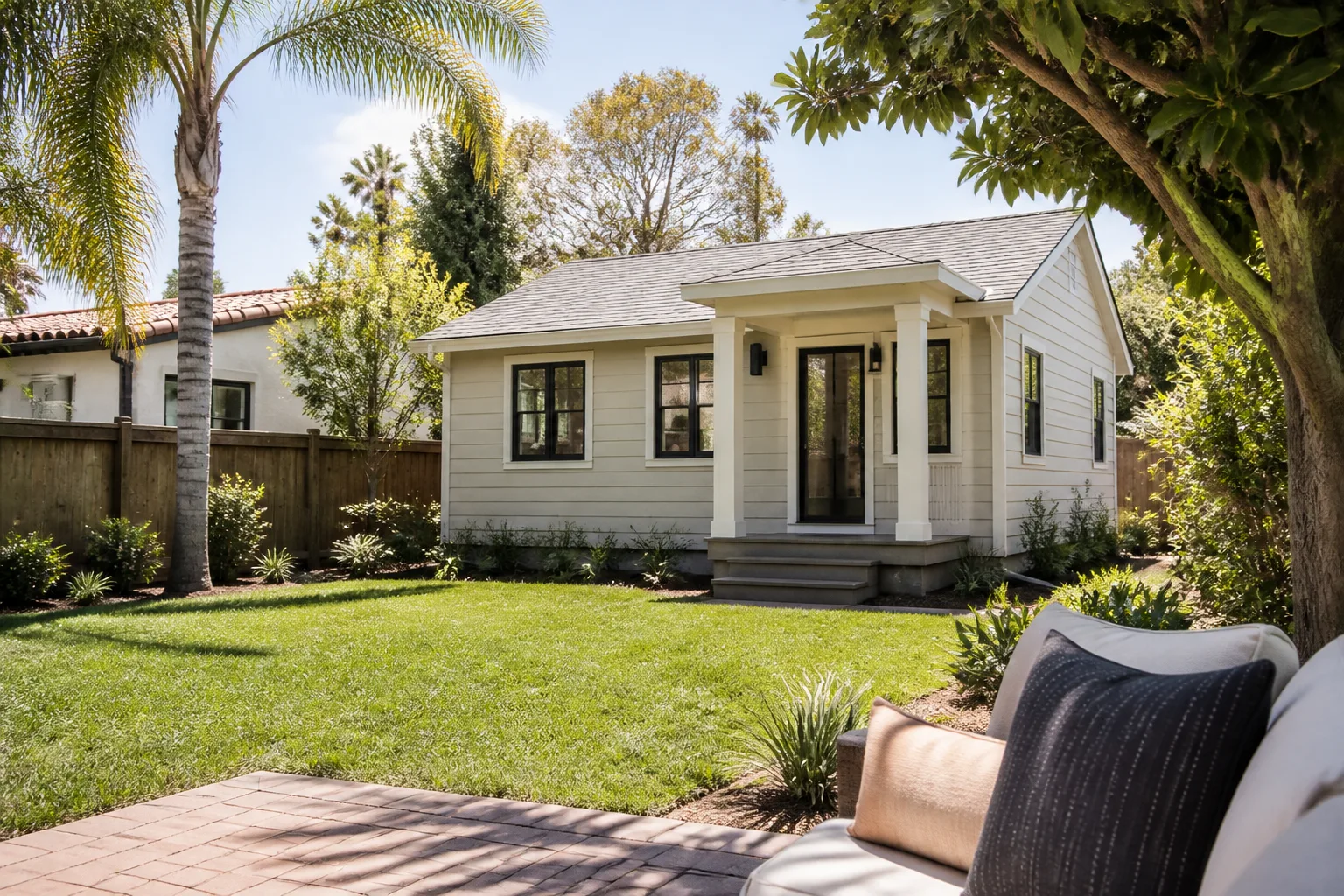
If you’re planning a renovation wider than the bathroom, this concern travels. We see the same pattern in home additions and ADU work in Irving, where unpermitted framing comes back to meet the homeowner at appraisal time. The permit rule is the same whether you’re tiling a shower or adding a bedroom.
How to Document DIY Work So It Doesn’t Bite You at Resale
If you do the safe DIY work, document it. A future buyer’s inspector will look for evidence that the work was done right, and a file of photos and receipts goes a long way toward answering the question before it hardens into a demand for a concession.
- Photograph the process, not just the finish. Pre-work condition, the wall open if you opened it, the finished product.
- Save every receipt. Paint brands, caulk type, hardware model numbers, and any permits you filed. A paper or digital file with dates is sufficient.
- Note the dates. A purchase receipt with a date on it establishes when the work happened, which matters if the buyer’s inspector asks.
- Keep the permit paperwork. If you did pull a permit, keep the signed inspection card. It’s the single strongest piece of documentation you can hand a buyer.
- Disclose at sale. List every DIY item you did on the seller’s disclosure. An item disclosed and photo-documented is normal. An item discovered is a negotiation.
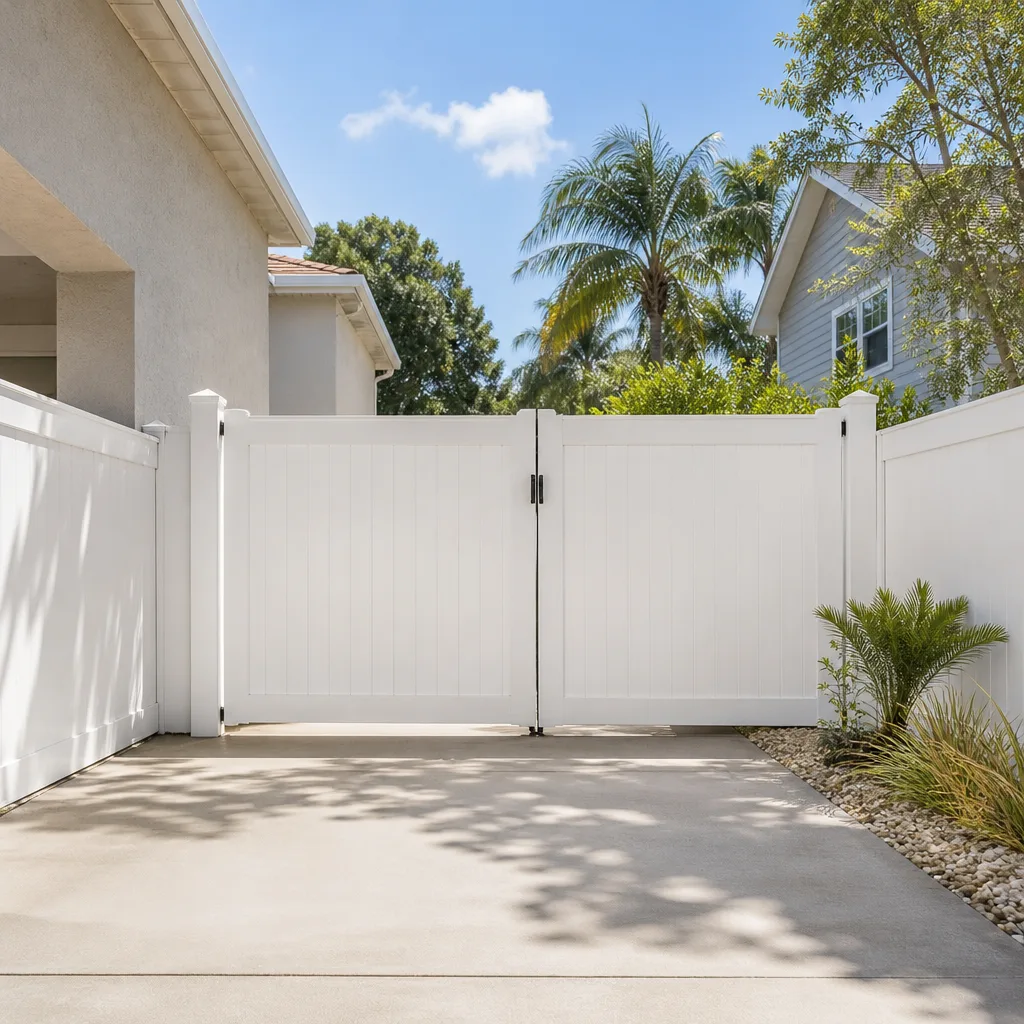
The same discipline pays off on the exterior of the house. If you installed fence installation in Irving as a DIY project, keep the gate hardware receipts and photos too. Anything attached to the property is part of the resale inspection conversation.
The Honest Cost Comparison: DIY Demo vs. What Demo Reveals
Demo is the job homeowners most often take on themselves, and on paper it looks like free money. A bathroom demo runs $800 to $1,500 on a professional crew in the Irving market, and most of that is labor and haul-off. Doing it yourself saves the labor. The trap is what demo uncovers.
Here’s the honest breakdown we’ve seen on Irving jobs:
- Straightforward demo: 4 to 6 hours of swinging a sledge and carrying tile to a dumpster. Save $600 to $900. No permit impact.
- Demo that reveals a rotted subfloor around the toilet: add $800 to $2,200 for subfloor repair. Most of that is not the removal, it’s the rebuild and the extra days of drying time.
- Demo that reveals a slow leak behind the shower wall: add $1,000 to $3,500 for framing repair, mold remediation, and re-tile.
- Demo that reveals the cast iron drain is cracked: add $1,500 to $4,000 for drain line replacement, which is permit work and licensed trade work.
When a homeowner does the demo, they negotiate each of those surprises on their own, often while the bathroom sits open and unusable. When a contractor does the demo with a written scope and a change-order process, the surprise arrives as a number on paper before the next phase starts. In Irving, we see the subfloor problem most often in homes built in the 1970s and 1980s, where the original flange or wax ring has been seeping for years.
The driveway and hardscape version of this is the same story. When you tackle a driveway and pavers project in Irving, the base prep is the line between a job that lasts and one that heaves in a summer. That’s the kind of thing a written scope catches before it becomes an invoice.
Common Mistakes to Avoid
- Assuming tile is always cosmetic. If the substrate is wet or the waterproofing layer wasn’t done right, a top-layer tile job will fail. The tile above a failing shower pan is a cosmetic story with an expensive ending.
- Watching video tutorials that skip the permit. A YouTube-perfect tile job done without a permit can cost you at resale inspection. The permit is the document that makes the video’s finish durable on paper.
- Skipping the GFCI when you add an outlet. Bathroom outlets need GFCI protection, and a homeowner who adds an outlet on the existing circuit without one has made a fire risk that’s cheaper to fix now than after a claim.
- Doing the plumbing rough-in yourself to save money. The rough-in is the piece an inspector needs to sign before the wall closes. If you do it later without one, the fix involves opening the wall again.
- Forgetting to document. An undocumented DIY repair is a resale question. A documented one is a seller’s disclosure with a receipt behind it.
- Doing demo before the scope is written. Demo reveals the surprises. If you don’t have the surprises priced in writing, they arrive as your problem.
- Replacing a shower valve with a “same size” unit. The replacement usually isn’t the same size, and the plumbing modification is where the permit lives. We see this one go wrong often in Irving’s older housing stock.
When to Call a Professional
Call a professional for any work that touches the plumbing rough-in, the electrical system, the structural framing, or the waterproofing envelope behind a shower or tub. That means: relocating a drain or supply, adding or moving a GFCI, installing a new exhaust fan on a new circuit, replacing a shower pan or valve, removing a wall to expand the bathroom, and any tile job where the substrate is wet or failing. If the work needs a permit, it needs a licensed contractor in most Irving cases, and that’s the honest line. The permit isn’t a tax on your time. It’s the document your insurance company will ask for and your buyer’s inspector will look for.
Barrett & Sons Construction Irving offers free estimates in Irving. Every eligible job includes the permit pulled and the inspection signed, and any price change is a written change order before work proceeds. If the work happens on a construction or remodeling job, it’s backed by the written 90-Day Done Right Promise, which means one call brings Tom back to make it right. We also publish our license number and address, so you can look them up before you sign anything. Call (833) 991-4970 for your free estimate.
Frequently Asked Questions
You can legally do cosmetic work in Irving without a permit, including painting, hardware swaps, mirror installs, and faucet aerator cleaning. Anything that moves a pipe, adds or relocates an electrical outlet, changes a GFCI, or alters walls requires a permit, and most of those trades need a licensed contractor. Call the City of Irving Building Inspections division and ask before you start. They’ll tell you directly whether your project needs one.
It can, if unpermitted plumbing or electrical work causes a loss. A flood from an unpermitted drain modification or a fire from an uninspected electrical circuit can produce a denied or reduced claim, because the insurance company will ask for the permit record. Cosmetic DIY work with no plumbing or electrical consequences doesn’t trigger the same question. Call (833) 991-4970 if you want a free second opinion on an existing estimate before you commit.
A full bathroom remodel in the Irving market runs roughly $12,000 to $28,000 for a mid-grade professional job, depending on size and finish level. A DIY approach on the same scope saves labor, typically $4,000 to $8,000, but exposes you to the cost of undiscovered conditions and the permit risk at resale. The savings look real on paper and narrow once you price the surprises. Call (833) 991-4970 for a free written estimate with a line-item scope.
You can, and on a straightforward bathroom demo it saves $600 to $900. The honest catch is what demo reveals. Rotted subfloor, a leaking shower pan, or a cracked drain adds $800 to $4,000 to the job, and when you’re the one holding the sledgehammer, that’s your surprise to negotiate while the bathroom sits unusable. A written scope with a change-order process turns a surprise into a number on paper before the next phase starts.
Yes. A buyer’s inspector will flag bathroom work that shows signs of being done without a permit, and many will recommend the buyer verify permit history with the City of Irving. If unpermitted work is found, the seller can be asked to remove it or offer a concession, and that number can be larger than the original remodel. Keep your permit paperwork. It’s the single strongest document you can hand a buyer.
Painting, hardware swaps, hanging a mirror or shelving into studs, cleaning a faucet aerator, replacing a showerhead, and re-caulking a tub or shower surround are all safe for a homeowner with basic tools. None of these require a permit, and none of them change the plumbing or electrical system behind the wall. If a task requires opening a wall or adding an outlet, it moves out of the safe category.
The Bottom Line
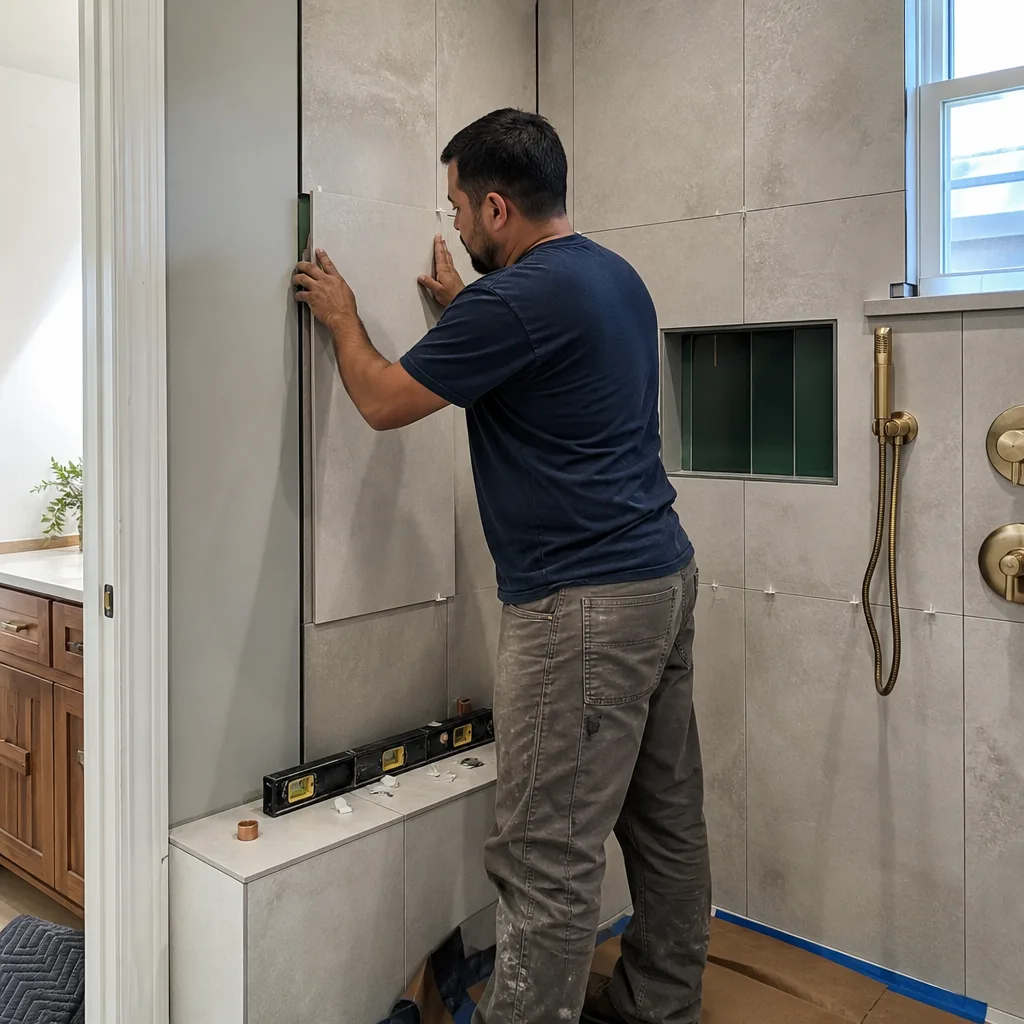
The DIY question isn’t about how handy you are. It’s about permits, insurance, and resale. Painting, hardware swaps, mirror installs, faucet aerator cleaning, and re-caulking are safe and worth doing yourself. Plumbing rough-in, GFCI electrical work, structural changes, and the waterproofing envelope behind a shower are professional work, not because homeowners lack skill, but because those are the areas where the permit, the inspection, and the insurance record sit. Document any DIY work you do. The file is what protects you at sale. And when you’re ready to price the rest, call us for an honest number in writing. Whether you’re remodeling a bath or planning a wider project with us as your Barrett & Sons Construction Irving home base, the scope is on paper before anyone swings a hammer.
Call Barrett & Sons Construction Irving at (833) 991-4970 to schedule your free estimate. We answer the phone with a live person, and every price change arrives in writing before work starts.
Written by the team at Barrett & Sons Construction Irving.
See the difference
 Before
 After
 Before
 After
 Before
 After