Last updated November 18, 2026



Free written scope consultation - allowances, timeline, and change-order rules on paper before a single trade is scheduled
DIY vs Professional Construction: The Irving Homeowner’s Decision Guide
Here’s the part most guides skip: in Irving, you can legally lay your own tile, paint your own siding, and even swap out your own water heater. But if you frame an addition without a permit and a licensed contractor, you may end up owning a structure your insurance carrier won’t cover and your buyer’s title company will flag at closing. The DIY-versus-pro question isn’t really about whether you’re handy. It’s about three categories almost nobody explains honestly: what Texas law actually requires, what your insurance policy does when you touch certain systems, and what genuinely makes sense for a capable homeowner to do alone. This guide walks through all three, with Irving specifics.
Quick Answer
In Irving, cosmetic and surface work (paint, flooring, tile, trim, light landscaping) is safe and legal for a homeowner to do, often with a permit for anything that changes the structure. Work on structural framing, gas lines, and the main electrical system almost always needs a licensed professional, both because of Texas licensing rules and because self-performed work on those systems can void portions of your homeowners insurance and complicate a future sale. The honest rule: DIY the finishes, hire licensed pros for anything behind the walls that a future buyer’s inspector will judge you for.
Styles & brands we work with
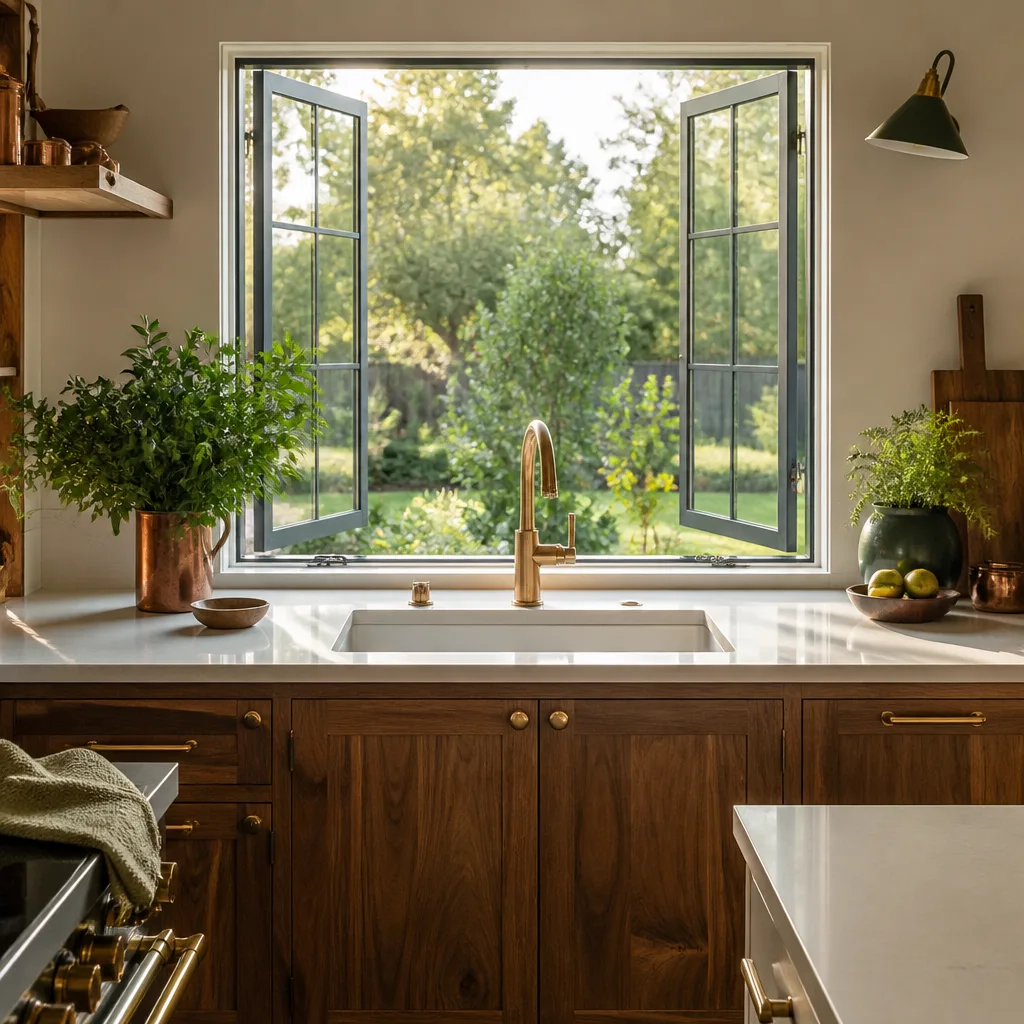
- Kitchen remodeling
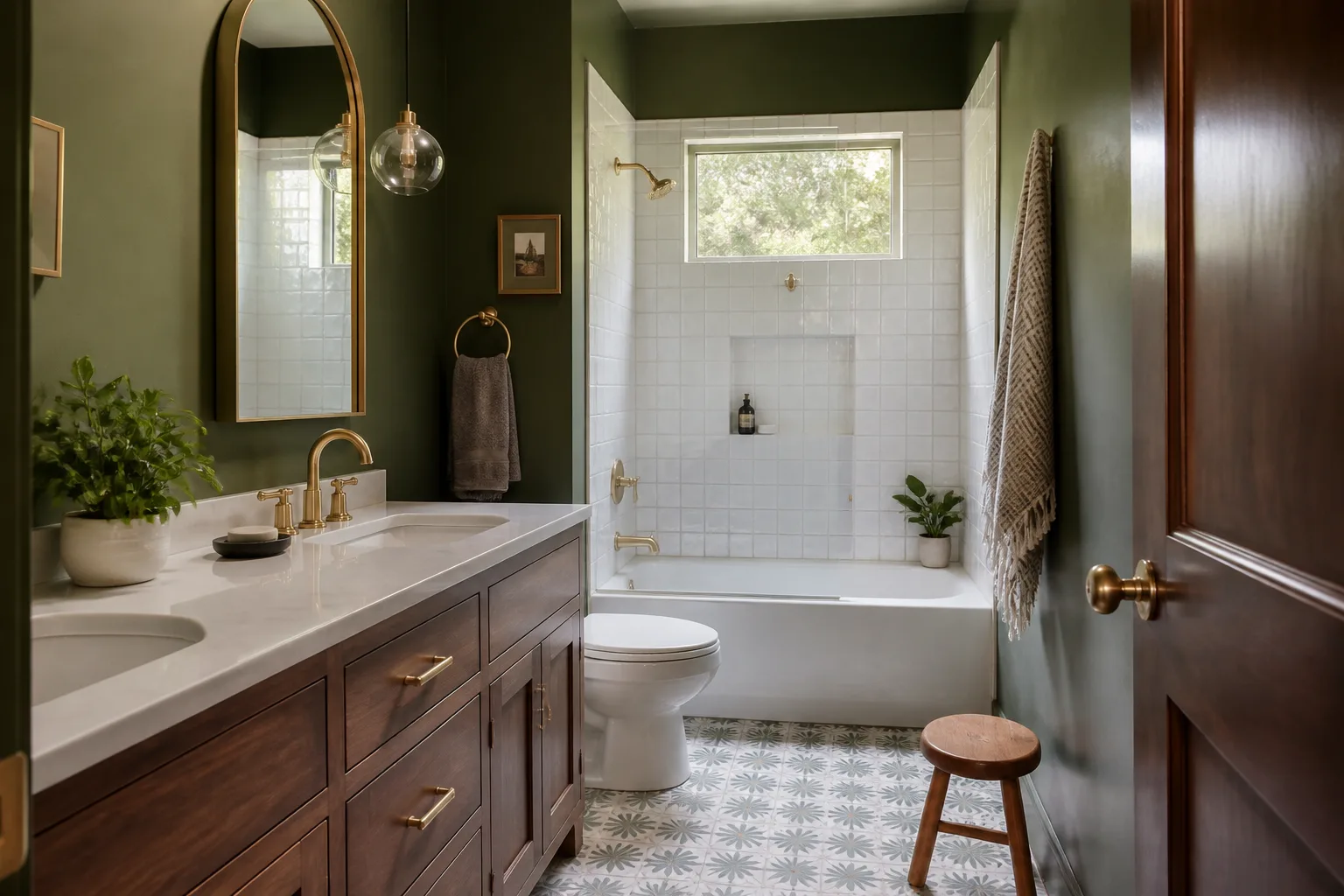
- Bathroom remodeling
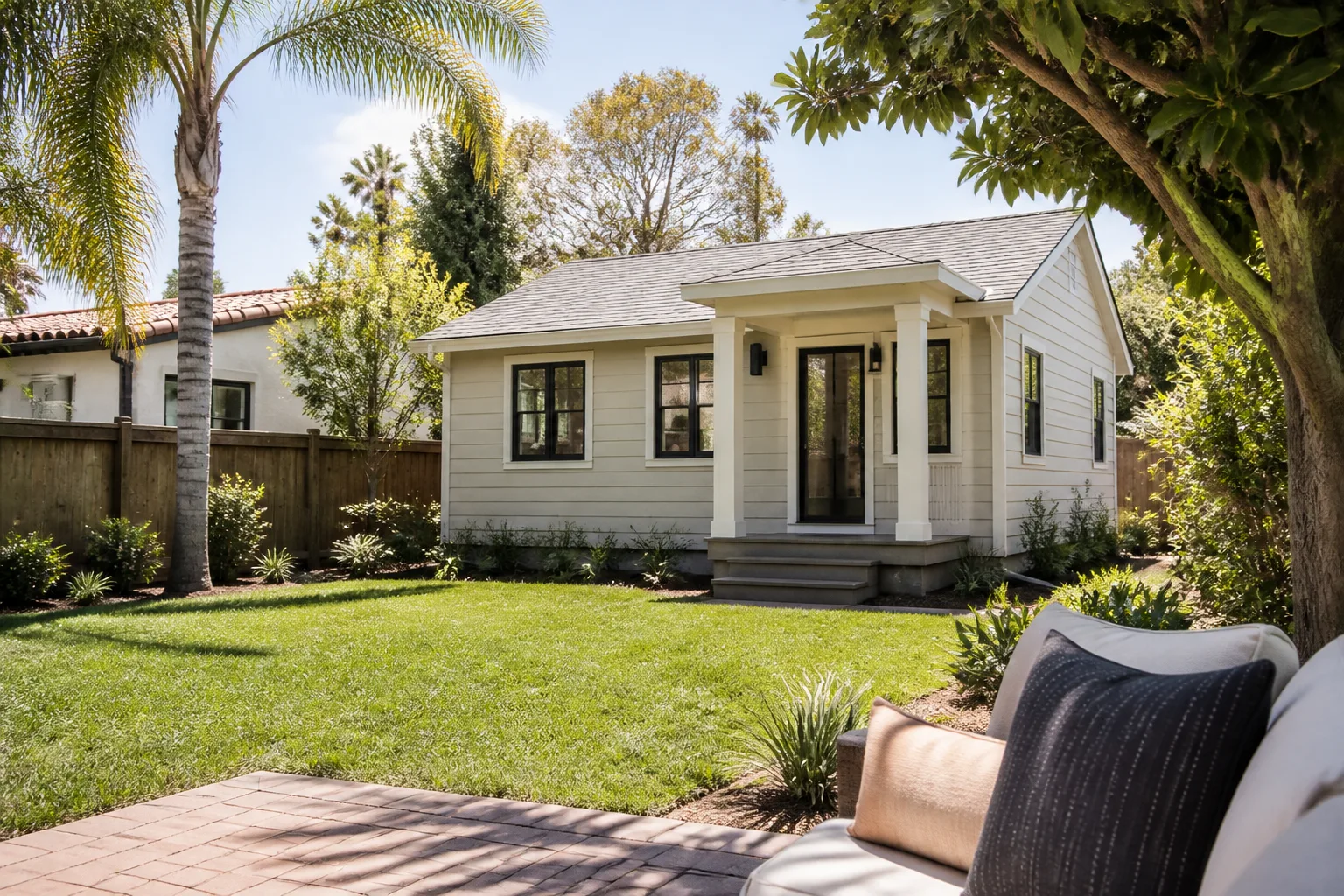
- Home additions & ADU
- Roofing
- Windows & doors
- Driveway & pavers
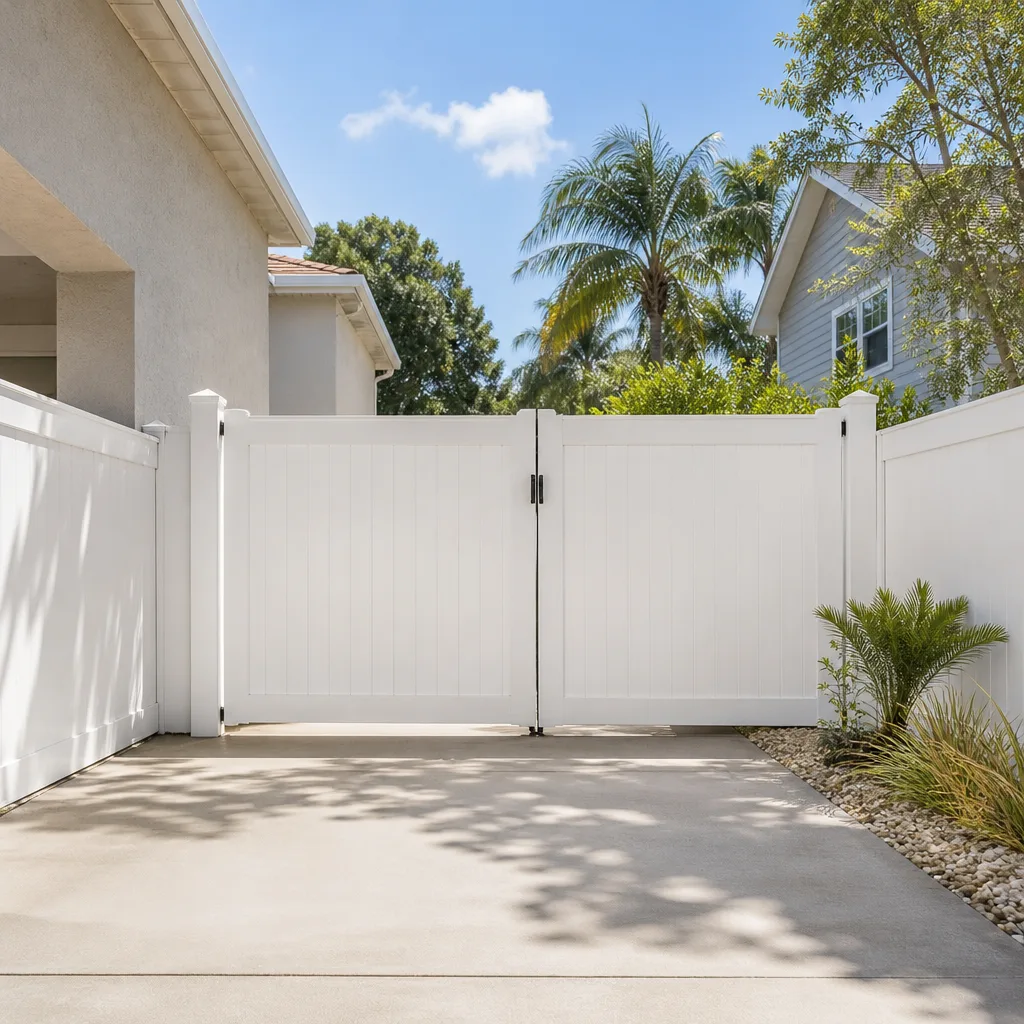
- Fence
Table of Contents
- What Texas Law Actually Requires in Irving
- How DIY Work Affects Your Insurance Coverage
- The Honest Skill and Tool Inventory
- Projects That Protect Resale Value in Irving
- How to Be Your Own General Contractor
- Permits and Inspections: The Irving Reality
- Irving Neighborhoods and the Climate Factor
- Common Mistakes to Avoid
- When to Call a Professional
- Frequently Asked Questions
What Texas Law Actually Requires in Irving
Texas doesn’t license general contractors statewide, which is exactly why so many homeowners assume they can do everything themselves. That assumption falls apart at the trade level. Texas does require licensed electricians for most residential electrical work, licensed plumbers for work that touches supply or drain lines, and licensed HVAC technicians for refrigerant and gas work. Those licenses aren’t optional, and pulling a permit under your own name as a homeowner doesn’t erase the license requirement for the trade itself.
What this means for a homeowner in Irving is that the trade work is often off-limits while the finish work is fair game. Here’s where the line falls in practical terms:
- Homeowner-eligible, often with a permit: interior paint, flooring, tile, trim, cabinet refacing, fence staining, landscaping, and replacing a like-for-like water heater (with a permit through the City of Irving).
- Licensed trade required: new electrical circuits, panel changes, gas line work, and any plumbing that requires opening a wall or moving a drain.
- Licensed contractor and permit required: new construction, additions, structural changes, roof replacements, and anything that changes the footprint of your home.
If you’re adding on square footage, that last category is where the paperwork stops being a formality and starts deciding whether the structure is insurable. For that kind of work, our Home Additions & ADU in Irving team handles the permit and inspection trail from the first sketch. In Irving, we regularly see homeowners try to fast-track a garage conversion and end up with a structure the county won’t sign off on.
How DIY Work Affects Your Insurance Coverage
Your homeowners policy doesn’t care how handy you are. It cares whether the work was done to code and whether it was permitted. When you self-perform work on structural, electrical, or plumbing systems without a permit, you create what carriers call an unpermitted improvement. If that work later causes damage (a leak behind a wall, a fire from a homeowner-installed circuit), the carrier can deny the claim on the grounds that the work was non-compliant, and in a worst-case scenario, drop the policy entirely.
The practical risk runs in three directions:
- Claim denial. A failed DIY electrical junction that starts a fire may not be covered if the adjuster finds no permit and no licensed installer on record.
- Coverage exclusions. Some carriers add endorsements excluding damage from non-permitted additions, which means the new room is essentially uninsured.
- Resale complications. Texas title companies increasingly ask for permit history on additions and structural work. A gap in the record can hold up a closing for weeks.
None of this is meant to scare you off painting your own living room. It’s about being honest that the systems behind the walls carry different rules than the surfaces in front of them. When we pull permits and pass inspections on a Barrett & Sons job, that paper trail is precisely what a carrier and a buyer want to see. It’s also why we tell clients to keep every inspection card in the same folder as their closing documents.
The Honest Skill and Tool Inventory
Before you decide a project is cost-effective as DIY, be honest about what you actually own and what you can actually do. A DIY project stops being cheaper the moment you rent a tool, buy a specialty blade, and redo a section you got wrong twice. The math changes fast.
Here’s a checklist worth running through before you start:
- Tools you own: do you have the exact saw, drill, level, and safety gear the job needs, or will you be buying them for one project?
- Comfort with failure: can you afford to redo a section twice if your first attempt isn’t square?
- Time budget: a weekend project usually runs three weekends for a first-timer, and a bathroom tile job can run a month of evenings.
- Physical demands: roof work, cabinet installs, and paver setting are hard on knees and shoulders, and this matters more after 60 than most guides admit.
- Code knowledge: can you read a permit application and an inspection checklist without help?
When a project fails two or more of those tests, hiring a pro usually saves money once you count the tools, the do-overs, and your time. Our technicians have up to 28 years of experience, and the difference between a first-timer and a pro on a tile job is often measured in square feet redone. For driveway and hardscape work specifically, the base prep is what separates a driveway that lasts from one that cracks by year three. That’s why most homeowners hand off Driveway & Pavers in Irving to a crew rather than tackle it themselves.
Projects That Protect Resale Value in Irving
Not every dollar you spend on your Irving home shows up at resale, and buyers are far pickier about some projects than others. They will scrutinize the roof, the HVAC, the electrical panel, and any addition. They will barely glance at a freshly painted room, which is exactly why painting is one of the best DIY values you can do. The rule of thumb: the more a project touches systems or structure, the more a buyer’s inspector will care, and the more you want a licensed pro’s name on the work.
In Irving’s market, three project types consistently return on resale and consistently get flagged when done DIY:
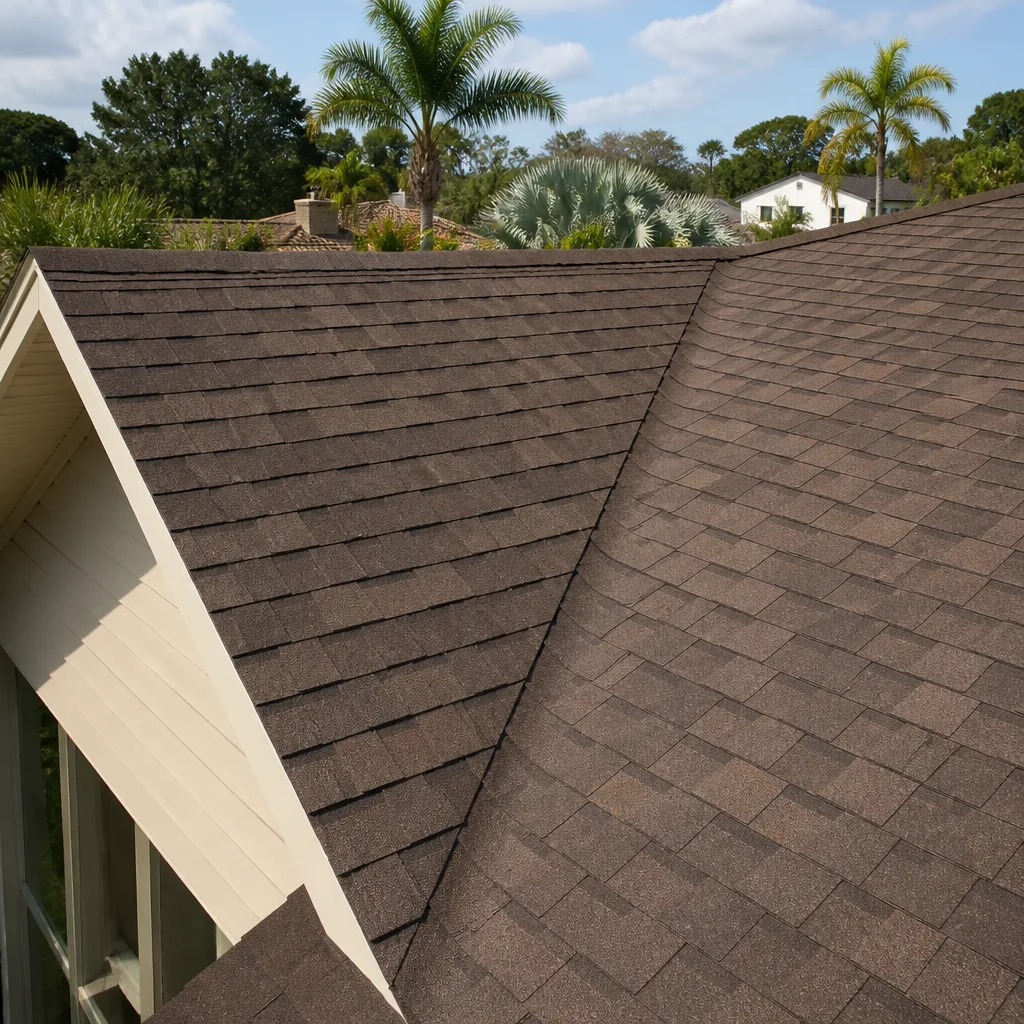
- Roof replacement. Buyers ask for the permit and the manufacturer warranty. Our crews install GAF and CertainSett systems with the paperwork attached, because a roof without a paper trail can cost you thousands at negotiation.
- Fence installation. A fence line that’s out of square or set on the wrong footing is visible from the street and a recurring inspection note. We install Barrette and Master Halco materials with footing depth matched to Irving’s clay soil.
- Driveways and pavers. A proper base, drainage, and edge restraint are what a buyer’s inspector checks. A DIY paver job that heaves after two summers is a negotiating chip against you.
Cosmetic work (paint, trim, light fixtures, landscaping) is where DIY genuinely pays because buyers won’t look past the surface. If you’re planning Fence Installation in Irving, that one’s worth a pro’s name on the permit and the warranty card.
How to Be Your Own General Contractor
You can absolutely manage a larger project yourself without swinging a hammer for the code-required trades. Owner-general-contracting works when you’re organized, when you keep every trade’s license and permit on record, and when you’re realistic about the coordination time. It doesn’t work when you’re hoping to save money by skipping the licensed subs on the electrical and plumbing, because that’s the part that gets flagged at inspection and at resale.
Here’s the sequence most owner-GCs follow on a mid-size Irving project:
- Get the drawings or scope locked first. You can’t bid a job you haven’t defined, and you can’t pull a permit without a scope.
- Pull the permit in your own name. The City of Irving will issue it to a homeowner for many project types, but only if you can show the drawings and the trade licenses.
- Hire licensed subs for the code trades. Electrical, plumbing, gas, and HVAC each need their own licensed contractor, and each needs to be listed on the permit.
- Sequence the trades correctly. Framing, rough-in, inspection, then drywall, then finishes. Skipping the rough-in inspection means opening walls later.
- Keep a single binder. Permits, inspection cards, sub licenses, material receipts, warranty cards. It’s the difference between a clean closing and a delay.
- Schedule the final inspection yourself. The inspector works for you, not for the sub, and a call to the city on your own behalf gets the job closed out faster.
What you can’t do as an owner-GC is legally install your own gas line or main panel. Those are license-required, and no amount of coordination removes that requirement. If the scope is beyond what you want to manage, our Barrett & Sons Construction Irving home team handles the whole sequence, permits and inspections included.
Permits and Inspections: The Irving Reality
The permit question is where most DIY projects quietly go wrong. In Irving, anything that changes the structure, adds square footage, replaces a roof, or alters the electrical or plumbing systems needs a permit from the City of Irving Building Inspections department. Some cosmetic work doesn’t. The catch isn’t the permit fee, it’s the inspection record it creates. The permit inspector works for you, not for the contractor, which is exactly why we like him. An inspector’s sign-off on an addition is the same document your insurance carrier and your buyer’s title company will ask for later.
What happens when work is done without a permit is the part homeowners underestimate. Three realistic outcomes:
- The city finds out. A neighbor complaint, an insurance inspection, or a resale disclosure can trigger a permit investigation and a stop-work order.
- The work is opened up. Inspectors may require the covered work to be exposed for review, which means drywall removal you didn’t budget for.
- The sale stalls. Title companies in Dallas County increasingly require permit history for structural and system work, and a gap can cost weeks at closing.
Our crews pull permits and pass inspections on every eligible job because it protects the homeowner from all three outcomes. It’s also why we tell clients that the last contractor who told them permits were optional probably told the next homeowner the same thing.
Irving Neighborhoods and the Climate Factor
Irving’s climate and soil shape which DIY projects actually fail and which hold up. Our summers run long and hot, spring brings hail, and the expansive clay soil that underlies much of the area moves with the moisture. That combination shows up in specific, predictable ways across Irving’s neighborhoods.
In Las Colinas and Valley Ranch, we see homeowner-installed fences heaving and leaning within a couple of seasons because footing depth wasn’t matched to the soil. In South Irving and near downtown, older housing stock means electrical panels that weren’t sized for modern load, and DIY circuit additions there are the most common source of insurance claim problems we’re called to sort out. In the newer developments toward Coppell and Grand Prairie, we regularly see fence and driveway projects fail because the base prep was rushed. Hail events stress every roof in Irving, and a DIY patch on a shingled roof is the kind of thing an insurance adjuster spots immediately.
None of this means you can’t do good work as a homeowner. It means the climate is unforgiving, and the projects that fail quietly fail expensively. Matching your materials to the local conditions (Barrette fencing rated for wind load, certain driveways engineered for expansive clay) is most of the battle, and it’s the part a first-timer has no way to know.
Common Mistakes to Avoid
- Skipping the permit to save a few hundred dollars. The permit fee is the cheapest part of the project. The inspection record is what protects you at resale, and skipping it costs more in the long run than it ever saves upfront.
- Treating electrical and plumbing as DIY. Both are license-required in Texas for most work, and both are the fastest way to void portions of your homeowners policy. If it’s behind the wall, it’s licensed trade territory.
- Buying specialty tools you’ll use once. First-timers often spend more on tools and material waste than they saved on labor. Rent when you can, and hire a pro when the tool list gets long.
- Underestimating the timeline. A weekend project for a pro runs three weekends for a first-timer, and a bathroom tile job can eat a month. Plan for it or hand it off.
- Ignoring Irving’s clay soil and hail reality. Footings, base prep, and roof materials have to account for local conditions. A project that holds up elsewhere can fail here in two summers.
- Not keeping a paper trail. Permits, inspection cards, sub licenses, and warranty cards belong in one folder. A closing delay is often a paper trail problem, not a quality problem.
- Hiring the cheapest bid with no license. The bid looks cheap until the work has to be redone by a licensed pro, which is a cost homeowners in Irving absorb more often than they should.
When to Call a Professional
Call a licensed professional when the project touches structure, the main electrical panel, gas lines, plumbing behind walls, your roof, or anything that changes the footprint of your home. Call when the permit requires a licensed contractor on record. Call when the tool list runs past what you own and the timeline runs past what you can realistically manage. Call when you’re not sure whether it’s DIY-eligible, because that uncertainty is itself a signal. Barrett & Sons Construction Irving offers free estimates in Irving, written change orders before any scope change, permits pulled and inspections signed on every eligible job, and the written 90-Day Done Right Promise on every completed project. Call (833) 991-4970 to schedule your free estimate.
Frequently Asked Questions
Generally no, and this is true across most of Texas. Most residential electrical work, especially anything involving new circuits, panel changes, or the main service, requires a licensed electrician. A homeowner can typically change a light fixture or an outlet, but anything behind the panel is licensed trade work, and self-performed electrical work is one of the fastest ways to void portions of a homeowners policy. Call (833) 991-4970 if you’re unsure whether your project qualifies as a homeowner-eligible change.
Yes, in most cases. The City of Irving requires a permit for new fence installation, and fences over a certain height or on corner lots have additional setback rules. Footing depth also has to account for the area’s expansive clay, which is why so many homeowner-installed fences lean within a couple of seasons. Call (833) 991-4970 for a free estimate and to confirm permit requirements for your specific lot.
It can, particularly when the work is on structural, electrical, or plumbing systems and was done without a permit or licensed installer. Carriers can deny a claim if damage traces back to non-compliant work, and some policies exclude damage from non-permitted additions entirely. Keeping a permit and inspection record on every system-level project is the simplest way to protect your coverage. Call (833) 991-4970 if you want a pro’s name on the paperwork.
A typical wood privacy fence in Irving runs roughly $25 to $45 per linear foot installed, and a vinyl or composite fence runs somewhat higher depending on the brand. Barrett & Sons installs Barrette and Master Halco fencing with footing depth matched to local soil, and the estimate is written line-item so there are no surprise invoices at the end. Call (833) 991-4970 to schedule a free estimate.
Yes, for many project types. Texas doesn’t license general contractors statewide, so a homeowner can pull a permit in their own name and hire licensed subs for the code-required trades (electrical, plumbing, gas, HVAC). What you can’t do is legally perform those trades yourself. Owner-GC work is a coordination job, and it works best when you keep every sub’s license, permit, and inspection card in one folder. Call (833) 991-4970 if you want to compare doing it yourself against a full-service bid.
It can. Texas title companies increasingly check permit history on additions, structural work, and system replacements, and a gap in the record can hold up a closing. An unpermitted addition may also raise flags with a buyer’s insurance carrier. Pulling the permit upfront is almost always cheaper than resolving the question at resale. Call (833) 991-4970 for a free second opinion on any written estimate or a review of permit history before you list.
The Bottom Line
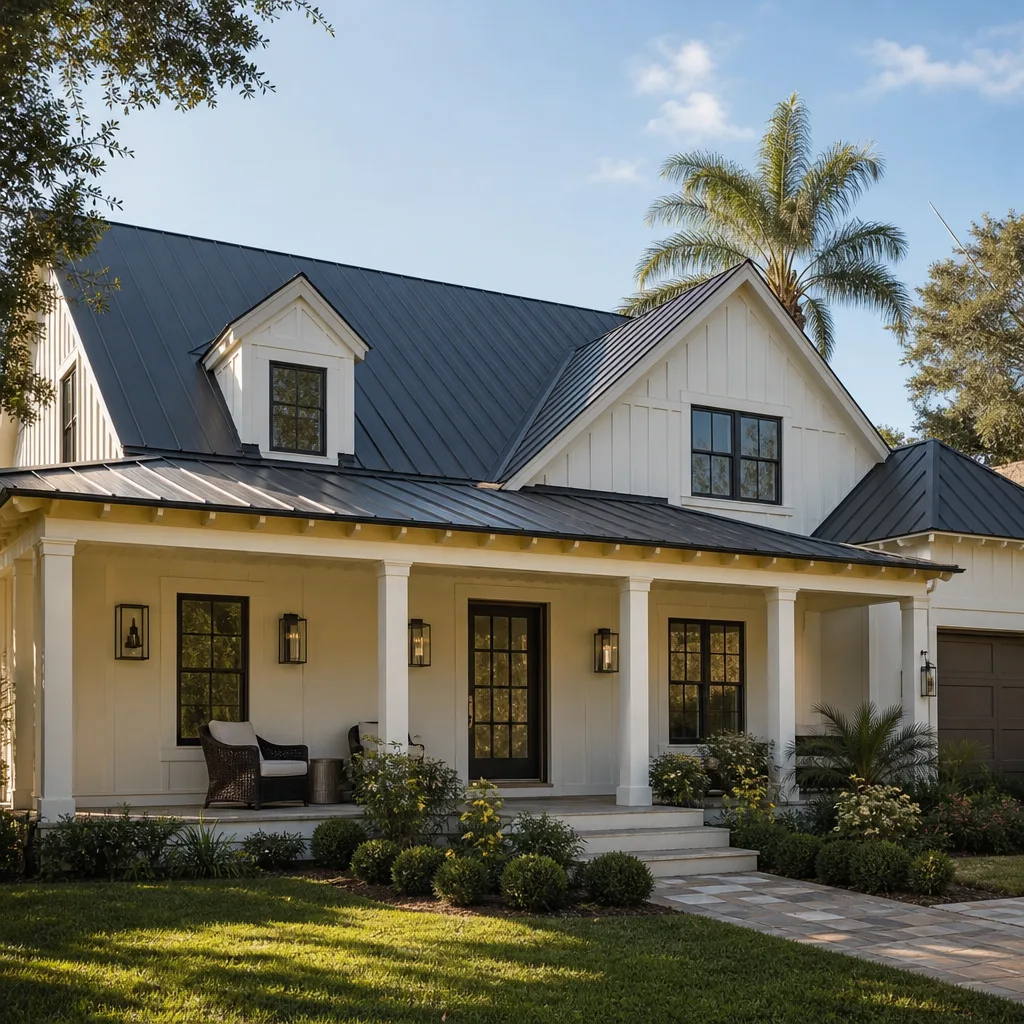
The DIY-versus-pro decision in Irving comes down to three things: what Texas law requires, what your insurance covers, and what a future buyer’s inspector will judge. Cosmetic work, paint, flooring, trim, and light landscaping are genuinely DIY-eligible and often pay for themselves. Structural work, electrical, plumbing, gas, roof replacement, and anything that changes your home’s footprint belong in licensed hands, both for the permit and for the paper trail. If you take one thing from this guide, take this: DIY the finishes, hire licensed pros for anything behind the walls. If you want a pro’s name on the paperwork, Barrett & Sons Construction Irving offers free estimates, written change orders before any scope change, and the written 90-Day Done Right Promise on every completed job. Call (833) 991-4970 to schedule your free estimate.
Written by the team at Barrett & Sons Construction Irving.
See the difference
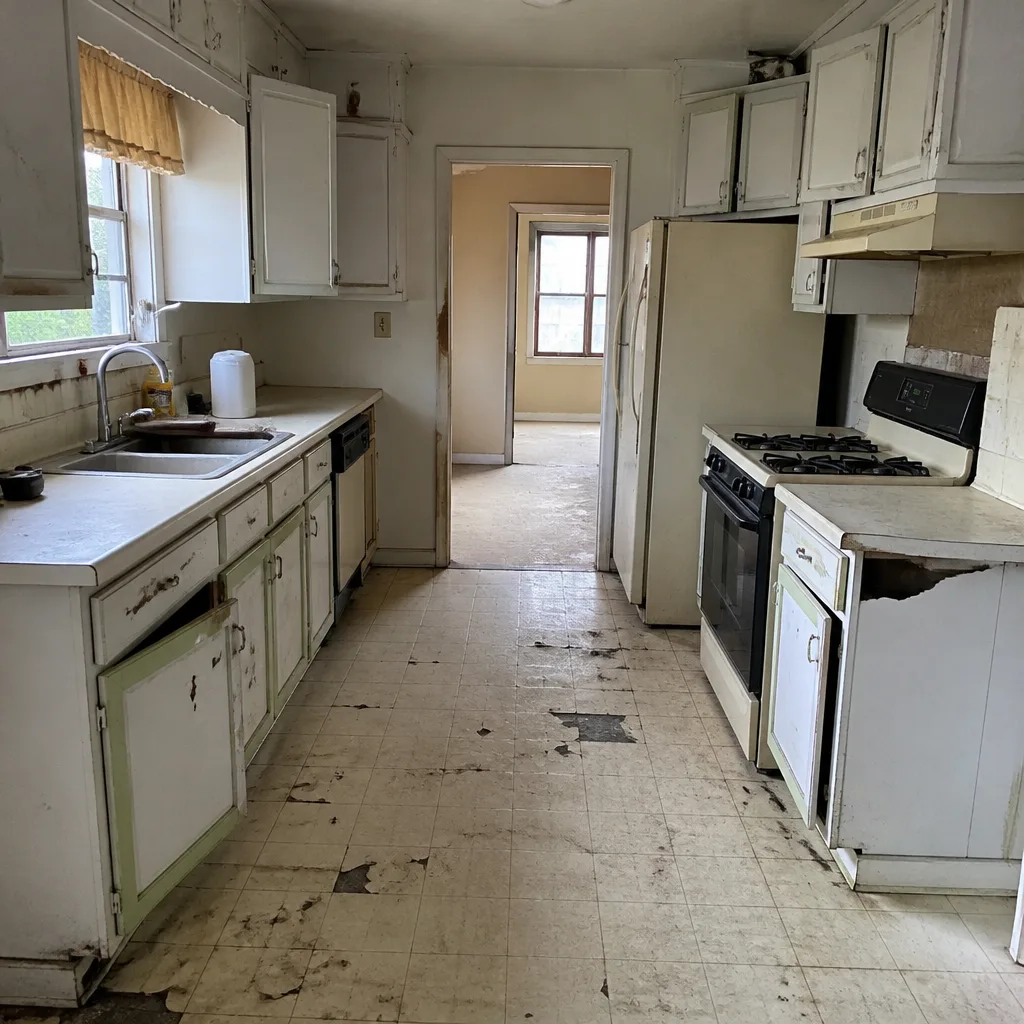 Before
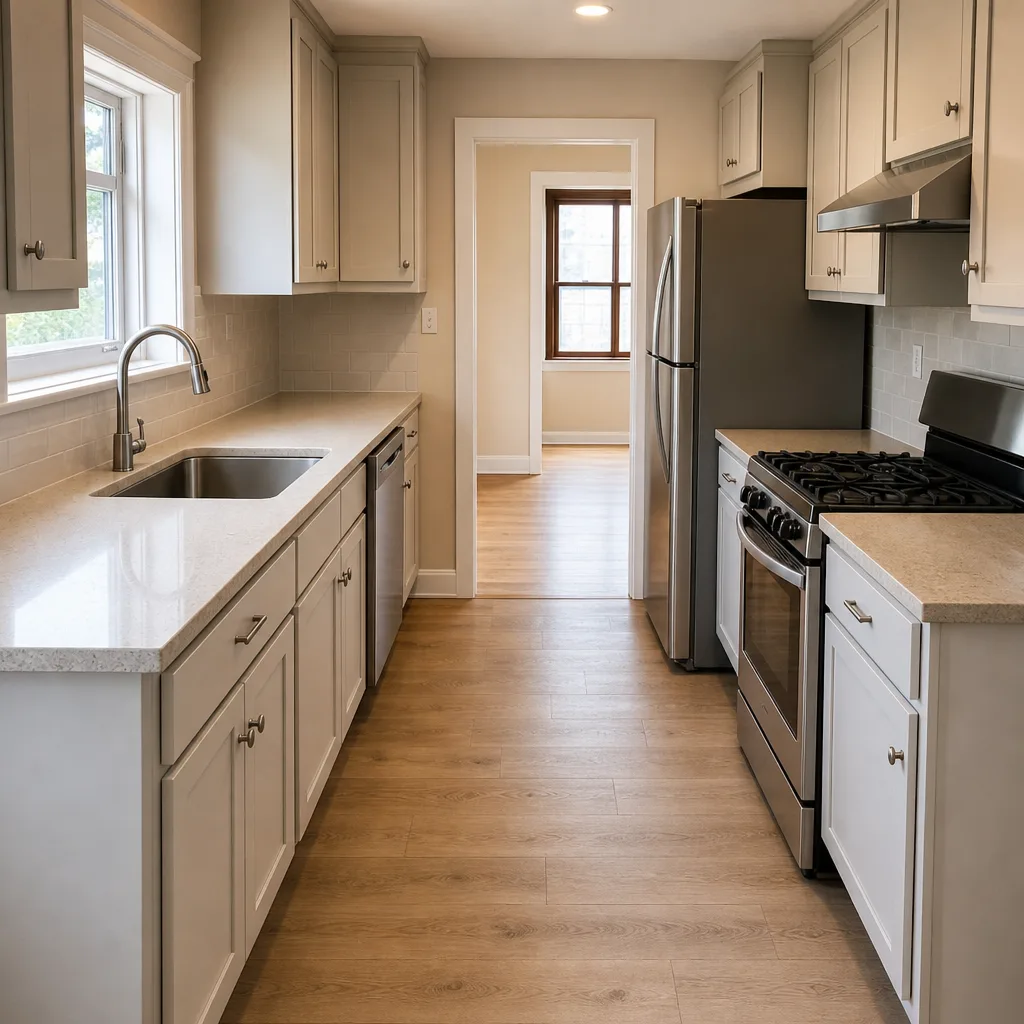 After
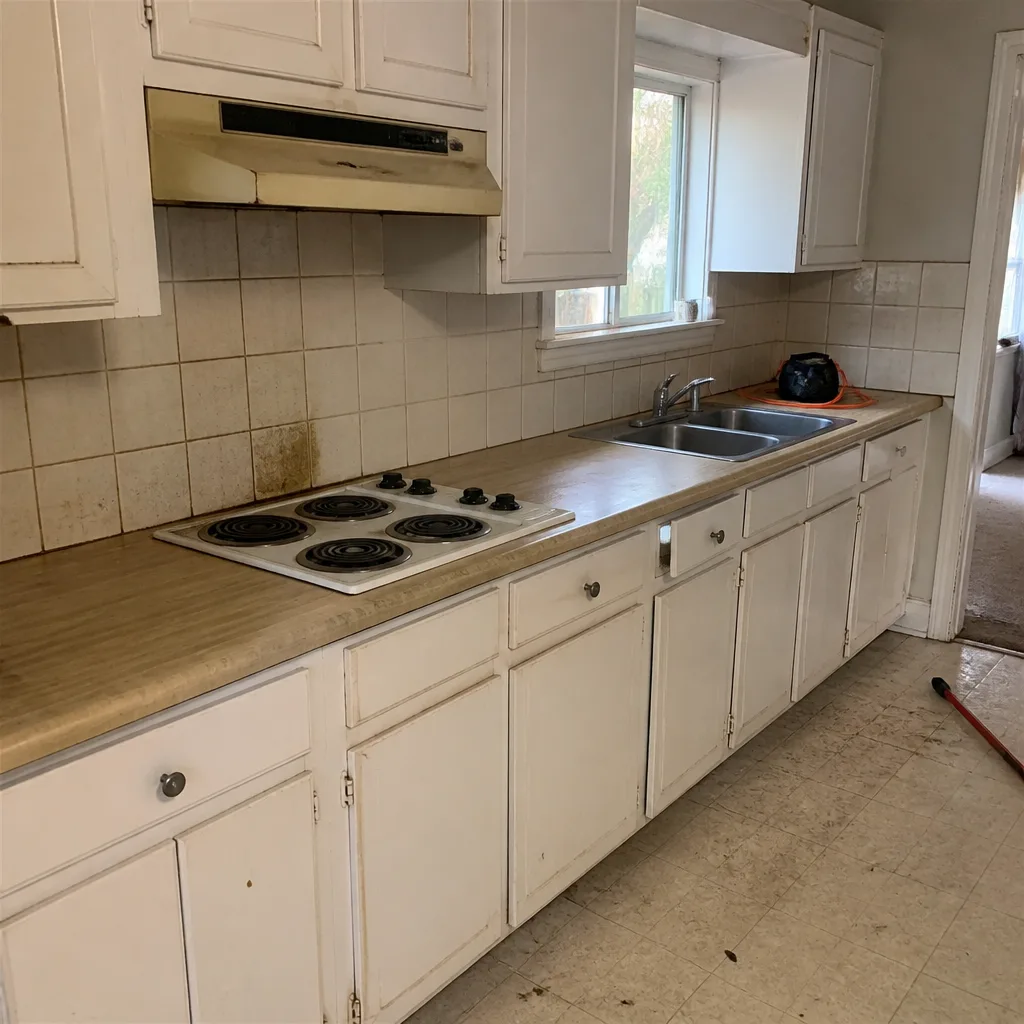 Before
 After
 Before
 After