Last updated November 18, 2026
Free written scope consultation - allowances, timeline, and change-order rules on paper before a single trade is scheduled
DIY vs Professional Home Additions & ADU: What’s Safe to Do Yourself
In Texas, a homeowner can pull their own building permit and legally act as their own general contractor. That’s the part most guides stop at. Here’s the part they skip: the moment you sell that house, an unpermitted addition or a failed inspection becomes the buyer’s attorney’s favorite conversation starter, and your homeowner’s insurance carrier may have opinions of its own. We’ve watched more than a few Irving homeowners start an addition with a rented nail gun and a weekend of good intentions, only to spend the next year untangling inspections. This guide walks through what Texas actually lets you do yourself, which phases of an addition make sense to tackle, and where the math quietly stops working in your favor.
Quick Answer
In Texas, you can legally pull your own permit, do demolition, framing, and finish work on your own home, but licensed trade work (electrical, plumbing, and gas) must be done by a licensed professional, and structural work is a genuine safety risk. The honest answer to whether DIY saves money is: sometimes on demo and finish work, rarely on structure, and never once inspection delays and re-work are counted.
Styles & brands we work with
- Kitchen remodeling
- Bathroom remodeling
- Home additions & ADU
- Roofing
- Windows & doors
- Driveway & pavers
- Fence
Table of Contents
- Can I DIY a Home Addition in Texas?
- Which Phases of an Addition Are Safe to DIY?
- Why DIY Structural Work Can Void Your Insurance
- The Coordination Problem Nobody Warns You About
- DIY Cost vs. Professional Cost: The Real Math
- Irving-Specific Code and Climate Considerations
- ADUs: A Different Animal
- Common Mistakes to Avoid
Can I DIY a Home Addition in Texas?
Yes, with real limits. Texas does not require a general contractor license for residential construction, which means a homeowner can legally act as their own GC, pull permits in their own name, and hire or manage subcontractors directly. That’s genuinely different from states like California or Florida, where GC licensing is mandatory above certain thresholds. But “no GC license required” is not the same as “you can do everything yourself.”
Here’s the split that matters:
- You can do yourself (with a permit): Demolition, framing (if you know what you’re doing), drywall hanging and finishing, painting, trim carpentry, flooring, insulation, basic site prep, and cleanup.
- Requires a licensed trade: Electrical rough-in and final, plumbing rough-in and final, gas line work, HVAC installation and refrigerant charging. In Irving and most Dallas County jurisdictions, the inspector will ask for the license number before signing off.
- Requires an engineer or architect stamp: Structural changes to load-bearing walls, foundation design, and any engineered beam or header calculation. This isn’t a DIY-optional area.
The other piece homeowners miss: your HOA. Many Irving subdivisions have architectural review committees with their own approval process that runs parallel to the city permit. Skip that step and you can pass your city inspection and still get a letter demanding you tear down a fence or redo a roofline. Pulling permits and passing inspections is a core part of what we do on every Home Additions & ADU in Irving project, and the HOA review is part of that paperwork, not an afterthought.
Which Phases of an Addition Are Safe to DIY?
We rank phases of an addition below by how often we’ve seen DIY go wrong. Risk here means: what can go wrong, what it costs to fix, and whether an inspector will reject it. Demo is near the bottom. Structural framing and anything involving a gas line are at the top.
- Demolition (low risk, good DIY candidate). Tearing out old drywall, flooring, cabinets, or a non-load-bearing wall is genuinely within reach for a careful homeowner. The catch is knowing which wall is load-bearing before you swing a sledgehammer. That’s a ten-minute conversation with a structural professional and worth every penny.
- Site prep and cleanup (low risk). Hauling debris, staging materials, protecting existing landscaping. Honestly valuable labor to take on, and low stakes if you get it wrong.
- Drywall, paint, and trim (medium risk). These are finish trades where a careful homeowner can produce acceptable results. The time investment is bigger than most people expect, especially on drywall taping and finishing, which has a genuine learning curve.
- Framing a new addition (medium-high risk). Framing a simple shed-roof bump-out is not the same as framing a two-story addition with a gable roof. This is where DIYers often end up paying a pro to reframe. In Irving, wind bracing and uplift requirements under the IRC matter, and a failed framing inspection means ripping out work you thought was done.
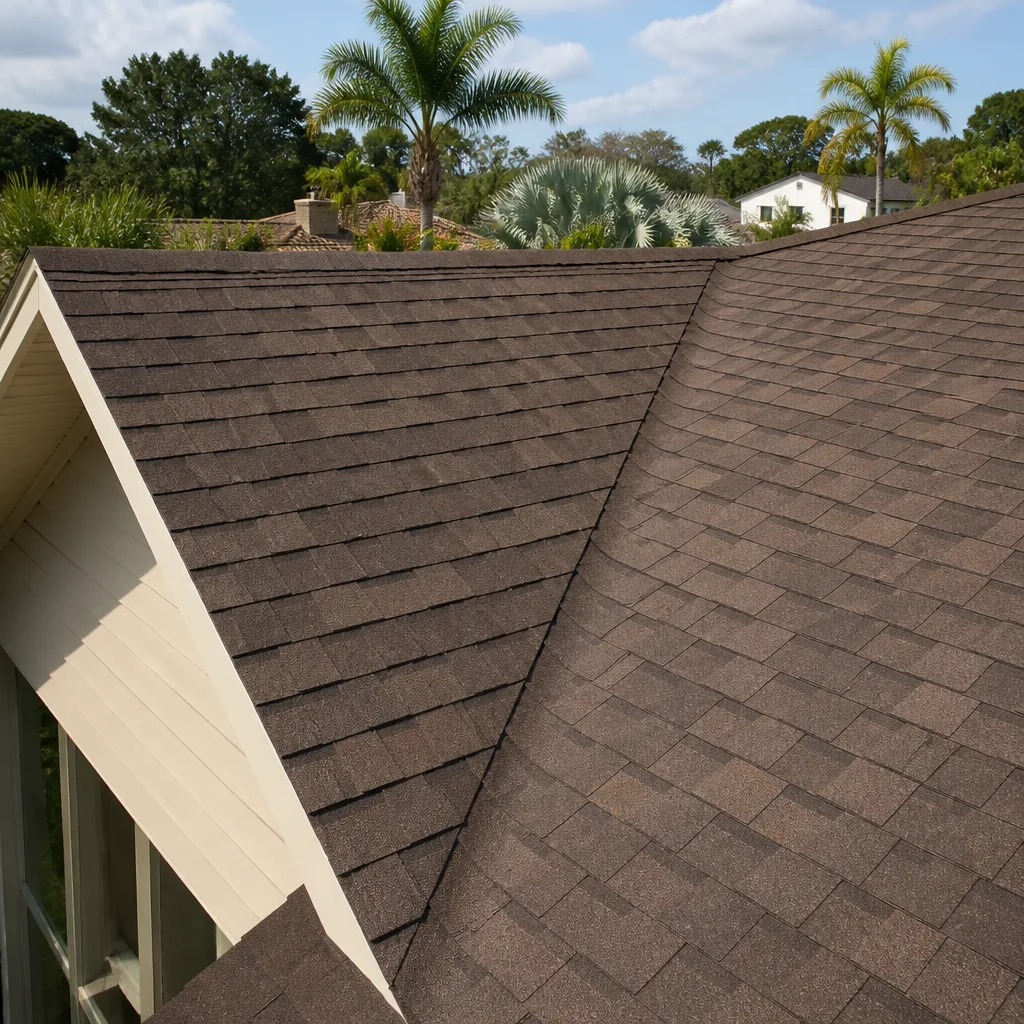
- Roofing tie-in (high risk). Where the new roof meets the existing structure is the single most likely place for a future leak. Getting that tie-in wrong costs thousands to fix after the first hard rain.
- Electrical, plumbing, and gas (do not DIY). These are licensed-trade work in Irving, no exceptions. Electrical mistakes start fires, gas line mistakes are immediately dangerous, and neither inspector will sign off on unlicensed work. If you’re determined to save money in these trades, the honest move is to reduce the scope of what you’re adding, not to do the wiring yourself.
- Foundation and structural engineering (do not DIY). North Texas clay soil moves. A foundation for an addition on Irving’s expansive clay is not the place to save a few thousand. This is also where DIY voids your insurance coverage in ways you won’t discover until you file a claim.
Why DIY Structural Work Can Void Your Insurance
This is the section most homeowners wish they’d read before they started. Your homeowner’s insurance policy almost certainly includes a clause about unpermitted work and workmanship. Read it. When a claim is filed – water damage from a bad roof tie-in, a foundation crack, a fire traced to unpermitted wiring – the insurance adjuster will look at the work history. If the addition was self-performed and unpermitted, your carrier can deny the claim or reduce the payout to the last known permitted condition. In practical terms: you might have coverage for the original house but not for the addition that caused the damage.
There’s a second layer most people don’t hear about. If you sell the home and the buyer’s inspector finds unpermitted structural work, you’re on the hook for the cost of retroactive permitting, engineering stamps, and any tear-out needed to bring it into compliance. Some Texas title companies now routinely pull permit history on additions and flag discrepancies before closing. A $40,000 DIY addition with a $12,000 repair requirement can wipe out every dollar you saved on the front end.
This is exactly why we write every scope, allowance, and change order down before work starts. Not because it looks professional – because when an inspector or an insurer asks what was done and by whom, “it’s on paper” is the answer you want to have ready. Our team at Barrett & Sons Construction Irving home takes a quieter view of “quality” than most – it means permits pulled, inspections signed, and records you can hand to the next owner.
The Coordination Problem Nobody Warns You About
Here’s the piece that turns a well-intentioned DIY addition into a six-month saga. Every phase of an addition depends on the one before it being complete and inspected. Framing has to be done and inspected before electrical rough-in. Electrical rough-in has to be inspected before insulation and drywall go up. Drywall has to be finished before trim and paint. When a homeowner does the framing themselves and hires an electrician for the rough-in, the electrician shows up to a job that isn’t ready – or to a job that looks ready but isn’t, because the framing inspection hasn’t happened yet. That’s a week. Or three weeks if the electrician’s schedule is booked.
What actually happens in the field:
- The homeowner finishes their DIY framing on a Saturday and calls the electrician for Monday.
- The electrician arrives, walks the job, and tells the homeowner the framing inspection hasn’t been scheduled yet.
- The homeowner schedules the inspection, which takes 3 to 10 business days in busy Irving permitting cycles.
- The inspector red-tags a framing issue (missing hurricane strap, insufficient nailing, undersized header).
- The homeowner fixes it, reschedules, waits again.
- The electrician has taken another job in the interim and can’t come back for two weeks.
That’s four to six weeks of dead time – easily more than you saved on the framing labor. The trades hand-off is where DIY math falls apart. In our experience, the homeowners who come out ahead on DIY are the ones who do the demo and finish work themselves and let the trades run the structural and systems phases on a single coordinated schedule. That’s the trade-off. This is what we mean when we say the trades have to pass the baton cleanly.
DIY Cost vs. Professional Cost: The Real Math
Let’s talk actual numbers. The math below is based on what we see across Irving and the surrounding Dallas County market for a 300 to 400 square foot addition. It’s not a quote – it’s a starting point for your own budget conversation, because every job is different.
- Design, engineering, and permits: $3,000 to $8,000. This is not a place to save money. DIYing a permit application is fine; DIYing the structural calculation is not.
- Foundation (concrete, post-tension or pier-and-beam): $8,000 to $18,000. North Texas clay soil means the foundation is the most consequential single line item.
- Framing: $10,000 to $22,000 for the structure alone. DIY labor savings: maybe $5,000. DIY re-framing exposure: $8,000 to $15,000 if a failed inspection requires redoing work.
- Roofing tie-in and new roofing: $3,500 to $9,000. We use GAF and CertainTeed systems on the projects we run, and both make a real difference on a tie-in where wind uplift is a factor.
- Electrical rough and finish: $3,000 to $7,000. Licensed trade, no DIY option.
- Plumbing rough and finish (if the addition has water): $2,500 to $8,000. Licensed trade, no DIY option.
- HVAC extension or new mini-split: $3,000 to $9,000. Licensed trade, no DIY option.
- Insulation and drywall: $4,000 to $9,000. DIY drywall labor can save $2,000 to $4,000, but only if you can reasonably tape and finish. Poor drywall finish is the #1 “we have to re-do this” call we get from DIYers.
- Finish carpentry, trim, paint, flooring: $5,000 to $14,000. Real DIY savings here, if you have the patience. This is the phase most worth doing yourself.
Add up a realistic 350 square foot addition in Irving and you’re looking at $45,000 to $95,000 depending on finishes. A very capable DIYer willing to spend 8 to 12 months of weekends can realistically save $10,000 to $18,000 on labor – mostly from demo, framing, and finish phases. But the same homeowner commonly absorbs $5,000 to $15,000 in re-work, inspection delays, and rental equipment. The net savings is often $3,000 to $8,000, against a significant time cost. That’s the honest answer, and it’s the one you won’t read on most how-to sites.
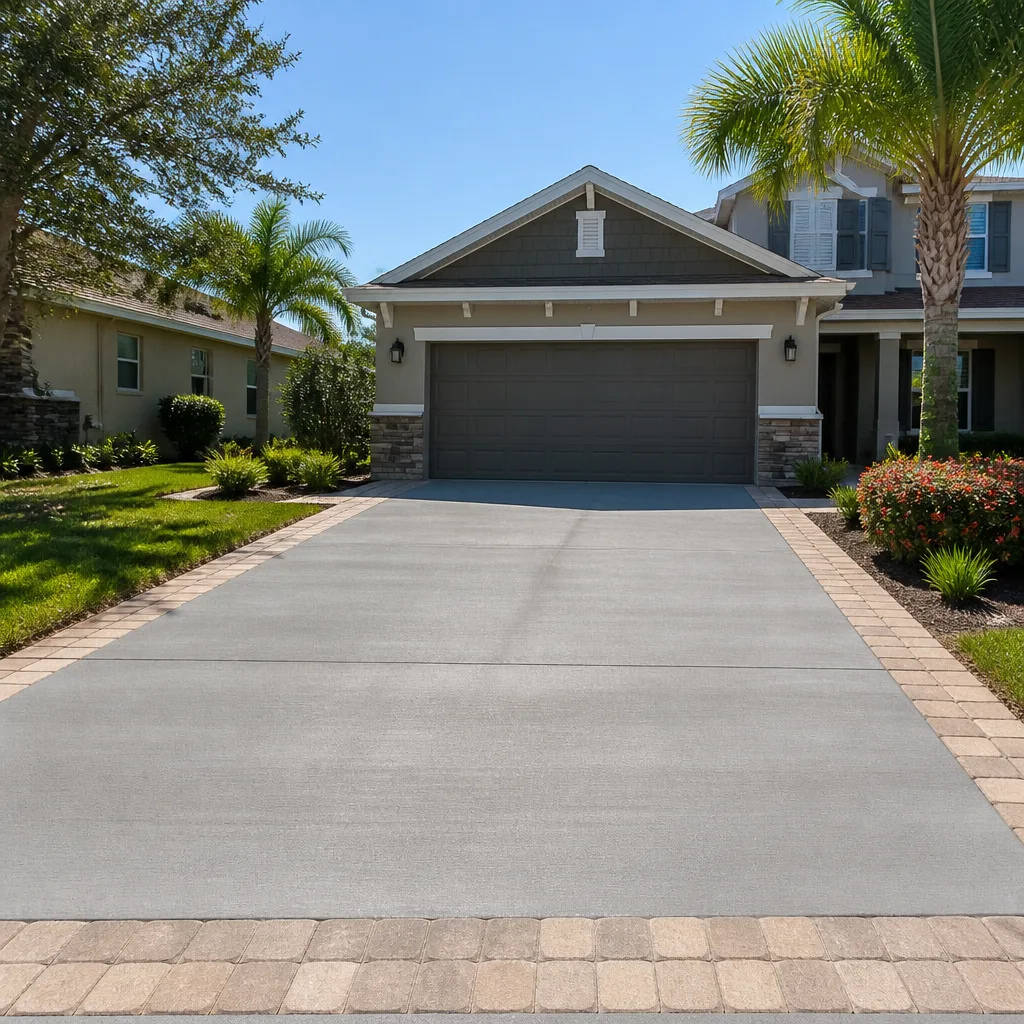
When you see a professional quote in Irving, note the delta between that and a DIY path is smaller than it looks – especially once you factor in the Driveway & Pavers in Irving project the addition usually drags along (extending a driveway to a new garage, repairing a walkway that got torn up by equipment). That’s often $4,000 to $12,000 that homeowners forget to put in the DIY column.
Irving-Specific Code and Climate Considerations
Irving has its own considerations that a generic guide won’t tell you:
- Clay soil movement. Irving sits on expansive clay, and foundations move measurably through wet and dry seasons. Every addition needs a foundation designed for that specific soil, not a generic slab spec pulled from a website.
- Wind and hail. Dallas County’s wind zones and hail exposure mean roofing and tie-in must meet current code, and the insurance adjuster is going to look at those details after the next hailstorm. Cheap roofing on an addition is one of the most expensive decisions a homeowner can make.
- Permitting cycles. Irving’s permitting office runs slower when development pressure is high. Plan for delays on inspections, especially framing and electrical rough-in. This is why we build cushion into the schedule on every project we run – not because we’re slow, because we know the calendar.
- HOA architectural review. If your addition is visible from the street or affects roofline, most Irving neighborhoods require HOA architectural review approval before you start. This runs alongside the city permit, not instead of it.
- Floodplain. Parts of Irving sit near the Elm Fork and bear tributaries. Any addition near a FEMA-designated flood zone needs elevation and drainage review. This is not the place for an owner-drawn plan.
- Historic districts. A few Irving neighborhoods have design review overlays. If you’re in one, your materials and proportions may be restricted in ways that affect both budget and design.
Windows on an addition matter more in North Texas than most people expect – the solar gain through a cheap window in August is real. We install PGT and CGI windows on most of the additions we build, and both are Energy Star rated for this climate zone.
ADUs: A Different Animal
Accessory dwelling units deserve their own section because they carry everything a home addition carries plus a few extra layers. Irving allows ADUs on qualifying lots, but the rules involve lot size, setback requirements, height limits, parking, and utility connection. Some lots qualify. Some don’t. A few extra square feet in the wrong direction and the answer flips from “yes” to “no.”
A detached ADU has its own foundation, its own utility service, its own roof system, its own HVAC, and its own electrical panel. In practical terms, it’s a small house. The DIY ceiling on an ADU is much lower than on an addition. Demo, finish carpentry, painting, and landscaping are all fair game. Structure, foundation, and systems are not, and the inspection sequence is longer because there are more systems to sign off on. We’ve seen homeowners who saved $15,000 doing an addition DIY get stuck at the first framing inspection on an ADU because the detached footprint tripped a setback rule they didn’t catch in the planning phase. The consequences of getting it wrong on an ADU are bigger than on a standard addition, and the timeline is longer. If you’re exploring one, our team writes the scope for every ADU with the setback and utility math in writing before we start. A Fence Installation in Irving project sometimes flags the same issue – a new fence that crosses a setback line on a pending ADU plan can invalidate the ADU permit application.
Common Mistakes to Avoid
- Assuming “no GC license required” means “no license required anywhere.” Electrical, plumbing, and gas work in Irving must be done by a licensed trade, and the inspector will ask. No exceptions, no “my buddy is good with wiring” workaround.
- Skipping the HOA review. Many Irving neighborhoods require architectural committee approval before construction. A city permit + no HOA approval = a letter asking you to undo what you built.
- Underestimating the foundation. Irving’s clay soil moves more than homeowners expect. A foundation built to a generic spec on a North Texas lot often develops cracks in the first two years. Engineering is not optional.
- DIY framing without a framing inspection on the calendar. The inspection is the bottleneck. Schedule it before the last nail is driven, not after.
- Forgetting insurance notification. Most homeowner’s policies require you to notify the carrier when you add square footage. If you don’t, you can end up underinsured after a claim, or denied entirely because the addition wasn’t on the policy record.
- Using a contractor off a Facebook group because the price was right. In Irving and the surrounding area, we’ve cleaned up more than a few jobs where an unlicensed handyman quoted a framing price, collected a deposit, and disappeared. Ask for the license number, and look it up.
- Treating the drywall phase as a weekend job. Tape, mud, and finish quality is where DIY additions most often fail aesthetic scrutiny. Bad drywall on an otherwise good addition is the thing that hurts resale the most.
See the difference
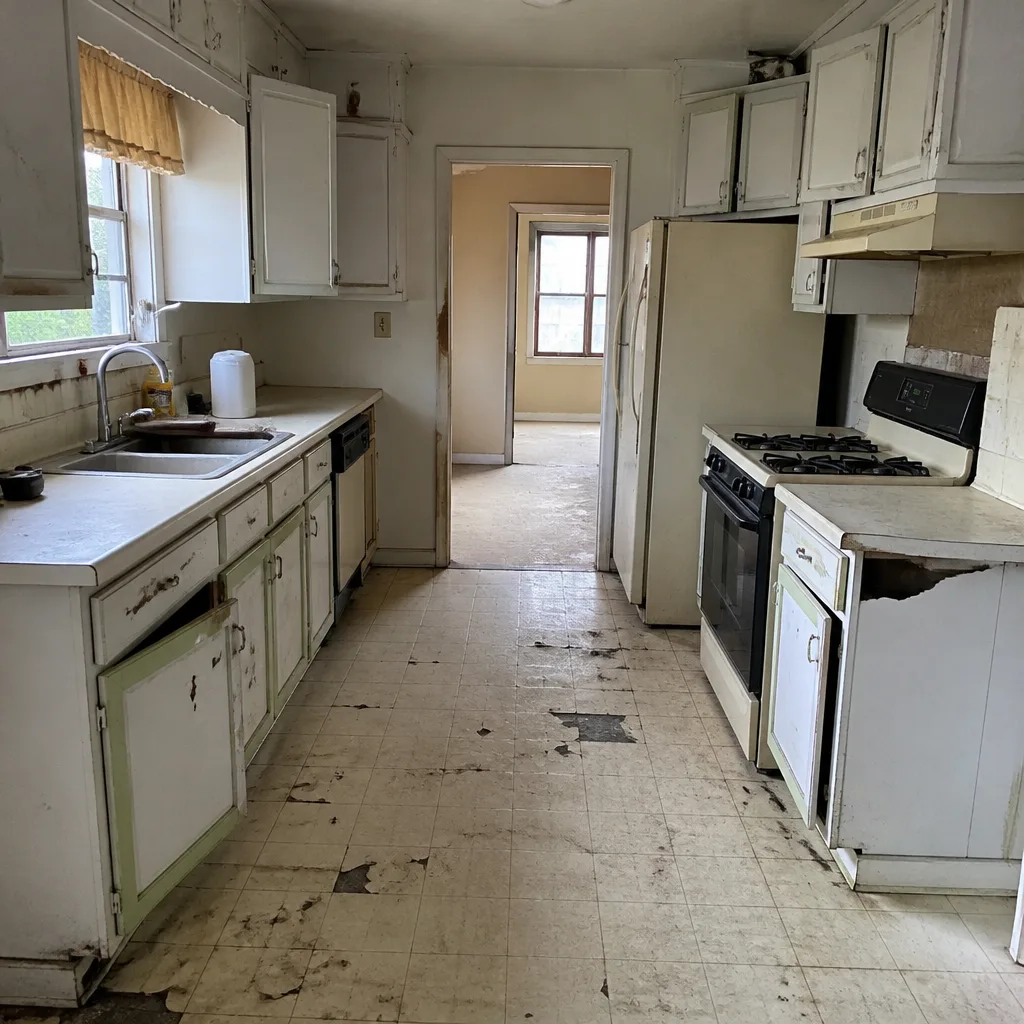 Before
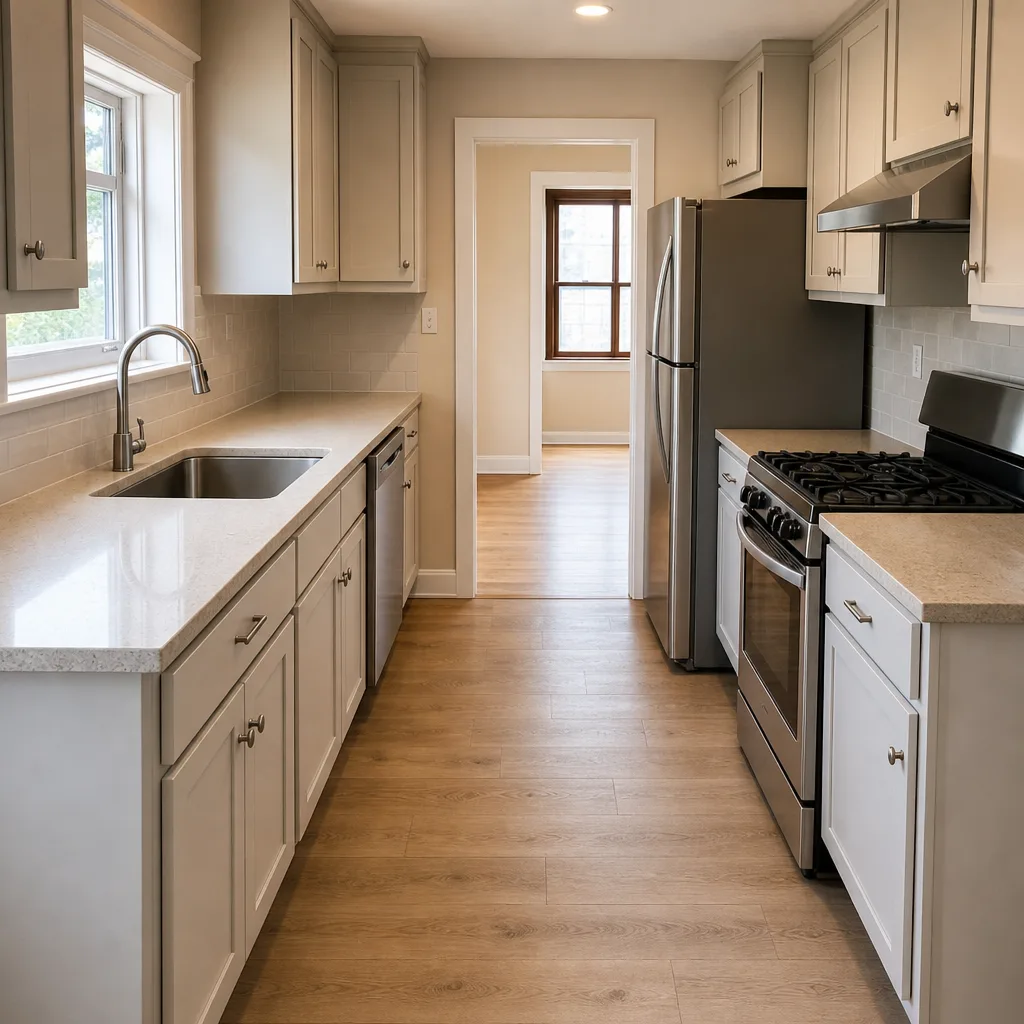 After
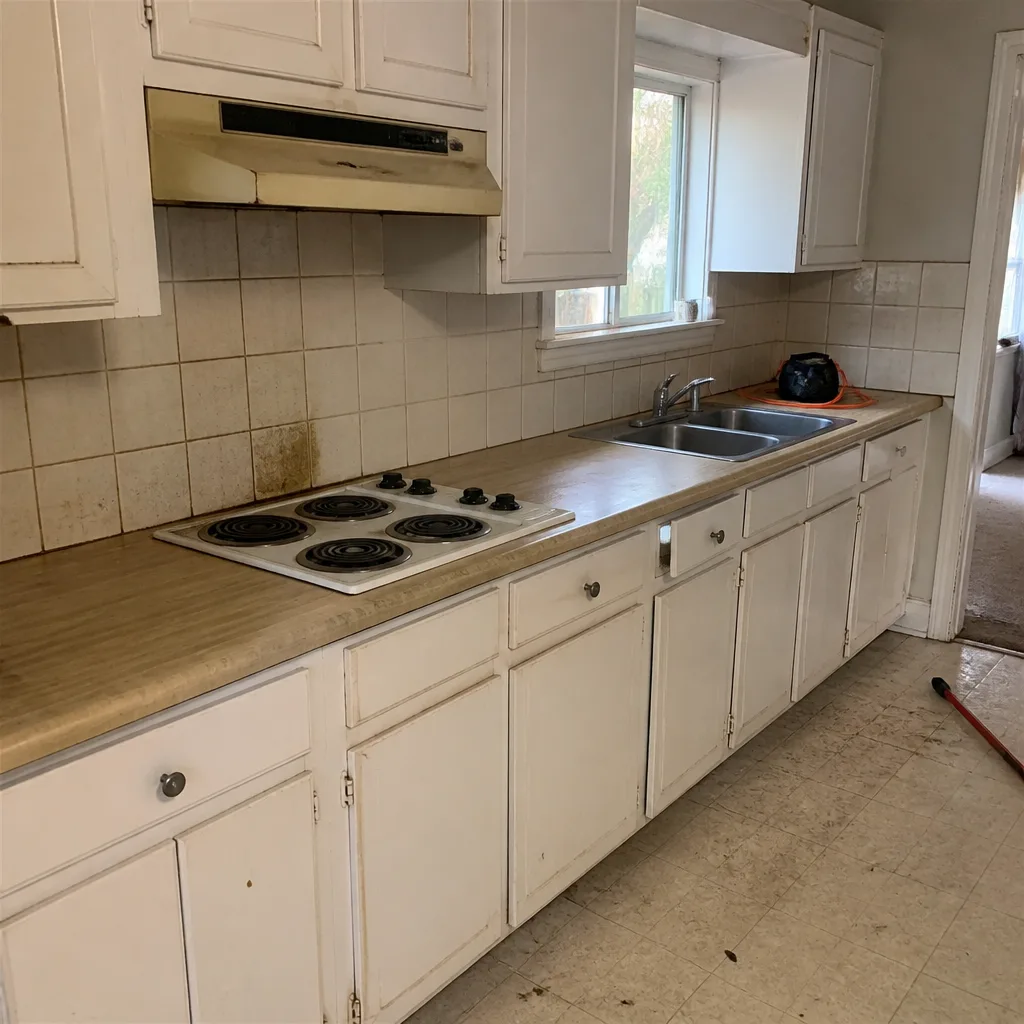 Before
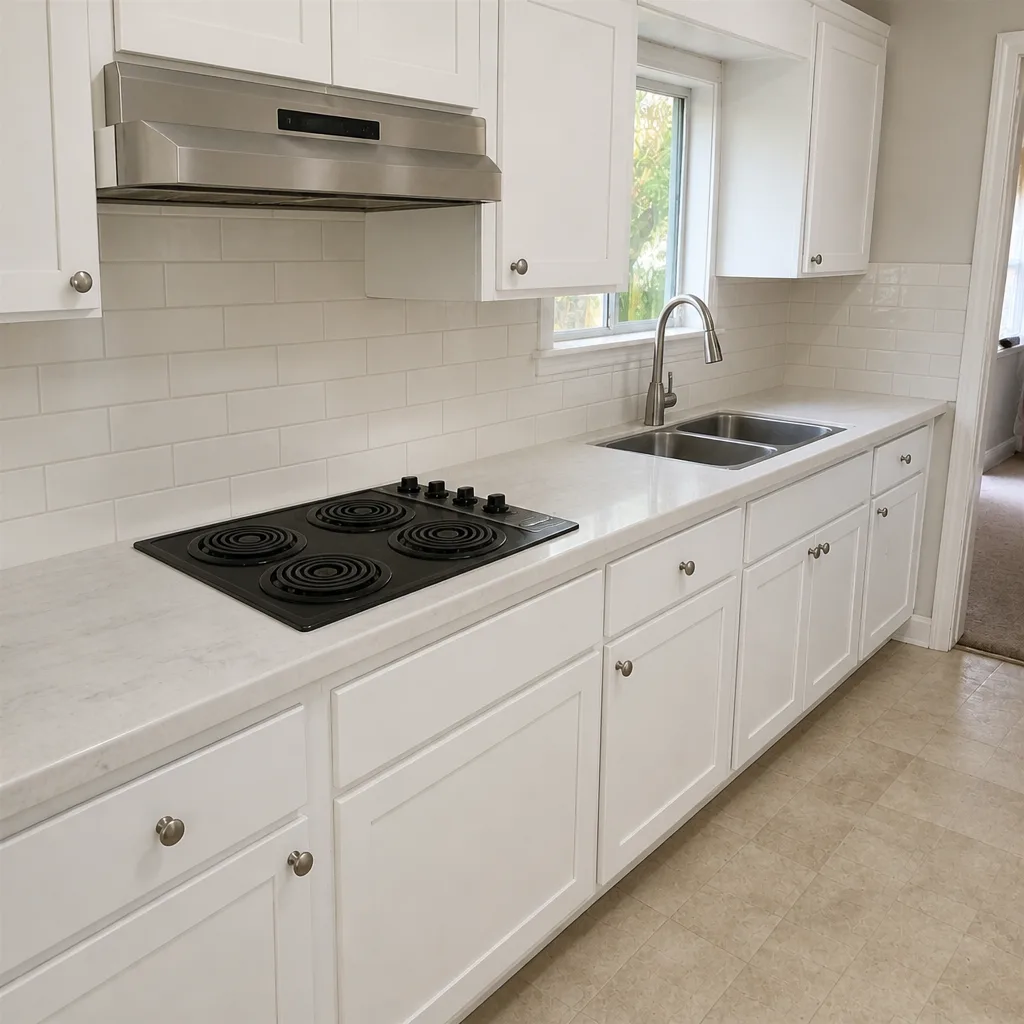 After
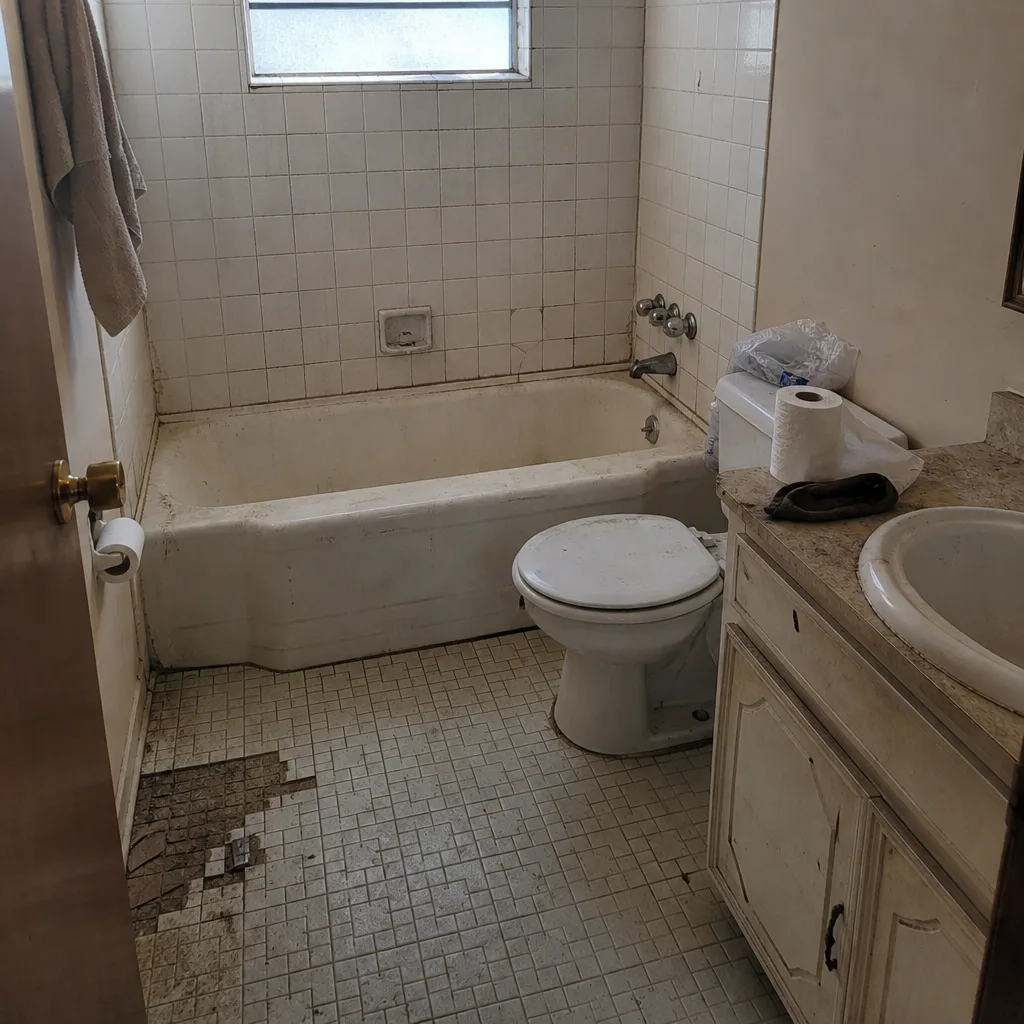 Before
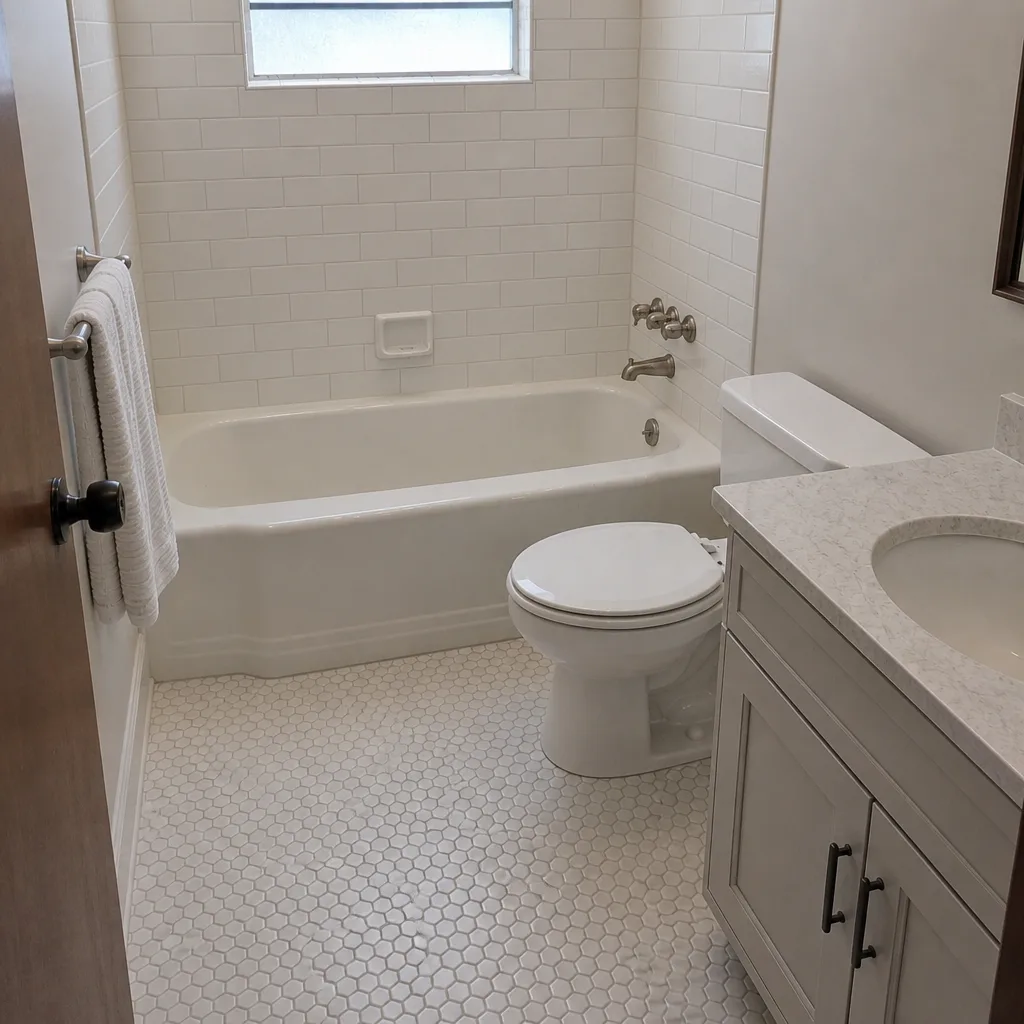 After
When to Call a Professional
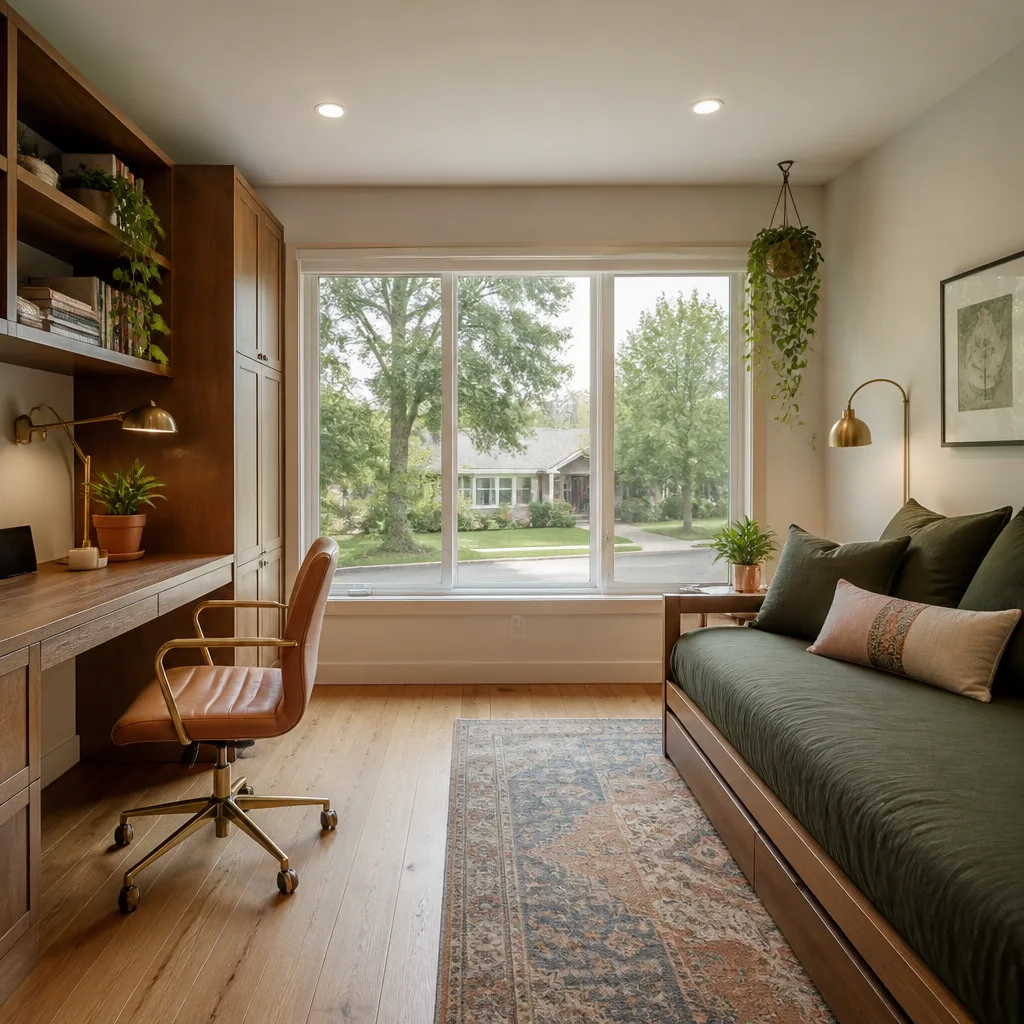
Call a professional when the work touches structure, foundation, roofing tie-in, gas, electrical, plumbing, HVAC, or any element of the project that will appear on a permit application. Call when your HOA has an architectural review that runs parallel to the city permit and you don’t want to manage both. Call when your timeline matters – if the addition needs to be finished before a family move-in, DIY weekends won’t get you there. Call when your insurance carrier needs to know the square footage and you want the paperwork handled cleanly. And call when you’ve priced out the DIY path honestly and realized the net savings on the phases you should actually do yourself is smaller than the risk you’re carrying on the phases you shouldn’t.
Barrett & Sons Construction Irving offers free estimates in Irving – call (833) 991-4970. We’ll walk your project, write the scope and allowance down, and give you a line-item quote you can actually compare to a DIY budget. If DIY makes sense for part of the job, we’ll say so. That’s the neighborly answer, and it’s the one we give whether you hire us or not.
Frequently Asked Questions
Yes. Texas does not require a general contractor license for residential construction, so a homeowner can pull permits in their own name and act as their own general contractor. The catch is that licensed trade work – electrical, plumbing, gas, HVAC – still has to be performed by a licensed professional, and the inspector will verify licenses at each phase. Call (833) 991-4970 for a free estimate if you’d like to talk through the permit sequence for your project.
Only if the addition is permitted, inspected, and reported to your carrier. Most homeowner’s policies exclude unpermitted work and self-performed structural work, and the exclusion often doesn’t surface until you file a claim. The safest approach is to permit and inspect the work – DIY labor with proper permits is insurable, DIY labor that skips permits usually isn’t. Call (833) 991-4970 if you want help sorting out the permitting side before you start.
Demo, basic site prep, finish carpentry, painting, trim, and landscaping are fair game for a careful homeowner. Framing is a judgment call that depends heavily on the complexity of the design. Electrical, plumbing, gas, HVAC, foundation, and structural engineering are done by licensed trades. A realistic split is roughly 20 to 30 percent of a typical addition’s labor moving to the homeowner’s own hands, and the rest is professional trade work.
Plan on 4 to 10 weeks for the initial permit plus inspection cycle on a standard addition, longer if your project requires HOA architectural review or an engineered foundation. The framing and electrical rough-in inspections are the two most likely to cause schedule delays if the trades aren’t coordinated to be present at the same phase. In our experience, a well-coordinated professional job pulls through in 4 to 6 weeks; a DIY-led job typically runs 8 to 14 weeks just on inspections. That gap is where the DIY savings usually disappear. Call (833) 991-4970 for a free estimate that includes a realistic timeline.
You need licensed trade contractors for the systems (electrical, plumbing, gas, HVAC) on an ADU in Irving regardless of whether you’re acting as your own GC, and you need an engineer for the foundation. The ADU has its own utility service and its own structure, so the licensed-trade footprint is larger than a standard addition. If you’re planning an ADU and want the sequence laid out before you commit, call (833) 991-4970 for a free estimate.
A buyer’s inspector will flag it, the title company may ask for permit history, and you’ll usually be required to retroactively permit the work or tear it out to close the sale. The cost is often double the original permit fee plus any re-work required to pass current inspections, and the negotiation leverage shift is significant. Retroactive permitting on a completed addition is a cold negotiation, and the buyer knows it. Call (833) 991-4970 for a free estimate if you’re already in this situation and want to talk through the path back to a clean permit record.
The Bottom Line
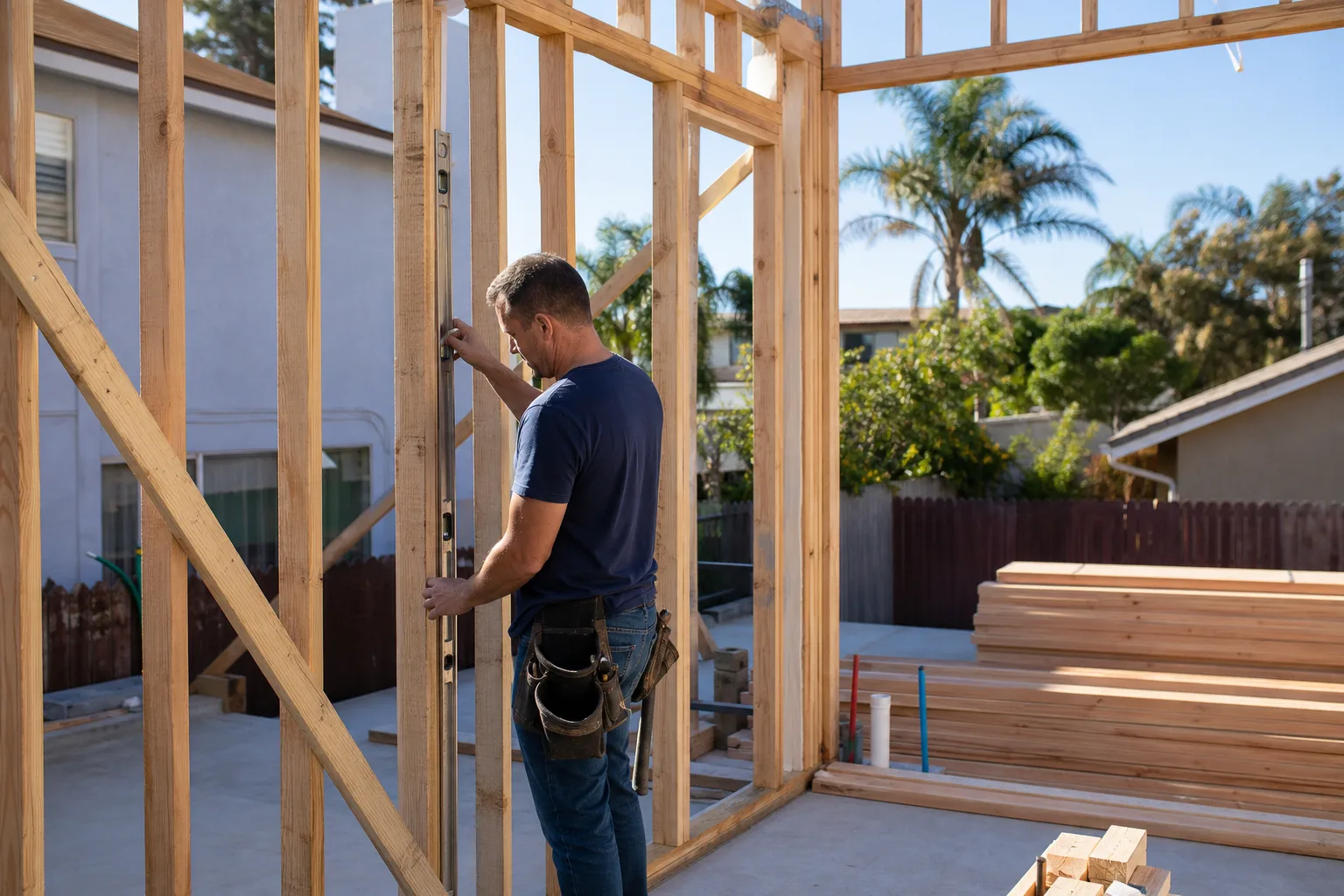
DIY on a home addition in Texas is not illegal, not always a mistake, and not the savings most how-to guides promise. The honest split: demo, finish work, and cleanup are worth doing yourself if you’re patient and detail-oriented. Foundation, structure, roofing tie-in, and the licensed trades are not. The savings math falls apart once you count the coordination gap between DIY phases, the inspection delays, and the insurance exposure you don’t discover until you file a claim. If the project matters – if it’s for a family, a resale, or a permanent home – pull permits, keep records, and get an honest quote before you commit to either path. Our team at Barrett & Sons Construction Irving home has walked hundreds of Irving projects through this decision, and our answer to “what’s safe to DIY” is the same one we’d give a neighbor: some things, and only some.
Written by the team at Barrett & Sons Construction Irving.