Last updated November 18, 2026



Free written scope consultation - allowances, timeline, and change-order rules on paper before a single trade is scheduled
Driveway & Pavers Maintenance Checklist for Irving Homeowners
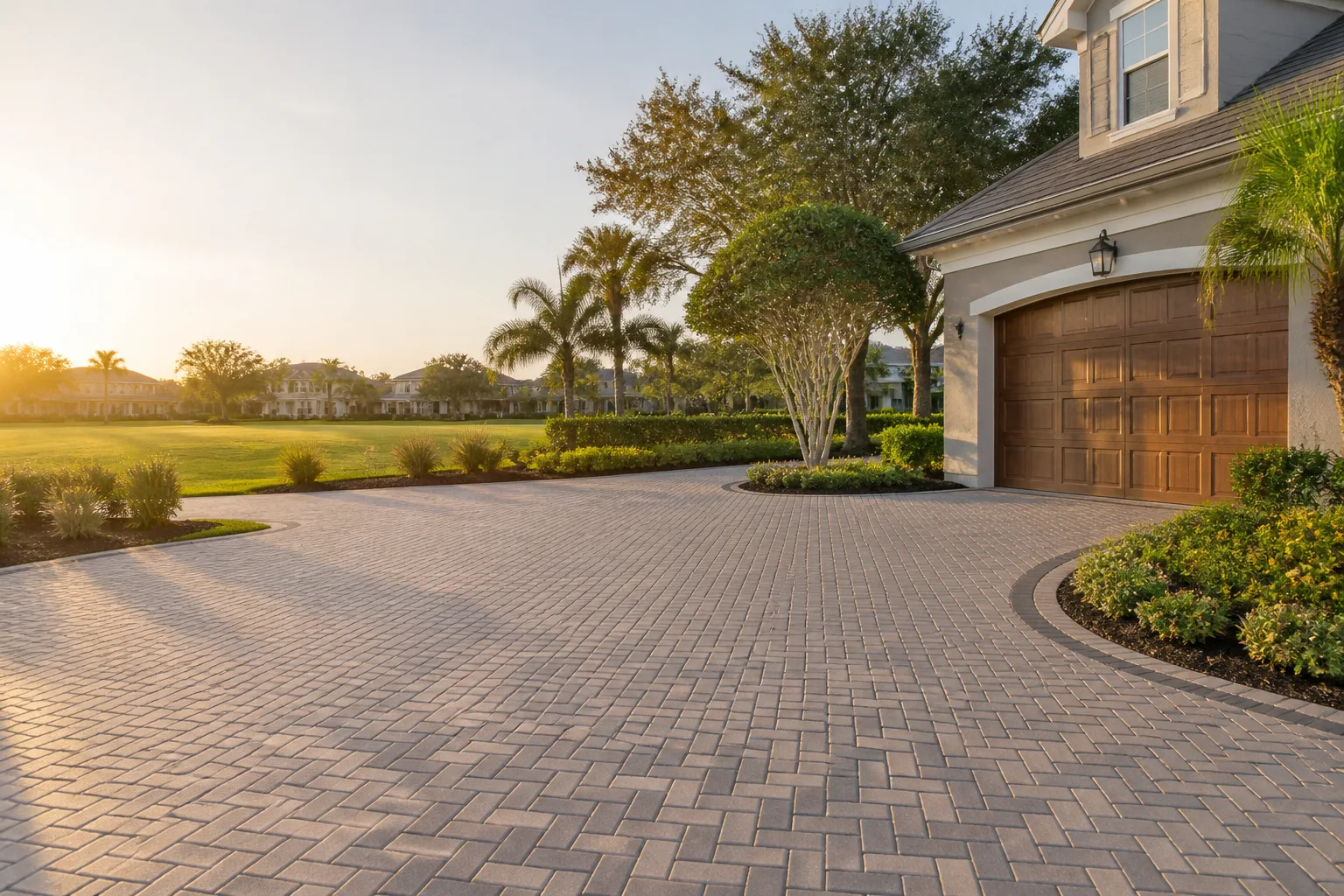
A paver driveway that looks perfect in March can have three shifted joints and a low spot pooling water by October. Not because the installation failed, but because nobody told the homeowner that Irving clay moves up to two inches vertically between wet winters and dry summers. Most driveway checklists floating around online were written for ground that sits still. This one isn’t. What follows is a month-by-month look at what our crews actually check on Irving pavers, how to catch clay-heave damage before it costs you a full reset, and when the smart move is to pick up the phone instead of the sand bag.
Quick Answer
Irving paver driveways need joint sand topped up twice a year (late February and late September), a drainage check before each rainy season, and a re-seal every three to four years with a UV-stable sealer rated for DFW sun. Because North Texas clay swells and shrinks with the seasons, the work that matters most is the inspection schedule, not the repairs. Catch movement early and it’s a $150 sanding job. Ignore it for two seasons and it’s a $2,000 partial reset.
Styles & brands we work with
- Kitchen remodeling
- Bathroom remodeling
- Home additions & ADU
- Roofing
- Windows & doors
- Driveway & pavers
- Fence
Table of Contents
- Why Irving Clay Changes Everything About Paver Maintenance
- Your Irving Paver Inspection Calendar (What to Check, Month by Month)
- Joint Sand: The Two Times a Year It Actually Matters
- How to Spot Early Clay-Heave Damage Before It Voids a Warranty
- Which Sealer Holds Up Against DFW Heat and UV
- The One Drainage Check Every Irving Paver Owner Should Do Before the Rainy Season
- Re-Sanding Yourself vs. Calling a Pro Before Small Movement Becomes a Full Reset
- Pavers vs. Concrete in Irving: What the Same Soil Does to Each
Why Irving Clay Changes Everything About Paver Maintenance
Irving sits on the Blackland Prairie belt, and the soil under most of the city is expansive clay. That clay behaves like a sponge with a memory: it takes on water in the wet months, swells, and pushes upward. When the summer dry spell hits, it contracts and leaves voids underneath whatever is sitting on top. A paver driveway is a rigid, interlocked surface resting on a flexible base. It handles the movement far better than poured concrete, but “better” is not “immune.”
What does that look like in practice? A driveway poured in Las Colinas in April can develop a visible gap at a joint by August after six weeks of dry heat. Then the October rains come, the clay under that joint re-saturates, and the two neighbors slowly settle at different heights. That’s the beginning of a trip hazard and the beginning of a warranty headache. The pavement didn’t fail. The soil underneath moved, and nobody was watching.
Our crews have watched this pattern in every corner of Irving, but the swing is worse on mature lots in Valley Ranch and along the older streets near downtown where the original grading was done decades ago and the soil has been re-worked several times. Newer subdivisions in the Las Colinas corridor have better initial drainage engineering, but they still sit on the same clay. Nobody escapes the soil.
So the whole logic of maintenance here is not “keep it pretty.” It’s “catch soil movement in the first two weeks it happens,” because that’s when it’s cheap. Once joints start opening up, sand drains out, the interlock loosens, and each paver carries more of the load than it was designed for. Then a small shift becomes a big one. The checklist below is built around the Irving soil cycle, not a generic annual to-do list. If you’d like a professional eye on your hardscape before you start, our team can walk your drive during a free estimate for Driveway & Pavers in Irving.
Your Irving Paver Inspection Calendar (What to Check, Month by Month)
Here’s the calendar our crews follow on Irving driveways. It isn’t fancy. It’s fifteen minutes of walking, looking, and prodding at the right times of year. Build it into your routine and you’ll catch nearly every problem before it turns into an invoice.
- Late February (right after the last hard freeze): Walk the whole surface with a notepad. Look for newly opened joints, sand trails washed to the driveway edge, and any paver sitting proud of its neighbors by a quarter inch or more. Freeze-thaw cycles in the Dallas-Fort Worth area are short but they happen two or three times each winter, and they love to open up a joint that was already slightly thin.
- March (right around the spring equinox): Check joint sand depth with a screwdriver. On a Belgard or Techo-Bloc paver, you want sand within an eighth inch of the chamfer. If your screwdriver drops past a half inch before it hits other fill, that joint needs topping up. See the joint sand section for detail.
- May (before the summer dry pulse): Check your drainage. Look for low spots where water pooled during the spring rains and left a mineral ring. Mark them. Those are the spots clay-heave will show up first.
- Mid-July (the hottest, driest stretch): Walk the drive barefoot if the surface allows (it will be hot, so choose a cool morning). You’re feeling for high points or cupping. Clay contraction shows up as slight doming of pavers near the edges and along the crown of the driveway.
- Late September (right before the fall rains): Re-check sand, re-check drainage, and clear the gutters of any leaf debris that will dump onto your drive. This is the single most important inspection window of the year in Irving.
- November (after the first substantial rainfall): Walk the whole surface again. Any paver that rocks underfoot or squishes water when you step on it needs attention before frost.
- December (pre-freeze prep): Do not use rock salt on pavers. Use sand or a calcium-chloride-based de-icer instead. Any paver that already shifted in the fall can crack during a hard freeze if it’s holding moisture.
Two of these windows are non-negotiable. Late February and late September. Those are the shoulder seasons on either side of North Texas clay movement, and that’s where a fifteen-minute walk saves a two-thousand-dollar repair.
Joint Sand: The Two Times a Year It Actually Matters
Joint sand holds the interlock together. Remove it and pavers can walk. That’s the whole reason it matters, and that’s the whole reason the two-times-a-year rule isn’t optional in Irving.
Between the late-winter wet and the mid-summer dry, your joints go through the same clay cycle as the base. Sand washes down as the surface shifts, and it blows out as wind scours the drive. By the time we’re deep into a DFW August, most Irving driveways are missing 20 to 30 percent of their joint sand whether the homeowner has noticed or not. By the time we hit October, that missing sand has turned into slight joint opening, and once joints open, water gets under the pavers instead of draining across them.
The physical act of topping up is simple in concept. Here’s the sequence most suppliers recommend, and it’s what we use:
- Sweep the driveway clean and dry. Sand must go into dry joints.
- Pour polymeric sand (or the sand your installer specified) across the surface, working in small sections.
- Work it into the joints with a broom or a vibrating plate set on low. A homeowner doing this without a plate uses a broom and a push broom and a lot of patience.
- Blow the surface clean of excess sand before wetting, or you’ll smear polymer onto the pavers.
- Wet with a light mist, not a hose. This activates the polymer and sets the joint.
What most homeowners don’t realize is that this takes real effort on a three-car driveway in Irving. There’s a reason we recommend the professional version twice a year and a homeowner touch-up only for the small stuff. Paying a crew to top up joint sand is usually a few hundred dollars and takes most of a morning. Doing it yourself takes most of two weekends, and if the misting step goes wrong you’ll have polymer haze all over the Belagard finish that a pressure washer can’t safely remove without stripping the surface. That’s a much bigger bill than the sand job would have been.
How to Spot Early Clay-Heave Damage Before It Voids a Warranty
Almost every paver manufacturer warranty in North America excludes damage caused by “substrate movement not caused by defect” or “improper drainage.” That language is why a warranty claim on a clay-heave failure in Irving almost never pays out. The paver didn’t fail; the ground under it moved. So the homeowner eats the cost of the reset.
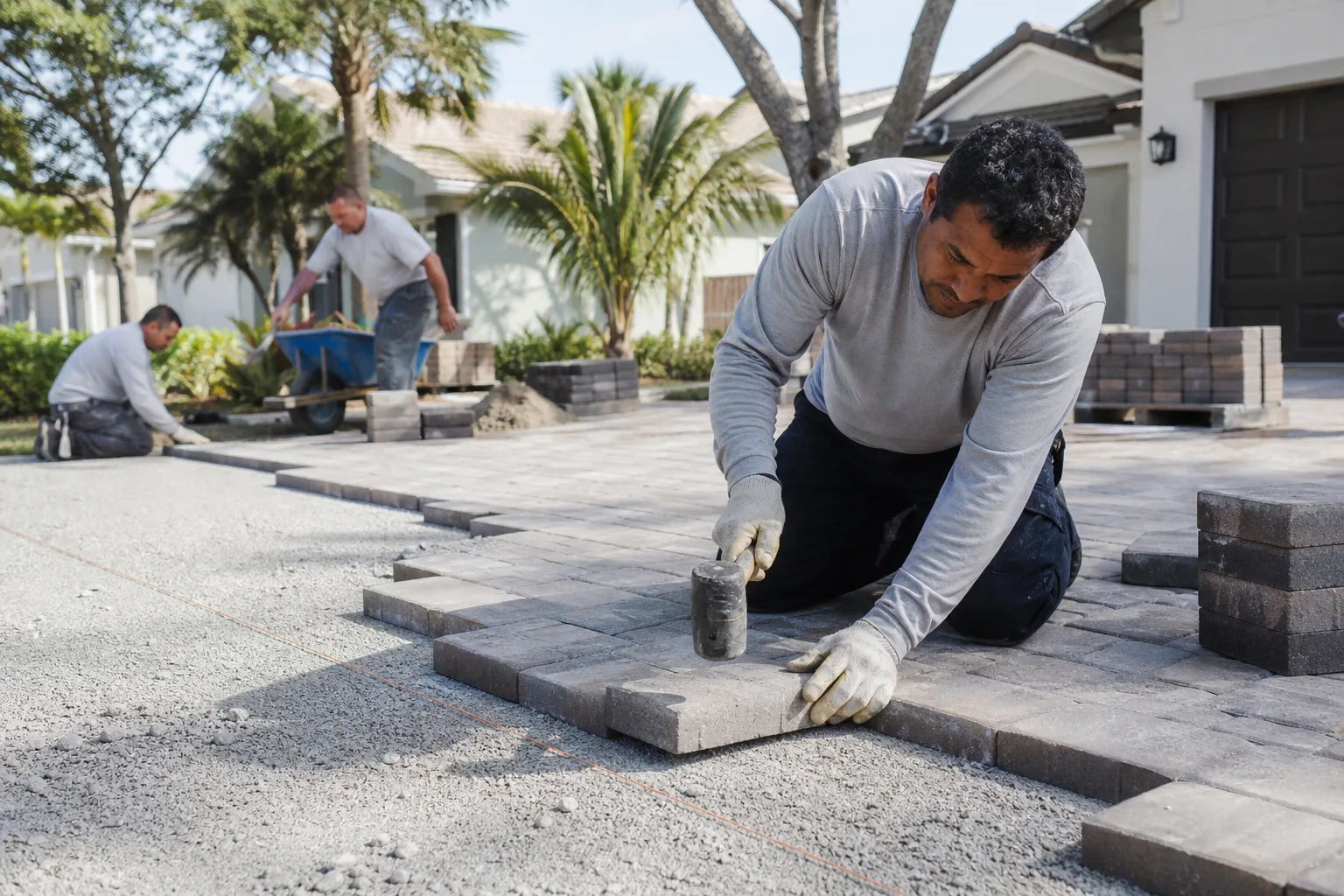
The good news is that clay-heave leaves visible fingerprints long before it causes a full reset, and if you catch them early enough, they can be corrected with a partial lift and re-lay across a few square feet. Here’s what to watch for:
- Rocking pavers at the edges of the drive. If a single paver rocks underfoot when you step on it, its bedding course has lost contact with the base. That’s the earliest sign.
- A pool ring around a specific paver or pair of pavers. Water pooling in a single spot after rain is not usually a drainage issue. It’s the paver sitting in a depression the clay created when it contracted.
- A visible dome or high spot in the middle of the drive. This is the opposite problem – clay swelling under the center pushes pavers up. On a crowned drive, the crown slowly loses definition.
- Sandy grit appearing along a joint line that was tight two months ago. Sand blows out from movement. A new sand trail at the pavement edge is your first warning that joints are opening.
- Hairline cracks in the pavers themselves at a joint edge. This is later-stage. The pavers are carrying too much load individually because the interlock has failed. Once you see cracks, you’re looking at a partial reset of at least one paver course.
The single best insurance against warranty problems is a documented baseline. The next time a pro is out on your property, ask them to photograph the existing paver pattern and note the joint depth at three or four points. If a claim ever comes up, you have a record proving the drive was in good condition and something changed. We keep this file open on every driveway and paver job that goes through Barrett & Sons Construction Irving home, because the manufacturer’s rep can’t argue with a photo taken before the failure.
Which Sealer Holds Up Against DFW Heat and UV
Sealer isn’t decoration. In Irving it’s a wear layer, and the wrong one fails within a season. Here’s what we’ve learned from watching pavers come back into service across the DFW market.
The DFW UV index sits in the “extreme” range for roughly three months of the year, and surface temps on a dark paver driveway can climb past 150°F in August. Two things kill a sealer under those conditions: UV degradation of the polymer chain, and thermal cycling that cracks the film. Cheap acrylic sealers do both. They also yellow. On a Belagard or Techo-Bloc paver in a light or mixed color, yellowing is the whole story.
What actually holds up:
- Water-based polyurethane or acrylic blends rated for UV stability. Read the spec sheet, not the marketing copy on the jug. Look for a UV stabilizer listed in the ingredients.
- Solvent-based acrylics are more durable in some cases, but they amber over time and on a light paver that’s a real issue.
- Penetrating siloxane sealers are the lowest-maintenance choice for natural stone and matte finishes. They don’t build a film, so they can’t peel, and they let the pavers “breathe.”
- Matte or “natural look” sealers are what most Irving homeowners actually want. Wet-look gloss sealers amplify the summer surface temperature issue, and the gloss starts to look worn at about the two-year mark regardless of product quality.
Re-seal every three to four years in North Texas, not every five as many manufacturers suggest for cooler climates. If your driveway is in full sun for the whole afternoon, lean toward three. If it’s shaded for part of the day, four is fine. And always check the sealer doesn’t seal moisture in – if the surface was recently pressure-washed, wait at least 48 hours of dry weather before sealing. Trapped moisture under a film-forming sealer is a problem you’ll be paying to reset.
The One Drainage Check Every Irving Paver Owner Should Do Before the Rainy Season
Before the fall rains in Irving, do this one check. It takes ten minutes and it prevents the single most expensive paver problem we see.
- Hose down the driveway on a dry day for two minutes, working from the top of the slope downward.
- Watch where the water goes. Water should sheet off the surface and reach the curb, gutter, or drainage channel within about 15 seconds.
- Watch for pooling. Any spot where water sits longer than 30 seconds is a problem spot.
- Watch the joint lines. If you see water disappearing into a joint, that joint is under-filled. Sand it before the rainy season.
- Check the low edge of the drive – where it meets the yard, a planting bed, or a fence. Is water pooling there? If so, that water is going back under the drive.
Irving has had several rounds of summer flash flooding in recent years, and the neighborhoods along the Elm Fork and near the lower-lying streets of south Irving see it more than the higher ground of Las Colinas. A driveway that drains fine in a light rain can hold an inch of water during a two-inch storm if the grading has drifted by even a quarter inch across a large drive. That inch of water infiltrates the joints and finds the clay. Six weeks later, the driveway is heaving.
If you’re seeing water that pools on the surface or edge, a drainage correction is often a modest fix. Adding a channel drain along the low edge costs far less than the eventual reset. If your neighbor’s new fence (Barrette, Master Halco, ViewLux, or Ameristar all install the same way) has changed the drainage pattern across your property line, that’s worth a conversation with your fence contractor, and it’s part of why we walk the full property line when quoting a new Fence Installation in Irving.
Re-Sanding Yourself vs. Calling a Pro Before Small Movement Becomes a Full Reset
Here’s the honest breakdown after years of watching both paths play out.
Re-sanding yourself makes sense for:
- A single paver that’s a quarter inch low and one adjacent joint that needs sand.
- The spring topping-up of a driveway that was professionally installed within the last two years and is still tight.
- A small border or accent band that’s clearly under-filled.
The DIY version requires a bag or two of polymeric sand, a stiff push broom, a blower, and a hose with a fine mist setting. Total time investment is four to six hours for a three-car drive if the joints are reasonable. It’s not dangerous work, but it is detail work, and sloppy technique (over-wetting, leaving excess sand on the surface before mist) costs more than it saves.
Calling a pro makes sense when:
- The whole joint field is under-filled, meaning more than half the drive needs sand. That’s a two-person job with a vibrating plate.
- Any pavers are rocking or a joint has opened by more than a quarter inch. That means base correction, and a pro has to lift the affected pavers, re-level the bedding, and re-lay.
- You see dome or dip patterns across more than two or three square feet. Those indicate clay-heave, and the reset is best done by someone who’s watched the pattern before.
- The drive hasn’t been sealed in five or more years. Pressure washing plus sanding plus sealing is a full-afternoon project with professional equipment.
The decision rule we use: if you need to lift a paver, call. If you’re just topping up, do it yourself. If you’re not sure which one it is, walk away from the driveway and call it in. A free estimate doesn’t cost you anything, and it tells you whether you’re looking at a $300 sand job or a $3,000 reset. If a new patio or driveway extension is part of the plan, that’s a different conversation, and worth having alongside your Home Additions & ADU in Irving plan if an ADU or addition will change your drainage pattern.
Pavers vs. Concrete in Irving: What the Same Soil Does to Each
Homeowners shopping driveway materials in Irving ask this question constantly, and the honest answer isn’t “pavers win.” It’s “pavers fail differently and more gracefully than concrete.”
Concrete is rigid. When clay below it contracts, concrete cracks – big cracks, in a straight line, that nothing hides. A full concrete replacement is typically more than a paver reset, and you get to watch the same crack happen again in the same spot within five to eight years in most Irving clay conditions. Poured concrete driveways in older parts of town are common and show the pattern: long linear cracks that follow the clay movement rather than following the control joints.
Pavers are jointed and flexible. When the clay moves, the pavers move with it, one joint at a time. A single paver lifts, is re-bedded, and re-set – matching color, finish, and pattern, with no patch line visible. That’s the whole pitch for pavers in clay soil. Same failure, radically different repair cost.
The tradeoff is maintenance. Concrete is low-touch until it cracks. Pavers need the twice-a-year sand top-up, the four-year seal cycle, and the drainage check before the rains. A homeowner willing to do the walk-through twice a year will have a paver driveway looking sharp for 30 years. A homeowner who doesn’t will get the same growth, drainage, and movement problems that make people say “pavers are a hassle” – when the truth is “pavers need care.” Any well-installed driveway in Irving does.
Common Mistakes to Avoid
- Skipping the February walk-through. The freeze-thaw window in Irving is short and easy to miss. If you only inspect once a year and it’s in the summer, you’ll catch damage a full season late.
- Using rock salt in winter. De-icing salt breaks down the surface of pavers and attacks the joint sand. Use sand or a calcium-chloride de-icer. This one mistake can strip a sealer within two winters.
- Sealing a wet driveway. Sealing over moisture traps it under the film, and the film fails in a season. Wait 48 hours of dry weather minimum, more in the fall.
- Power-washing at too high a pressure. It strips joint sand and can chip the paver surface. Stay under 2,000 psi and keep the nozzle moving.
- Ignoring a single rocking paver. That one rocking paver spreads movement to its neighbors within a few months. Every reset we do starts at a spot the homeowner could have caught as a single lift.
- Assuming a warranty will pay. Almost every paver warranty excludes substrate movement. Photograph your drive, keep the file, and don’t count on the manufacturer for a clay-heave problem in Irving.
- Letting a fence installation change the drainage. New fence lines and post footings can redirect water onto your drive. Any contractor should walk the property line and flag this before the fence goes in.
See the difference
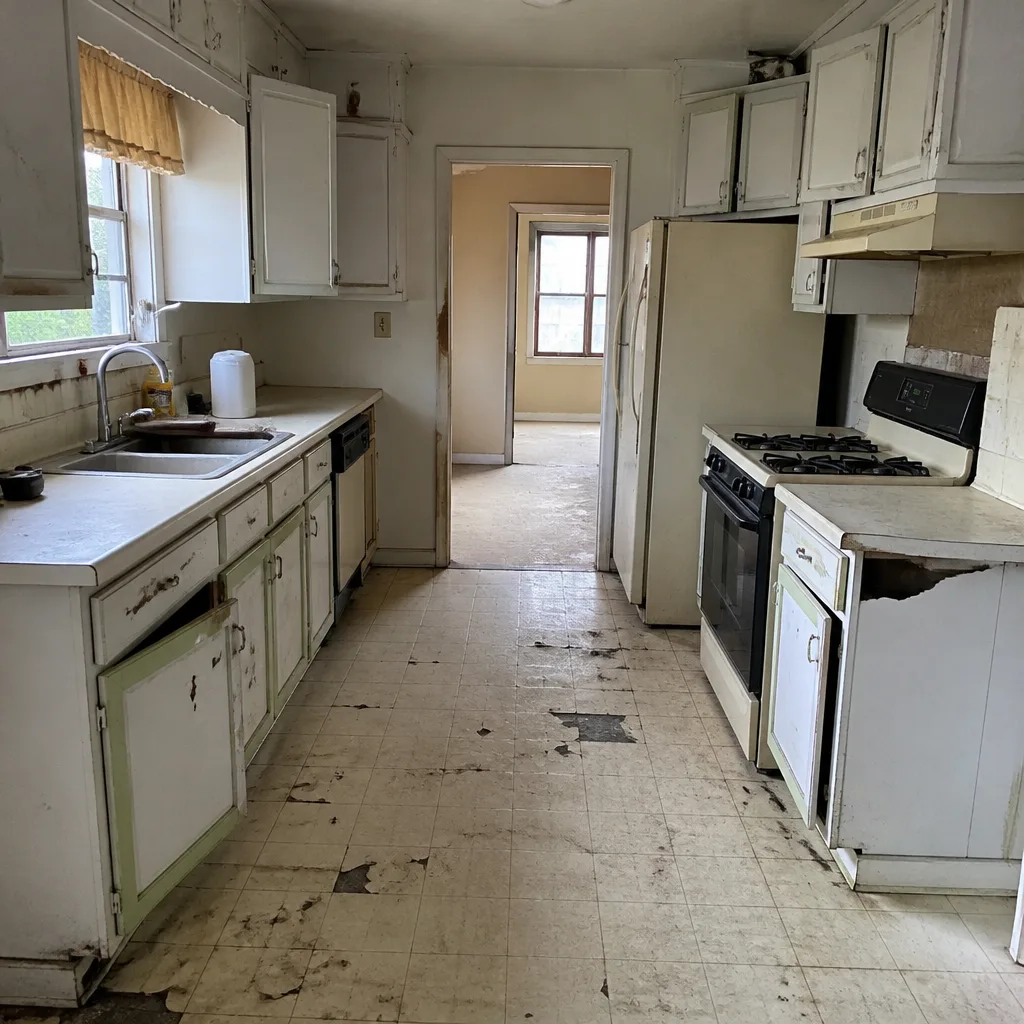 Before
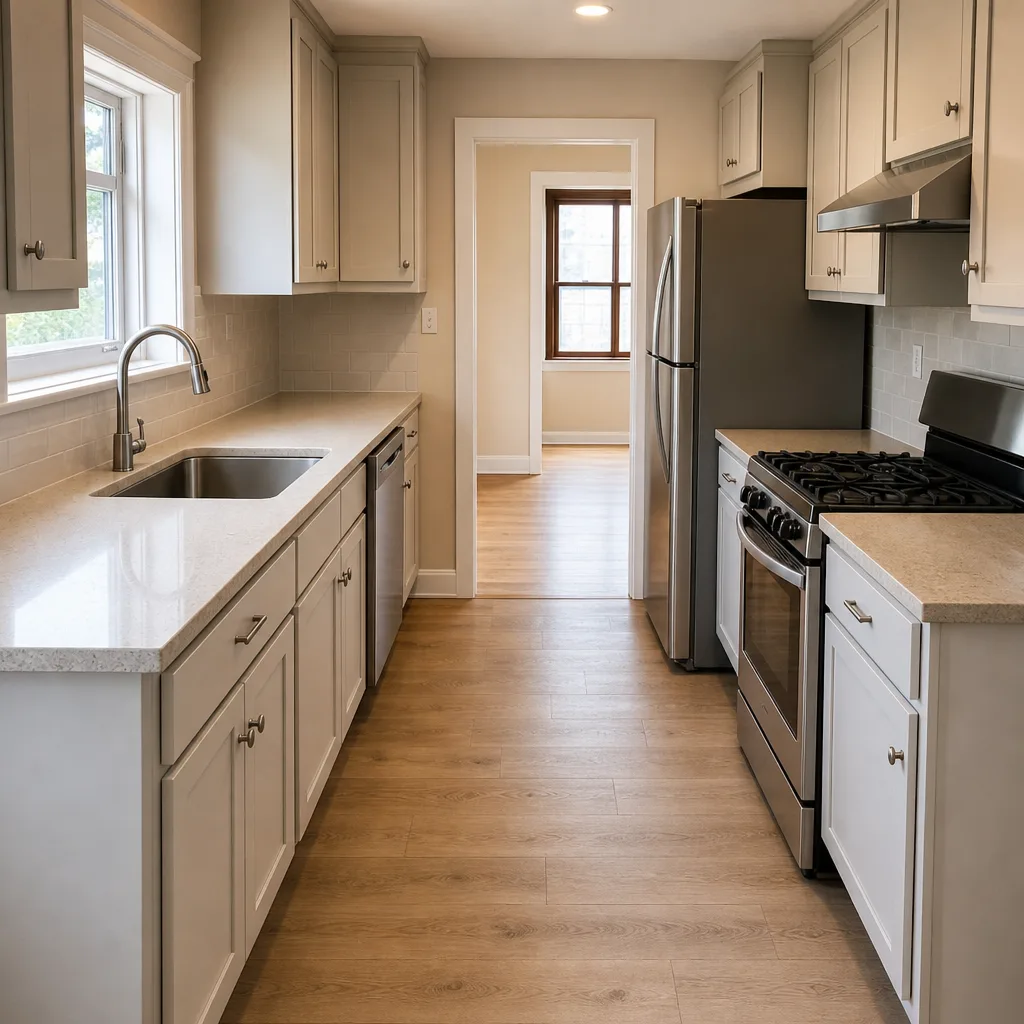 After
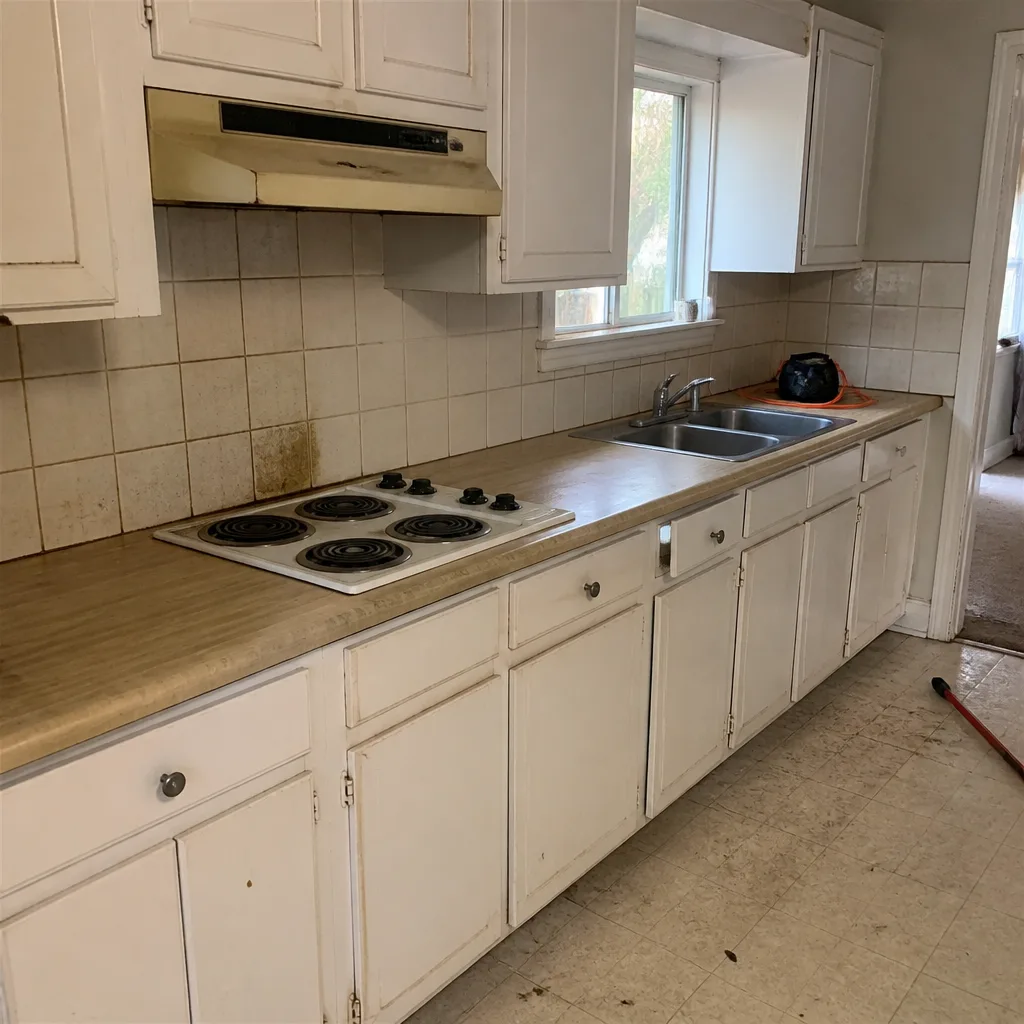 Before
 After
 Before
 After
When to Call a Professional
Call us when you’re looking at any of these: a paver rocking underfoot, joint opening of a quarter inch or more, dome or dip patterns across more than a couple of square feet, water pooling anywhere on the surface for more than 30 seconds, a full-drive joint sand job, or a re-seal that’s overdue past four years. Also call when the driveway is fine but a new patio, driveway extension, or hardscape feature is in the plan – it’s cheaper to design the whole thing with the clay movements in mind than to add on later and fight two separate drainage patterns.
Barrett & Sons Construction Irving offers free estimates in Irving. A written line-item quote, a Belgard or Techo-Bloc spec sheet, and a scope you can trust. Call (833) 991-4970 to schedule your free estimate.
Frequently Asked Questions
Twice a year in Irving – late February and late September. Those are the shoulder-season windows on either side of the clay’s biggest swell and shrink cycle. A full top-up on a three-car drive is typically a $300 to $600 job if a pro does it, or a weekend of work if you do. Call (833) 991-4970 for an exact quote on your drive – estimates are free.
Yes, but stay under 2,000 psi and keep the wand moving. High pressure strips joint sand and can chip pavers, which turns a $200 cleaning into a $2,000 reset. If it’s been more than three years since the drive was sealed, plan on a re-sand and re-seal after the wash.
Because Irving clay contracted underneath that specific paver and left a small void. Water pools in the depression. Sometimes it’s an easy fix – lift the paver, re-bed the bedding sand, re-set – and sometimes it’s evidence of a larger clay-heave pattern that needs a partial reset. Either way, catch it before the next rainy season. Call (833) 991-4970 to have us look at it.
No. Every scope, every allowance, every price change arrives as a written change order before work happens. If we discover base damage under the pavers that wasn’t visible on the estimate, we stop, write it up, and wait for your approval before touching another paver. No surprise invoices at the end.
Yes, we pull permits and pass inspections on every eligible job, including hardscape work that changes grading or drainage. Most homeowners we meet were told by their last contractor that permits were optional. They aren’t. The inspector works for you, and the same goes for any fence or hardscape job that touches the property line.
A partial reset of one course typically takes one day. A full driveway reset runs two to four days depending on square footage, base condition, and whether any drainage correction is included. Barrett & Sons backs every completed job with the written 90-Day Done Right Promise, so if something’s not right after we leave, one call brings us back.
The Bottom Line
Irving driveways live on clay that moves up to two inches between seasons. That’s not a defect in your pavers; it’s the ground under them. The maintenance game is simple once you accept it: walk the drive twice a year (February and September), watch for rocking pavers and pooled water as the earliest warning signs, top up joint sand in the shoulder seasons, re-seal every three to four years with a UV-stable product, and stay off the rock salt. Do that and your paver driveway will outlast a concrete one by a decade. Skip it and you’ll join the homeowners who assume “pavers don’t hold up in Texas” when the truth is nobody told them what the clay was doing. When you’re ready for a professional look, we’ll walk the drive with you, put the scope in writing, and answer the phone at (833) 991-4970 when you call.
Written by the team at Barrett & Sons Construction Irving.