Last updated November 18, 2026
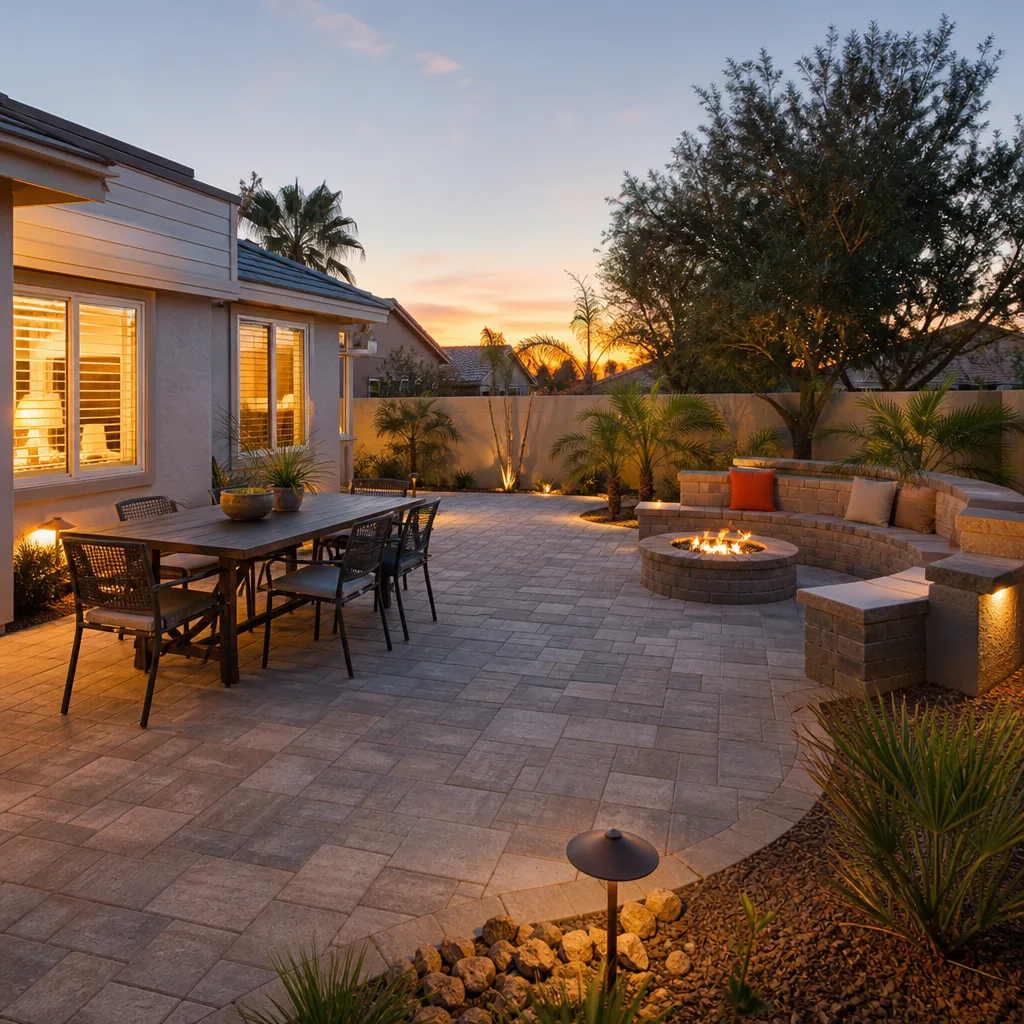
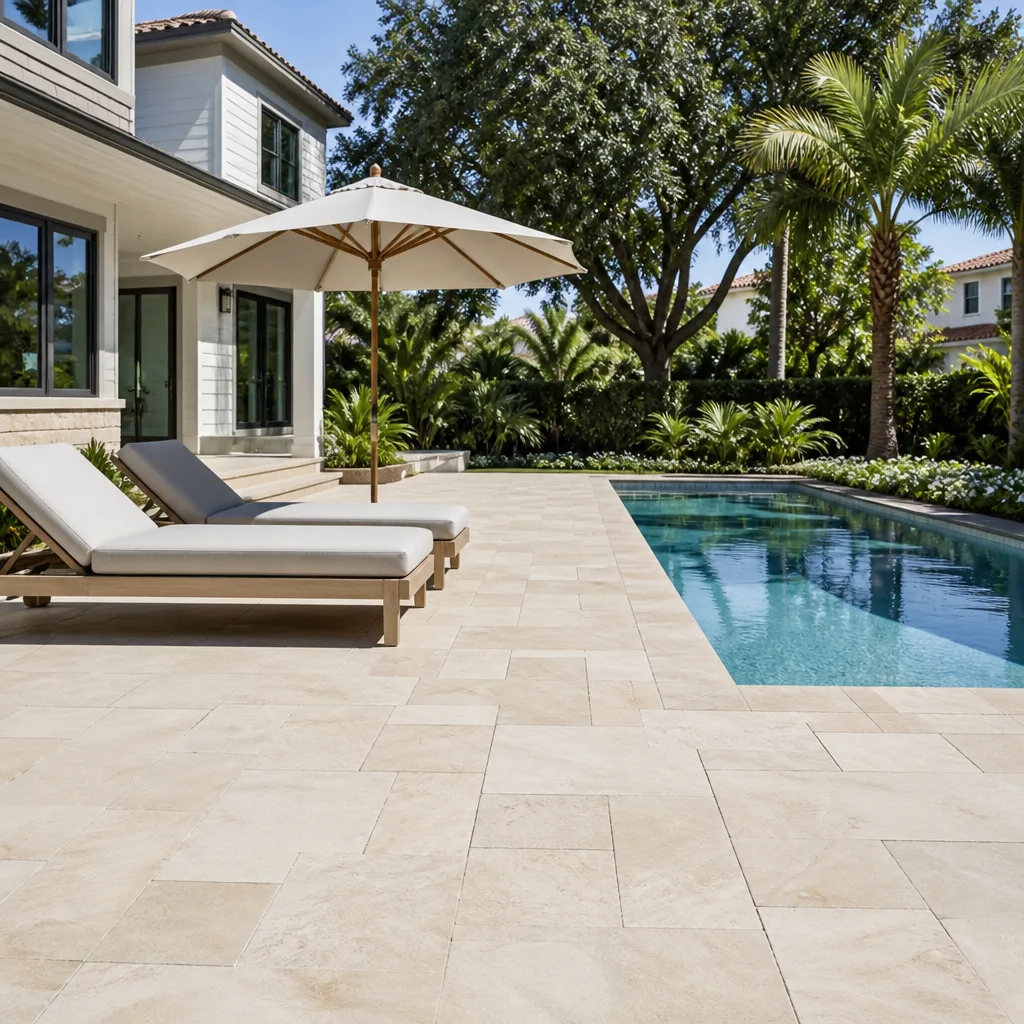
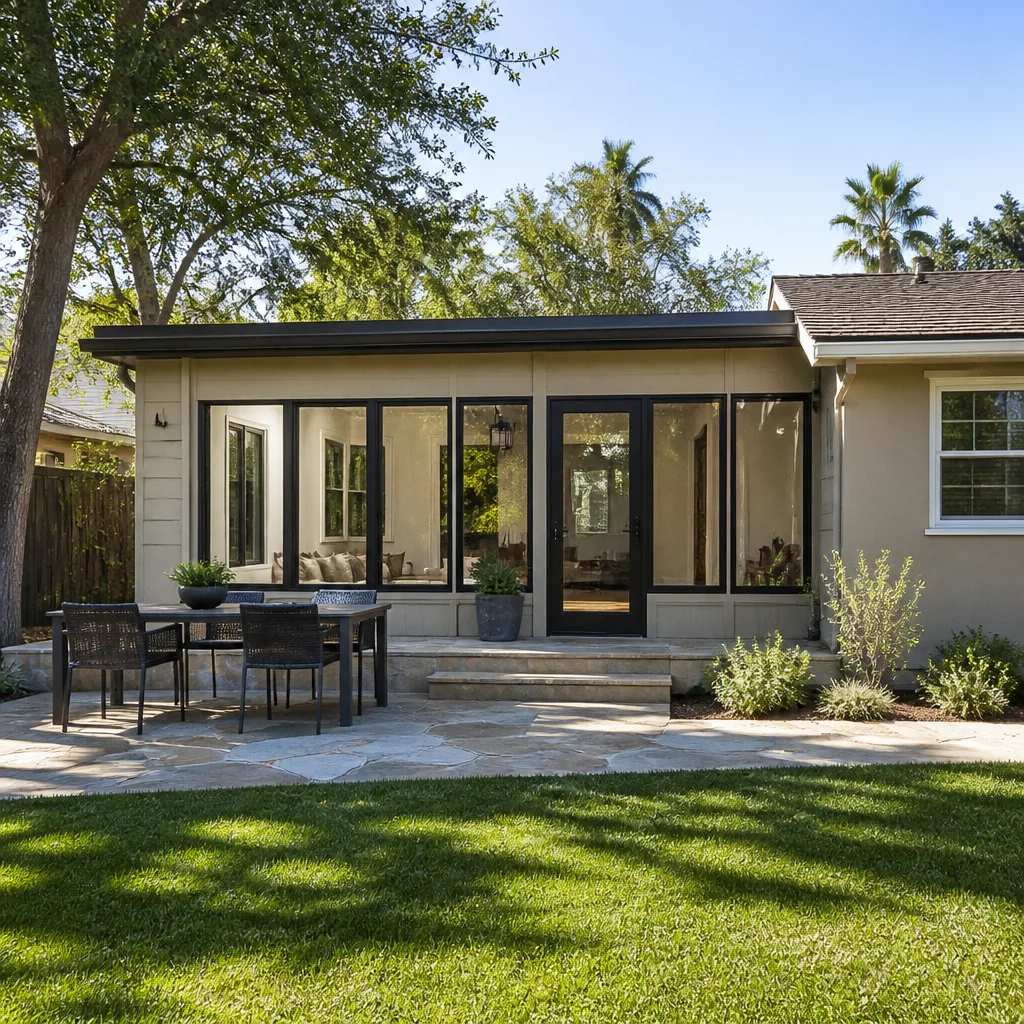
Free written scope consultation - allowances, timeline, and change-order rules on paper before a single trade is scheduled
The Complete Driveway & Pavers Guide for Irving Homeowners
Most paver failures we see in Irving aren’t caused by bad pavers. They’re caused by a base built to Virginia’s frost depth or Arizona’s sand content, neither of which applies to Blackland Prairie clay. That clay swells when it drinks and shrinks when it bakes, and a driveway poured or laid on a thin base pays for it within a few summers. This guide covers what actually holds up here: base depth, paver material for North Texas heat and the occasional hard freeze, Irving’s permit reality, HOA rules in Las Colinas and Valley Ranch, and honest per-square-foot pricing for the Irving market right now.
Quick Answer
A driveway in Irving needs a compacted crushed-stone base of at least 6 to 8 inches over Blackland Prairie clay, not the 4 inches many national guides specify, because Irving’s soil moves with every wet and dry cycle. Concrete pavers, clay brick, and permeable pavers all perform well here when the base is right; thin-set travertine and sand-set stone do not. Expect roughly $12 to $26 per square foot installed in the Irving market, depending on material and site prep.
Styles & brands we work with
- Kitchen remodeling
- Bathroom remodeling
- Home additions & ADU
- Roofing
- Windows & doors
- Driveway & pavers
- Fence
Table of Contents
- Why Irving’s Clay Soil Changes Everything About Your Base
- Which Paver Materials Hold Up in North Texas Heat and Freezes
- Irving Permit Rules for Driveway Projects
- How HOA Rules in Las Colinas, Valley Ranch, and the Heritage District Shape Your Choices
- What Driveway Pavers Cost Per Square Foot in Irving
- What a Proper Paver Driveway Installation Looks Like, Step by Step
- Drainage, Slope, and Why Water Is the Real Enemy
- Keeping a Paver Driveway Looking Right in Irving
Why Irving’s Clay Soil Changes Everything About Your Base
The soil under most of Irving is expansive clay, and it does two things that wreck driveways built to national specs. It swells in spring when the rain comes, pushing up. Then it shrinks in August and September, leaving voids for the surface to settle into. A base that’s too thin transfers that movement straight to your pavers, and you get the heaving, rocking, and hairline cracks that show up around year three or four.
Here’s what we’ve learned working this ground. The minimum base depth we’ll stand behind on Irving clay is 6 inches of compacted crushed stone, and 8 inches is better on driveways that see heavy trucks or sit on a slope. National installation guides often settle for 4. That number comes from climates with stable, sandy, or well-drained subgrades, and it doesn’t transfer to Blackland Prairie.
Compaction matters as much as depth. A base is compacted in 2-inch lifts with a plate compactor, not dumped in one pile and hit once. Skipping lifts is the single most common shortcut we find when we’re called out to look at a failing driveway in Irving.
- Base material: crushed limestone or a graded aggregate base, not sand.
- Compaction: 2-inch lifts, plate-vibrated, checked for density.
- Geotextile fabric: a separation layer between clay and stone keeps the base from pumping clay up into it over time.
- Edge restraint: aluminum or concrete edge restraint, spiked in, so the field doesn’t creep.
If you want the full scope of what we install and how we stage it, our Driveway & Pavers in Irving page covers the material options and process in detail.
Which Paver Materials Hold Up in North Texas Heat and Freezes
Irving gets the worst of both: summer afternoons that push past 100 degrees and the occasional hard freeze that drives frost a few inches into the ground. A paver has to handle thermal expansion and freeze-thaw without spalling or cracking. Some do that better than others.
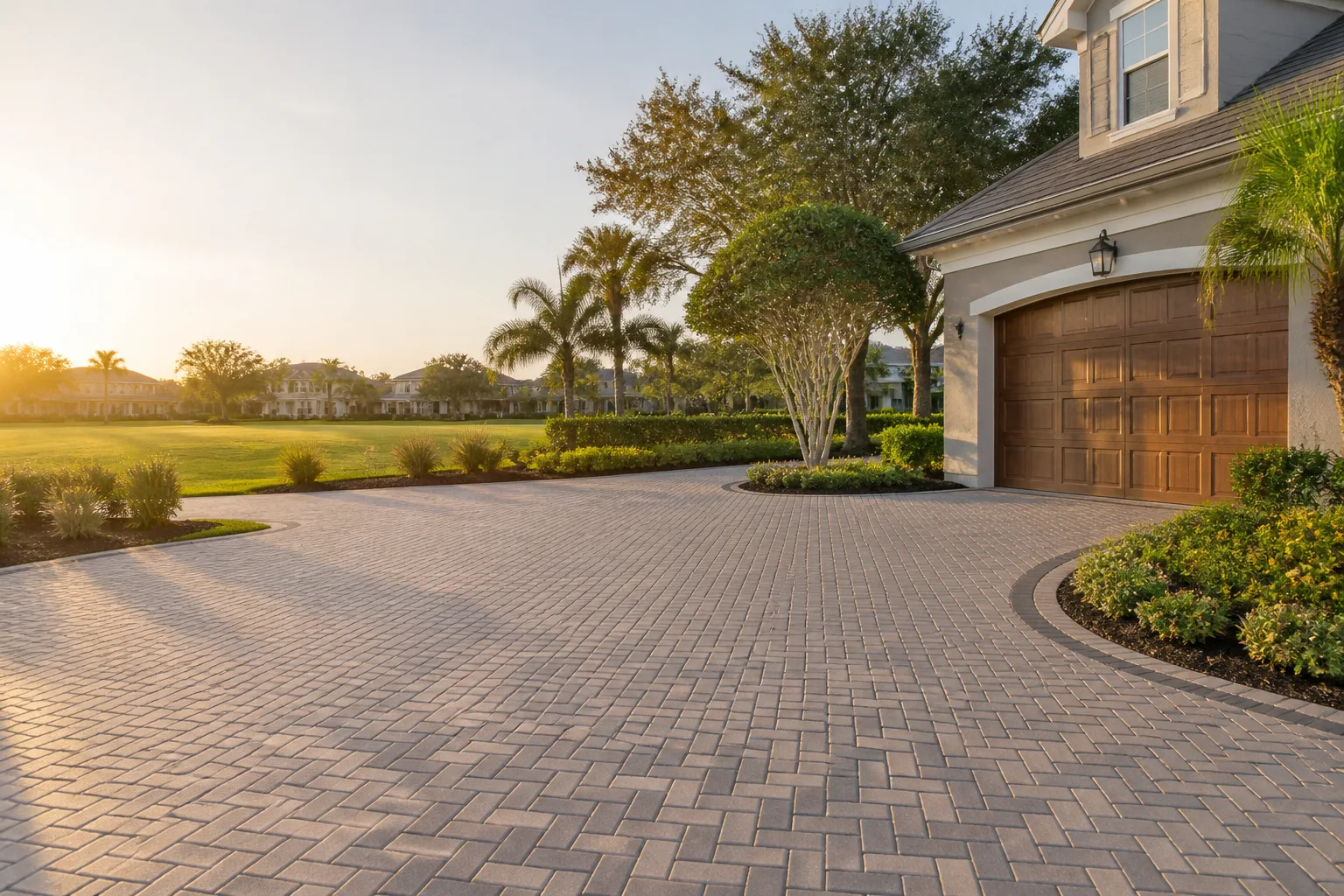
Concrete pavers are the workhorse. High-density manufactured pavers from Techo-Bloc and Cambridge Pavers handle both extremes well, hold color, and come in enough shapes to match almost any home. They’re our most common recommendation for Irving driveways.
Clay brick pavers are the classic choice and they age beautifully. They’re heavy, they don’t fade, and they handle freeze-thaw without flaking if they’re a good grade. The catch is cost and the limited color range.
Permeable pavers are worth a serious look if your lot holds water. Irving gets intense summer storms, and a permeable system with an open-graded base lets water drain rather than pool and sheet toward the garage. Quikrete’s polymeric joint sand helps lock the surface while still allowing drainage.
Travertine and natural stone are beautiful but thin-set applications over clay in Irving are a real risk. We’ve pulled up travertine set on a thin base that spiderwebbed within two summers. If you want stone, it needs the same thick base and a flexible setting method.
- Best all-around for Irving heat and freeze: high-density concrete pavers.
- Best for longevity and appearance: clay brick.
- Best for drainage and pooling lots: permeable paver systems.
- Handle with caution on clay: thin natural stone and travertine.
Irving Permit Rules for Driveway Projects
This is where a lot of homeowners get surprised, because the rules aren’t always obvious. A simple like-for-like paver replacement over an existing driveway usually doesn’t need a permit. But the moment a project changes the footprint, adds a new driveway approach, alters drainage, or touches the right-of-way where your driveway meets the street, Irving’s Development Services wants to see plans.
Here’s the short version of when to expect a permit:
- New driveway approach or widening: a permit is almost always required because it changes the curb cut and right-of-way.
- Full driveway replacement that keeps the same footprint and grade: usually no permit, but confirm before you dig.
- Any change to grading or drainage that could affect neighbors: expect a review.
- Driveways in a floodplain or near a drainage easement: a permit and possibly an engineer’s review.
What happens if you skip it? The city can require you to tear out and redo work done without a permit, and that’s on your dime. It can also complicate a future sale when a buyer’s inspector flags unpermitted work. We pull permits on every eligible job and get inspections signed, because the permit inspector works for you, not for us. If you’re weighing a broader exterior project at the same time, our Fence Installation in Irving page covers how fence and driveway projects can be coordinated so the site work happens once.
How HOA Rules in Las Colinas, Valley Ranch, and the Heritage District Shape Your Choices
Irving is not one market. The rules that govern what you can put down depend a lot on the neighborhood, and the three you’ll hear about most are Las Colinas, Valley Ranch, and the Heritage District.
Las Colinas HOAs tend to be the strictest on appearance. Many require a submitted plan with material samples and color before work starts. Expect a bias toward neutral tones, uniform paver patterns, and a ban on exposed aggregate. If you show up with a bold multicolor blend, the architectural review committee will send it back.
Valley Ranch has its own set of design guidelines, and the common pattern is a requirement that the driveway match the home’s facade or the neighborhood’s established palette. Many Valley Ranch associations also require you to submit a site plan showing drainage direction.
The Heritage District is the wild card. If your home sits in a historic overlay, exterior changes that are visible from the street may go through historic review in addition to a permit. Brick pavers in a traditional running bond are usually the safest bet there, and they also happen to suit the neighborhoods’ older homes.
Our advice: get the HOA approval in writing before you order a single pallet. A rejected color after the pavers are already on the truck is an expensive lesson. And when you’re planning a larger exterior upgrade, our Home Additions & ADU in Irving page explains how driveway, foundation, and addition work sequencing fits together.
What Driveway Pavers Cost Per Square Foot in Irving
Pricing is the question everyone asks first, and it’s fair to want a real number instead of “it depends.” In the Irving market right now, installed paver driveways run roughly $12 to $26 per square foot, depending on material and how much site prep your lot needs. Here’s how that breaks down by material.
- Standard concrete pavers: $12 to $16 per square foot installed, base prep included.
- Premium concrete pavers (Techo-Bloc, Cambridge): $15 to $20 per square foot installed.
- Clay brick pavers: $18 to $26 per square foot installed.
- Permeable paver systems: $16 to $24 per square foot installed, including open-graded base.
- Natural stone, properly set over a full base: $24 to $30 per square foot installed.
Those ranges assume an accessible lot and a fairly standard 2-car driveway footprint. Add cost for removal and haul-off of an old surface, significant regrading, or a driveway that needs a new edge restraint and drainage correction. A typical two-car Irving driveway of 400 to 500 square feet lands in the $5,000 to $10,000 range with standard to premium concrete pavers.
Every scope, every allowance, every price change arrives as a written change order before work happens. The allowance that isn’t on paper is a surprise waiting for a date, and we won’t run a job that way. All of it also carries the 10% Senior & Veteran discount if it applies to you, plus a free second opinion on any written estimate you’ve already received elsewhere.
What a Proper Paver Driveway Installation Looks Like, Step by Step
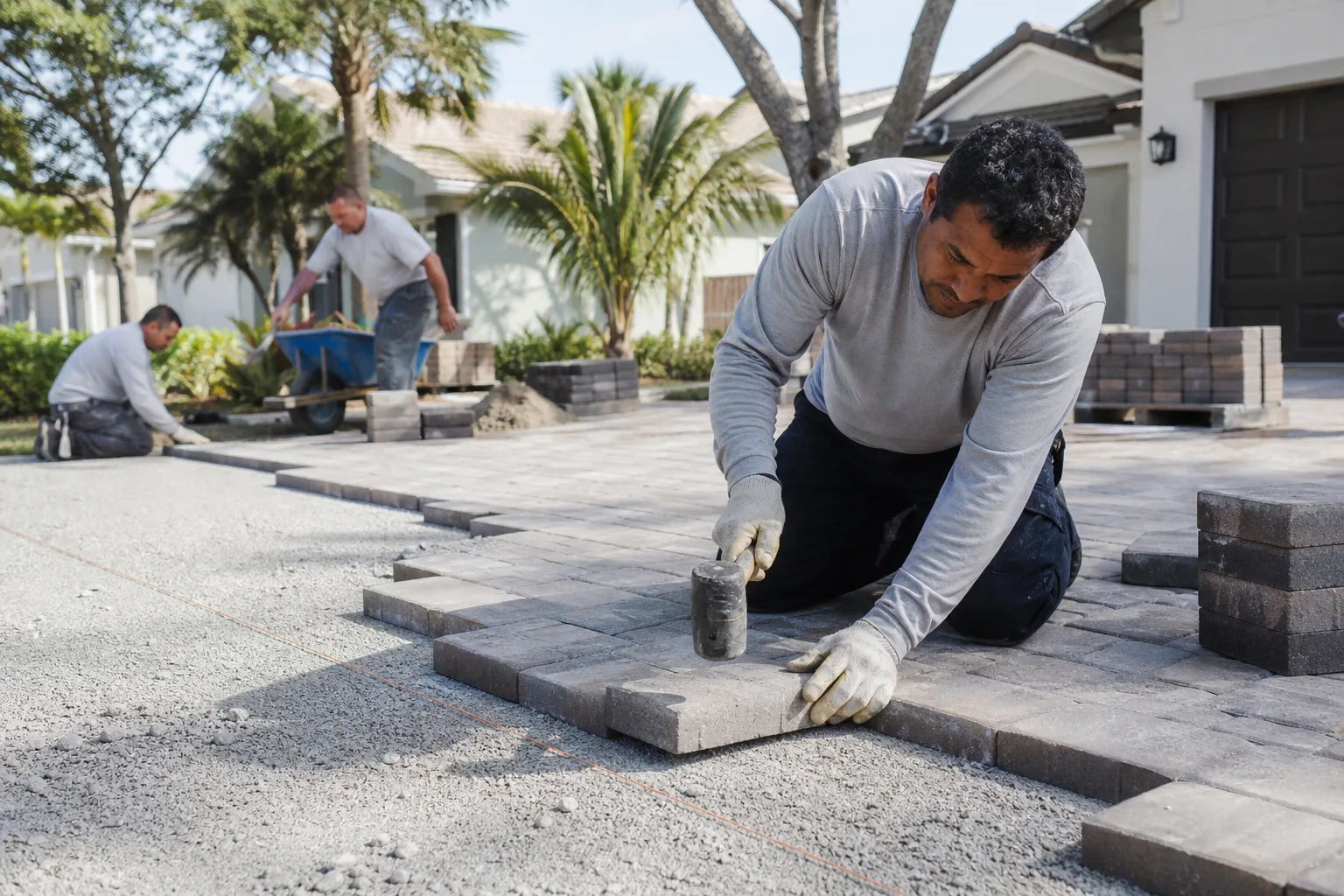
Installation order matters more than most homeowners realize. A paver driveway is built from the bottom up, and shortcuts at the bottom don’t show until they fail at the top. Here’s what a proper Irving installation looks like.
- Remove the old surface and excavate. We dig out to the depth the base requires, plus the paver thickness plus the bedding layer. That’s usually 10 to 12 inches total on Irving clay.
- Shape and compact the subgrade. Grading sets the drainage slope before anything else goes down.
- Lay geotextile fabric. A separation layer between clay and aggregate base, so clay doesn’t pump up into the stone.
- Install the aggregate base in compacted lifts. Each 2-inch lift is plate-vibrated before the next one goes down, to a minimum 6-inch compacted depth.
- Spread and screed the bedding layer. About an inch of coarse sand over the compacted base.
- Set the pavers in the approved pattern and cut edges to fit.
- Install edge restraint. Aluminum or concrete edge, spiked through, so the field stays put.
- Sweep in polymeric joint sand and compact the field. Quikrete polymeric sand locks the joints while allowing a little movement.
We write all of this into the estimate so you know exactly what you’re paying for and can compare bids on equal terms. If a bid is dramatically cheaper and skips the fabric or the lifts, it’s not the same job.
Drainage, Slope, and Why Water Is the Real Enemy
You can lay the best pavers on the market, and water will still ruin them if it has nowhere to go. Irving’s clay doesn’t drain well to begin with, so the driveway has to do the work of moving water off the surface and away from the foundation. Slope matters here more than color or pattern.
The standard is a minimum of about 2 percent slope away from the garage or house, which translates to roughly a quarter inch of fall for every foot of driveway. That’s not a lot, and it’s easy to lose if the base is graded flat. We check slope with a level at multiple points before we lock the pavers in, and we adjust the edge restraint so water can’t pond at the low corner.
Where a driveway sits on a lot that collects water, a permeable paver system or a small drain channel at the low edge can keep standing water away from the garage slab and foundation. Both are worth pricing into the project up front rather than trying to fix after the fact. Water that sits against a slab finds its way in, and that’s a much bigger bill than a drainage detail.
Keeping a Paver Driveway Looking Right in Irving
A well-built paver driveway in Irving is genuinely low-maintenance. Quartz-blown concrete pavers and clay brick wear well, and the surface stays put if the base is right. That said, a little upkeep goes a long way.
- Sweep off leaf litter and clay dust after the rain, before it works into the joints.
- Replenish joint sand every few years as it gradually washes and blows out. Polymeric sand lasts longer than plain sand.
- Spot-weed the joints rather than letting weeds establish roots that widen gaps.
- Watch for settling or rocking pavers and call it out early. A single loose paver is a quick fix; a whole settled corner is a base problem.
- Seal only if you want it. Sealing deepens the color and can slow staining, but a well-built driveway doesn’t require it.
We usually tell Irving homeowners that if something’s off with the surface, they’ll know it before year five, and that’s when it’s easiest and cheapest to correct. Proudly serving local communities for over 29 years, and every completed job is covered by the 90-Day Done Right Promise in writing. If something isn’t right, one call brings us back.
Common Mistakes to Avoid
- Building a thin base because a national guide said 4 inches. That number comes from stable subgrades, not Irving clay, and it fails within a handful of summers here.
- Setting a driveway on sand instead of crushed aggregate. Sand looks fine and then washes, shifts, and lets clay work up into the whole base.
- Skipping the geotextile fabric. Without it, clay pumps up into the stone over the seasons and the base loses its integrity.
- Grading flat or near-flat. Irving storms are intense; without proper slope and a drainage plan, water pools against the garage and finds the foundation.
- Ordering the wrong color for a Las Colinas HOA. Architectural review can reject a blend your family loves, so get the approval in writing before ordering.
- Starting without pulling the required Irving permits. Unpermitted driveway work can mean a tear-out on your dime and a snag at resale.
- Comparing bids side by side without looking at the base spec. The cheapest number is often the thinnest base. Ask each bidder what depth and how many lifts they’re installing.
See the difference
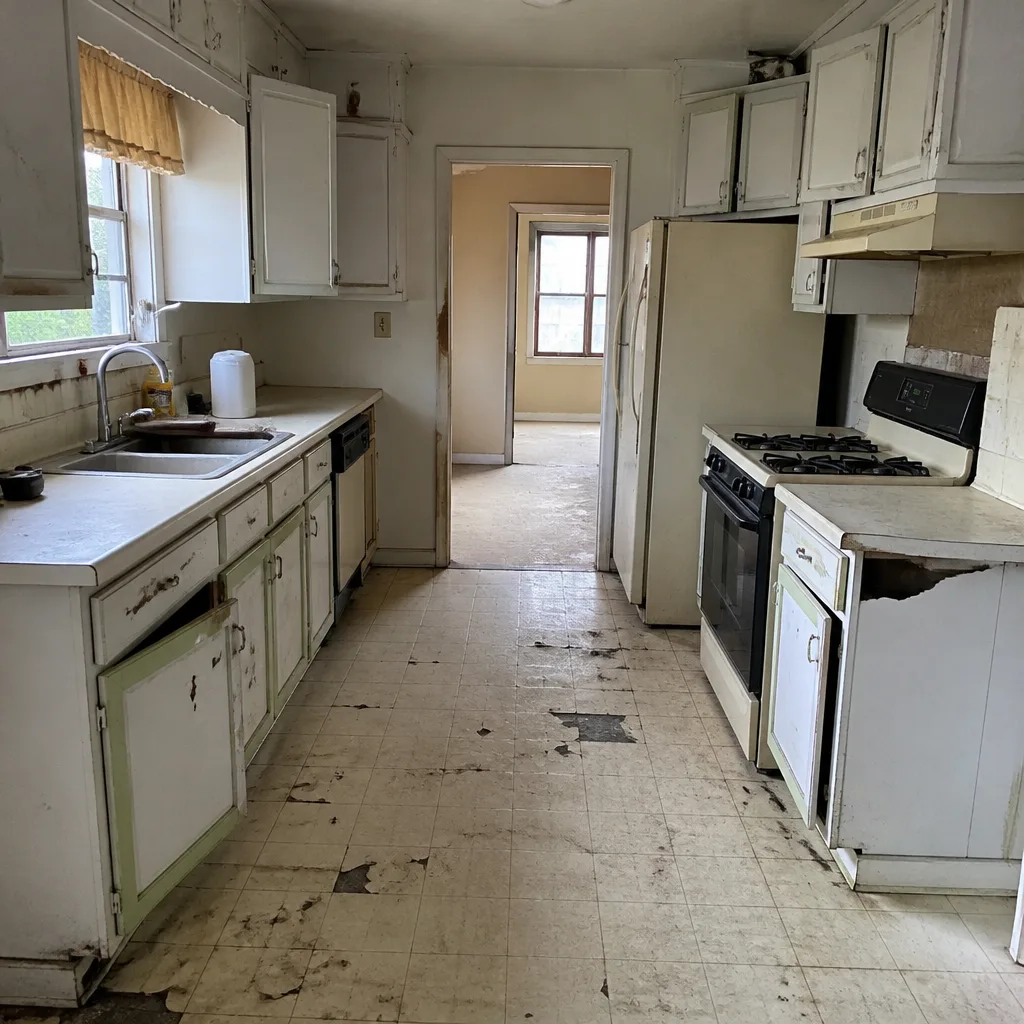 Before
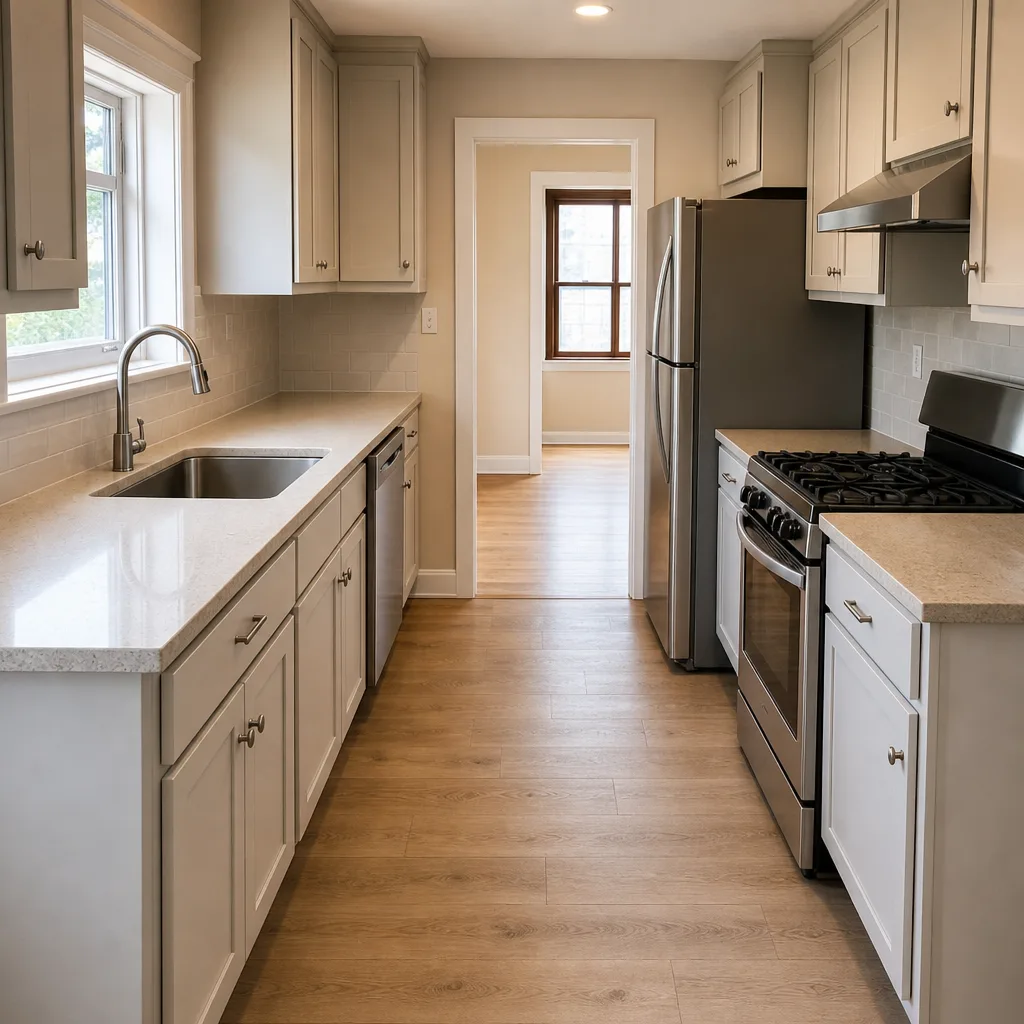 After
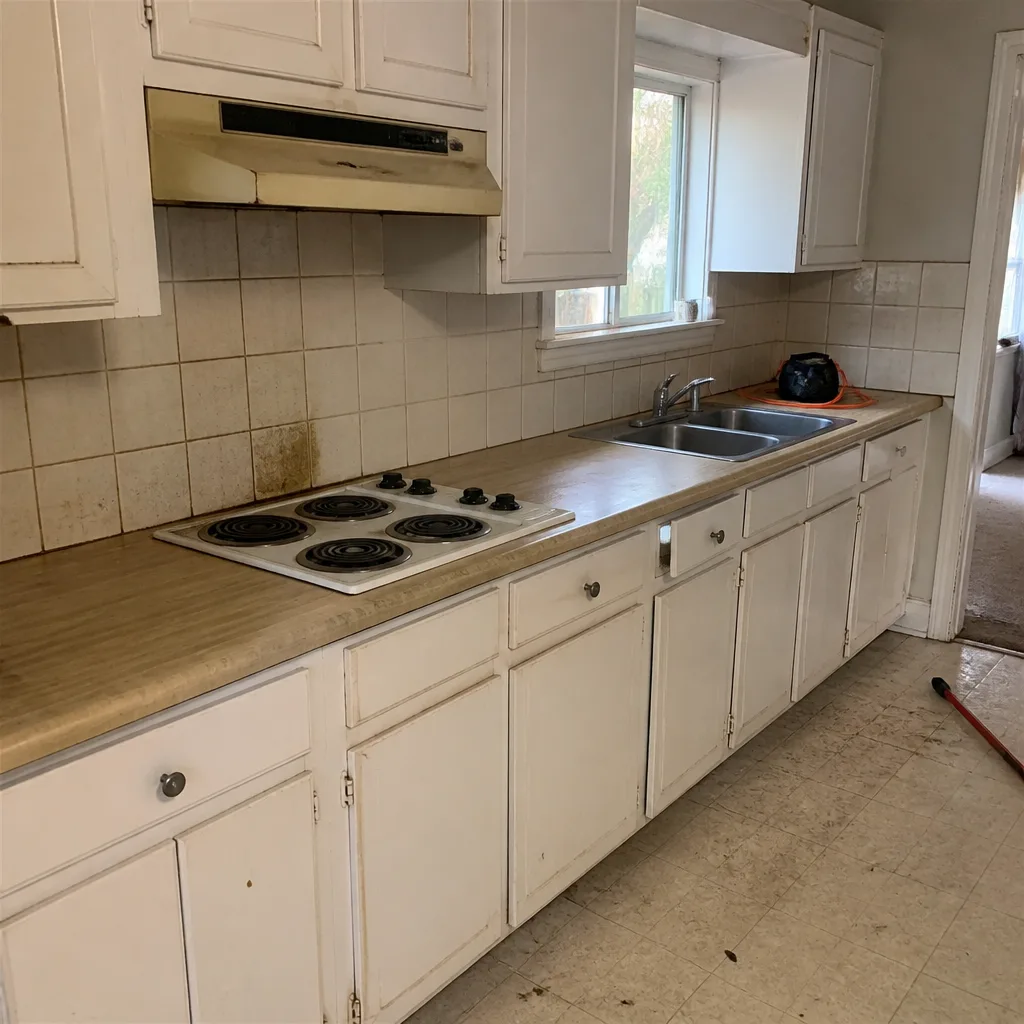 Before
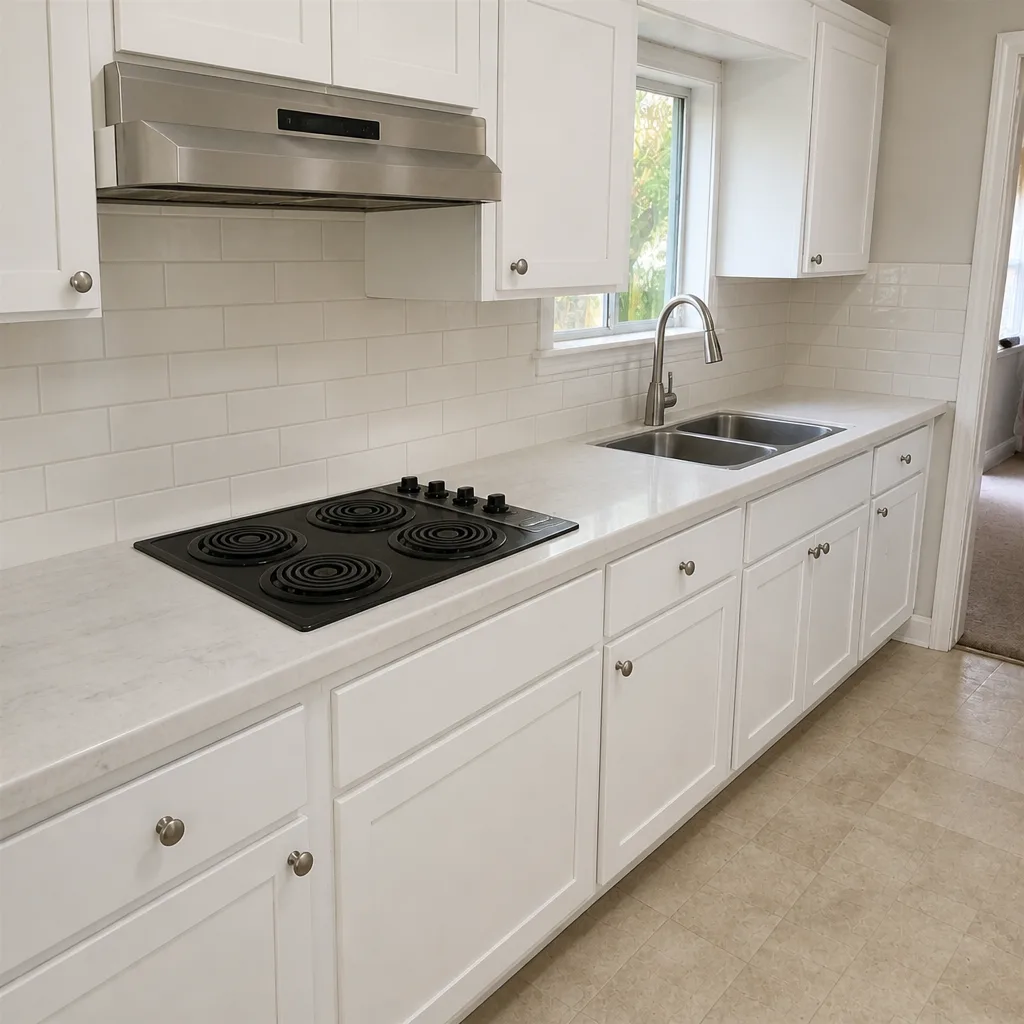 After
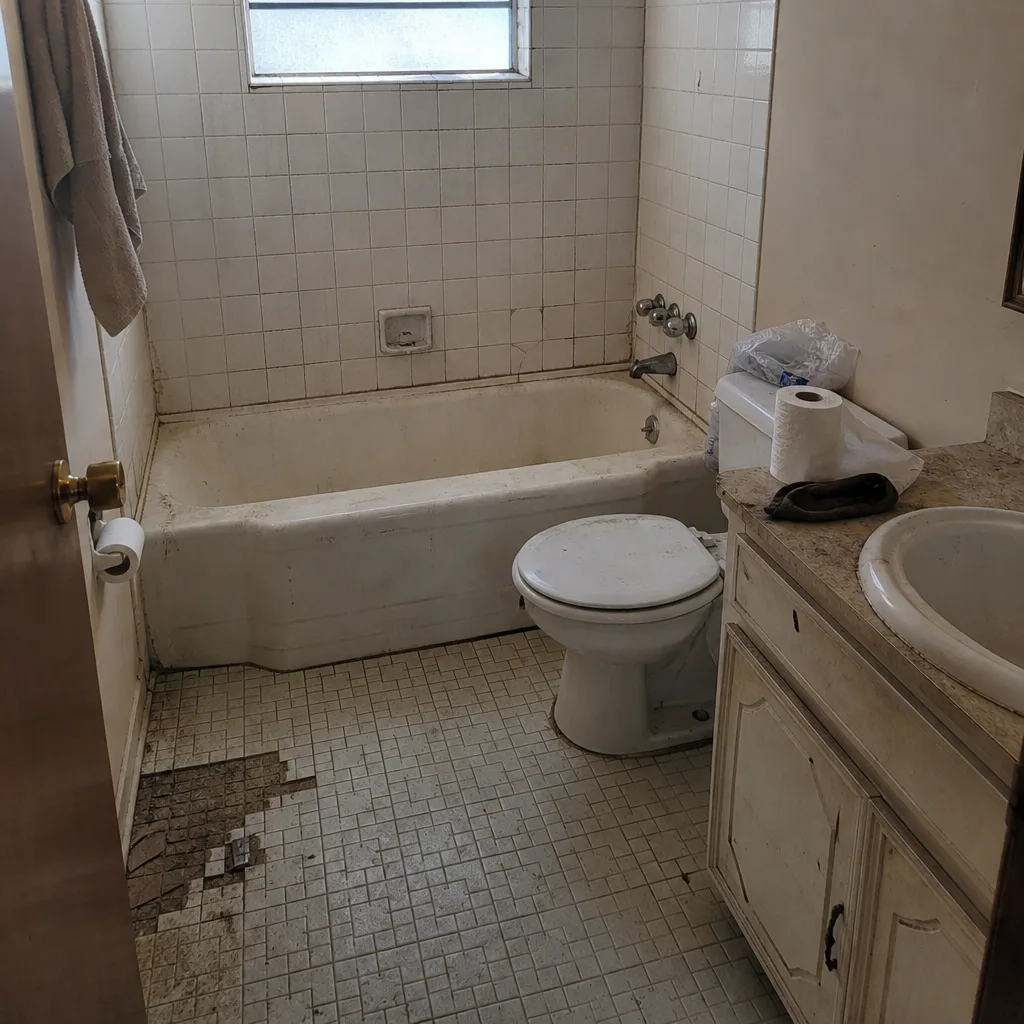 Before
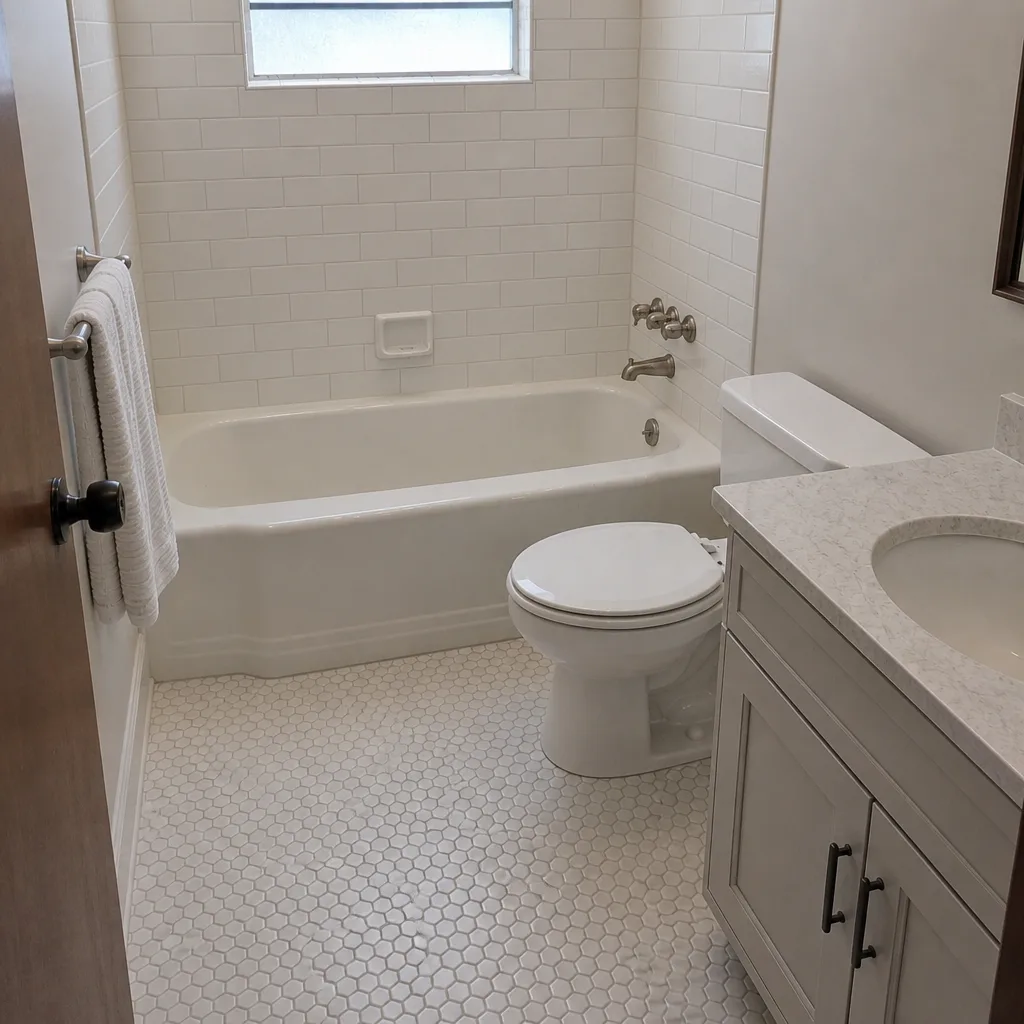 After
When to Call a Professional
Some things are worth a call rather than an afternoon of trial and error. If your pavers are heaving in spring or settling in late summer, the problem is almost always under the surface, and it’s a base correction, not a cosmetic one. If your driveway slopes toward the garage or you’re seeing water pool against the foundation, that’s a drainage problem better diagnosed before it damages concrete. If you’re widening a driveway or adding a new approach at the street, a permit is likely required and worth getting right up front. And if a paver job you’re looking at starts with a verbal promise and no written scope, that’s the moment to call.
Barrett & Sons Construction Irving offers free estimates in Irving: call (833) 991-4970. A live person answers the phone, and we’ll walk your driveway with you, tell you what the base likely needs, and put it in writing before anything moves. Free second opinion on any written estimate you’ve already received.
Frequently Asked Questions
On Irving’s expansive clay soil, the compacted aggregate base should be a minimum of 6 inches, and 8 inches is better on sloped or heavily trafficked driveways. That’s installed in 2-inch lifts with a plate compactor, not dumped in one pass. Call (833) 991-4970 for an exact quote on your driveway – estimates are free.
High-density concrete pavers are our most common recommendation for Irving, and clay brick and permeable systems also perform well when the base is right. Thin natural stone set on a shallow base is the one we see fail most often. Call (833) 991-4970 to talk through options for your lot.
It depends on whether the project changes the footprint or drainage. Like-for-like replacement usually doesn’t require one, but any new approach, widening, or grading change does, and so does work in a drainage easement. Call (833) 991-4970 and we’ll tell you what your specific project needs.
Installed paver driveways in the Irving market right now run roughly $12 to $26 per square foot, with standard concrete pavers at the low end and clay brick at the high end. A typical two-car driveway lands around $5,000 to $10,000. Call (833) 991-4970 for a written line-item estimate – it’s free.
Not without a written change order signed before we proceed. Every scope, allowance, and price change arrives in writing on a Barrett & Sons job, and unexpected site conditions get priced and approved before anyone touches the driveway. Call (833) 991-4970 and ask us to walk you through the estimate line by line.
A typical two-car paver driveway takes about three to five days once the excavation is done and materials are on site, not counting permit review if your project needs one. Moisture and site conditions in Blackland Prairie clay add a day here and there on some lots. Call (833) 991-4970 and we’ll give you a realistic schedule with your estimate.
The Bottom Line
The right paver driveway for Irving isn’t the cheapest system a national guide recommends, and it isn’t the one a bidder can install in a day. It’s got a base deep enough for Blackland Prairie clay, 6 to 8 inches compacted in lifts, a separation fabric against the clay, a drainage slope that actually carries water away, pavers built for heat and freeze, and an HOA approval and Irving permit handled before the pallets arrive. Get those right and a paver driveway serves your home for decades. Get them wrong and you’ll be tearing it up by year five.
Every Barrett & Sons job carries permissions pulled and inspections signed, written change orders before any scope change, the 90-Day Done Right Promise on the finished work, and a standing set of offers: $40 Off Any Repair Over $200, a free second opinion on any written estimate, no trip charge inside the county, and a permanent 10% discount for seniors and veterans. You can verify the name, the address, and the license number before you sign anything – and calls are answered by a live person around the clock, not a voicemail box.
Ready to talk about the driveway you’ve been putting off? Call (833) 991-4970 for a free estimate. We’ll look at the base, the drainage, and the permits before we price a single paver.
If you’re still mapping out a bigger exterior plan, start with our Barrett & Sons Construction Irving home to see how driveway, fence, and addition work fit together.
Written by the team at Barrett & Sons Construction Irving.