Last updated November 18, 2026




Free written scope consultation - allowances, timeline, and change-order rules on paper before a single trade is scheduled
Fence Installation Troubleshooting: Common Problems and How to Fix Them
A gate that stops latching is almost never a gate problem. It’s a post problem, and the post problem is almost always a footing problem that started before the fence was even finished. We’ve pulled enough leaning posts out of the ground around Irving to know the pattern: the homeowner has been adjusting the latch for months, tightening screws, shimming the hinge, and the whole time the real failure has been happening two feet underground. This guide teaches you to trace a fence failure back to its actual origin, so you fix the cause instead of buying the same repair call again in two years. You’ll learn what a homeowner can reasonably handle and what needs a trained crew.
Quick Answer
Most leaning posts, sagging gates, and warped boards come from one of three root causes: footing failure, soil movement, or a rotted post base, and each needs a different fix. Diagnose in this order: hinge hardware, then the gate post, then the footing beneath it. Fix the symptom without the cause and the problem returns.
Styles & brands we work with
- Kitchen remodeling
- Bathroom remodeling
- Home additions & ADU
- Roofing
- Windows & doors
- Driveway & pavers
- Fence
Table of Contents
- How Do You Diagnose Which Part of a Fence Is Actually Failing?
- Why Is My Fence Post Leaning?
- Why Irving’s Clay Soil Makes Posts Move
- Why Are My Fence Boards Warping and Cupping?
- Gate Sagging Troubleshooting: A Step-by-Step Order
- What Can You Fix Yourself vs. What Needs a Crew?
- Common Mistakes to Avoid
- Frequently Asked Questions
How Do You Diagnose Which Part of a Fence Is Actually Failing?
Start at the top of the failure and work down, not the other way around. A fence is a load path: the boards hang on rails, the rails hang on posts, and the posts carry everything into the footing. When something looks wrong at the top, the load path tells you where to look.
Here’s the diagnostic order we use on a first walk-around in Irving:
- Look at the symptom location. Is the trouble at the gate, mid-run, or at a corner post? Corner and gate posts carry the most load, so they fail first.
- Check the post for plumb. Hold a 4-foot level against the post face. A post out of plumb by more than about an inch over four feet is moving.
- Probe the post base. Push a screwdriver into the wood at ground level. If it sinks easily, the base is rotting.
- Look at the footing. Expose the top of the concrete or gravel and check for cracks, heaving, or a wide gap where soil has pulled away.
- Check the soil around it. A bowl-shaped depression or a crack radiating out from the post points to soil movement, not footing failure.
Those last two checks are where most homeowners stop early and guess wrong. A leaning post in Irving is a footing problem about half the time, a soil problem maybe a third of the time, and a rotted base the rest. Three different failures, three completely different fixes. Knowing which one you have is the whole job, and it’s the difference between a fixed fence and a fence that leans again before the next spring.
Why Is My Fence Post Leaning?
A leaning post is not one problem, it’s at least three, and the repair differs for each. Before you dig anything, identify which failure you’re looking at:
- Footing failure: The concrete cracked, tipped, or heaved. Signs are a visible crack in the concrete cap, a post that’s loose in the hole but solid in the wood, or a footing that’s clearly sitting at an angle. The fix is pulling and re-pouring with a wider, deeper bell-shaped footing.
- Soil movement: The footing is intact but the ground around it moved, usually from water channeling or a slope washing out. Signs are a soil gap on one side, a depression, or a post that leans a little more each wet season. The fix starts with correcting drainage, then may need re-setting.
- Rotted post base: The wood at and just above grade has broken down. Signs are soft wood under a screwdriver probe, discoloration, or the base crumbling at the ground line. The fix is a splice or full replacement of the post with a rot-resistant material or a ground-contact-rated post.
In our experience, the mistake is treating the lean as a single category and patching it with a brace or a longer post. A splinted post still has a bad footing under it, so it leans again. Poured concrete in Irving clay can also push a post sideways rather than hold it, which brings us to the soil.
Why Irving’s Clay Soil Makes Posts Move
Irving sits on expansive clay, and that clay does a lot of moving between a wet spring and a dry August. Clay swells when it’s wet and shrinks when it dries, and a post footing gets pushed and pulled with every cycle. That’s why a fence that was perfect in March can be out of plumb by July.
Here’s how the two common methods fail differently in this soil:
- Concrete-set posts: A concrete collar poured into a clay hole works until the clay swells against it. When the soil expands, it can lift or tilt the whole collar, and a shallow footing is the most vulnerable. Once a concrete footing tips in Irving clay, you usually can’t straighten it without pulling it.
- Gravel-set posts: Gravel drains better and lets the post settle a bit, which some crews prefer in clay. But gravel around a wood post also holds moisture against the wood, so the base can rot faster. Gravel posts tend to show rot before they show a lean.
The practical takeaway for an Irving homeowner: any post within the drip line of your downspouts or at the low corner of the yard is a candidate for movement, so check those first. Correct the grading and drainage before you fix the fence, or the new footing gets the same treatment as the old one. Fixing the fence while leaving the water problem is the most common way we see people spend the same money twice.
Why Are My Fence Boards Warping and Cupping?
Warping and cupping are usually a moisture problem, not a wood problem, even when the wood is cheap. Cupping is when the board’s edges lift and the center sinks, usually because one face absorbed more water than the other. Where that water is coming from tells you which fix you need.
- Check the grade at the fence base. Soil piled against the bottom of the boards, or ground that slopes toward the fence, wicks moisture into the lower boards first. Cupping concentrated at the bottom two feet is a grading problem.
- Check the board orientation. Bark-side-in versus bark-side-out matters. Boards installed with the wrong face toward the weather cup faster. Look for cupping on one side of the fence only, which points to an installation orientation error.
- Check the finish. Unsealed wood absorbs and releases water on a fast cycle. Bare cedar or pine in an Irving summer with its afternoon storms can cup within a season.
- Rule out material defects. Knots, pith, and grain runout cause localized warping, not uniform cupping across a whole run. If one board here and there is wild, that’s material; when the whole run moves, it’s moisture or installation.
Once you know the cause, the fix follows. Grading and drainage first, then board replacement and a proper seal. If the whole run is cupped and the fence is more than a decade old, replacement with a better material is often smarter than re-boarding a failing frame. That’s a judgment call worth having a trained eye make on-site.
Gate Sagging Troubleshooting: A Step-by-Step Order
Follow this order and do not skip ahead. Most gate problems that get “fixed” at the hinge turn out to be post or footing problems that were there all along.
- Check the hinge hardware first. Are the screws backed out, the hinge bent, or the plates loose? Tighten and replace hardware as needed. This is the cheapest fix and often all a young gate needs.
- Check the gate post for plumb and stability. If the post rocks or leans when you push it, the hardware was never the problem. A gate is a lever arm working against that post every time it opens.
- Check the footing under the gate post. Expose the concrete or gravel. A crack, a tipped cap, or a hollow gap under the post means the footing is failing and the gate will keep sagging.
- Only then re-hang the gate. If the post and footing are sound, adjust the hinge side to re-square the gate, and add a diagonal brace or turnbuckle if the gate frame itself is racking.
That order matters because a homeowner who adjusts hinges on a failing gate post spends an hour and then watches the gate drag again in a month. If the diagnosis points to the footing, the post has to come out, and that’s the point where a professional crew saves you a season of re-doing it.
What Can You Fix Yourself vs. What Needs a Crew?
Some fence repairs are a Saturday and a trip to the hardware store. Others need a truck, a post hole digger, and a backup pair of hands. Here’s the honest split:
- Weekend hardware-store fixes: Tightening or replacing hinges and latches, re-hanging a gate on a sound post, replacing a single cupped or broken board, adding a diagonal brace, applying a sealant.
- Needs a trained crew: Pulling and resetting a footing, replacing a rotted gate or corner post, correcting grade and drainage at the fence line, re-building a run where multiple posts have moved.
To know which situation you’re in, do the checklist: probe the post base, check plumb, and expose the footing top. If the wood is solid and the footing is intact, it’s usually a hardware job. If the post moves, the footing is broken, or the wood is soft, the fix needs the post out of the ground. That second category is where a call to the right crew pays for itself. In Irving, calling the crew is often cheaper than a wasted weekend, and a lot cheaper than re-doing the same repair in eighteen months.
If you’re weighing a major repair against a full replacement, our guide to fence installation in Irving walks through the materials and how a new run is set to resist this soil. If your project is bigger than a fence, the same crews handle driveway and pavers in Irving, which share a lot of the same base and drainage work, and home additions and ADUs in Irving. You can see the full range of work on the Barrett & Sons Construction Irving home page.
Common Mistakes to Avoid
- Fixing the symptom and ignoring the cause. Re-shingling a gate hinge when the post is moving just delays the inevitable. Always trace back to the footing.
- Setting a new post in the same bad spot. If water pools where the old post failed, a new post in the same hole fails the same way. Fix the drainage first.
- Using a shallow footing in clay. A short concrete collar in Irving clay is the classic setup for a lean. Footings need depth and width in this soil.
- Piling soil against the fence base. It looks tidy and rots the bottom boards. Grade soil away from the fence and keep the bottom board clear of dirt.
- Bracing a gate against a failing post. A brace transfers the load but doesn’t fix the footing. If the post rocks, the brace is hiding a bigger problem.
- Choosing mystery-brand materials off a van. We install named, verifiable brands (Andersen and Marvin on windows, GAF and CertainTeed on roofs, KraftMaid and Cambria in kitchens), and on fencing we stick to materials you can look up. Ask what’s in the ground and in the boards before you sign.
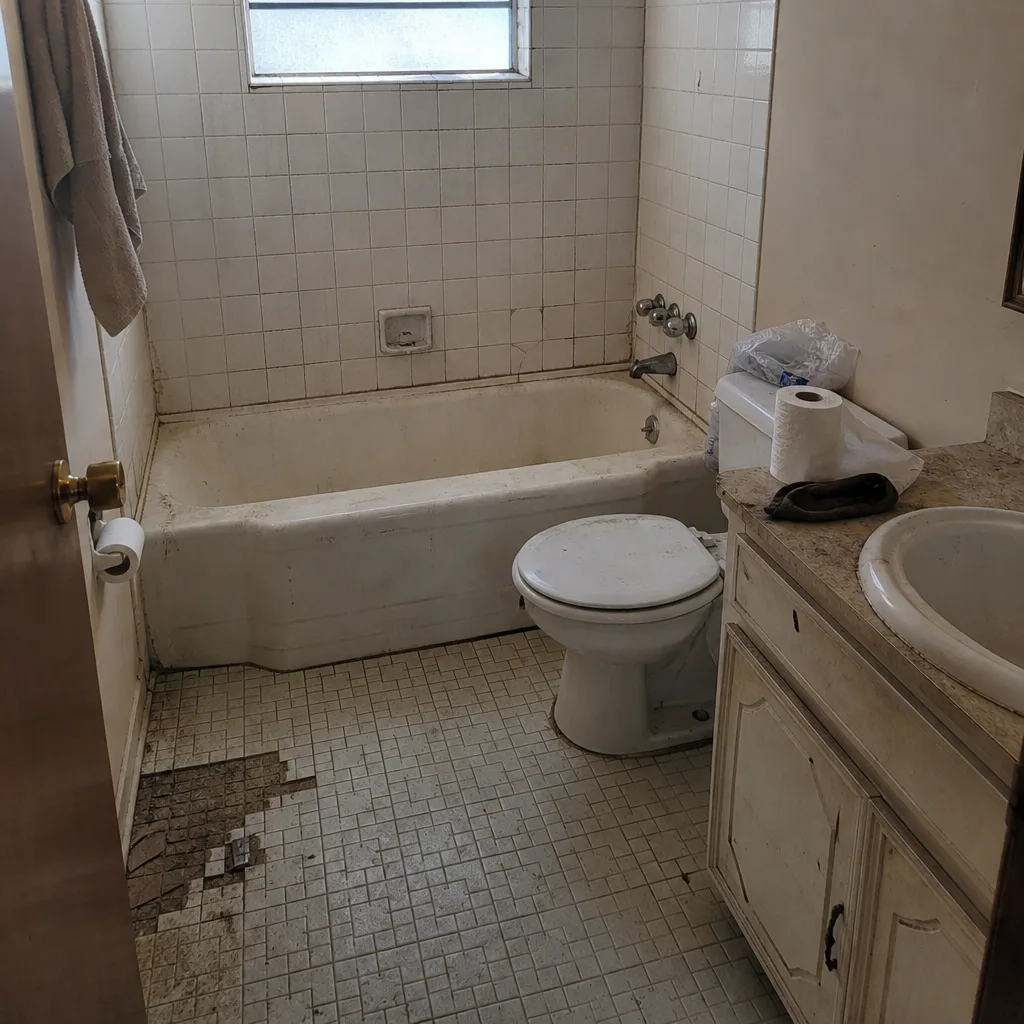
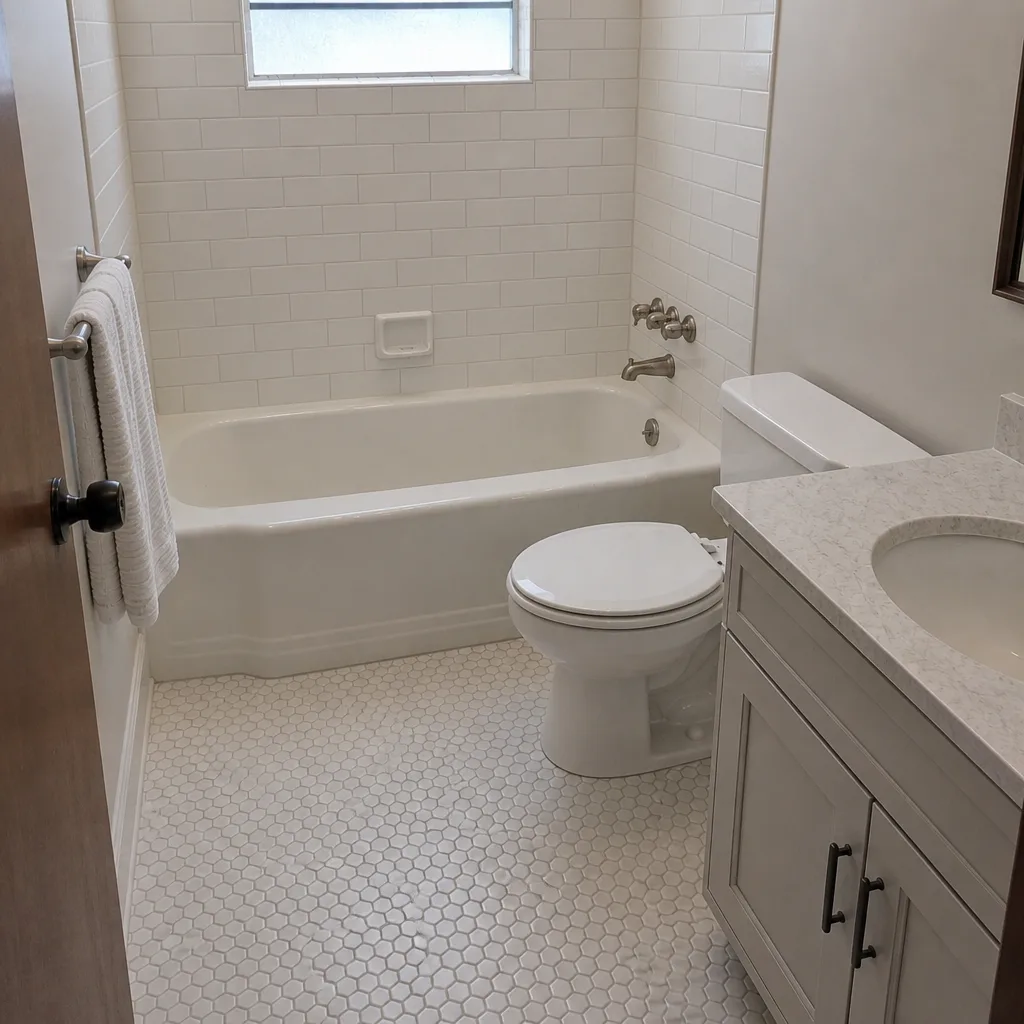
See the difference
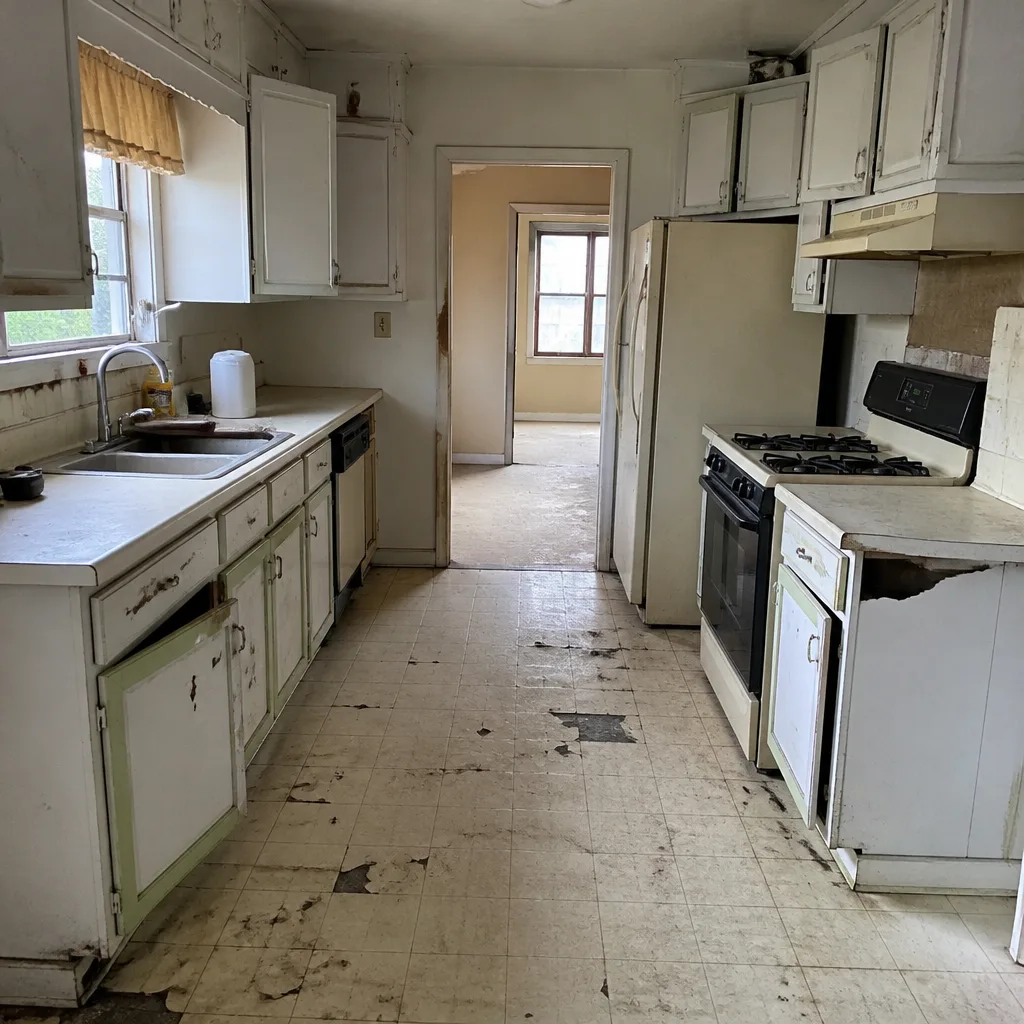 Before
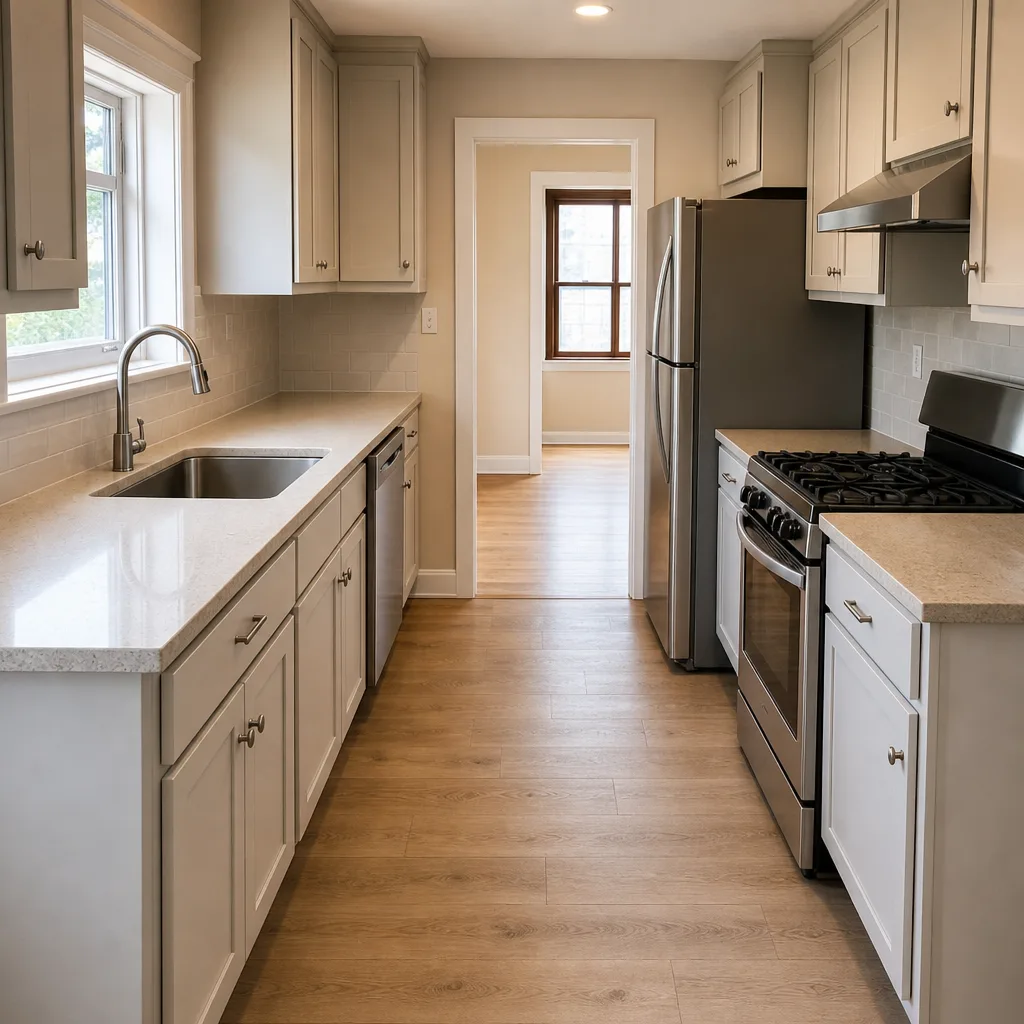 After
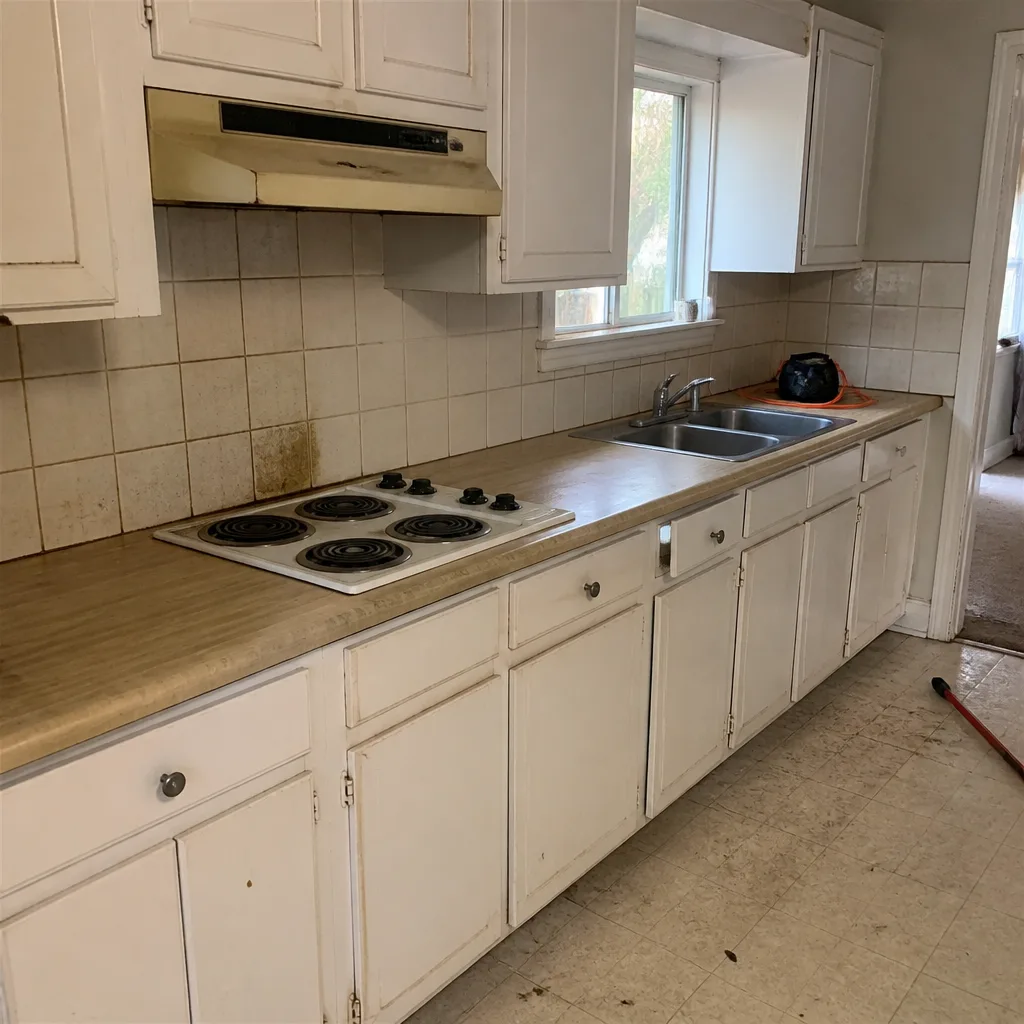 Before
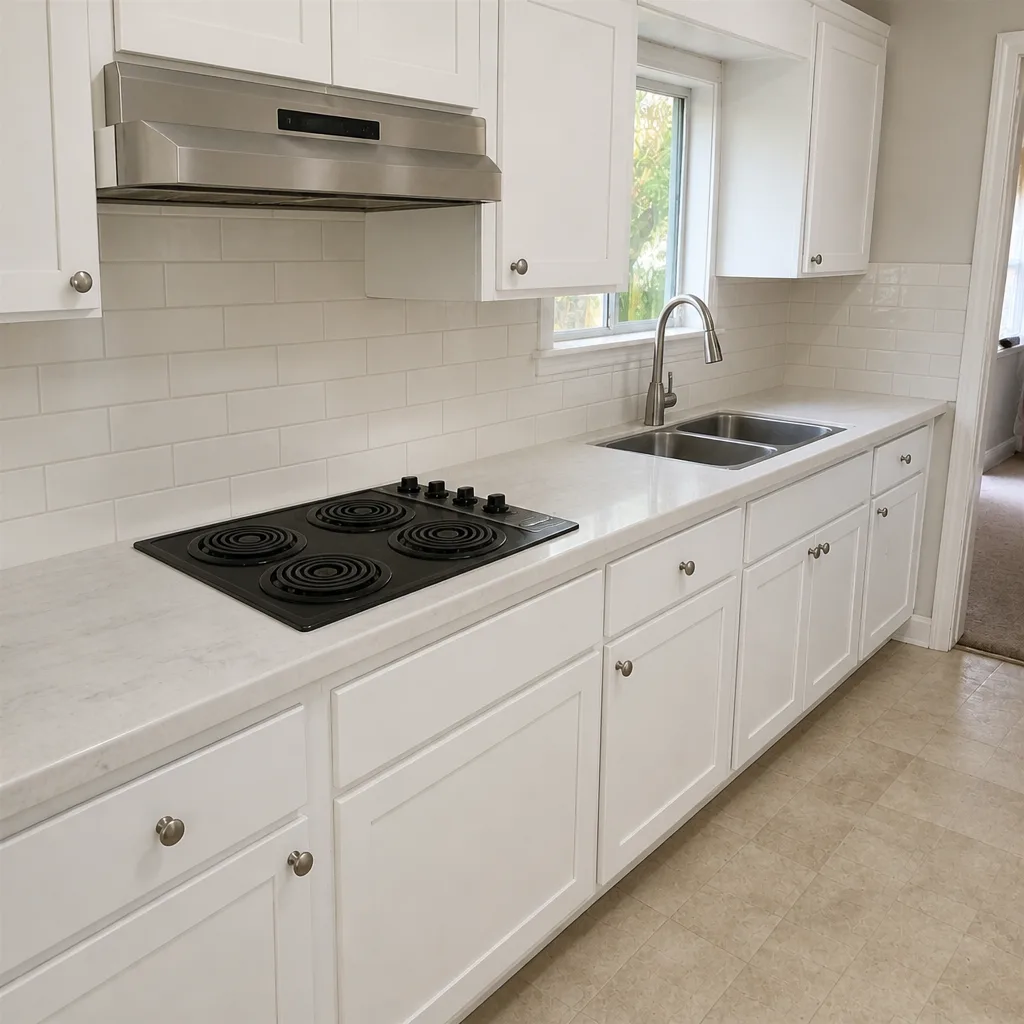 After
 Before
 After
When to Call a Professional
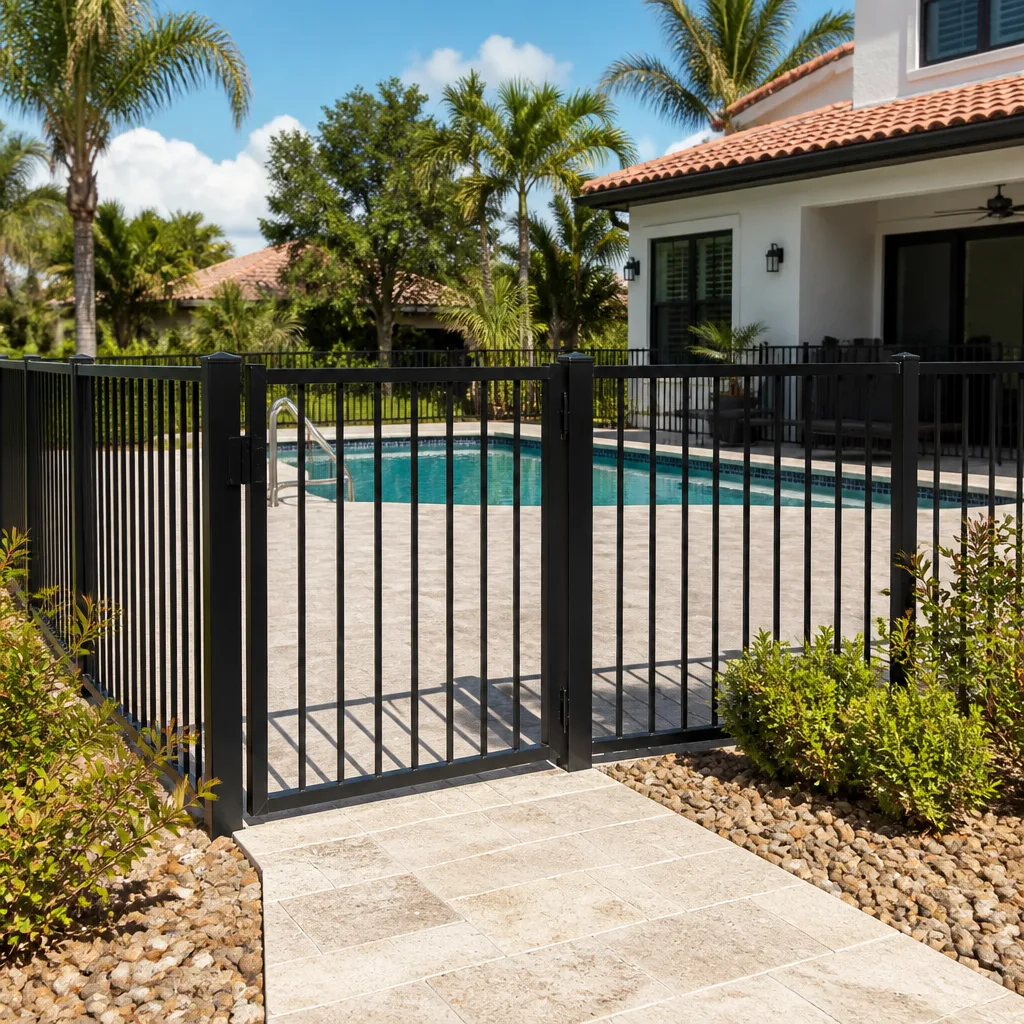
Call a crew when a post rocks in the ground, when the footing is cracked or tipped, when a rotted post base is too far gone to splice cleanly, or when several posts have moved across one run. Call much sooner if water is pooling at the fence line, if a gate post is moving, or if the fence is close to a pool or a boundary where a fall could hurt someone. Pulling and resetting posts in Irving clay is heavy work, and doing it right the first time is what makes the repair last. If you’re not sure which category you’re in, the free estimate will tell you. We pull permits and sign inspections on eligible jobs, and every price change arrives as a written change order before work happens, so you know the number before the post comes out. Barrett & Sons Construction Irving offers free estimates in Irving, and you can call (833) 991-4970 for one. Every finished job is backed by our 90-Day Done Right Promise, and a live person answers the phone whenever you call.
Frequently Asked Questions
Most leaning posts are a footing failure, soil movement, or a rotted post base, and each needs a different fix. Check plumb with a level, probe the wood at the ground line for softness, and expose the top of the footing for cracks or a tip. If water pools in that spot, correct the drainage or the new post repeats the failure. Call (833) 991-4970 for a free estimate to pin down the cause before you dig.
Loose hinges usually mean the gate post is moving, not that the screws are bad. A gate is a lever applying force to that post every time it swings, so a moving post works hardware loose. Check the post for plumb and rocking before you replace a single screw. If the post moves, the footing is the real problem.
It depends on how many posts are failing and whether the fix is a splice or a full pull-and-reset with a new footing. A full post reset is more labor than a board swap because the post has to come out and the footing has to be redone. We offer free estimates in Irving and give you the number in writing before any work starts. Call (833) 991-4970 and we’ll look at it in person.
No. Every scope, allowance, and price change arrives as a written change order before the work proceeds, so there’s no surprise invoice at the end. That’s the point of a written change order: an allowance that isn’t on paper is a surprise waiting for a date. If we find a footing problem under a repairable post, you’ll see it in writing before anyone digs.
A few cupped boards can usually be replaced, especially if the frame and posts are sound. When the whole run is cupped and the fence is old, replacing the boards on a failing frame just hides the problem, and a full replacement is often the better spend. We’ll tell you which situation you’re in on the estimate. Call (833) 991-4970 to schedule one.
We pull permits and sign inspections on every eligible job, and we’ll tell you upfront whether your fence qualifies. The permit inspector works for you, not for us, which is why we like him. If you’ve been told permits are optional, get a second opinion, and ours is free on any written estimate. Call (833) 991-4970.
The Bottom Line
Every fence failure has a cause, and that cause is usually not where the damage shows. Check the hinge before the post, the post before the footing, and the footing before the soil. In Irving clay, water and grading decide whether a fix lasts or comes back. Hardware-store repairs are fine for sound posts; a moving post or a broken footing needs a crew that pulls it and resets it correctly. Get the diagnosis right, fix the cause, and the fence stays put. And when you’re ready to price the fix, call a crew that puts the number in writing before anyone digs.
Ready to stop re-fixing the same fence? Call Barrett & Sons Construction Irving at (833) 991-4970 for a free estimate. Live person, written pricing, and the 90-Day Done Right Promise on every job.
Written by the team at Barrett & Sons Construction Irving.