Last updated November 18, 2026


Free written scope consultation - allowances, timeline, and change-order rules on paper before a single trade is scheduled
How Long Does Fence Installation Take? Timelines and What to Expect
A 150-foot cedar fence can go up in a single day. But in Irving, TX, the permit and utility-locate process alone can add 10 to 14 days before a post hole gets dug. That gap between the sales pitch and the real calendar is where most fence projects fall apart, and it has nothing to do with how fast the crew swings a hammer. This guide maps the honest timeline for fence installation in Irving: what has to happen before day one, how long each material takes to arrive in DFW right now, which months the weather pushes you back, and what a written schedule should look like before you sign anything.
Quick Answer
Fence installation in Irving typically takes one to three days of actual build time for a standard residential yard. The full project, from signed contract to finished fence, usually runs two to five weeks once you count the Irving permit, the Texas 811 utility locate, material lead times, and North Texas weather. A written schedule from your contractor should show all of it, not just the build days.
Styles & brands we work with
- Kitchen remodeling
- Bathroom remodeling
- Home additions & ADU
- Roofing
- Windows & doors
- Driveway & pavers
- Fence
Table of Contents
- The real fence timeline, start to finish
- Why the Texas 811 utility locate matters
- Irving permit timelines by fence type
- Material lead times in DFW right now
- North Texas weather windows and concrete cure
- What a written project schedule should look like
- What actually happens on build day
- Common mistakes to avoid
- When to call a professional
- Frequently asked questions
The Real Fence Timeline, Start to Finish
Here’s the calendar nobody puts in the sales pitch. For a typical Irving residential fence, the phases stack up like this:
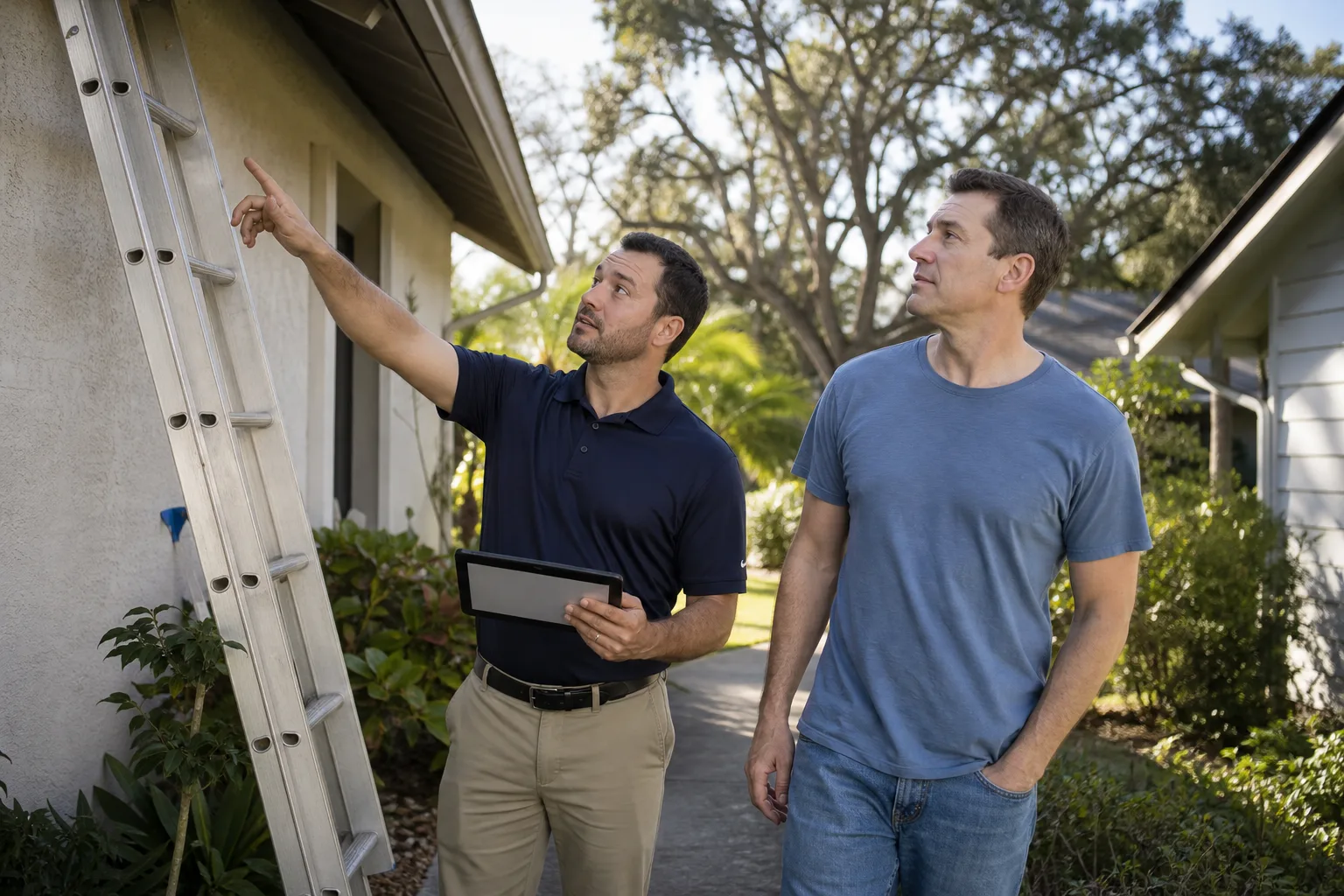
- Free estimate and design: one visit, usually within a few days of your call. You should leave with a written scope and line-item price.
- Contract and deposit: same week, once you approve the scope.
- Permit application (if required): filing is quick; the city review is what takes time. Plan on a few business days for most residential fences, longer if you’re in a historic overlay or a planned development with its own design standards.
- Texas 811 utility locate: the state requires a locate request before excavation. Two full business days is the legal minimum notice, and the marks have to stay valid while digging proceeds.
- Material order and delivery: this is the wild card. Cedar, vinyl, and wrought iron each move on different lead times in the DFW market.
- Build days: one to three days for most yards, plus concrete cure time before you load the gate.
- Inspection (where required): usually scheduled within a few business days after the build.
Add it up and a straightforward Irving project lands in the two-to-five-week range. A fence along a rear property line backing to a drainage easement in Valley Ranch, or one with an HOA design review, can stretch past that. The point isn’t to scare you. It’s that a contractor who tells you “we’ll be out Tuesday” without mentioning the locate and the permit is guessing, and you’ll be the one living with the surprise.
Why the Texas 811 Utility Locate Matters
Texas law requires anyone digging in the ground to notify 811 before excavation, and fence posts always involve digging. The 811 service notifies the member utilities, and the request window is measured in full business days, not business hours. Skip it and you’re not just risking a fine. You’re risking hitting a gas line, a water service, or a buried electrical feed to a shed or pool equipment.
The cost math is brutal. A damaged gas line means an emergency utility response, a repair bill, and possibly evacuation of the block while it’s made safe. A severed irrigation main or a cut power feed to the detached garage can run into the thousands, and that’s before anyone talks about replacing the fence you were trying to build. The locate is free. The alternative isn’t.
This is where the “quick cash” fence crew cuts corners. We’ve seen it happen in Las Colinas and in the older neighborhoods off Story Road: posts going in next to an unmarked gas stub because the crew didn’t want to wait the two business days. That gamble belongs to you, not them, if the line belongs to your property.
When a contractor puts the locate request on the written schedule with its own date, that’s a sign they’ve done this before and expect to keep doing it. When they wave it off as “not necessary,” that’s your signal to keep calling.
Irving Permit Timelines by Fence Type
Not every fence in Irving needs a permit, but the ones that do can add days before anyone shows up. The rules depend on height, location, and type, so the safest move is to check with the city’s development services before you plan your calendar. As a working guide:
- Rear and side property line fences under the standard height: often permit-exempt but still subject to the city’s fence ordinance, including height limits and sight-line rules at corners.
- Front-yard fences, taller privacy fences, and anything facing a street: typically require a permit and may be subject to additional setback or design review.
- Fences in a historic district or a planned development: expect an extra layer. Design standards can dictate material, color, and height, and review timelines run longer than a standard residential permit.
- Retaining walls and fence-mounted gates: if the job involves ground disturbance or structural attachment, plan for the review.
Permit turnaround on a clean residential application usually runs a few business days. Get it wrong and resubmit, and you’re starting over. That’s why the contractor’s permit experience matters more than the crew’s speed: a properly filed application is one review cycle; a sloppy one is three.
The permit inspector works for you, not for us. That’s a line we use a lot, and we mean it. An inspected fence is a fence that met code the day it was signed off, which matters on resale, on insurance, and on disputes with a neighbor over where the line actually sits.
Material Lead Times in DFW Right Now
Material availability is the biggest swing factor in a fence timeline that nobody budgets for. The DFW market moves fast, and what’s sitting in a supplier’s yard this month may not be next month. Rough expectations for fence materials commonly installed in Irving:
Cedar
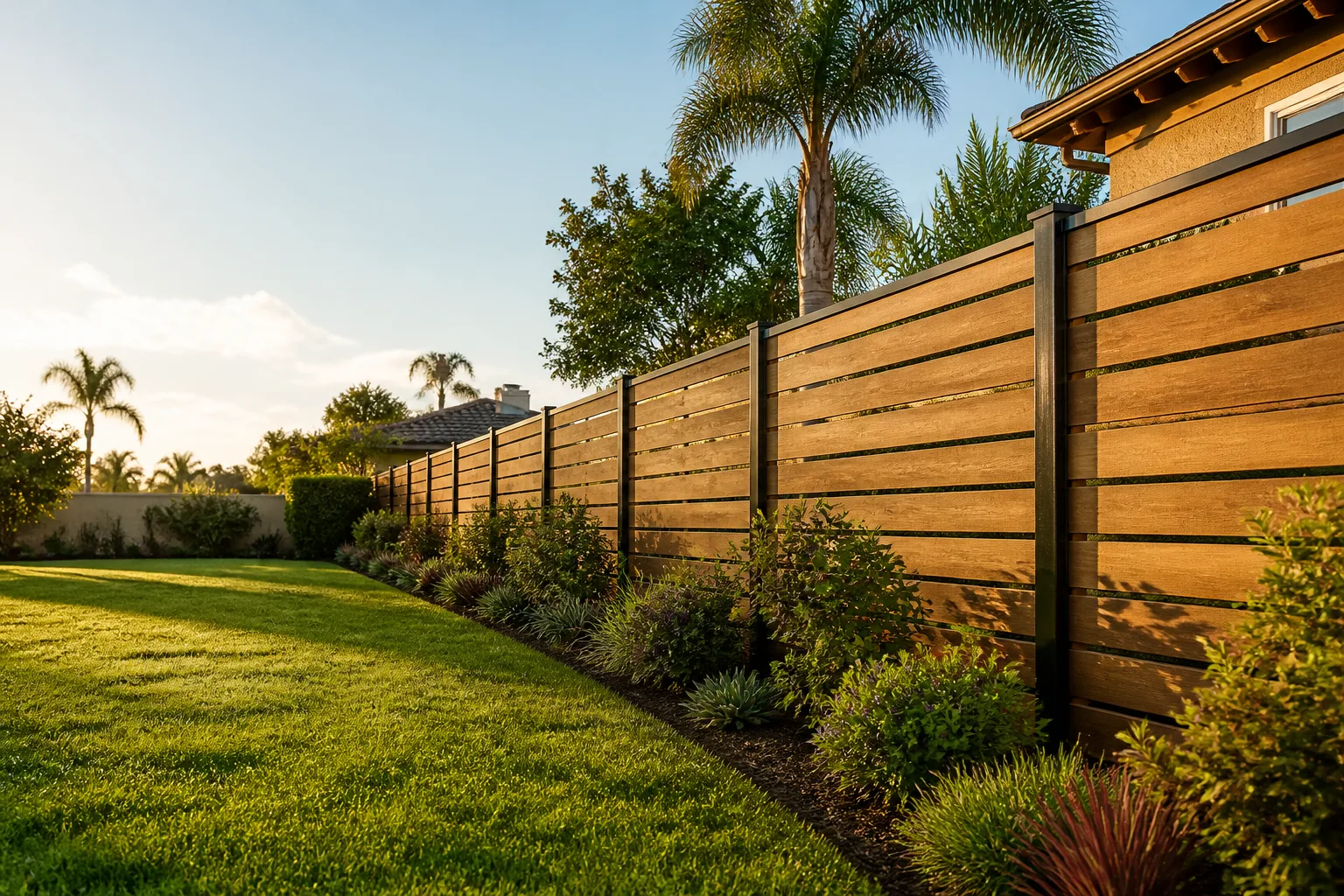
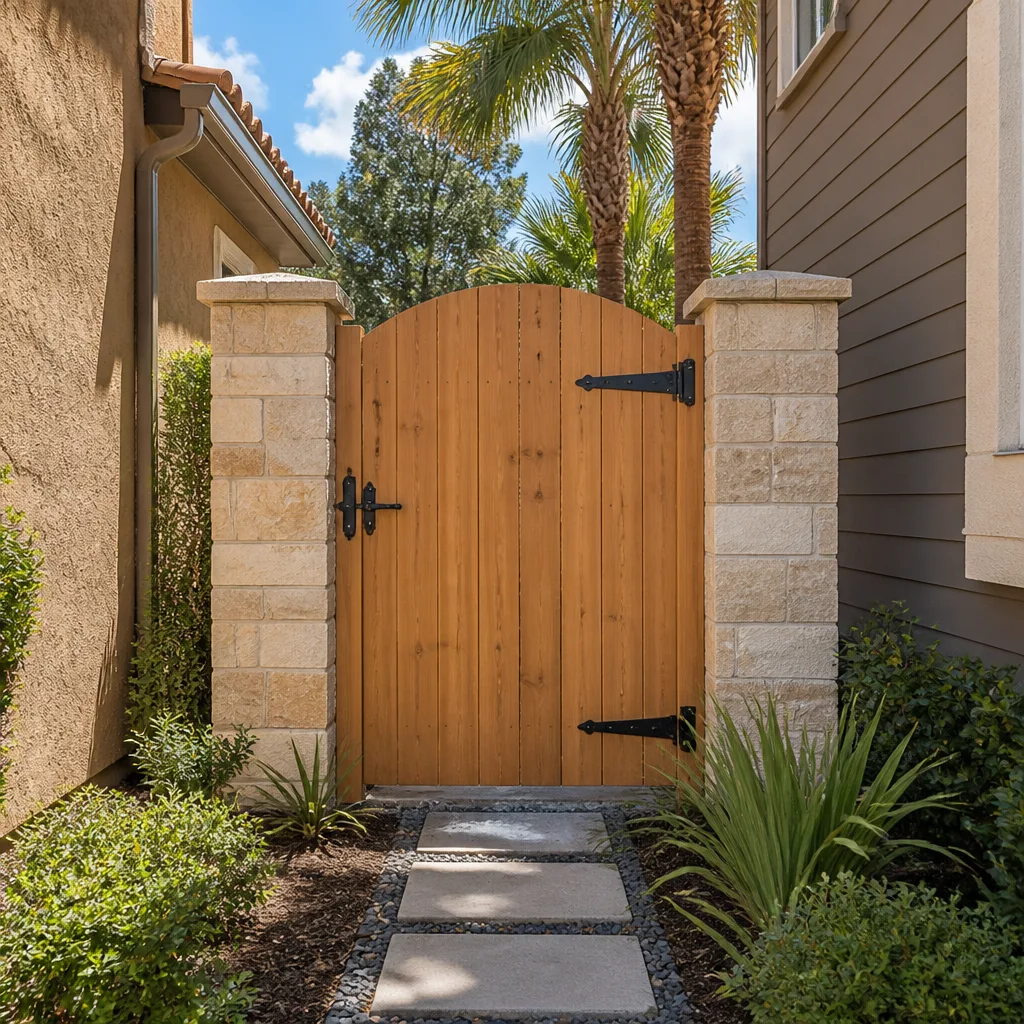
Western red cedar and other cedar species are typically the most available in DFW, and standard privacy fence heights usually move out of local yards within days. Short boards and unusual profiles are another story. If your design calls for a specific height, spacing, or rail style, expect the supplier to quote a lead time.
Vinyl
Vinyl fence panels are usually in stock locally in common colors and heights. Custom colors or a specific manufacturer’s profile can push lead times by a week or more. Vinyl has the advantage that panels arrive in a single delivery and install quickly once they do.
Wrought iron, aluminum, and ornamental
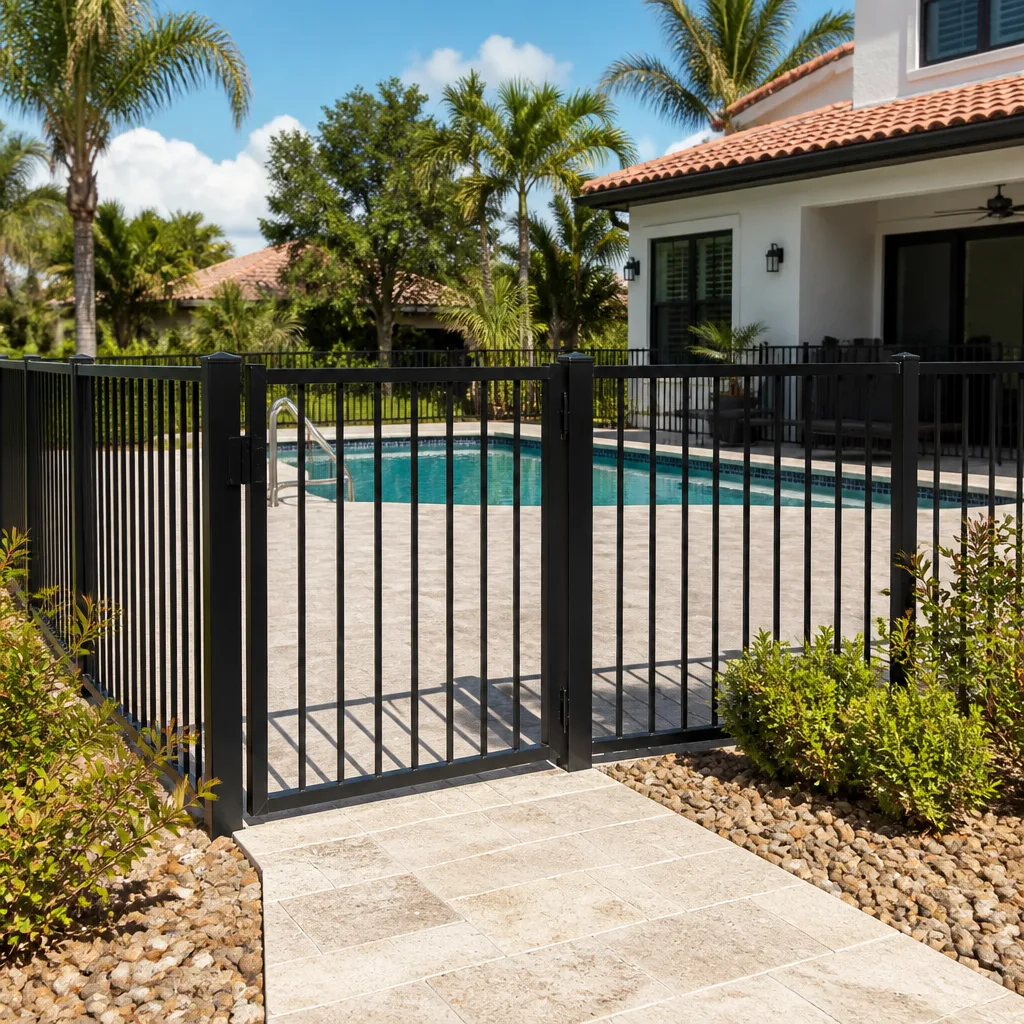
Ornamental metal fence is fabricated to order. Standard panels often ship in one to two weeks; custom designs with specific picket spacing or powder-coat colors can run longer. Order early if the fence is a design statement rather than a privacy barrier.
Composite and specialty
Composite fencing is a growing category in North Texas and can have longer lead times than cedar because supply is thinner. Ask for the supplier’s current ship date in writing, not a rough guess.
Premium brands show up here too. Suppliers we work with handle material from names like Tamko and Boral on adjacent exterior work, and fence suppliers carry their own well-known lines. The point isn’t the name on the box; it’s that the material is orderable, verifiable, and shipped on a schedule, not pulled off a truck bed.
North Texas Weather Windows and Concrete Cure
Irving’s climate shapes the fence calendar in ways homeowners in wetter regions don’t expect. Two things matter most: rain and heat, and both affect timing in ways that show up on your schedule.
Rain. Post holes are dug and filled with concrete, and wet ground makes both harder. A heavy spring rain after a post is set doesn’t hurt the concrete, but water pooling in an open hole before the concrete goes in can undermine the footing. Contractors who schedule fence builds in the DFW spring know to leave buffer days for weather and to reset posts on a dry day rather than force it.
Heat. Concrete cures at a rate that depends on temperature. In the middle of a North Texas summer, fresh footings set fast but can crack more readily if the mix dries too quickly; crews manage that by adjusting mix and timing. And in the dead of summer, an eight-hour build day becomes a six-hour build day with early starts to beat the afternoon heat.
Freeze. The occasional North Texas freeze pushes concrete work indoors or delays it. A fence build that lands the week of a hard freeze waits for thaw. That’s one reason January and early February are less popular for fencing even though the weather is generally pleasant.
The practical takeaway: the best months for a fence in Irving are usually late spring and fall, and the predictable pain points are heavy spring rains and mid-summer heat. Plan around them, not through them.
What a Written Project Schedule Should Look Like
If you take one thing from this guide, take this: a fence contractor who can’t put a written schedule in front of you either hasn’t done this before or doesn’t intend to be held to it. A real schedule looks like a one-page document with dated milestones, and it should include:
- Estimate date and the date the written proposal was delivered.
- Contract execution date and deposit amount.
- Permit filing date and the estimated review window for your fence type.
- Utility locate request date and the date marks expire.
- Material order date and supplier’s ship date in writing.
- Build start and finish dates, with a weather buffer noted.
- Concrete cure date, after which the gate and fence are load-ready.
- Inspection date, if required, and who schedules it.
That’s a real schedule. Anything less, and you’re the one chasing updates. And here’s the part that separates a neighbor from a national outfit: when a price change hits, it should arrive as a written change order before work moves, not as a surprise on the final invoice. The allowance that isn’t on paper is a surprise waiting for a date.
If the contractor can’t produce a schedule, ask why. If the answer is “that’s just how we do it,” that’s your answer too.
What Actually Happens on Build Day
Build day itself is usually the fastest part of the project, and for good reason: everything that could cause delay was handled in the weeks before. A typical residential fence build in Irving runs like this:
- Layout and marking. The crew marks post locations and confirms the property lines against the plat and any existing survey markers.
- Post holes dug to depth. Depth depends on fence height and local soil; North Texas clay means deeper footings for taller fences.
- Posts set in concrete. Each post is set plumb and braced.
- Rails and pickets installed. Once concrete has set enough to hold, the rails and pickets go on. For cedar, that’s typically the same day or the next.
- Gate hung and hardware installed. Gate alignment is the fussy part and the one homeowners notice first.
- Cleanup and inspection. The site is cleared, and if a permit was pulled, the inspection is scheduled.
A 150-foot cedar privacy fence with a single gate usually fits into one to two build days. Vinyl goes up fast once panels arrive. Ornamental metal is often a single-day install when the panels are pre-fabricated.
Common Mistakes to Avoid
- Skipping the 811 locate to save two days. Saving two days is not worth hitting a gas line. If the contractor doesn’t file the locate, walk away.
- Assuming a fence needs no permit. Irving’s rules depend on height and location, and a code violation discovered at resale is your problem, not the contractor’s.
- Choosing material by look alone without asking about lead time. Cedar, vinyl, and wrought iron each move on a different timetable in DFW. Ask for the ship date in writing.
- Starting a build the week of a freeze warning. Concrete doesn’t care about your schedule. A fence built around a hard freeze gets delayed either by the contractor or by physics.
- Paying the full amount upfront. A schedule and a deposit are normal. Paying in full before the permit is filed is a red flag.
- Accepting a verbal schedule. If it isn’t written down with dates, it isn’t a schedule. It’s a wish.
- Loading the gate on day one. Concrete needs to cure before the gate takes weight. An impatient gate will sag, and you’ll be the one noticing it every time you open it.
When to Call a Professional
Some fence work is within a homeowner’s reach: repairing a single picket, staining a fence, resetting a lightweight panel. Most isn’t. The moment the job involves digging post holes near a property line or a known utility path, a fence over the standard height, a gate, a retaining wall, or anything that requires an Irving permit, it’s a professional job. The stakes on a fence are simple but expensive: a sagging gate, a post rotted at the footer, an unpermitted fence discovered at resale, or a damaged gas line.
We’ve seen every one of those in Irving, and the repair costs more than the fence did. Barrett & Sons Construction Irving offers free estimates in Irving and the surrounding communities. If you’re ready to price a project, call Fence Installation in Irving and we’ll put a written schedule in your hands before you spend a dime.
Frequently Asked Questions
Build time is one to three days for a standard residential fence; the full project usually runs two to five weeks with the Irving permit, Texas 811 locate, material lead times, and weather included. Call (833) 991-4970 for a written schedule and free estimate.
It depends on height, location, and design standards, and front or tall fences are more likely to require one. Check with Irving’s development services before you sign a contract, and ask your contractor whether permits are pulled. Call (833) 991-4970 if you’d rather we walk through it with you.
Not without a written change order issued before the scope change. Roof damage discovered mid-job, an easement that changes the fence line, or a property-line dispute can shift the scope, and that shift should arrive in writing, before the work. Call (833) 991-4970 for a written estimate and a schedule.
Concrete sets enough to hold posts in about 24 to 48 hours and reaches usable strength in about a week, though ambient temperature affects both. Keep heavy weight off the gate until the crew confirms it’s ready. Call (833) 991-4970 if you’re unsure.
Late spring and early fall are usually the smoothest windows in Irving, avoiding the heaviest spring rains and mid-summer heat. Winter builds work fine as long as the concrete cures above freezing. Call (833) 991-4970 to plan around your schedule.
No, and any crew that offers to is cutting a corner. Texas requires the 811 locate before excavation, and the window is measured in full business days. Call (833) 991-4970 and we’ll file it as part of the project.
The Bottom Line
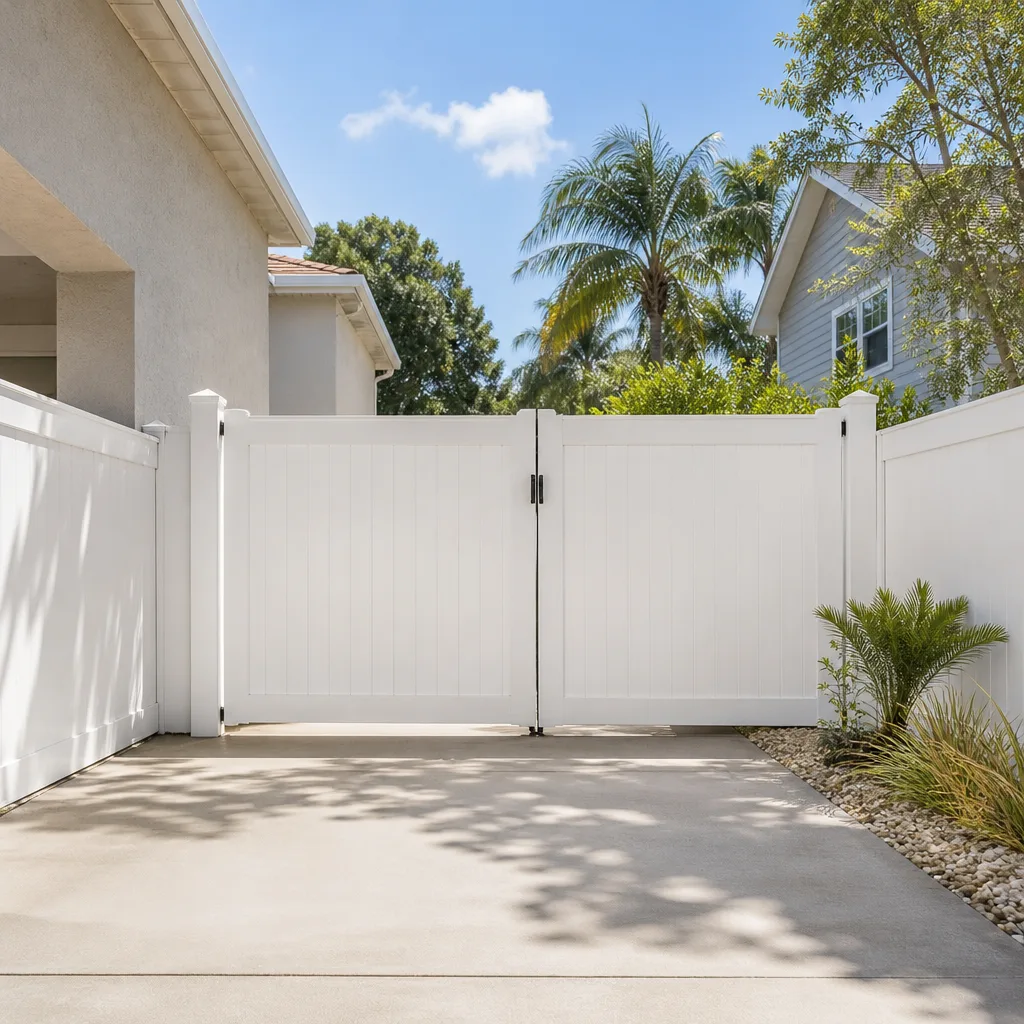
Fence installation in Irving is fast when everything else lines up, and slow when it doesn’t. The build itself is a day or three. The schedule that matters starts weeks earlier with the 811 locate, the Irving permit, and material lead times, and it’s shaped by the weather. A written schedule with dated milestones is the single best confidence check before you sign anything. If the contractor can’t produce one, keep looking. And if you’d like one written for your yard, call Barrett & Sons Construction Irving at (833) 991-4970 for a free estimate.
Written by the team at Barrett & Sons Construction Irving.
See the difference
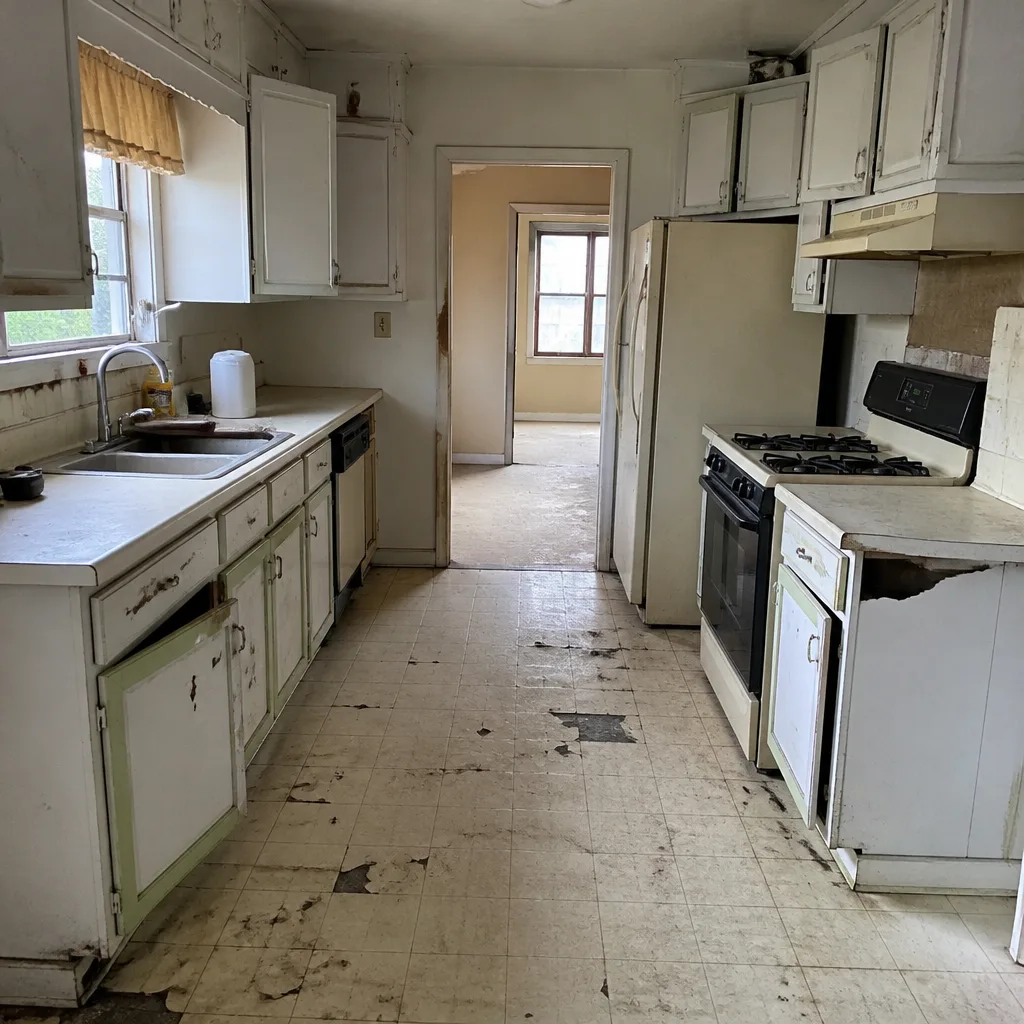 Before
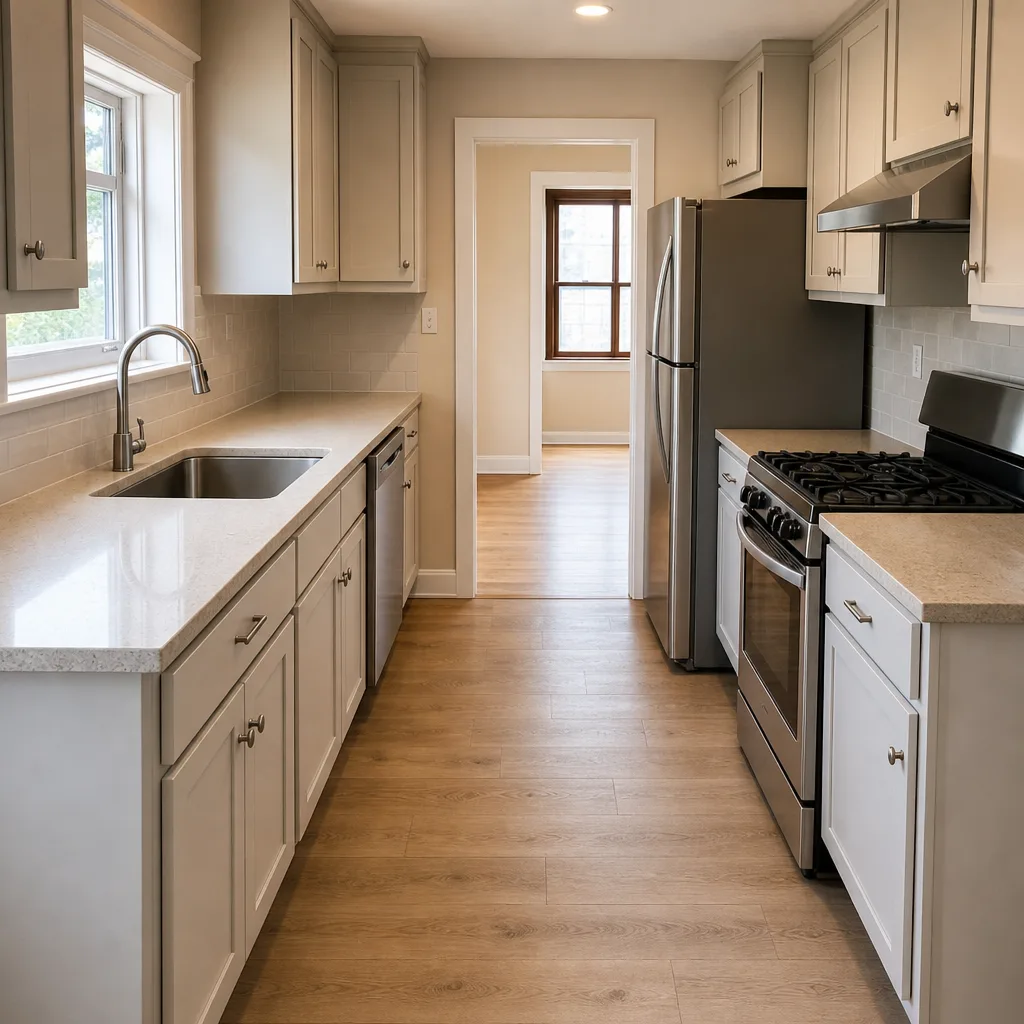 After
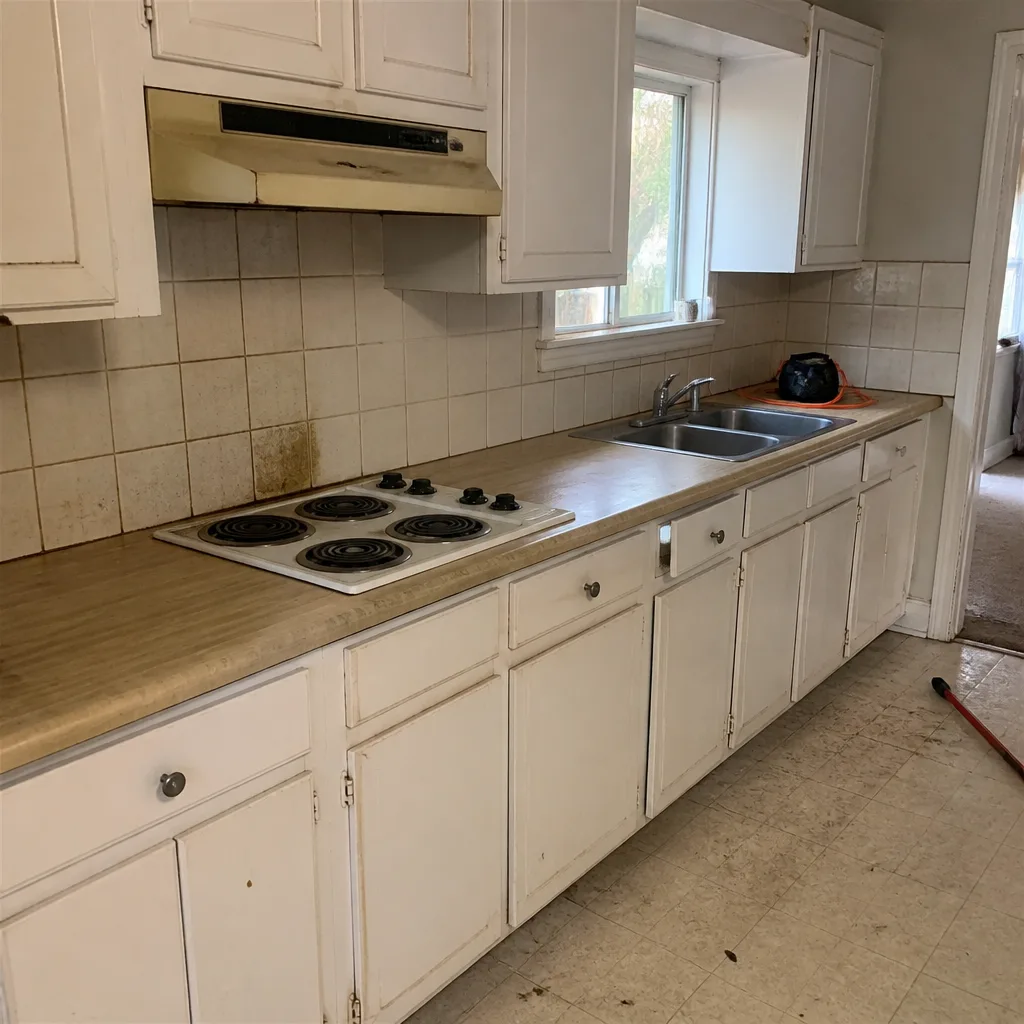 Before
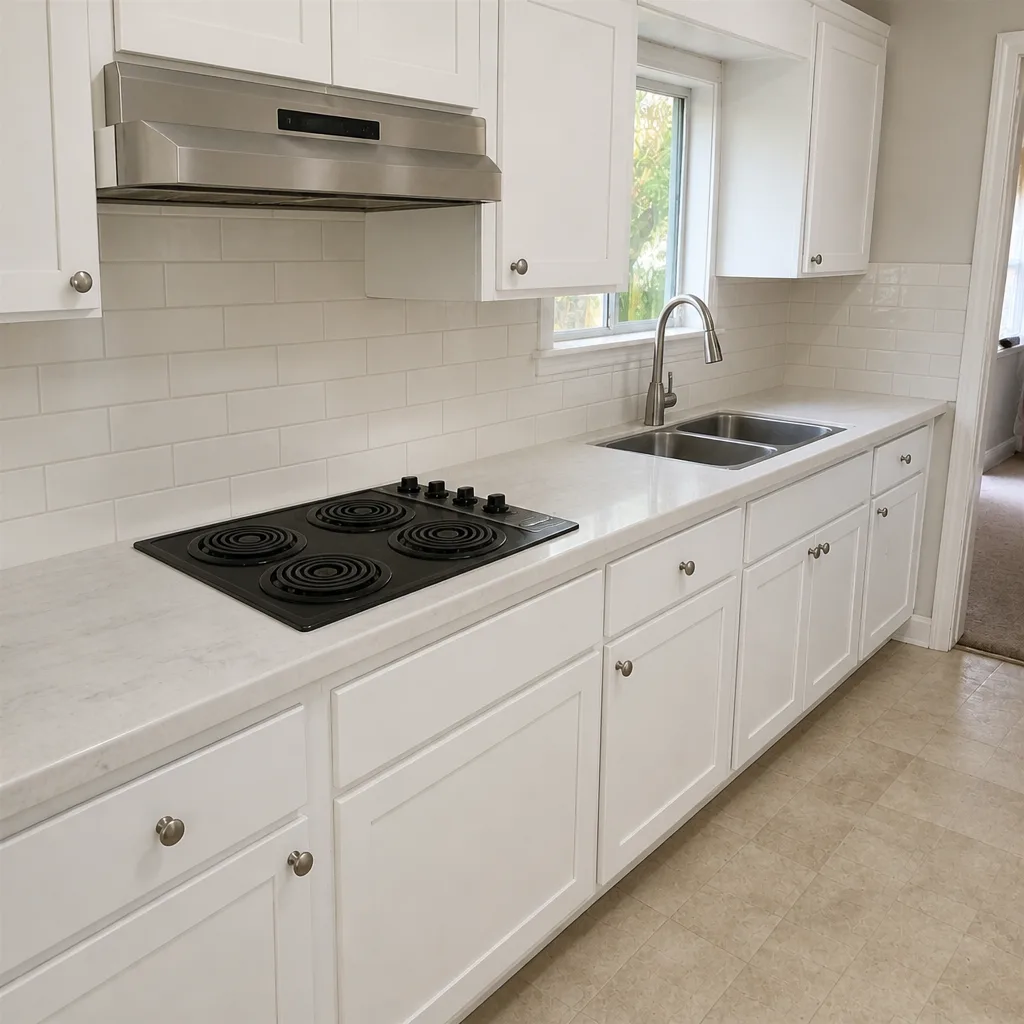 After
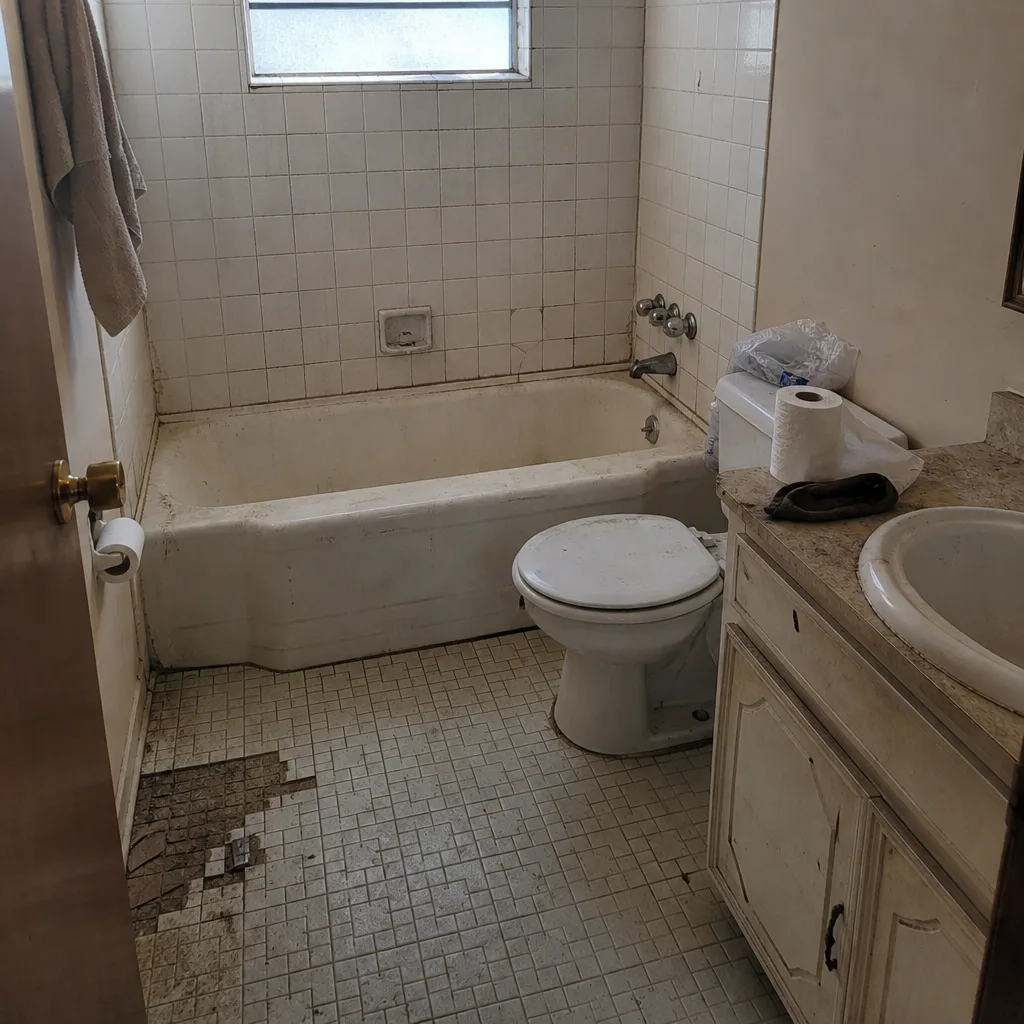 Before
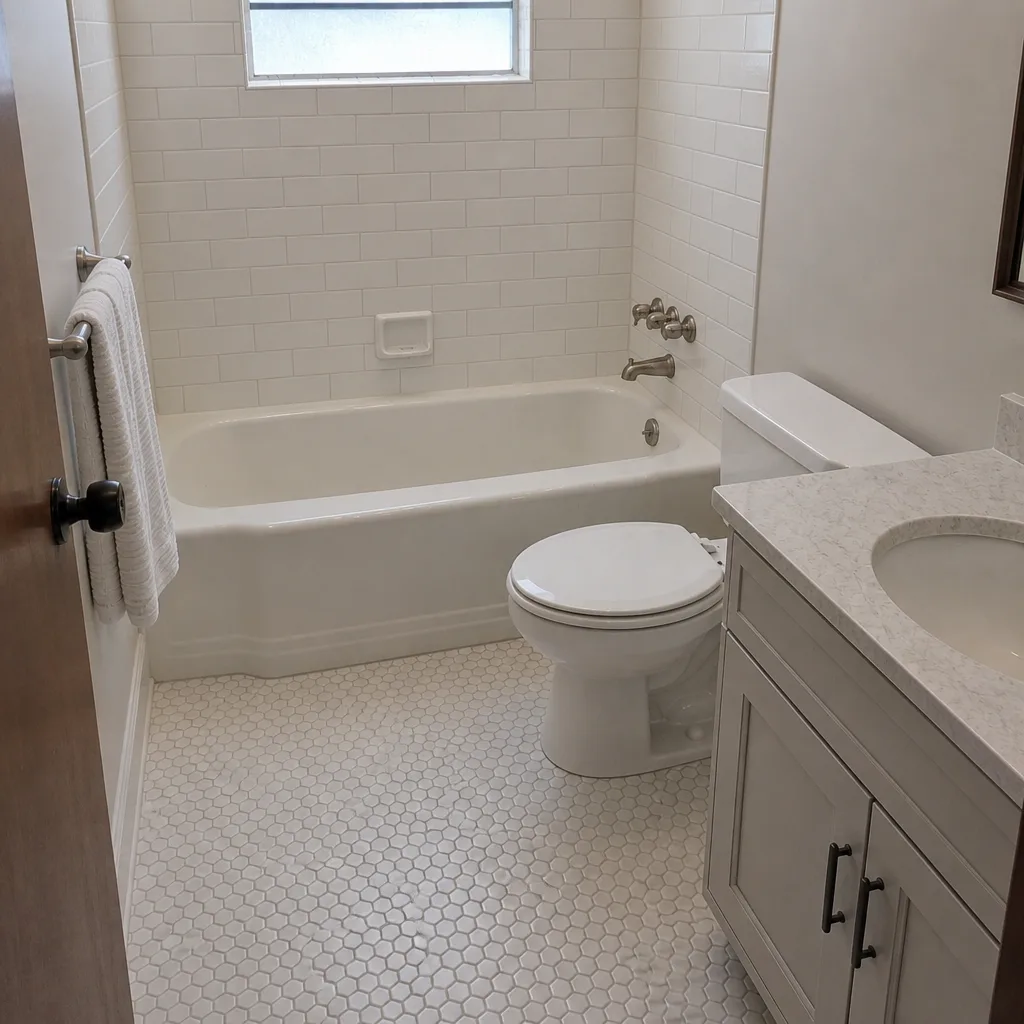 After