
Last updated November 18, 2026

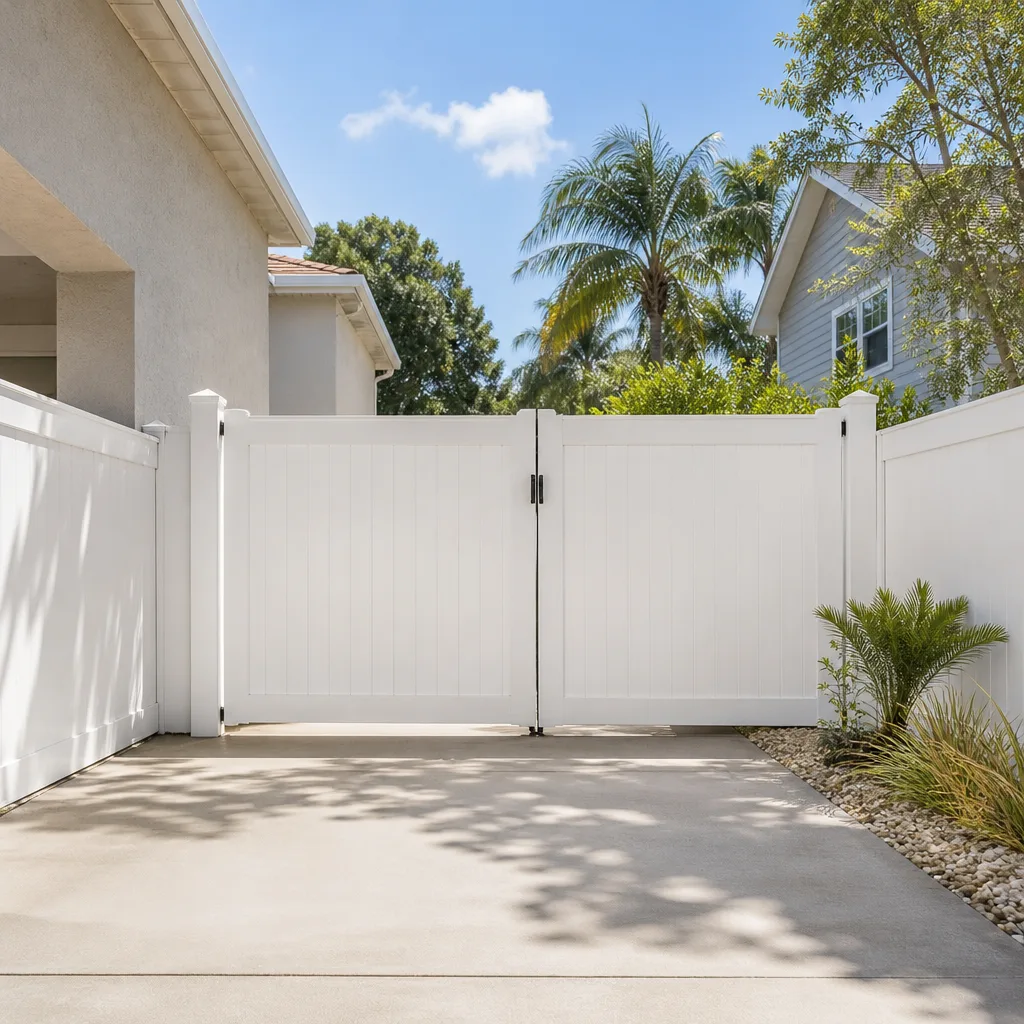






Free written scope consultation - allowances, timeline, and change-order rules on paper before a single trade is scheduled
How to Hire a Construction Contractor in Irving: A Step-by-Step Guide
The contractor who underbids your Irving job by 20% isn’t more efficient. He’s either skipping the permit, planning to swap the materials you specified, or counting on change orders to make up the difference once your yard is torn up and your kitchen is gutted. We’ve watched this play out across Dallas County more times than we’d like, and the pattern rarely changes. The fix isn’t “get three bids and read reviews” – that advice is so thin it’s nearly useless once crews are actually on your property.
This guide walks you through the step-by-step process for hiring a construction contractor in Irving, Texas. You’ll learn how to verify a license in under two minutes, the exact permit question to ask before you sign, how to read a lien waiver, and the local red flags that show up in Irving specifically. It’s written for homeowners who are not looking for the cheapest bid – they want a name they can verify and a contractor who answers his own phone when something goes wrong.
Quick Answer
To hire a construction contractor in Irving, verify the contractor’s license on the Texas Department of Licensing and Regulation (TDLR) public database, confirm permits will be pulled and inspections signed before work starts, get a written scope with allowances and change-order terms in the contract, and ask for a lien waiver at every payment milestone. Do those four things and you eliminate most of the risk that turns a remodel into a nightmare. Everything else – reviews, references, timelines – sits on top of that foundation.
Styles & brands we work with
- Kitchen remodeling
- Bathroom remodeling
- Home additions & ADU
- Roofing
- Windows & doors
- Driveway & pavers
- Fence
Table of Contents
- Step 1: Verify the License on TDLR’s Public Database
- Step 2: Ask the Permit Question Before You Sign Anything
- Step 3: Get Scope, Allowances, and Change-Order Terms in Writing
- Step 4: Understand Lien Waivers at Every Payment Milestone
- Step 5: Read References the Irving Way
- Step 6: Spot the Irving-Specific Red Flags
- Step 7: Compare Estimates the Right Way
- Common Mistakes to Avoid
- When to Call a Professional
- Frequently Asked Questions
Step 1: Verify the License on TDLR’s Public Database
Texas doesn’t license all contractors the way some states do, but the trades that matter most in an Irving remodel – electrical, plumbing, HVAC, and in many cases roofing and structural work – require licensing through the Texas Department of Licensing and Regulation. Verification takes less than two minutes and eliminates the single biggest category of “how did this happen” phone calls we get.
- Go to the TDLR license search page (tdlr.texas.gov) and choose the license type relevant to the work – electrical contractor, master plumber, HVAC, or whichever trade applies.
- Type the contractor’s name or company name exactly as it appears on the estimate.
- Click the active license record. Note the expiration date, the license number, and whether there’s any disciplinary history listed.
- Cross-check the company name on the estimate against the name on the TDLR record. If they don’t match – or if the contractor says “the license is under my brother’s name” – you have your answer.
Every Irving homeowner should ask for the license number on the written estimate itself. A contractor who publishes his name and his license number – and who wants you to look it up before you sign – is telling you something. A contractor who fumbles the question, or tells you “we don’t need one for this kind of work” without explaining which trade exemption applies, is telling you something else.
Step 2: Ask the Permit Question Before You Sign Anything
Ask this exact question: “Will you pull permits for this job yourself, and will you show me the permit number and the inspection sign-off when the work is finished?” Then listen to the answer. A confident “yes” with a follow-up question about which specific work falls under Irving’s permitting requirements is what you want to hear. A vague answer – “permits are usually handled as part of the process” or “we handle all of that” – is a warning sign.
The reason this matters in Irving specifically is that the city’s Building Inspections division has its own requirements layered on top of Texas state code, and those requirements shift depending on whether you’re doing a kitchen remodel, a home addition, or a fence installation on a corner lot. We’ve seen homeowners in the Las Colinas and Valley Ranch areas get burned by contractors who told them “permits are optional for interior work” – and then discovered the finished, code-violating wiring when they tried to sell the house four years later.
The permit inspector works for you, not for the contractor. That’s the point of inspections. A contractor who respects the process welcomes the inspection because it’s outside proof the work is right.
Step 3: Get Scope, Allowances, and Change-Order Terms in Writing
Every scope, every allowance, every price change should be in writing before work happens. If your kitchen estimate says “tile allowance: $2,000” but doesn’t say what tile brand, what square footage, and what happens if you go over, that allowance isn’t on paper – it’s a surprise waiting for a date. Reading a written estimate carefully means reading three things:
- Line-item scope. Every material, every quantity, every task. “Demo kitchen” tells you nothing. “Remove 240 square feet of ceramic tile and 18 linear feet of countertop; dispose of debris; protect adjacent rooms” tells you what you’re paying for.
- Named allowances. “Lighting fixture allowance: $400” with a stated consequence for going over – who pays, when, and at what markup.
- Written change-order clause. A requirement in the contract that any scope change requires a written change order signed by both parties before work proceeds. Not a verbal handshake between you and the crew lead. Not a text message. A written change order.
When we quote a job, we name the materials – KraftMaid and Cambria for kitchens, GAF and CertainTeed for roofs, Andersen and Marvin for windows – because named brands are verifiable. A mystery brand off a van isn’t. When you compare estimates, ask which specific brands are specified. A bar of soap and a slab of marble both cost “the same” on a bar napkin.
Step 4: Understand Lien Waivers at Every Payment Milestone
A lien waiver is a short document signed by each contractor and material supplier stating they’ve been paid for the work covered by your most recent payment and waive their right to file a mechanic’s lien against your property. Ask for one at every payment milestone, not just the final check. Texas mechanic’s lien law is unforgiving – a subcontractor you never met can file a lien against your home if the general contractor doesn’t pay them, even if you already paid the general in full.
We recommend three things professionals in Irving do differently on payment:
- Never pay more than 10% up front. A draw schedule tied to completed milestones beats a big deposit.
- Collect a conditional lien waiver at each draw. It becomes unconditional once your check clears.
- Collect the final unconditional waiver before the last check. This protects you from subcontractors you may never have spoken to.
A contractor who resists this – “we don’t do paperwork like that” – has a cash-flow problem, and it’s not your job to solve it. Contractors who run clean jobs hand over waivers without being asked twice.
Step 5: Read References the Irving Way
Two-minute reference calls are theatre. You want to see the finished work in person, and you want to talk to the homeowner who paid the bills. When you get a reference list, call the most recent job first and the oldest job second. Compare the answers.
- Ask: “Did the final invoice match the original estimate?” You’re listening for change orders – some is normal, but a 30% jump means the original bid was fiction.
- Ask: “Did the contractor answer his own phone when issues came up?” For older homeowners in Irving, this is the single biggest tell. A live person answering – not a voicemail, not an out-of-state call centre – matters more than any online review.
- Ask: “Would you hire them again?” If the answer has a pause, that’s your answer.
Drive past two or three of the referenced homes if they’re nearby. In a city like Irving that spans from the older neighborhoods near downtown to the newer builds around Valley Ranch, you’ll learn a lot about how a contractor treats a job by how it looks five years later.
Step 6: Spot the Irving-Specific Red Flags
Every market has its own flavor of corner-cutting, and Irving has three patterns we see repeatedly. Knowing them in advance saves you six months and a few thousand dollars.
- Out-of-area crews chasing storm work. After a hail event, crews with out-of-state plates canvass Irving neighborhoods offering “insurance-covered roof replacements” with door-knock contracts. Most are gone in 90 days, which means any warranty they gave you is decorative. Legit contractors have an address you can visit.
- Unlicensed subs listed as “helpers.” The permit on file lists one company, but the electrical and plumbing work is being done by guys introduced as helpers or “our other team.” Ask who is actually doing the electrical, and check their name against the TDLR database the same way you checked the general’s.
- Verbal change orders after the job starts. “We found some rot under the subfloor, so it’s going to be another $3,000” delivered on a phone call on day four, when your kitchen is torn apart and you’d agree to anything. A written change-order requirement in the contract – before the work happens – protects against exactly this.
For a specific trade, we keep detailed pages on Fence Installation in Irving, Driveway & Pavers in Irving, and Home Additions & ADU in Irving if you want the trade-specific detail. Those pages flag the permits and code requirements unique to each type of work in Irving.
Step 7: Compare Estimates the Right Way
Apples-to-apples comparison is harder than it sounds. Two estimates for the same kitchen can differ by 40% while both use the word “premium” four times. Here’s what to hold side by side:
- Named brands and model numbers. “Premium cabinet” versus “KraftMaid, maple, Shaker door, painted finish.”
- Permit line item. A permit is a line item. If it’s not on the estimate, assume it’s not being pulled.
- Change-order language. The contract should say, in plain English, that any change requires a written change order.
- Cleanup and disposal. Dumpster, haul-off, and final cleaning – all named.
- Warranty. In writing, for a stated number of days or months.
A contractor who runs a clean operation isn’t bothered by good questions. The one who is bothered is the one you don’t want. If you have an existing written estimate and you’re not sure how it stacks up, the Barrett & Sons Construction Irving home page is a starting point for what well-documented estimates look like.
Common Mistakes to Avoid
- Bidding only on price. Bid three bids off the same scope document, not off three different narratives, or you’re comparing three different jobs. When the scope is identical, price gaps of 15-20% usually point to something being left out.
- Not pulling permits because the contractor said “we can skip them.” That contractor is saving himself a day, and cost you a nightmare at resale. Irving inspectors exist for a reason.
- Accepting a verbal change order. Once your kitchen is gutted, you’re in a weak position. Written change orders before work – every single time.
- Skipping the lien waiver. A subcontractor you never met can file a lien against your home. Ask for the conditional waiver at every draw and the final unconditional waiver at the last check.
- Hiring the door-knocker. After a hail storm in Irving, the door-knockers come out in force. Verify the truck, verify the license, verify the local address, or say no.
- Paying more than 10% up front. Larger deposits put you at the mercy of the contractor’s cash flow. Draw schedules tied to milestones protect both sides.
- Assuming a big brand name means a licensed crew. National brands franchise; the name on the truck tells you nothing about who shows up at your door. Verify the operator.
When to Call a Professional
Some jobs genuinely call for a crew with permits, licensed electrical and plumbing, and inspection sign-offs – and the DIY version costs more at resale than it saved. Anything that touches electrical, gas, plumbing, structural, roofing, or new square footage falls into this category. So does any home addition or ADU, since Irving’s permitting and setback requirements on those are the kind of thing you don’t want to guess at. Roof work above a single story? Same answer. Even fence and paver work involving retaining walls or drainage corrections is better hired out.
Barrett & Sons Construction Irving offers free estimates in Irving – call (833) 991-4970 to schedule one. Our technicians have up to 28 years of experience, every eligible job has permits pulled and inspections signed, and every price change arrives as a written change order before work proceeds. Every completed job is backed by the written 90-Day Done Right Promise, and standing offers include $40 Off Any Repair Over $200, a Free Second Opinion on Any Written Estimate, No Trip Charge Inside the County, and a permanent 10% Senior & Veteran discount.
Frequently Asked Questions
Search the contractor’s name or company name on the Texas Department of Licensing and Regulation (TDLR) public license database at tdlr.texas.gov. The whole check takes under two minutes and shows the license number, expiration date, and any disciplinary history. If the company name on your estimate doesn’t match the name on the TDLR record, ask why in writing before you sign. Call (833) 991-4970 if you want help reading a license record.
Yes – for most construction work that adds or modifies structure, electrical, plumbing, or gas, Irving’s Building Inspections division requires permits, and state code requires licensed trades for several categories of work. Ask the exact question: “Will you pull the permit and show me the inspection sign-off?” A vague answer means find another contractor. Call (833) 991-4970 for a free second opinion on any written estimate.
Yes. Any scope change, allowance overage, or price adjustment should be a written change order signed before the work happens – not a verbal “we found something” call after demo. An allowance that isn’t on paper is a surprise waiting for a date. Build the written change-order requirement into the contract itself. Call (833) 991-4970 to see what our change-order language looks like.
A lien waiver is a document where the contractor and any material supplier confirm they’ve been paid for the work covered by your most recent payment, and waive their right to file a mechanic’s lien on your home. Ask for a conditional waiver at every draw and a final unconditional waiver before your last check. Without it, an unpaid subcontractor you never hired can still put a lien on your Irving property. Call (833) 991-4970 for a sample waiver structure.
Storm chasers show up after hail events, knock doors, offer “insurance-covered” roof or siding replacements, and pressure you to sign same-day. Verify three things before agreeing to anything: a physical local address you can drive to, a TDLR license record under the company name, and a written estimate with a named brand (GAF or CertainTeed, for roofs) instead of a vague “architectural shingle.” Call (833) 991-4970 for a free second opinion if you already have a door-knock estimate in hand.
There’s no single number – a kitchen remodel in Irving ranges from the high five figures up depending on square footage and material tier, and home additions can reach six figures. What matters is that every dollar is a named line item in a written scope with written allowances and change orders. Get at least two written estimates against the same scope document. Call (833) 991-4970 for a no-hassle upfront pricing estimate on your specific project.
The Bottom Line

Hiring a construction contractor in Irving isn’t complicated if you work in the right order. Verify the license on TDLR. Ask the permit question and listen to the answer. Get scope, allowances, and change-order requirements in writing. Collect lien waivers at every milestone. Verify references and spot the local red flags – the storm chasers, the unlicensed “helpers,” the verbal change orders. Do those five things and you’ve eliminated almost every way a job goes sideways. Everything else is who you want on your property.
We’re Barrett & Sons Construction, an owner-operated construction and remodeling company proud to serve Irving and the surrounding North Texas communities. Every eligible job gets permits pulled and inspections signed. Every price change is a written change order. Every completed job is backed by the written 90-Day Done Right Promise. Call (833) 991-4970 to schedule your free estimate – a live person answers the phone, every hour of every day.
Written by the team at Barrett & Sons Construction Irving.
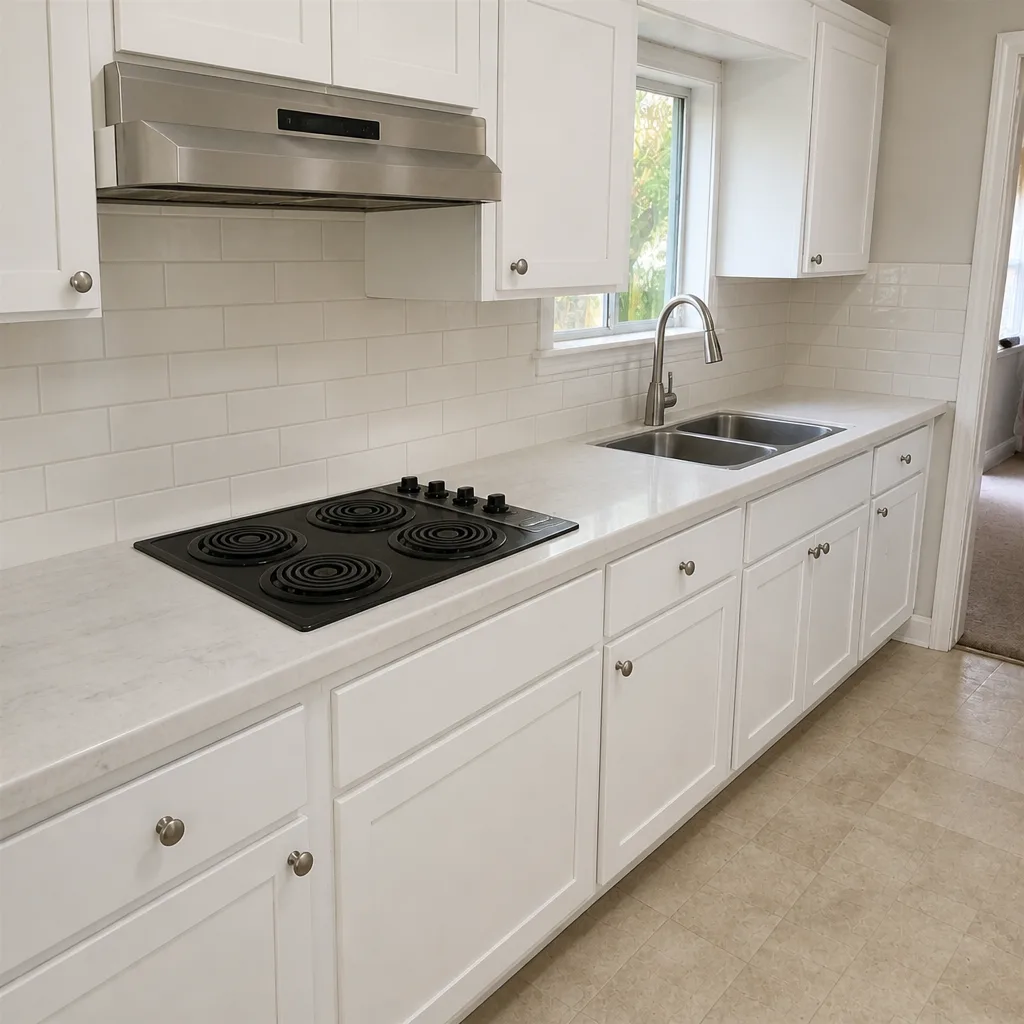
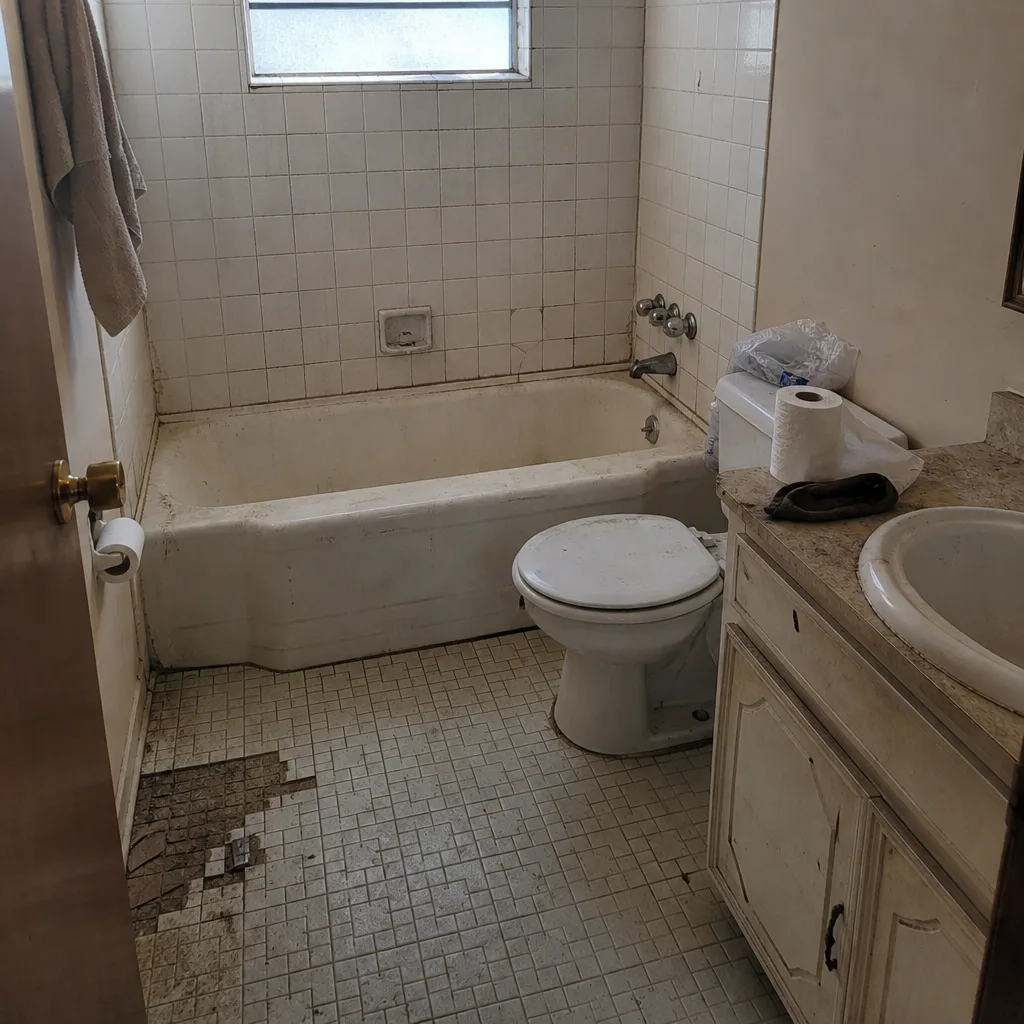
See the difference
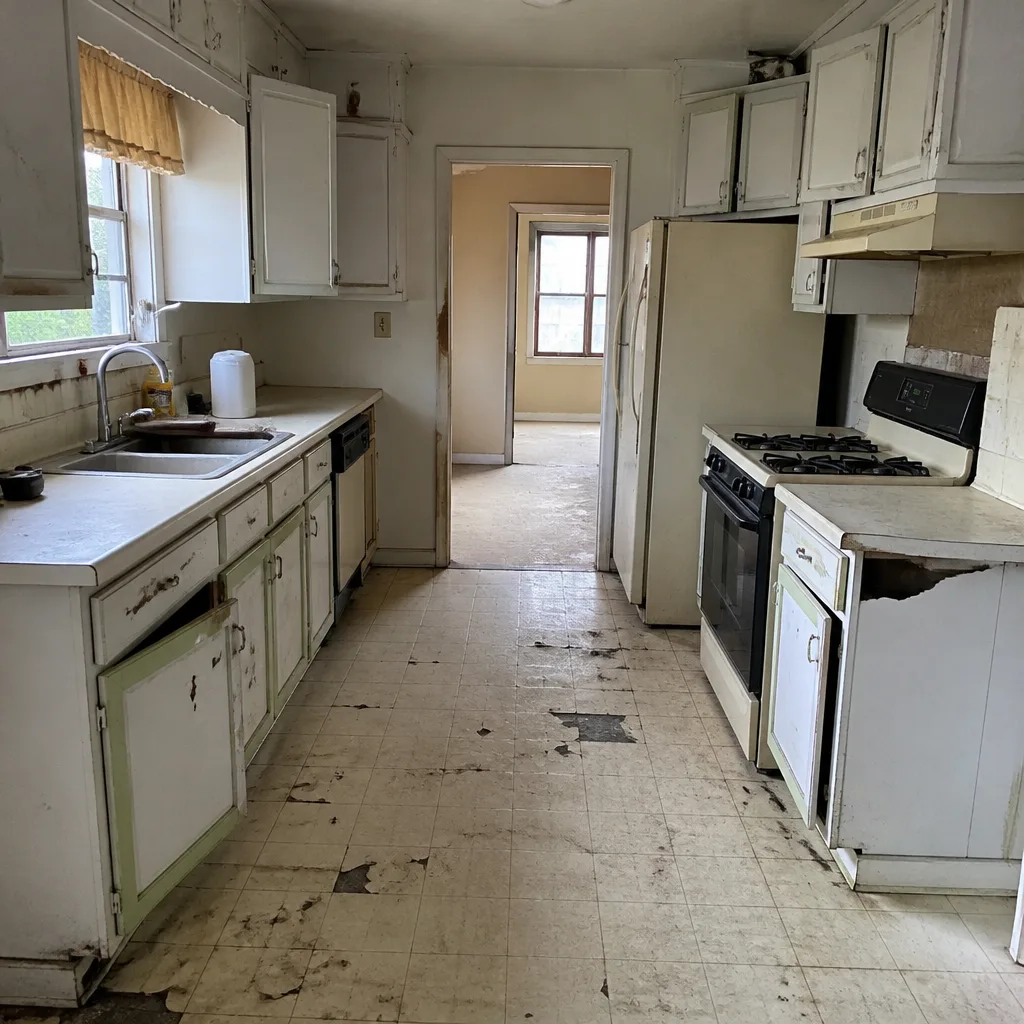 Before
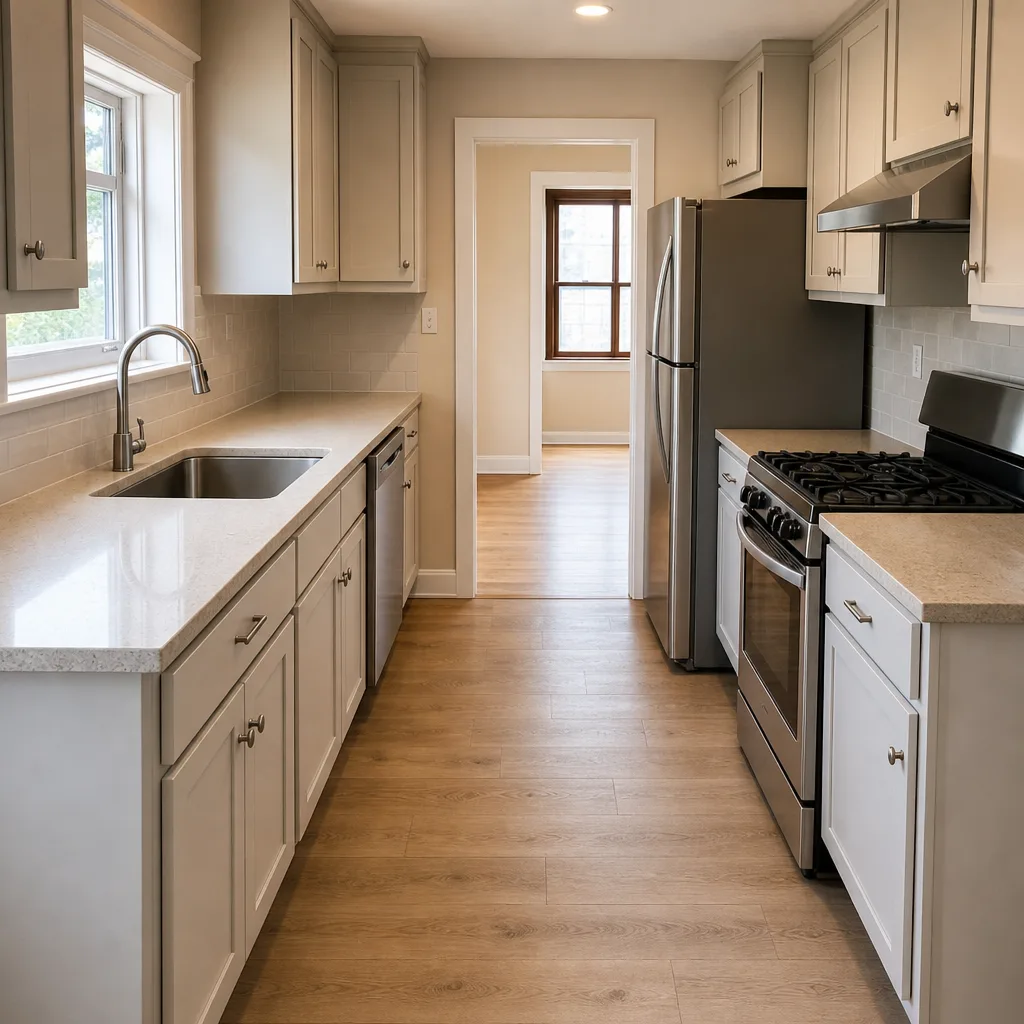 After
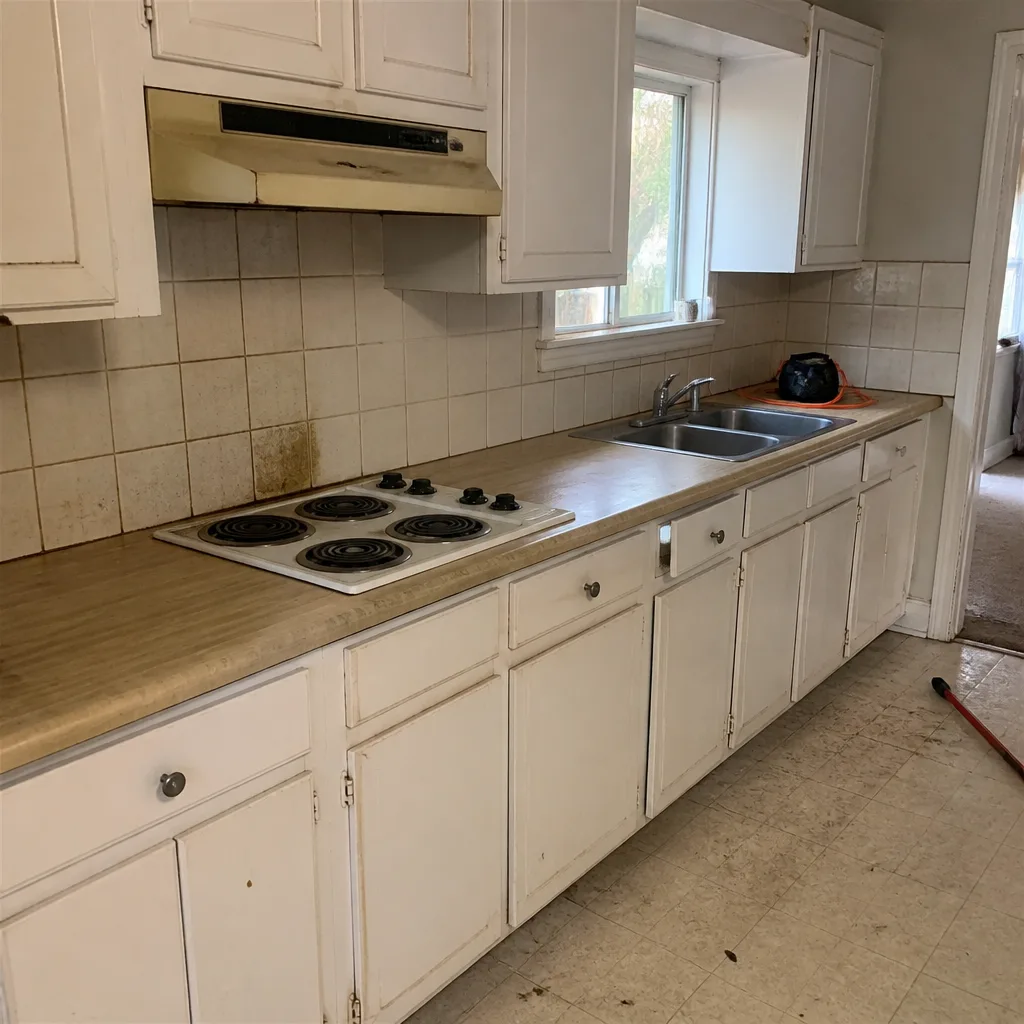 Before
 After
 Before
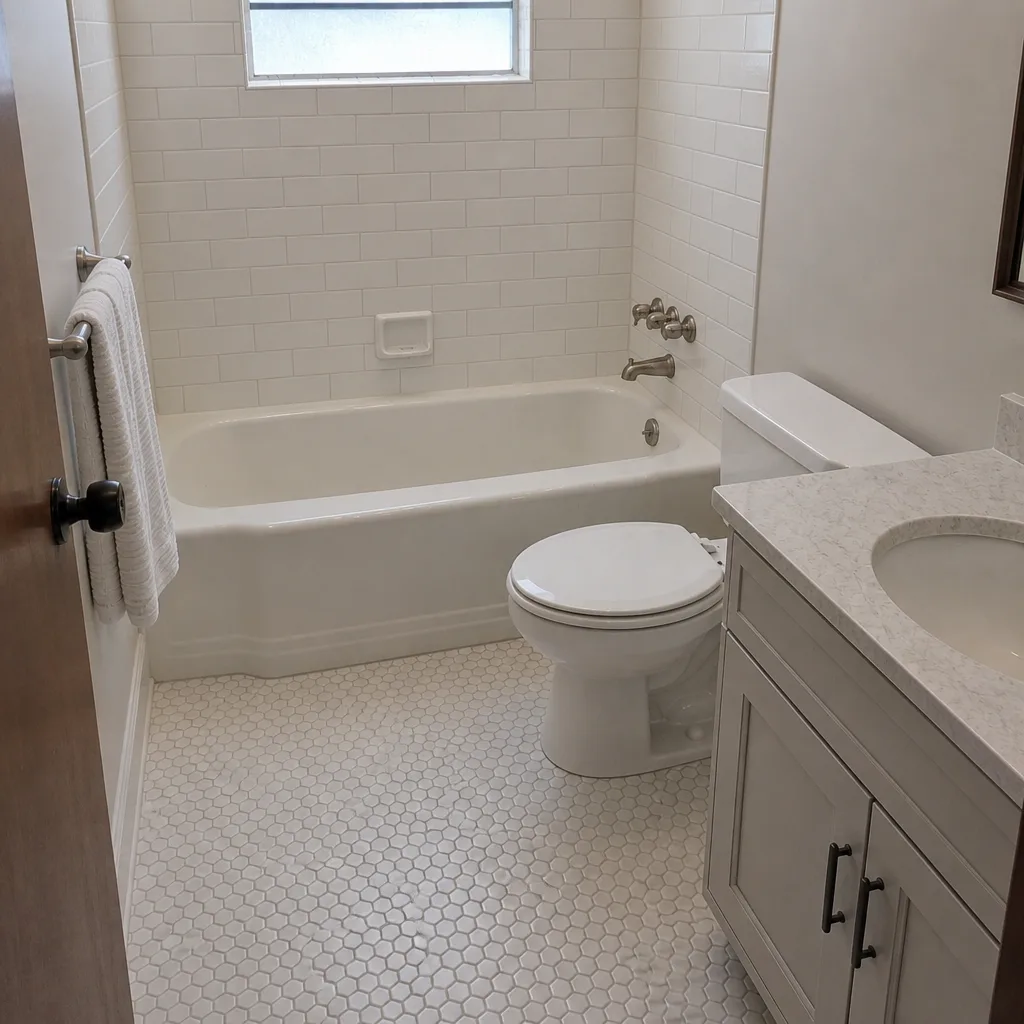 After