Last updated November 18, 2026
Free written scope consultation - allowances, timeline, and change-order rules on paper before a single trade is scheduled
The Complete Windows & Doors Guide for Irving Homeowners
Here’s something most buying guides get backwards. A window engineered for a Minnesota winter will underperform in an Irving summer, because the thermal stress runs the opposite direction. In cold climates, glass contracts inward and the frame takes the load. In North Texas, the afternoon sun heats the exterior pane to temperatures that push the glass outward and make the seals work in reverse. Add our humidity swings and the occasional ice storm, and you get a window that fails from heat cycling, not cold. This guide covers what actually holds up here: ratings that translate to DFW, door frame materials tested against our UV and hail, the permits Irving requires, and how to read a bid so you know what you’re signing. Barrett & Sons Construction Irving home has watched these failures firsthand for years.
Quick Answer
For Irving homes, the window ratings that matter most are a Solar Heat Gain Coefficient (SHGC) of roughly 0.25 or lower, a U-Factor between 0.30 and 0.40, and a Visible Transmittance high enough to keep rooms bright without cooking them. Door frames should lean toward fiberglass or steel on south and west exposures where UV and hail do the most damage. And Irving requires permits on most replacement work that changes size, location, or egress. Product selection matters as much as installation in this climate; a premium window installed poorly still leaks, and a budget window installed well still bakes.
Styles & brands we work with
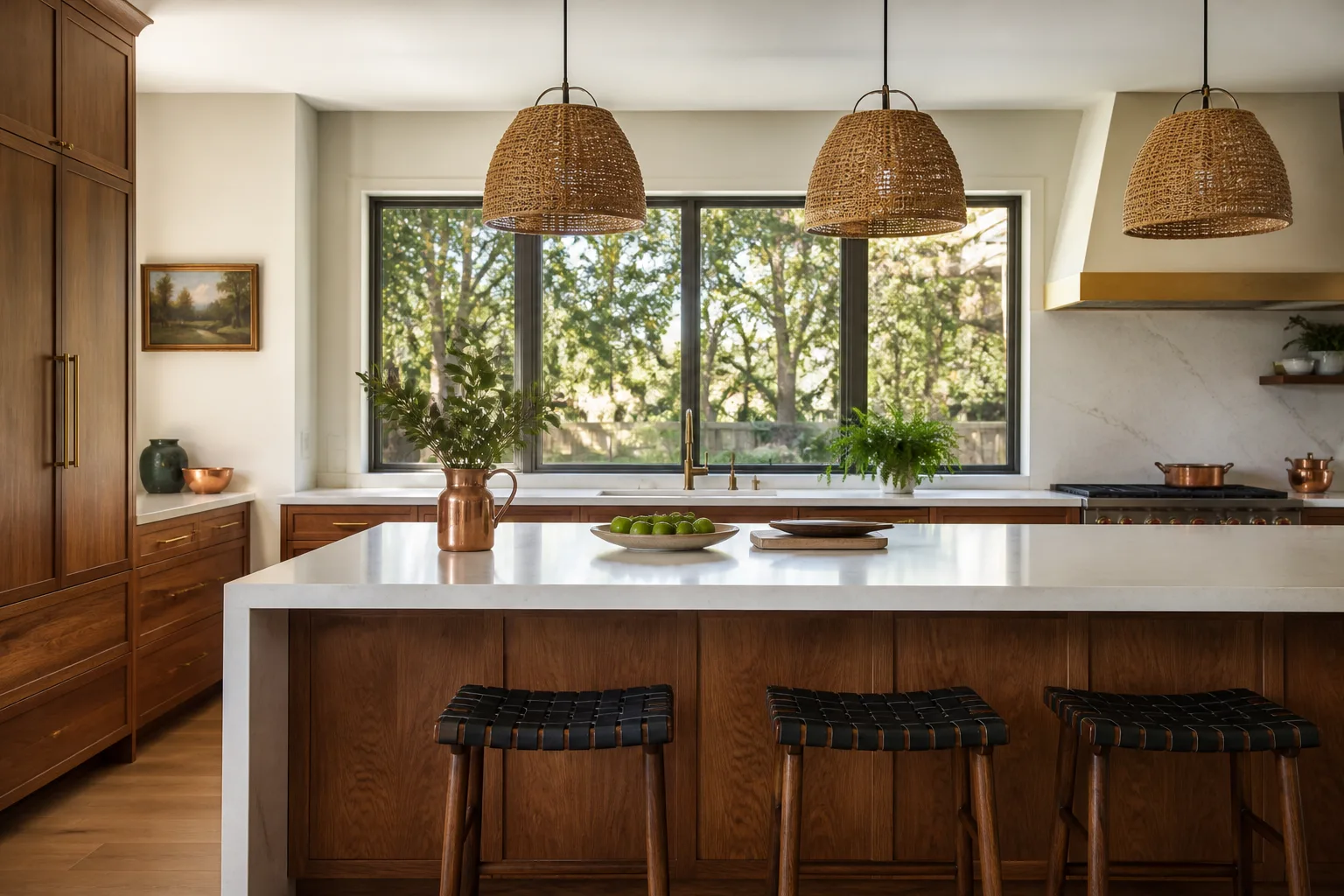
- Kitchen remodeling
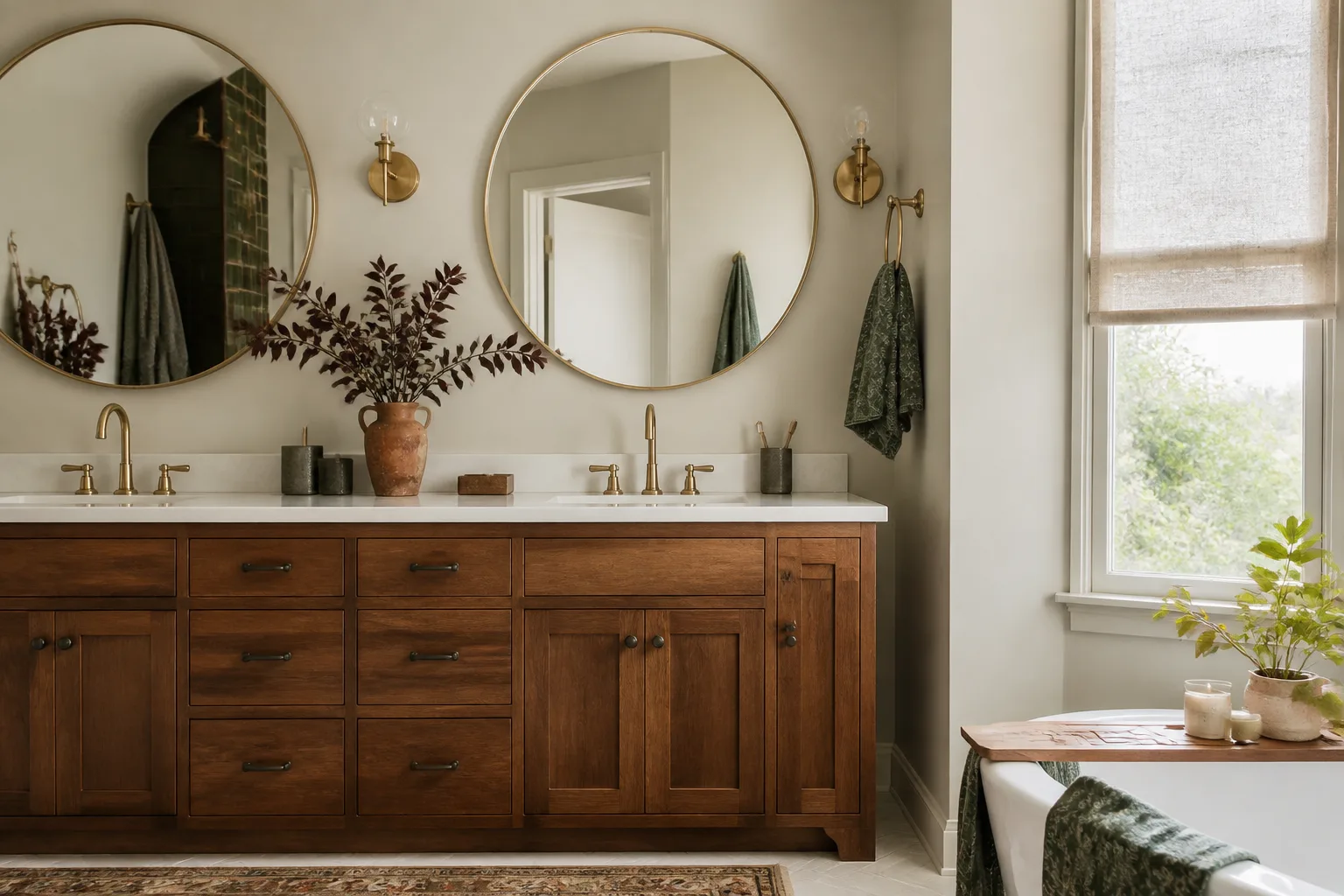
- Bathroom remodeling
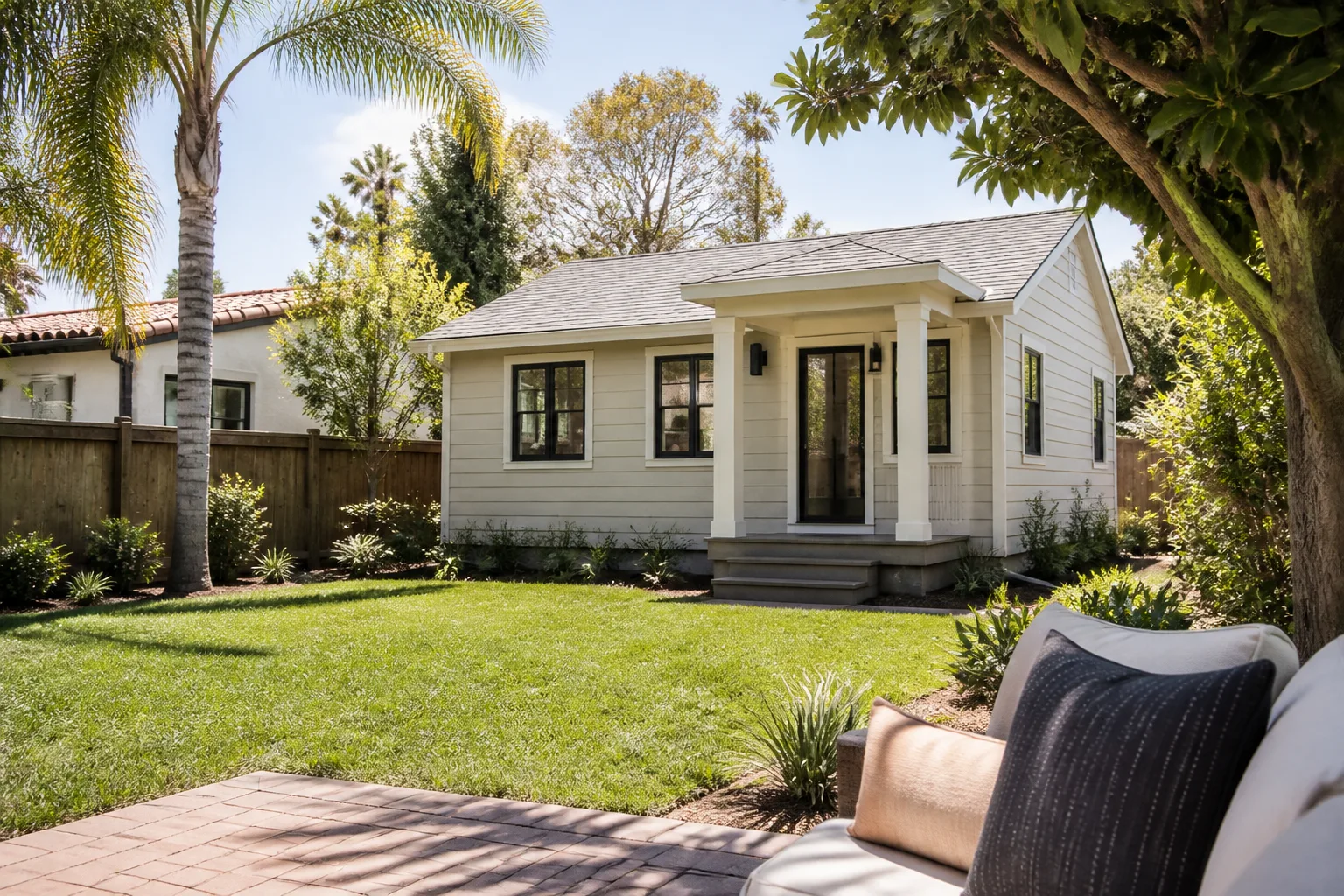
- Home additions & ADU
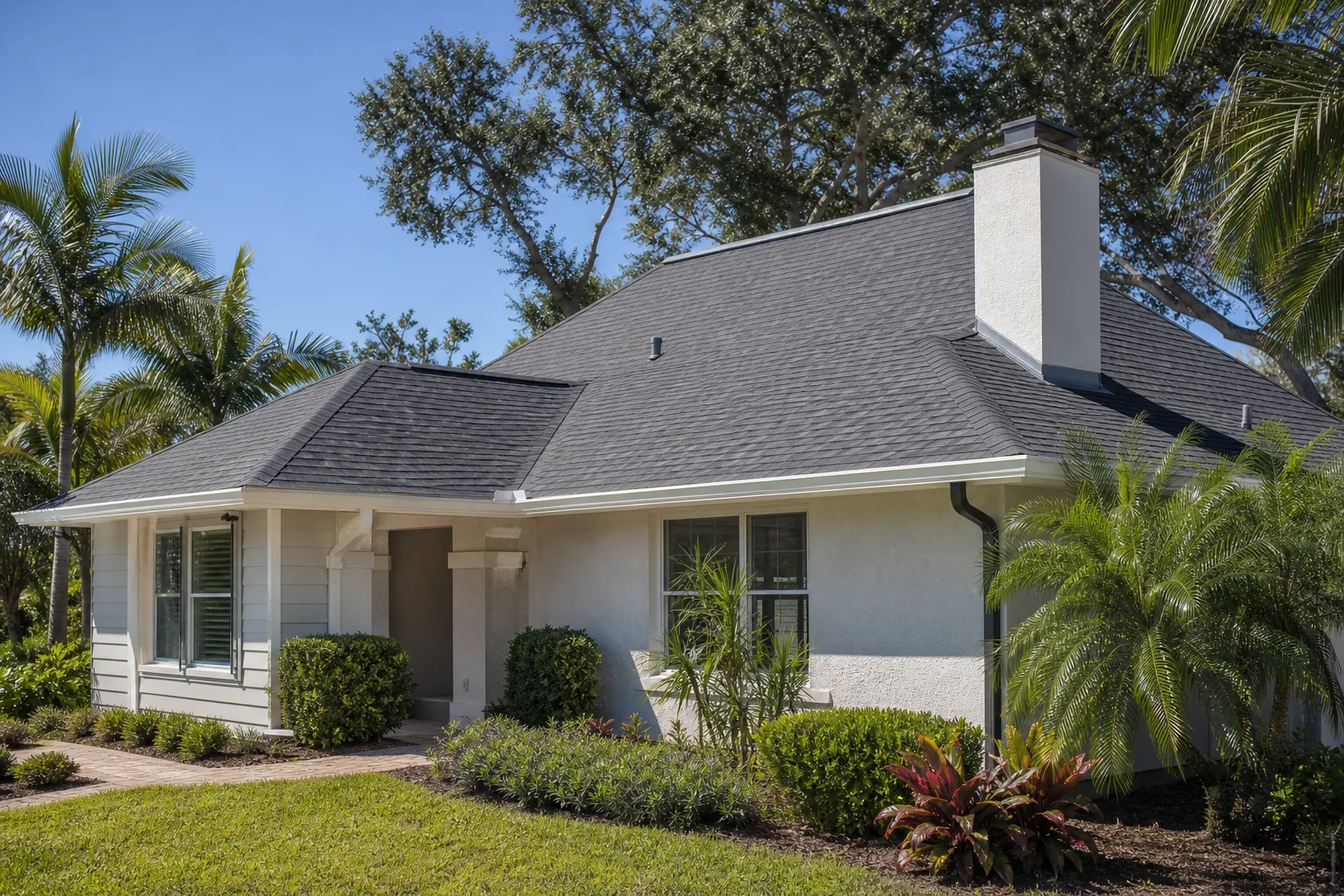
- Roofing
- Windows & doors
- Driveway & pavers
- Fence
Table of Contents
- Which Window Ratings Actually Matter in Irving
- Door Frame Materials Tested Against Irving Heat and Hail
- Irving Permit Requirements for Window and Door Replacement
- How to Evaluate a Window and Door Quote
- Premium Brands and Why Product Selection Matters in Texas
- What a Proper Installation Looks Like in North Texas
- Common Mistakes to Avoid
- Frequently Asked Questions
Which Window Ratings Actually Matter in Irving
Window labels carry a lot of numbers, and not all of them are built for a hot-humid climate like DFW. The National Fenestration Rating Council (NFRC) label is the one to read, but you have to interpret it for the direction the heat is actually traveling. In Irving, heat moves inward most of the year, which flips the priority order national guides use.
- Solar Heat Gain Coefficient (SHGC): The single most important number here. It measures how much solar heat passes through. Look for 0.25 or lower on west and south-facing glass. In a Minnesota guide, SHGC is an afterthought; in Irving, it’s the main event.
- U-Factor: Measures heat flow through the whole assembly. A range of 0.30 to 0.40 works well for our zone. Going lower helps in summer but can be overkill and costs more.
- Visible Transmittance (VT): The percentage of daylight that comes through. Tinting for SHGC darkens a room; a VT of 0.50 or higher keeps interiors bright while still controlling heat.
- Condensation Resistance: Less critical in Irving than in cold climates, but worth checking for bathrooms and kitchens where indoor humidity spikes.
- Air Leakage: Should be 0.3 or lower. Our wind-driven spring storms find weak seals fast.
One rating that gets overhyped for our market: high condensation resistance and low-temperature performance tuned for northern winters. They don’t translate to an Irving summer, and you pay for engineering you’ll never use. The ENERGY STAR climate zone map is the other thing to check. Irving sits in the South-Central hot-humid zone, and most national window marketing defaults to northern performance numbers. Match the label to our zone, not to a catalog photo taken in Vermont.
Door Frame Materials Tested Against Irving Heat and Hail
Doors take more abuse than windows because they face south and west with full exposure, open and close hundreds of times a year, and sit at eye level where every flaw shows. The frame material decision comes down to wood, fiberglass, or steel, and each behaves differently under Irving’s UV load and storm season.
Wood looks the best and performs the worst on exterior exposures here unless it’s protected. Full Texas sun bakes moisture out of the wood, then our humidity swings it back in, and the cycle opens joints at the frame corners within a few years. On a shaded north porch, wood can last. On a west-facing front door, it will need refinishing more often than you’d like.
Fiberglass is the smart middle ground for Irving. It doesn’t take on moisture, it holds paint, and it expands and contracts far less than wood under heat cycling. UV degrades cheaper fiberglass if it’s not painted or finished, so keep the finish maintained.
Steel is the toughest against hail and holds up in storm season. It dents, though, and dents show on a painted surface after a decent hailstorm, which DFW hands out regularly. On a covered entry or a north door, steel is solid. On an exposed west door, it’s a dent waiting to happen.
Frame material aside, check the weatherstripping and threshold separately. Those fail first in our climate, and replacing them is far cheaper than replacing the door.
Irving Permit Requirements for Window and Door Replacement
This is where most homeowners get blindsided, and where plenty of contractors quietly skip the paperwork. In Irving, a simple like-for-like window replacement in the same opening and same size usually doesn’t require a permit. But the moment the scope changes, the permit question changes with it.
- Size or location changes: Enlarging a window, adding one, or moving it requires a permit because it touches framing and, potentially, structural elements.
- Egress windows: If you’re creating a bedroom or finishing a basement, Irving requires egress windows that meet minimum clear opening dimensions. That’s a permitted change.
- Exterior door replacement that alters the opening: Changing a door size or adding a new exterior door is typically permitted. A straight swap in the same opening often is not.
- Structural changes: Anything that affects load-bearing walls, headers, or lintels is permitted and inspected.
- Energy code compliance: Irving follows Texas energy code, and permitted window and door work must meet current performance requirements. Your contractor should know the current code cycle, because it updates.
Here’s why this matters beyond paperwork: an unpermitted change can complicate a future sale, and it can leave you holding the bag if an inspection ever gets triggered. The permit inspector works for you, not for us. That’s why we pull permits on every eligible job and get inspections signed. If a contractor tells you permits are optional, that’s the first red flag in the bid.
How to Evaluate a Window and Door Quote
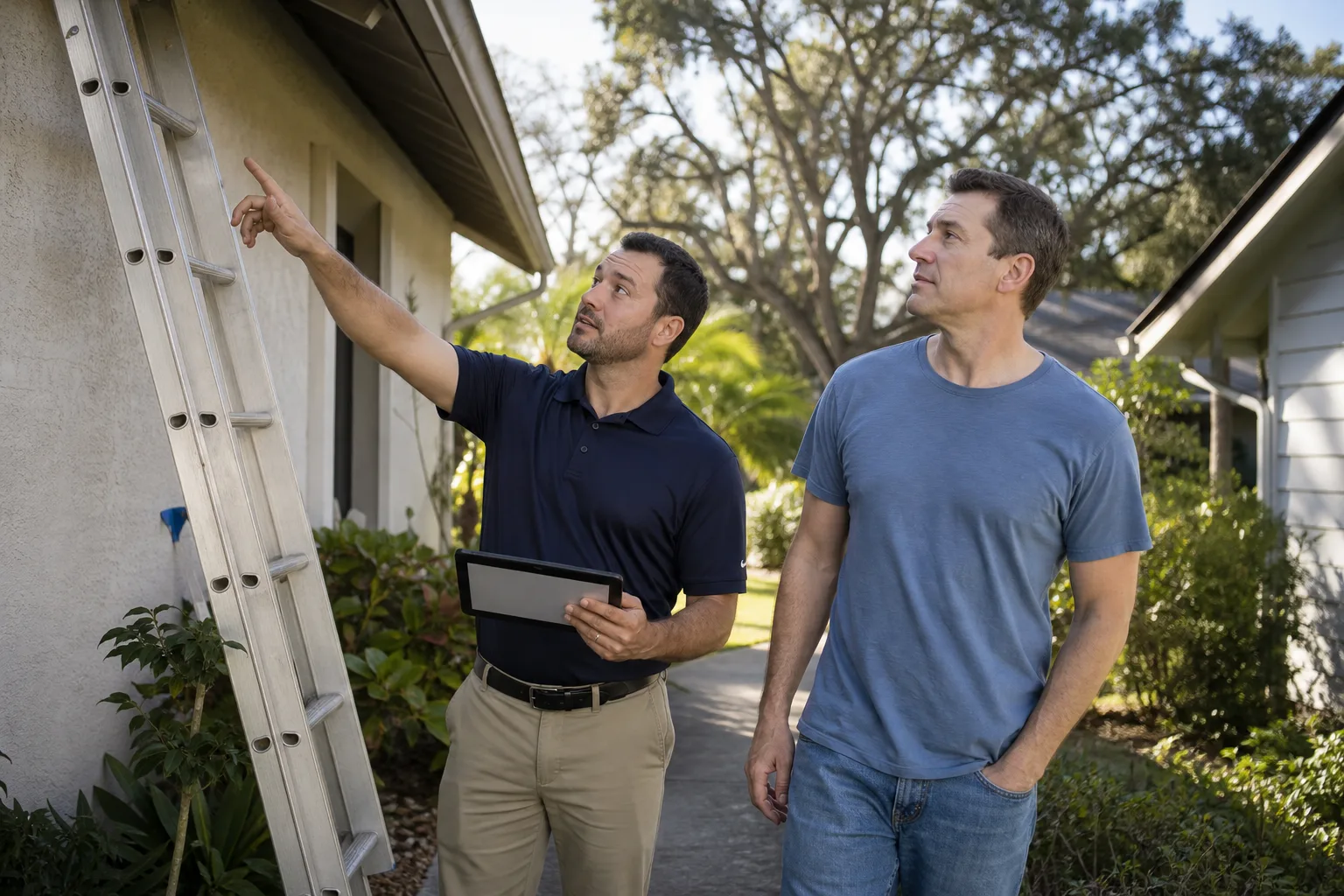
A legitimate window and door bid from an owner-operated contractor looks nothing like a volume installer’s boilerplate. The difference isn’t just price; it’s what’s actually written down. Scope in writing, allowances in writing, change orders in writing. An allowance that isn’t on paper is a surprise waiting for a date.
When you compare quotes, check for these:
- Line-item product specification: Brand, model, glass package, and NFRC ratings should be spelled out per opening, not lumped into “windows, as discussed.”
- Permit responsibility stated plainly: Either the bid lists permit pulling as included, or it tells you who’s responsible. Ambiguity here costs you later.
- Trim, flashing, and finish scope: Window replacement always involves surrounding work. If the bid doesn’t mention flashing and trim, it’s incomplete.
- Written change order process: Ask what happens if a rotted header or a hidden leak turns up mid-job. The answer should be a written change order before work proceeds, not a verbal estimate over the phone.
- Warranty terms in the contract: Manufacturer warranty on the product, workmanship warranty on the install, and who honors what.
A volume installer’s boilerplate tends to bury allowances and leave escalation clauses vague. Read the fine print before you sign. A quote that can’t name the product or the permit status isn’t a quote, it’s a placeholder.
Premium Brands and Why Product Selection Matters in Texas
Product selection is half the battle in a Texas climate, and it’s the half the volume installer’s bid usually ignores. Cheap windows with northern-tuned glass packages and thin frames run into Irving summers and lose. Better brands engineer for the whole country, including hot-humid zones, and their glass options actually deliver the SHGC numbers in the real world, not just on a spec sheet.
We install Andersen and Marvin windows because both offer glass packages tuned to hot-humid climates, and both hold up under UV and thermal cycling. Andersen’s composite and clad options resist moisture, and Marvin’s wood-clad lines give you real wood inside with a finish that stands up to the outside sun. For doors and hardware, we work with the same approach: name the product, verify the rating, and install it right.
This philosophy carries across every trade we touch. Kitchen and bath clients know us for KraftMaid and Cambria. Roofs get GAF and CertainTeed. Hardscapes get Belgard, and we’ve also worked with Techo-Bloc and Tremron on driveways and patios. We mention the brands because materials you can look up, verify, and compare are worth more than mystery brands off a van. If you’re weighing a refresh that includes hardscape, see our Driveway & Pavers in Irving work, or read about Fence Installation in Irving for the matching perimeter. If a window project is part of a larger plan, our Home Additions & ADU in Irving service covers the structural side.
What a Proper Installation Looks Like in North Texas
Installation quality determines how long your window performs in Irving. A premium window installed poorly leaks and loses its rating within a season. Here’s the sequence a proper install follows, and what to watch for:
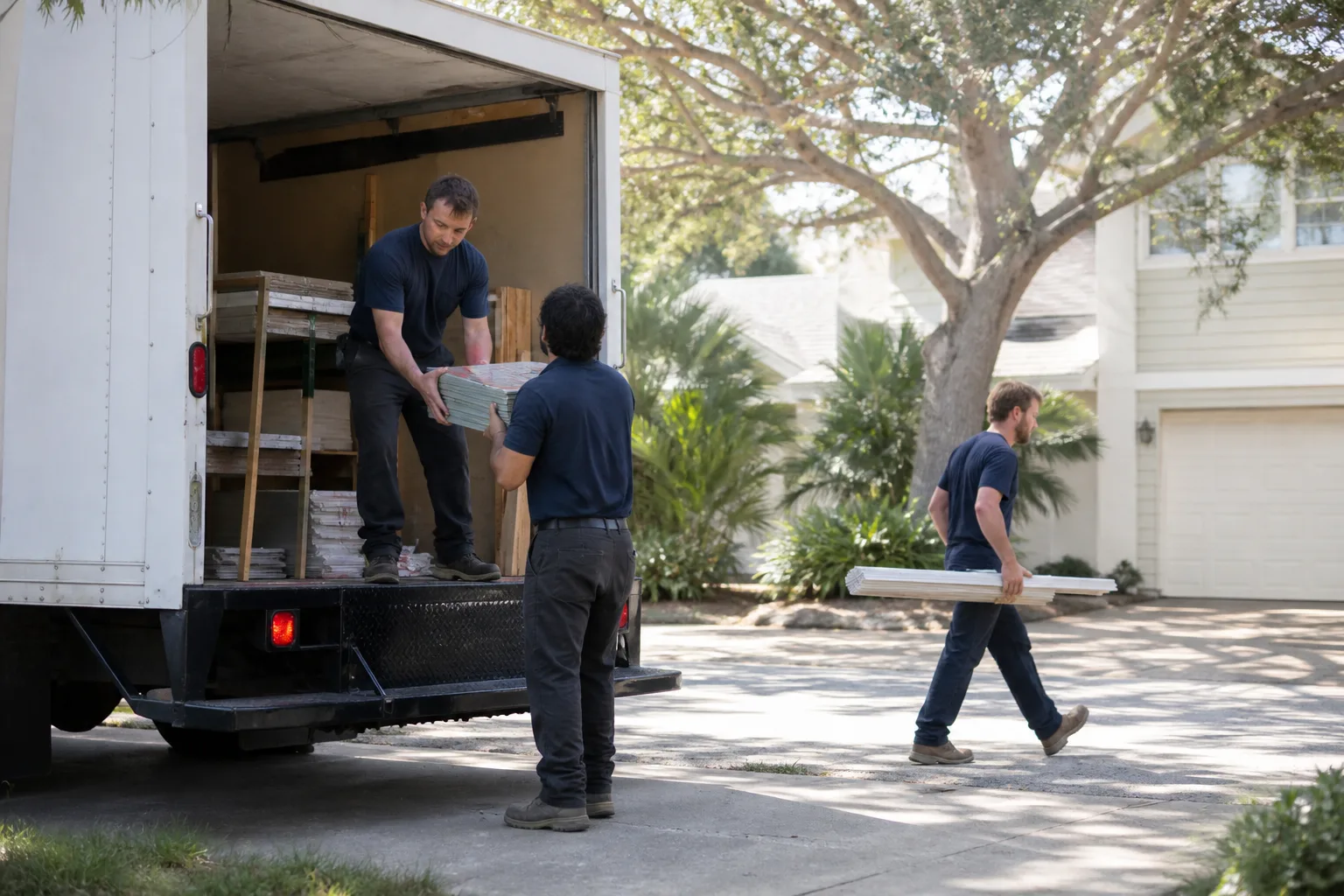
- Removal and inspection: Pull the old unit, then inspect the rough opening for rot, water damage, or failed framing. Hidden damage is common in older Irving homes and gets handled before a new unit goes in.
- Flashing and waterproofing: The most-skipped step by volume installers. Proper flashing at the sill pan and around the frame keeps water out of the wall cavity. Our humidity swings and driving spring rain find weak flashing.
- Level and plumb: A window that’s a fraction off will bind or leak. This takes time and it’s not a shortcut.
- Insulation and sealing: Spray foam or proper insulation at the perimeter, followed by a high-quality sealant. Cheap sealant cracks under UV from full Texas sun.
- Interior and exterior trim: Capped or placed correctly so water sheds away from the opening.
- Final operation check and inspection: Everything opens, closes, and latches correctly, and every eligible job gets an inspection signed.
That sequence is why an owner-operated crew member doing the work matters. Background-checked crew members carry the company’s name and do the work the way it should be done.
See the difference
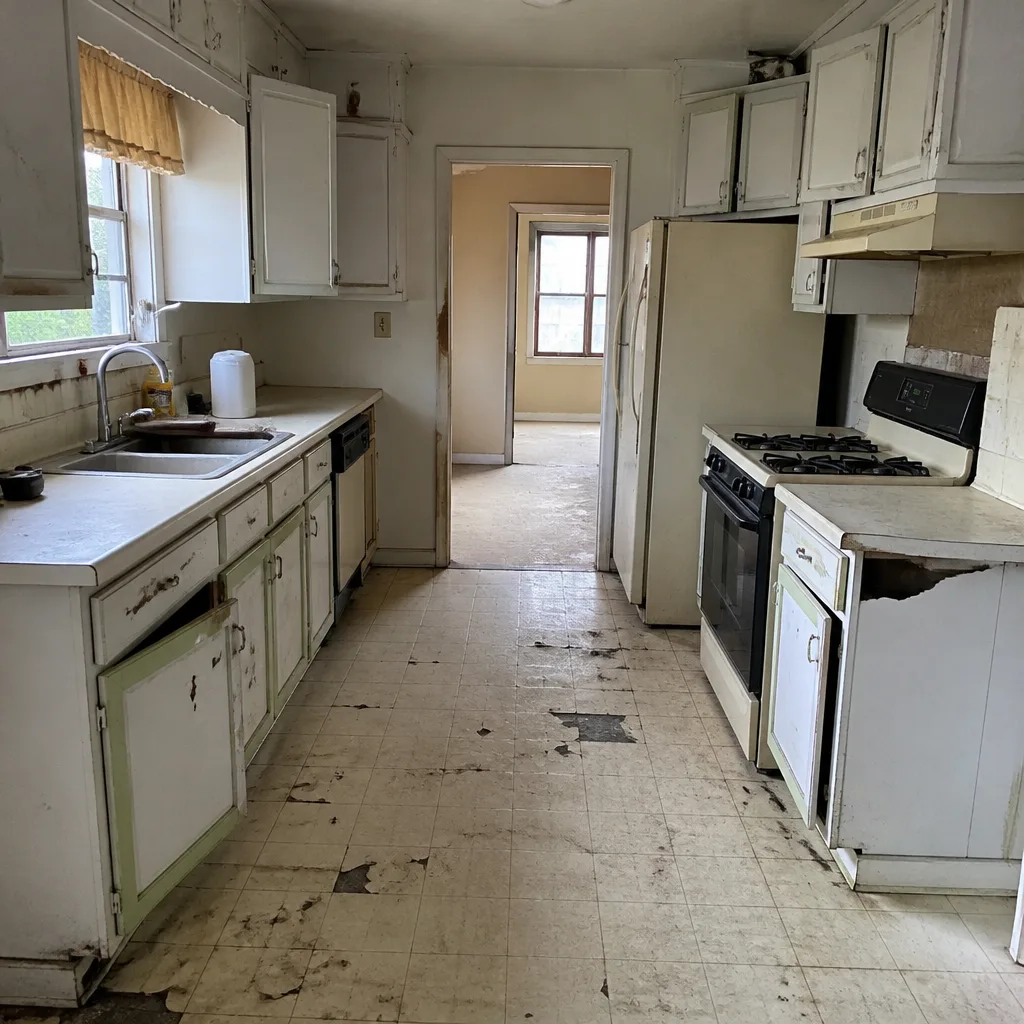 Before
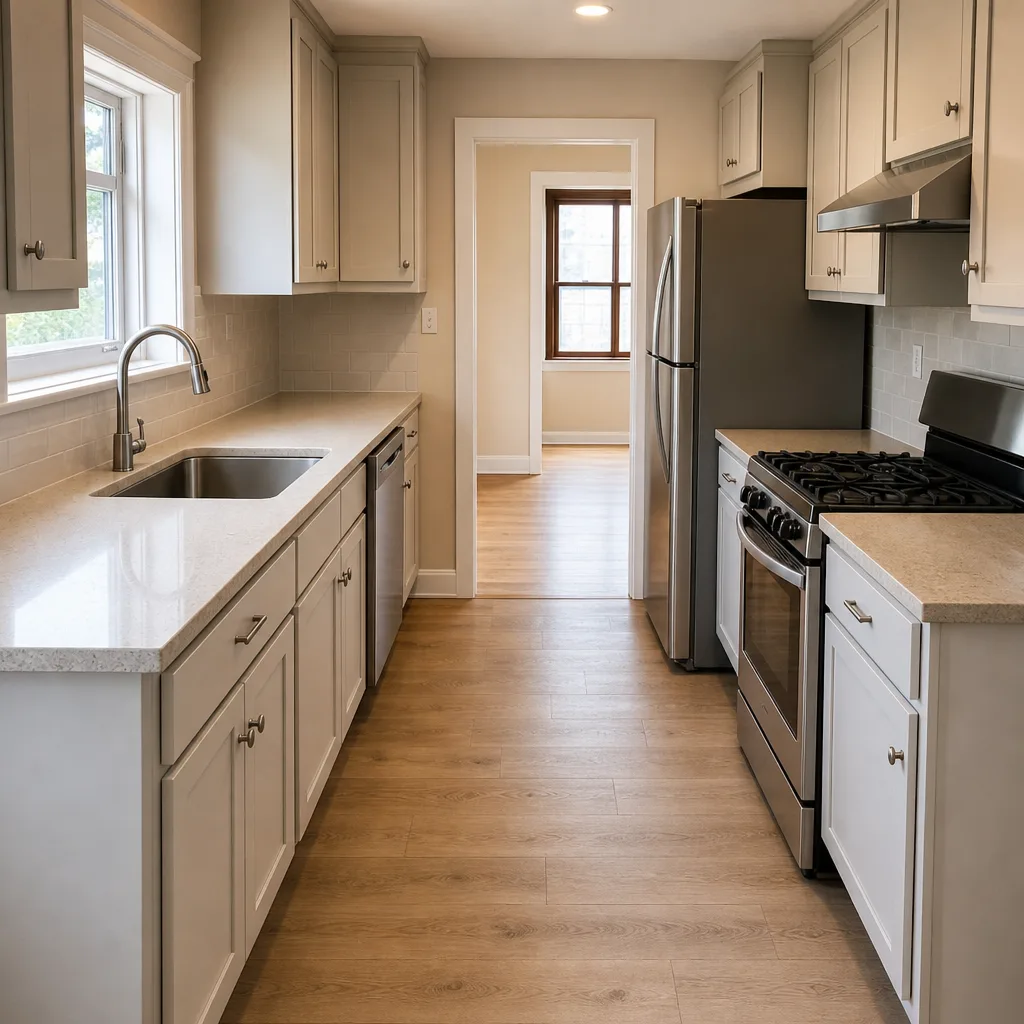 After
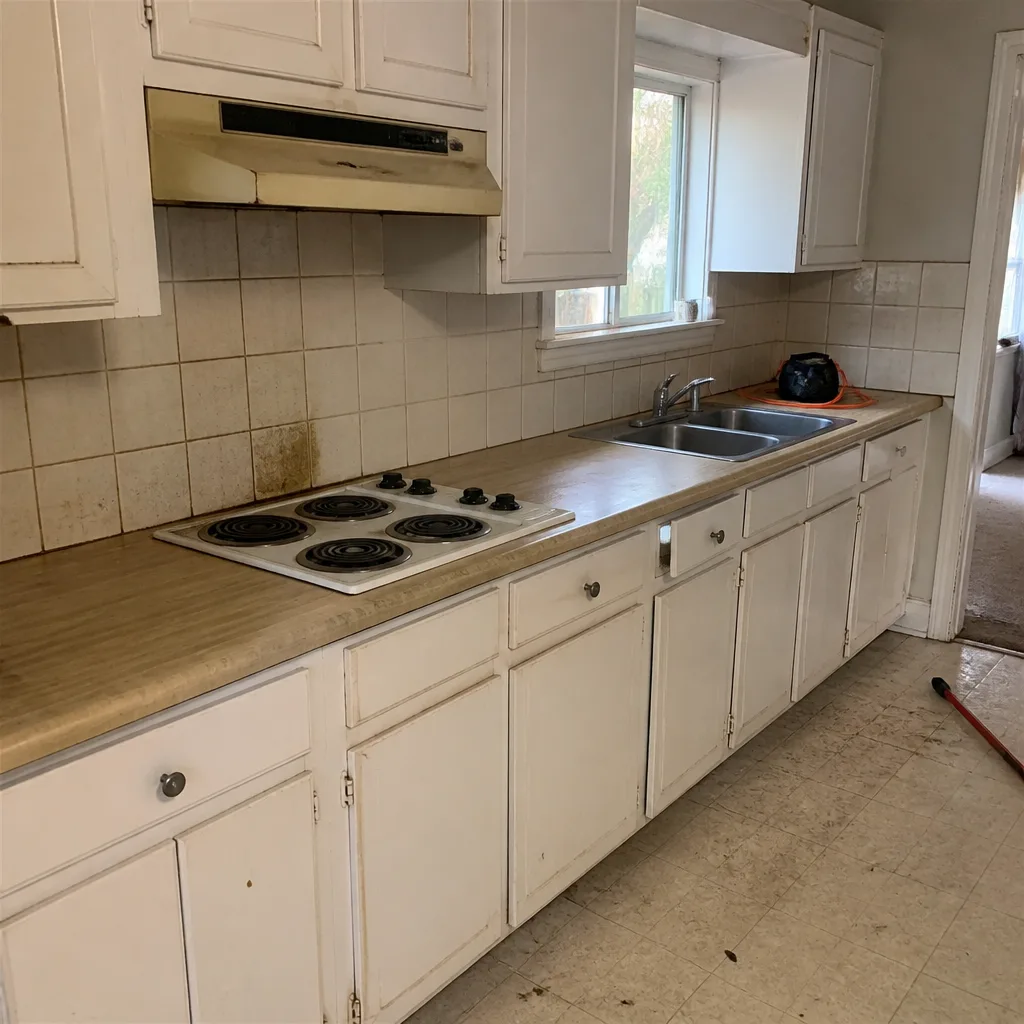 Before
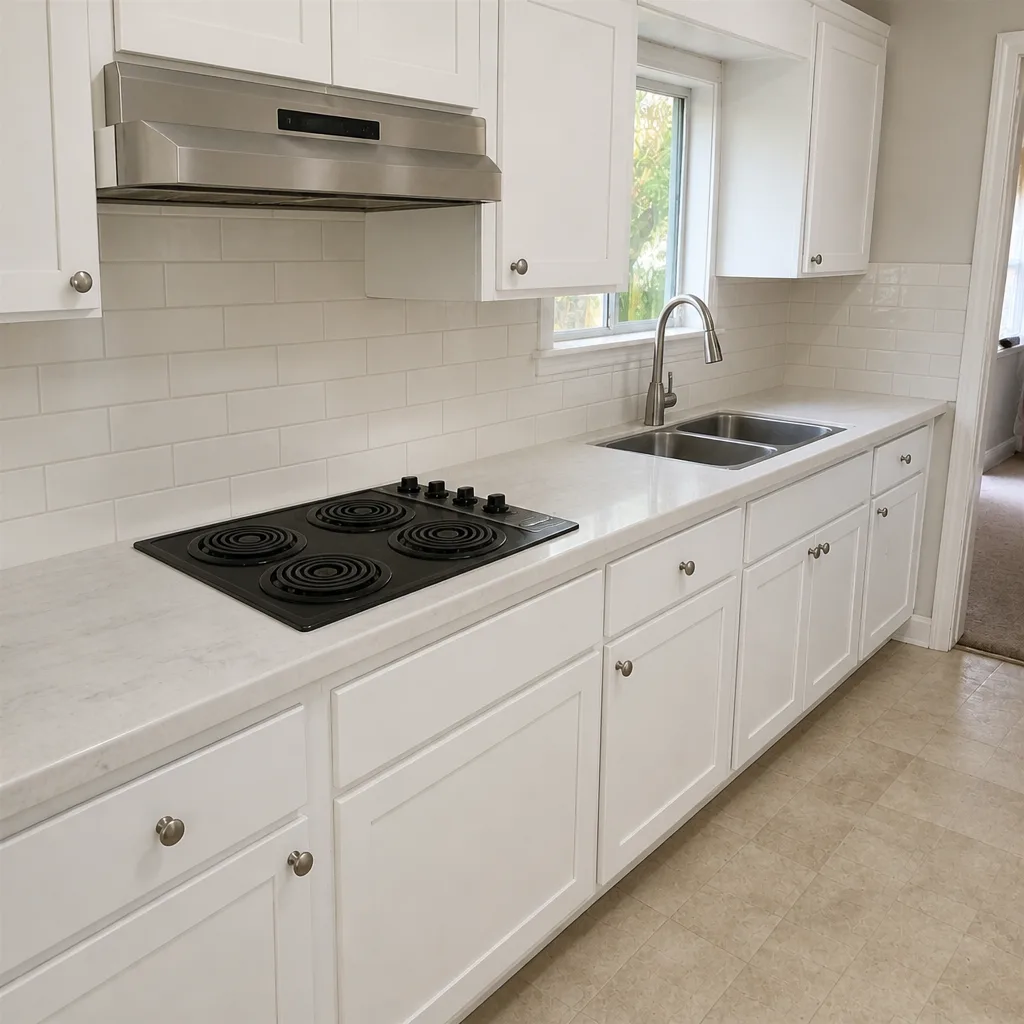 After
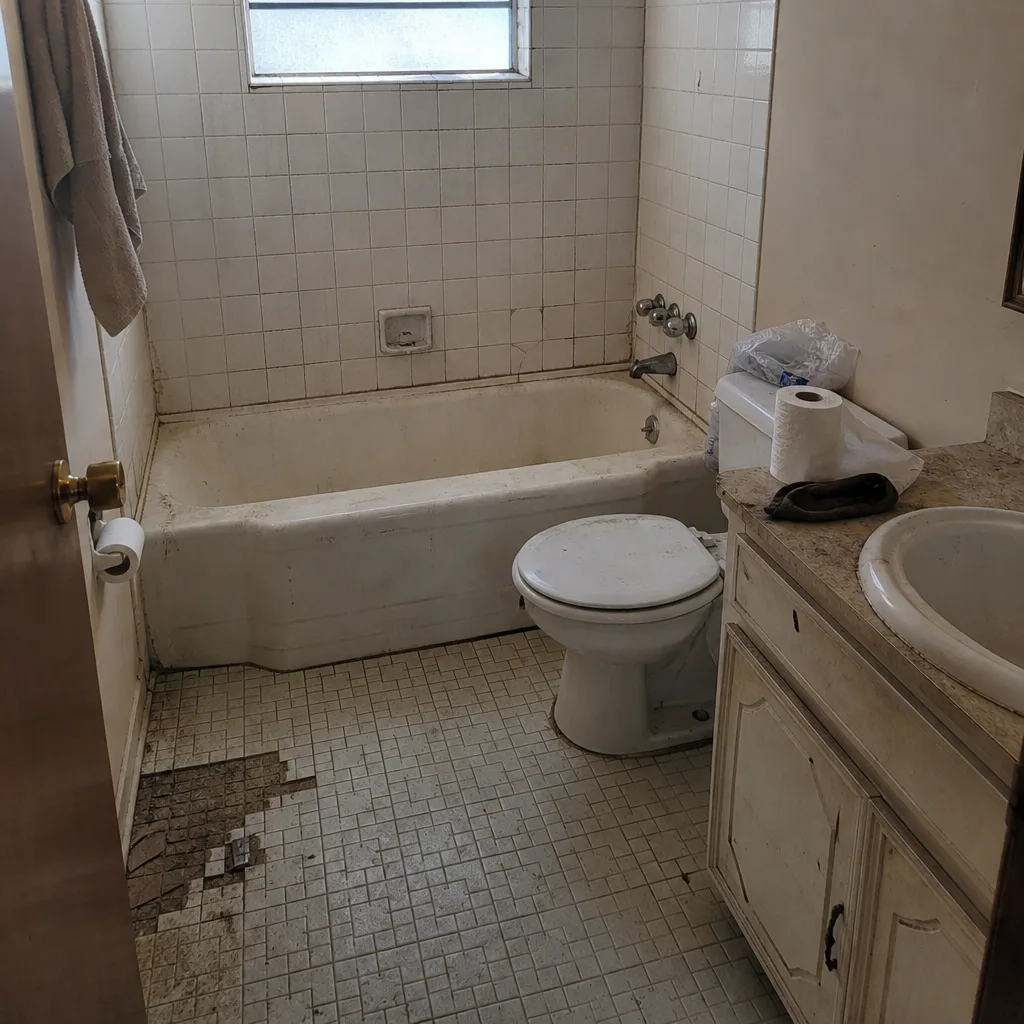 Before
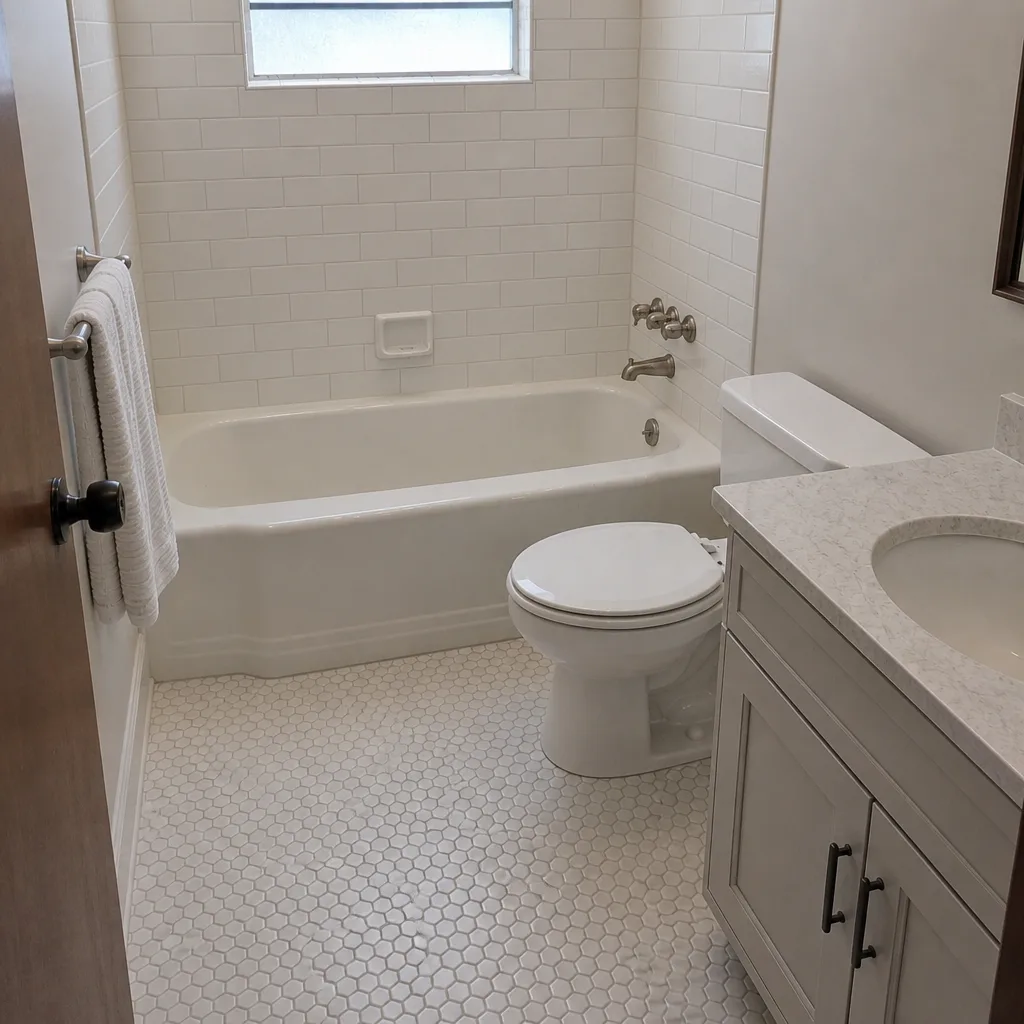 After
Key Takeaways
- SHGC (0.25 or lower) is the rating that matters most in Irving; U-Factor of 0.30 to 0.40 and VT of 0.50 or higher round it out.
- Fiberglass frames handle our UV and heat cycling best on exposed doors; steel resists hail but dents; wood needs more maintenance.
- Irving requires permits for changes to size, location, egress, or structure; a straight same-size swap often does not.
- A real bid names the product, states permit responsibility, and explains the written change order process.
- Flashing and sealing are the install steps that decide how long a premium window actually performs.
Common Mistakes to Avoid
- Buying on U-Factor alone. Northern-tuned marketing pushes low U-Factor, but in Irving that leaves out SHGC, which is the number that actually keeps your rooms cool.
- Skipping the permit when the scope changes. Homeowners often assume a like-for-like swap is exempt, then enlarge a window and end up with unpermitted framing work that complicates a future sale.
- Assuming volume installer boilerplate is complete. A quote that doesn’t list product, flashing, and trim line items has gaps you’ll pay for later.
- Ignoring flashing and sealing. It’s the step most easily skipped and the one that fails first under our driving spring rain.
- Choosing door frame material for looks alone. A wood door on a west-facing Irving entry needs refinishing attention; fiberglass or steel holds up better under full sun and hail.
- Letting verbal price changes slide. If scope changes mid-job, insist on a written change order before work proceeds. Nothing moves on a verbal estimate.
- Forgetting the tie-ins. Windows and doors work with the rest of the envelope. Check flashing, trim, and adjacent hardscape so water sheds away from the whole house.
When to Call a Professional
Some window and door work is straightforward, but several situations deserve a professional call. If you’re replacing multiple windows or a full-door unit, seeing fog or condensation between panes, dealing with water stains around a frame, or noticing draft and daylight around an opening, it’s time to have someone assess the whole assembly. Structural changes, enlarging the opening about the frame, and egress window creation legally require permits and inspection, which means professional eyes. Any electrical or structural work tied to a door or window belongs in trained hands. And on high or exterior installs, height work carries real injury risk; don’t improvise. Barrett & Sons Construction Irving offers free estimates in Irving, and our technicians have up to 28 years of experience. Call (833) 991-4970 to schedule yours.
Frequently Asked Questions
Most Irving replacement window projects fall in a wide range depending on count, product line, and glass package, with premium brands like Andersen and Marvin at the higher end and standard grades lower. A precise number requires a written line-item quote after measuring your openings. Call (833) 991-4970 for an exact quote; estimates are free.
Solar Heat Gain Coefficient (SHGC) matters most because it controls how much heat comes through the glass; aim for 0.25 or lower on west and south exposures. U-Factor of 0.30 to 0.40 and VT of 0.50 or higher complete the package. Call if you want help reading a specific product’s NFRC label.
Irving requires a permit when the scope changes size, location, egress, or structure; a same-size like-for-like swap often doesn’t require one. Changing a door size or adding an exterior door is typically permitted. We pull permits and get inspections signed on every eligible job, and we’ll confirm the requirement for your specific scope before work starts.
Fiberglass holds up best on exposed exterior doors because it resists moisture and expands less under heat cycling. Steel is the toughest against hail but can dent, and wood needs the most maintenance on sun-exposed entries. The best choice depends on the exposure and finish you want.
It shouldn’t change without your written approval. Every scope, allowance, and price change arrives as a written change order before work happens, so there are no surprise invoices at the end. If hidden damage turns up mid-job, we document it and get your sign-off first.
Both brands offer glass packages tuned to hot-humid climates with low SHGC options that work for Irving. Product selection matters, but installation decides the real-world performance, so flashing, sealing, and correct alignment get equal attention. Call (833) 991-4970 to discuss the specific lines we install.
The Bottom Line
Windows and doors in Irving face a climate that generic national guides weren’t written for. Match ratings to our hot-humid zone (SHGC first, then U-Factor and VT), choose door frame materials for UV and hail exposure, and confirm the permit requirement whenever the scope changes. Then read the bid the way it’s meant to be read: product, allowances, permits, flashing, and change orders all in writing. Get the product right and the install right together, and the assembly lasts. Barrett & Sons Construction Irving writes every scope in writing, pulls every permit, and publishes its name and license number so you can look it up before you sign anything. Call (833) 991-4970 for a free estimate.
Written by the team at Barrett & Sons Construction Irving.