
Last updated November 18, 2026








Free written scope consultation - allowances, timeline, and change-order rules on paper before a single trade is scheduled
Bathroom Remodeling Warning Signs Every Homeowner Should Know
A soft spot near the toilet base that feels like “the floor settling” is almost always subfloor rot. And here’s the part that surprises most homeowners: by the time you can feel it underfoot, the water has usually been sitting under there for around 18 months. Bathroom damage rarely announces itself. It whispers first – a faint smell, a hollow sound, a grout line that keeps reopening. We’ve walked through hundreds of bathrooms in Irving, and the same story plays out again and again: the warning signs were there for 60 to 90 days, sometimes longer, looking like small annoyances instead of damage reports. This guide teaches you to read your bathroom the way a contractor does on a walk-through, so you catch the real problems while they’re still cheap to fix.
Quick Answer
The core bathroom remodeling warning signs are soft or spongy flooring near fixtures, a persistent musty smell that returns after cleaning, paint bubbling on the ceiling below another bathroom, grout that keeps cracking in the same line, and loosening tile. Any one of these means water is likely living somewhere it shouldn’t. Soft flooring and bubbling ceilings below an upstairs bath are the two signs that call for a contractor this week rather than next month.
Styles & brands we work with
- Kitchen remodeling
- Bathroom remodeling
- Home additions & ADU
- Roofing
- Windows & doors
- Driveway & pavers
- Fence
Table of Contents
- The Five Sensory Signs Water Is Hiding in Your Bathroom
- Why Paint Bubbling Near the Ceiling Is a First-Floor Warning
- Cosmetic Grout Cracking vs. Structural Movement
- Which Signs Mean “Call This Week” vs. “Add to the List”
- What a Contractor Sees That You Naturally Skip
- Why Irving Homes See These Problems Differently
- A Step-by-Step Walk-Through You Can Do This Weekend
The Five Sensory Signs Water Is Hiding in Your Bathroom
Water damage doesn’t start as a stain. It starts as a smell, a sound, a temperature, or a feeling underfoot – things your body registers before your eyes do. When we walk a bathroom in Irving, we’re running all five senses before we open a single cabinet. You can do the same.
- Smell: A musty, damp-earth odor that comes back within a day or two of cleaning is the strongest signal of hidden moisture. It means mold or mildew has found a food source – usually wet wood, drywall paper, or the backside of vinyl flooring.
- Sound: A hollow or squishy sound when you tap the floor near the toilet or tub, and any drip you can hear in a quiet house after the water’s been off for an hour.
- Feel: Spongy flooring, a tile that rocks underfoot, or a baseboard that crumbles when you press it.
- Sight: Staining at the base of the toilet, a dark ring around a shower drain, or grout that darkens and never dries out.
- Temperature: A floor that feels cool and damp in one spot even when the rest of the room is dry. That temperature difference usually means moisture is trapped under the surface.
None of these five leave a visible stain. That’s why they get ignored. But a persistent smell plus a soft floor is one of the most reliable combinations we see, and it almost always points to a supply line or wax ring that’s been weeping for a long stretch.
Why Paint Bubbling Near the Ceiling Is a First-Floor Warning
Here’s a sign most homeowners read backwards. You’re standing in a first-floor hallway and you notice paint bubbling on the ceiling. Your instinct says the second-floor bathroom above has a problem. That’s half right – but the warning you’re actually reading is happening at the first-floor ceiling, and by the time paint bubbles, water has already traveled through the subfloor and the ceiling drywall above you.
Paint bubbles when moisture pushes against the latex from behind. It’s a late-stage sign, not an early one. By the time you see it, the leak has usually been active for weeks or months, soaking the framing between the two floors.
What to do the moment you spot it:
- Don’t poke the bubble. Puncturing it releases a sudden flow onto whatever’s below and can turn a slow leak into a soaked ceiling.
- Note the exact location. Is it directly under the tub, the toilet, or the shower drain? That narrows the source fast.
- Check the bathroom floor above for soft spots, especially around the toilet base and the shower threshold.
- Turn off the water supply to the upstairs fixtures if you can reach the shutoffs, then call a professional the same day.
A bubbling ceiling is a “call this week” sign, always. It’s never a maintenance item. If you catch it early and the framing is still sound, the repair is a manageable drywall and plumbing job. Wait a season and it becomes a subfloor and joist repair.
Cosmetic Grout Cracking vs. Structural Movement
Every bathroom gets cracked grout. That’s normal. The question is whether it keeps happening in the same place, and whether the tile itself is moving. Learning to tell the two apart saves homeowners a lot of unnecessary worry – and catches the real problems.
Cosmetic cracking is hairline, appears in different spots over time, and usually shows up where grout is thinnest. It happens because grout is rigid and the house moves slightly with seasons and temperature. A single crack near a corner or along an expansion joint is not a structural signal.
Structural movement looks different:
- The same grout line cracks repeatedly, even after you regrout it.
- Tiles rock or “pop” when you step on them, or you can feel movement under bare feet.
- Grout lines widen over a few months, not just a hairline.
- Tiles separate from each other or lift at a corner.
- The cracking is clustered around a toilet, tub, or shower – wet areas where the substrate can soften.
The key distinction: cosmetic cracking is about temperature and cure. Structural cracking is about the tile substrate – the backer board or subfloor beneath the tile – losing its grip on the flooring beneath. If you press down on a tile and it gives even a millimeter, that’s movement, and moving tile in a bathroom means moisture is very likely getting under the surface. In Irving’s older housing stock, a sudden cluster of cracked grout around a toilet is one of the earliest signs a wax ring is failing and soaking the subfloor.
Which Signs Mean “Call This Week” vs. “Add to the List”
Not every warning sign is an emergency. Sorting them saves you money and keeps you from ignoring the ones that matter. Here’s how we triage on a walk-through.
Call a contractor this week if you see:
- A soft or spongy floor near any fixture.
- Paint bubbling or peeling on a ceiling below a bathroom.
- Water staining at the toilet base, tub edge, or shower threshold.
- A persistent musty smell that returns after cleaning.
- Tile that rocks underfoot or grout that reopens in the same line.
- Mold visible on drywall, baseboards, or under a vanity.
Add it to your annual maintenance list if you see:
- A single hairline grout crack in a dry corner.
- A slow-draining sink or tub without staining.
- Caulk needing refresh around a tub or shower.
- A worn flapper valve or a running toilet.
- Loose cabinet hardware or a sticking door from seasonal moisture swings.
The dividing line is always the same: is water escaping somewhere it shouldn’t? A running toilet wastes water, but a soft floor means water is soaking into the structure. One is a plumbing fix; the other is a remodel that’s starting itself whether you planned for it or not.
What a Contractor Sees That You Naturally Skip
Homeowners look at a bathroom the way you look at your own face in a mirror – you stop noticing the small things. A contractor walks in and runs a different checklist. When Barrett & Sons sends someone out for an initial assessment, having an owner on site matters, because the person making the call is the person who’ll stand behind the repair. Our crew has up to 28 years of experience, and the same handful of things get caught first every time, whether the job is in Irving or nearby.
What we check that most homeowners skip:
- The base of the toilet, from the side. A dark ring or lifting caulk is very often the wax ring, not the toilet.
- The shower threshold and drain flange. Grout and caulk failures here let water drain straight into the subfloor with zero visible evidence at floor level.
- The basement or ceiling below, when one exists. The visible bathroom looks fine, but the room underneath tells the real story.
- The inside of the vanity cabinet. Water damage under a sink rarely reaches the floor before it rots the cabinet bottom.
- Behind the tile, tapped with a mallet. Loose, hollow-sounding tile means the substrate has let go.
- How the walls feel in a shower corner. Press on the walls and look for give. A wall that flexes means movement in the wet zone.
This is why a scoped, in-person walk-through beats a phone estimate for any bathroom that’s over 10 years old. What looks like a fresh coat of paint and a tub surround can hide a subfloor that’s been quietly rotting for a year. An owner-operated crew looks for that; a call-center quote won’t. In our experience, the biggest problem we find is a bathroom that looks fine but has one small leak that’s been undetected for so long that the repair has grown from a $40 part into a $4,000 framing repair. Catching it a season earlier changes the whole scope.
Why Irving Homes See These Problems Differently
Bathroom wear in Irving isn’t the same as in a cold, wet climate – and the local difference matters. North Texas gets long, hot summers followed by humid stretches and the occasional hard freeze. Those swings do a number on a bathroom in ways homeowners don’t always connect.
What we see in Irving specifically:
- Clay soil movement. The soil in North Texas expands and contracts through wet and dry cycles. That shifting pushes on foundations, and in a bathroom, the first place you feel it is a tile that cracks in the same line every time the ground dries out. Structural movement from soil is real here, not just a phrase from a home inspector.
- Freeze events. A hard freeze can burst a supply line in an exterior wall, and the leak runs quietly until the warm weather arrives and a soft spot appears. A frozen line doesn’t always announce itself with a flood.
- Air conditioning and humidity. A bathroom on the second floor of an Irving home with poor exhaust is a humidity trap. Moisture that never leaves is the single most common cause of the mold and musty odor signs we find.
- Older housing stock. Homes built mid-century have galvanized plumbing and older concrete backer systems that fail differently than new construction. The signs to look for shift with the age of the home.
If you’re weighing a full remodel versus spot repairs, it helps to see the bigger picture of what a bathroom project touches, plus the rest of the home. A failing bathroom often sits alongside other work – a cracked driveway, a sagging fence – that points to the same soil and moisture story. You can see examples of the surrounding work in our Driveway & Pavers in Irving and Fence Installation in Irving pages. And if a bathroom remodel ends up part of a larger plan to add a second bath, our Home Additions & ADU in Irving work is a good next stop.
A Step-by-Step Walk-Through You Can Do This Weekend
You don’t need tools to spot most of these warning signs – just ten focused minutes and a flashlight. Here’s the sequence we’d suggest, the same order a contractor uses on a walk-through. Do it before the problem finds you.
- Stand in the door and smell. If the room smells musty on a day you haven’t showered, note it. If the smell returns 48 hours after cleaning, you have a moisture source.
- Walk the floor barefoot. Slow, deliberate steps around the toilet, tub, and shower. Feel for soft spots, dips, or anything that rocks.
- Look at the base of every fixture. Toilet base, tub edge, shower threshold, sink cabinet. Dark staining, crumbling caulk, or lifting material is a flag.
- Tap every tile in the wet zone with a knuckle. Listen for a hollow, dead sound versus a firm thud. A tile that sounds different from its neighbors is loose.
- Check the ceiling and walls in the room below. Any bubbling, staining, or soft drywall is a same-week call.
- Open the vanity cabinet. Shine the flashlight at the back corners and along the bottom. Swollen particle board or dark staining means a slow leak.
- Look at your grout lines. Same line cracking again? Mark it and watch for a month. If it stays open and widens, that’s structural.
Write down what you find and date it. You’ll be surprised how useful a two-month record is when you sit down with a contractor. If the walk-through turns up several of these signs together, it’s time to have it looked at.
Common Mistakes to Avoid
- Caulking over a problem. Fresh caulk hides slow leaks, doesn’t stop them – and in Irving’s humidity, the water stays trapped under new caulk and rots faster. Diagnose before you seal.
- Assuming the visible surface is the whole story. A freshly tiled shower with a failed pan liner looks perfect until water shows up on the floor below. Surface condition never tells you what’s behind the tile.
- Treating a soft floor as “settling.” Floors in bathrooms settle for one reason: the subfloor has been wet long enough to lose its strength. It will not fix itself with time.
- Patching and repainting over a bubble. Painting over water staining just puts a fresh surface on a problem that’s still growing. The paint will bubble again, usually within weeks.
- Ignoring the smell because you can’t see anything. The nose is the most sensitive detector in the house. If a bathroom smells damp and everything looks fine, the moisture is beneath the surface.
- Hiring a plumber to fix a plumbing leak without addressing the structure. A plumber will stop the leak, but if the subfloor is rotten, that’s a separate repair. The two have to be planned together, or you’ll be repairing the tile a second time.
- Waiting until the problem is “worth calling about.” The best bathroom projects are the ones that start as a small diagnosis, not a full gut. Small signs are exactly when the call is worth making.
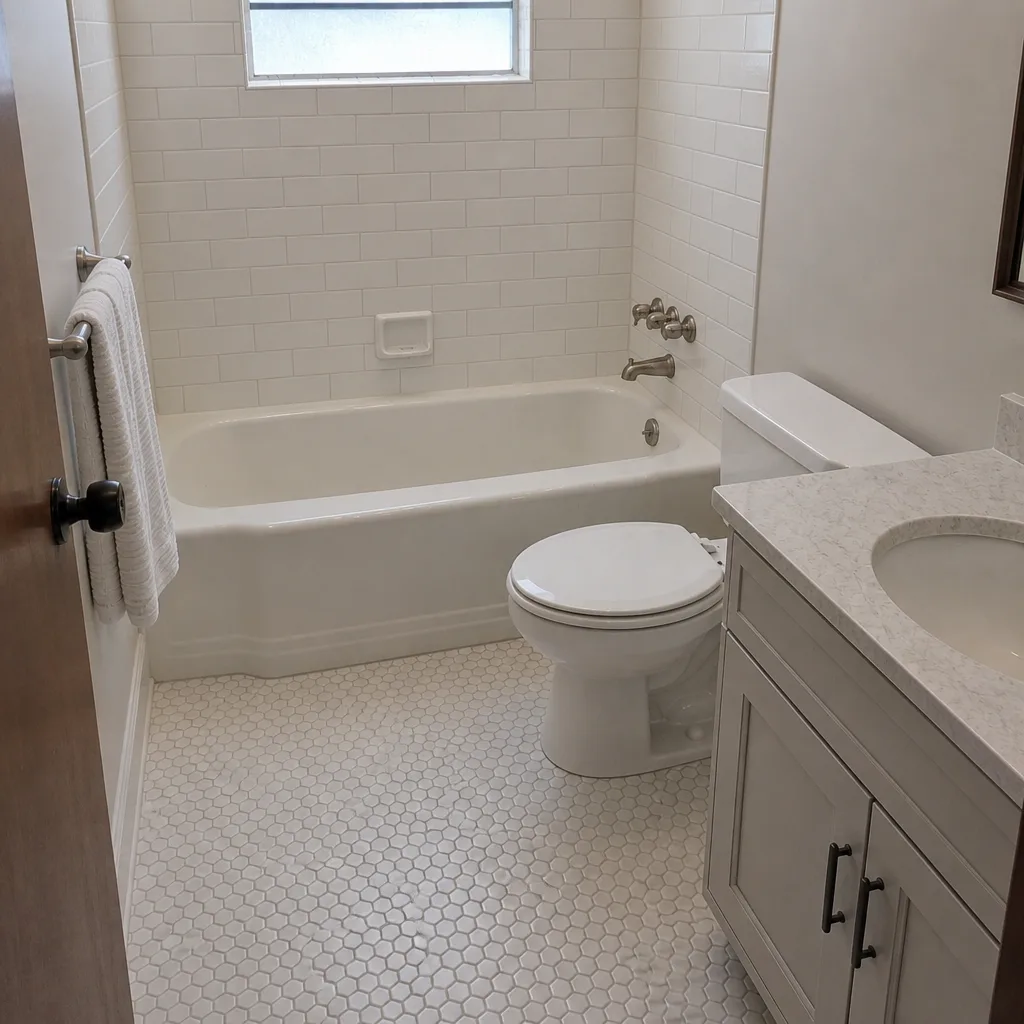
See the difference
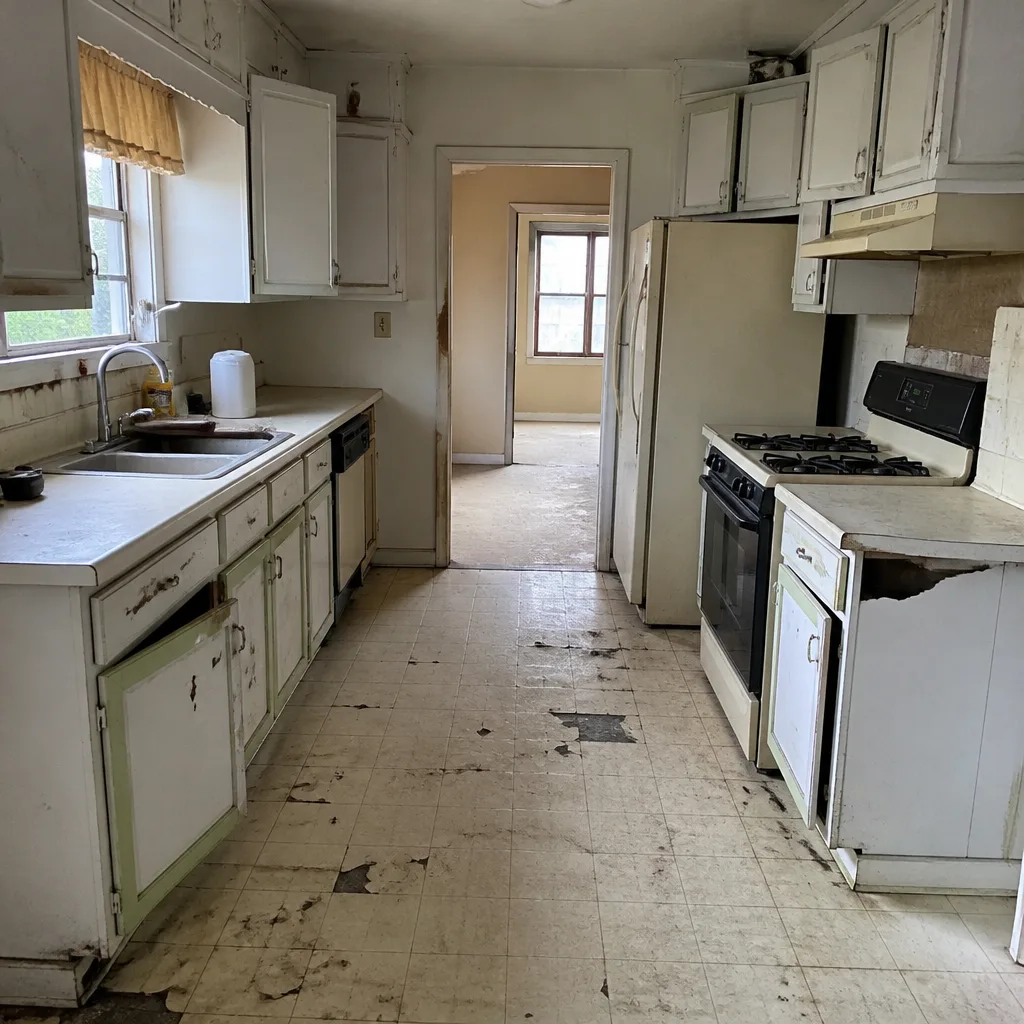 Before
 After
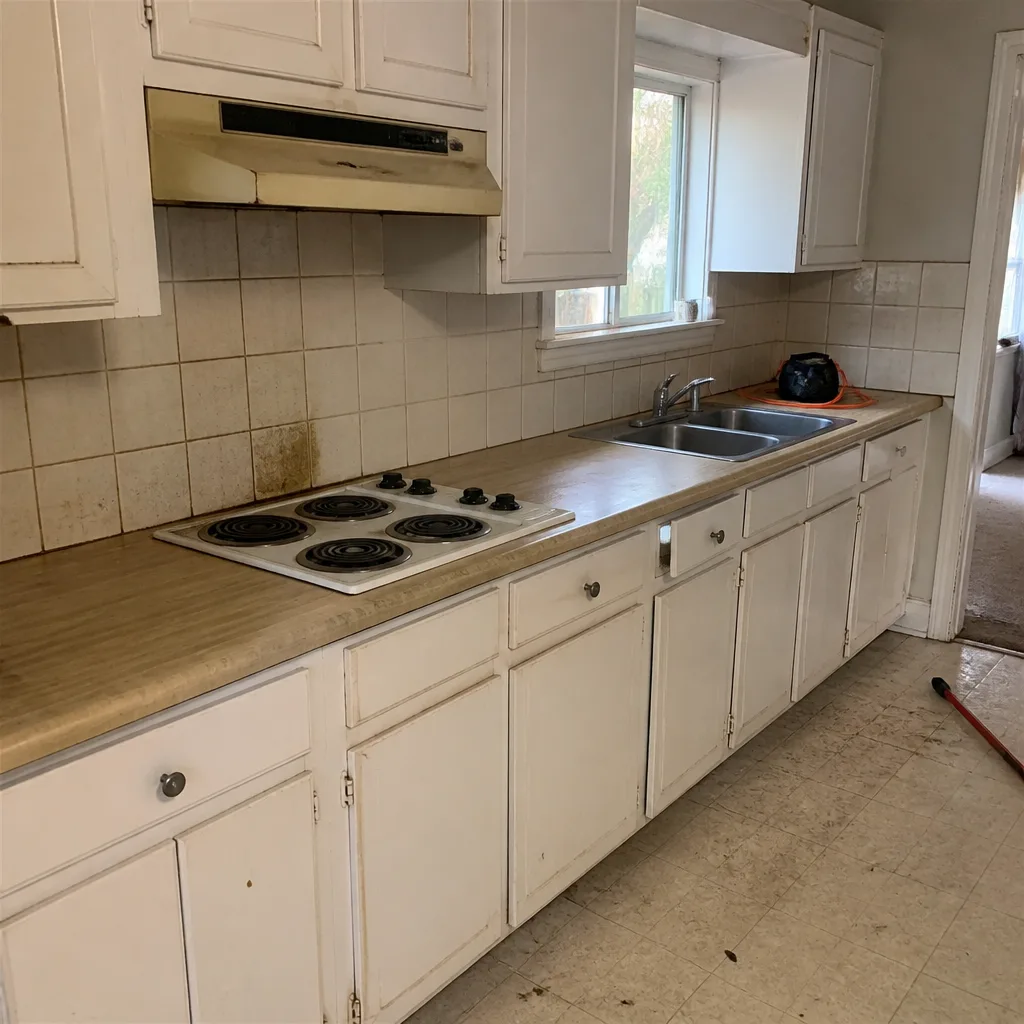 Before
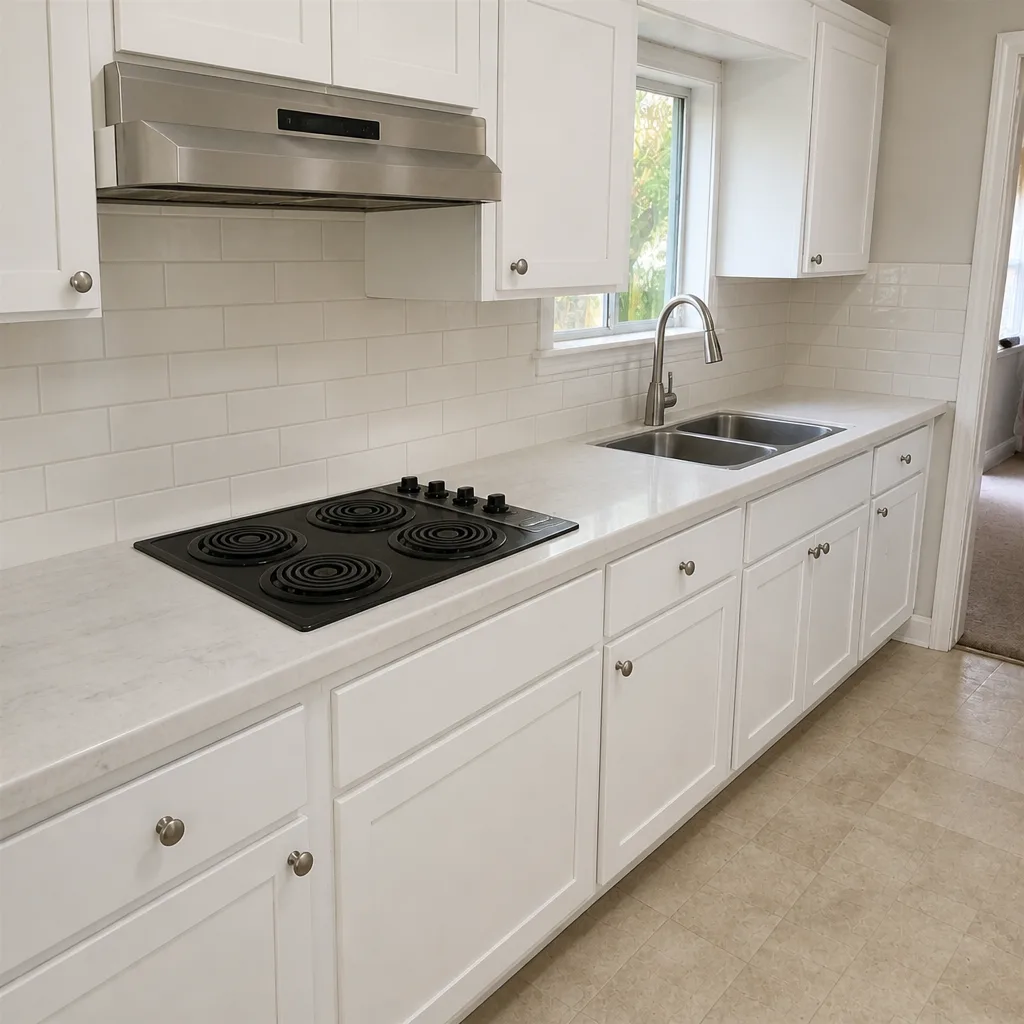 After
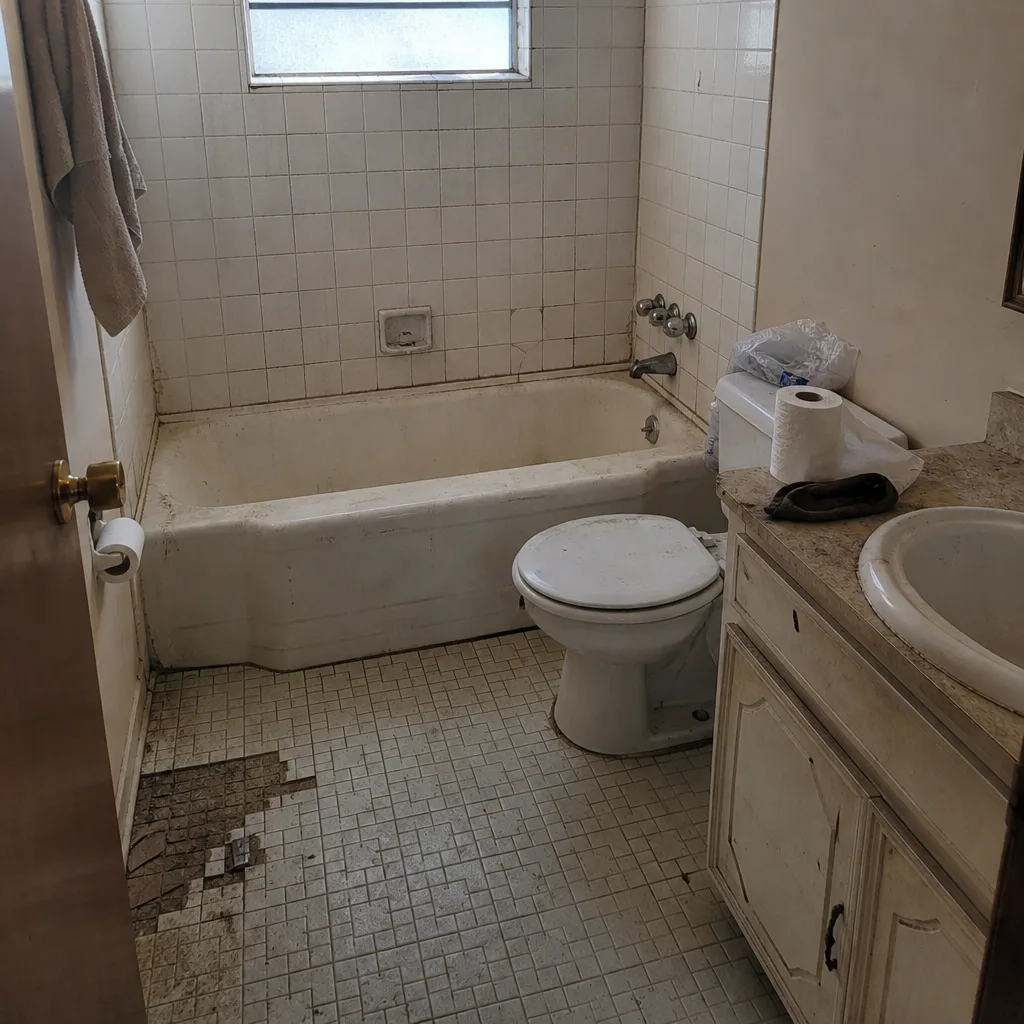 Before
 After
When to Call a Professional
If you find soft flooring, a bubbling ceiling below an upstairs bath, water staining at the base of a fixture, or a musty smell that keeps coming back after cleaning, call a professional this week. These are the signs where a small leak has very likely been active long enough to reach the framing. That’s the point where the repair stops being a patch and becomes a remodel, and the earlier you catch it, the smaller the scope. Other signs – a single cracked grout line, a slow drain, worn caulk – can wait for annual maintenance. If you’re unsure which category you’re in, that’s exactly what a free walk-through settles. Barrett & Sons Construction Irving offers free estimates in Irving – call (833) 991-4970. Every eligible job includes permits pulled and inspections signed, every scope change arrives as a written change order before work proceeds, and every completed job is backed by the 90-Day Done Right Promise.
Frequently Asked Questions
A persistent musty smell that returns within a day or two of cleaning is usually the earliest sign. It shows up before any visible staining because moisture reaches the wood, drywall paper, or vinyl backing before it reaches a surface you can see. If you smell it and can’t find a source, check the base of the toilet and the shower threshold next.
It’s serious enough to call a contractor this week, not next month. A soft spot means the subfloor has absorbed water long enough to weaken, and in many cases the water has been present for a year or more before you feel it. A failing wax ring is the most common cause, but the repair usually involves replacing the affected subfloor too. Call (833) 991-4970 for a free estimate on the repair scope.
No. A single hairline crack in a dry corner is cosmetic and can usually be regrouted and forgotten. The concern is cracking that keeps returning to the same line, widening over time, or clustering around a fixture. In Irving, clay soil movement makes that kind of repeated cracking more common than in some other areas, so it’s worth watching rather than ignoring.
Not legally or safely for most work. Plumbing relocations, electrical changes, and shower pan replacements generally require a permit and an inspection. We pull permits and get inspections signed on every eligible job because the inspector works for you, not for the contractor. If a bid comes in suspiciously low, the missing permit is often the reason – and it’s a problem that surfaces when you go to sell the house.
A slow leak can go undetected for around 18 months before you feel a soft floor, and the visible bubbling on a ceiling below usually shows up weeks to months after the leak starts. The timeline is why we treat persistent smells and soft spots as early warnings rather than minor annoyances. Moisture doesn’t rest; it keeps spreading through the framing until it’s addressed.
Bring the dated notes from your own walk-through, the age of the home, and any photos of signs you’ve spotted. If you can, know where the water shutoffs are. A free walk-through is the right time to ask about scope, allowances, and how change orders are handled. We put every scope and allowance in writing and issue any price change as a written change order before work starts – you’ll never get a surprise invoice at the end, because the allowance that isn’t on paper is a surprise waiting for a date.
The Bottom Line
Your bathroom tells you about damage two ways: with a whisper, and with a shout. The whisper is the musty smell, the soft spot, the grout line that reopens, the paint bubble on the ceiling below. The shout is the subfloor that has to come out and the framing that has to be repaired. This guide’s whole point is to help you hear the whisper while it’s still a small conversation. Most problems give you 60 to 90 days of visible warning, and often longer. Read the bathroom the way a contractor does, catch the small signs, and you’ll skip the expensive version of almost every repair. When you’re ready for a second set of eyes, start at our Barrett & Sons Construction Irving home, and let’s look at it together.
When you’re ready, call Barrett & Sons Construction Irving at (833) 991-4970 to schedule your free estimate. A live person answers the phone around the clock, never a voicemail box, and there’s no trip charge inside the county. Ask about the free second opinion on any written estimate, the $40 off any repair over $200, and the permanent 10% senior and veteran discount. We’ve been proud to serve local communities for over 29 years, and we publish our name, address, and license number so you can look them up before you sign anything. Every job gets its permits pulled, its inspections signed, and its work backed by the 90-Day Done Right Promise.
Written by the team at Barrett & Sons Construction Irving.