Last updated November 18, 2026

Free written scope consultation - allowances, timeline, and change-order rules on paper before a single trade is scheduled
Choosing the Right Construction Brand: A Buyer’s Guide for Irving
Most homeowners in Irving shop for construction materials the way they shop for a car: by the name on the hood. That works fine for a sedan. It fails badly for a roof. A shingle rated for 130 mph winds sounds like armor until you learn Irving’s real threat is hail, not straight-line wind, and those two ratings are measured on completely different scales. Two shingles sitting at the same price can carry a Class 3 versus a Class 4 impact rating, and one of them will survive a spring storm season in the DFW hail corridor while the other gets a new insurance claim. This guide translates brand specs into decisions that actually hold up against Irving’s UV load, its expansive clay soil, and attic temperatures that push past 110°F in July.
Quick Answer
The right construction brand for an Irving home is the one whose specs match local conditions, not the one with the biggest ad budget. For roofing, look for a Class 4 impact rating and a certified installer, because hail and installation quality matter more here than wind speed claims. For foundations and flatwork, the concrete mix design and rebar schedule matter more than the brand name, since Irving’s clay soil moves with every wet-dry cycle. For kitchens and baths, brands like Cambria and Kohler earn their place through warranty terms you can verify, not slogans.
Styles & brands we work with
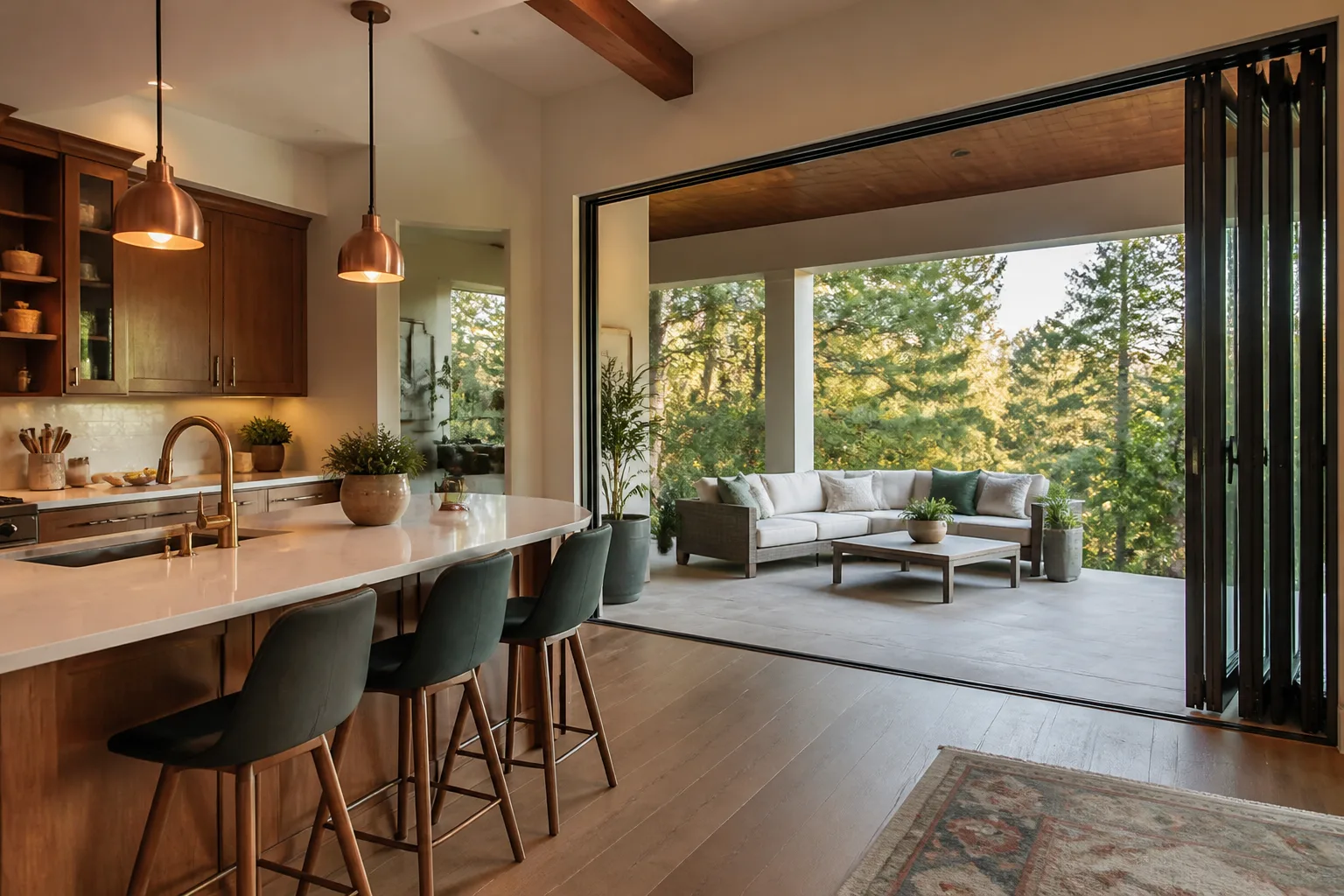
- Kitchen remodeling
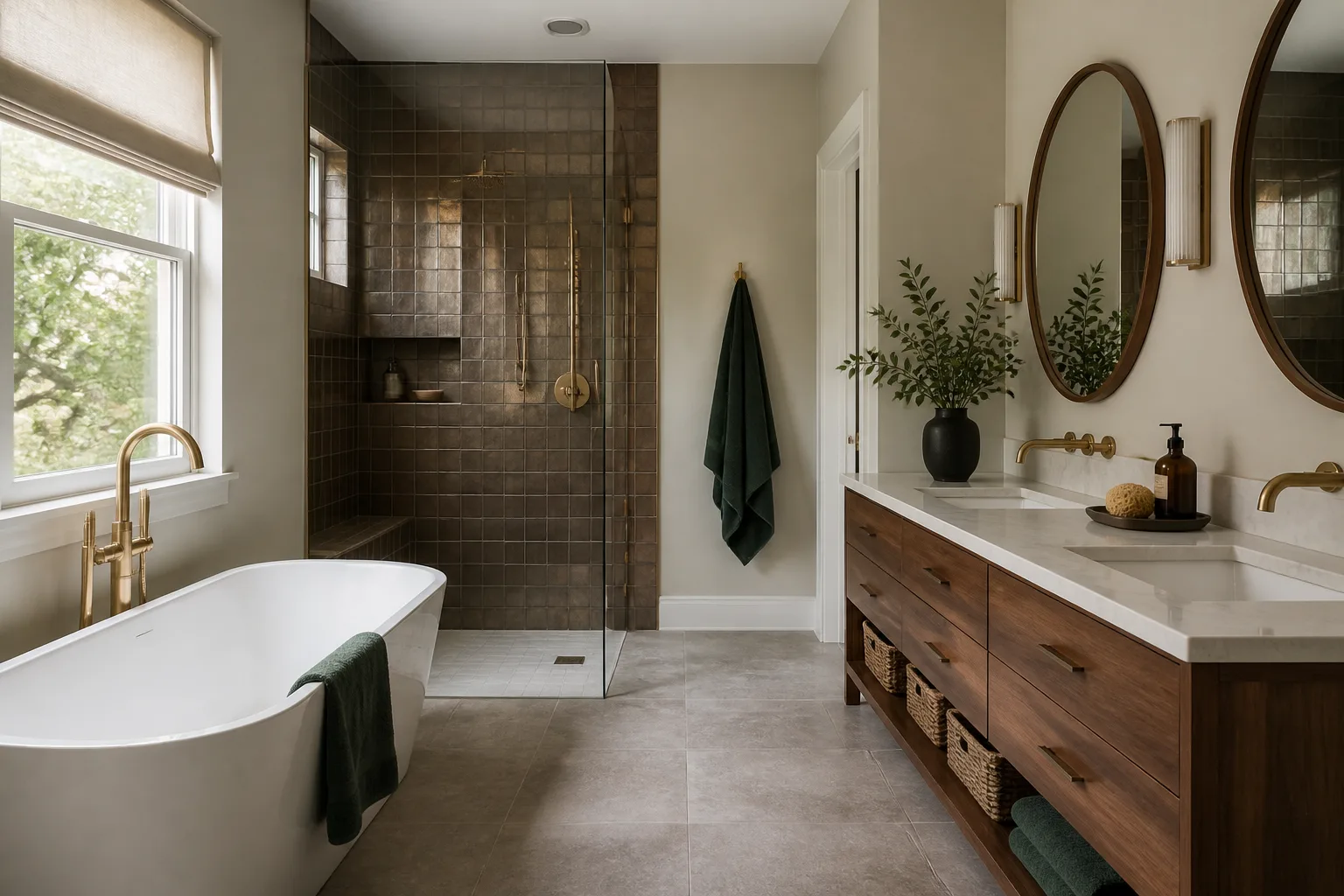
- Bathroom remodeling
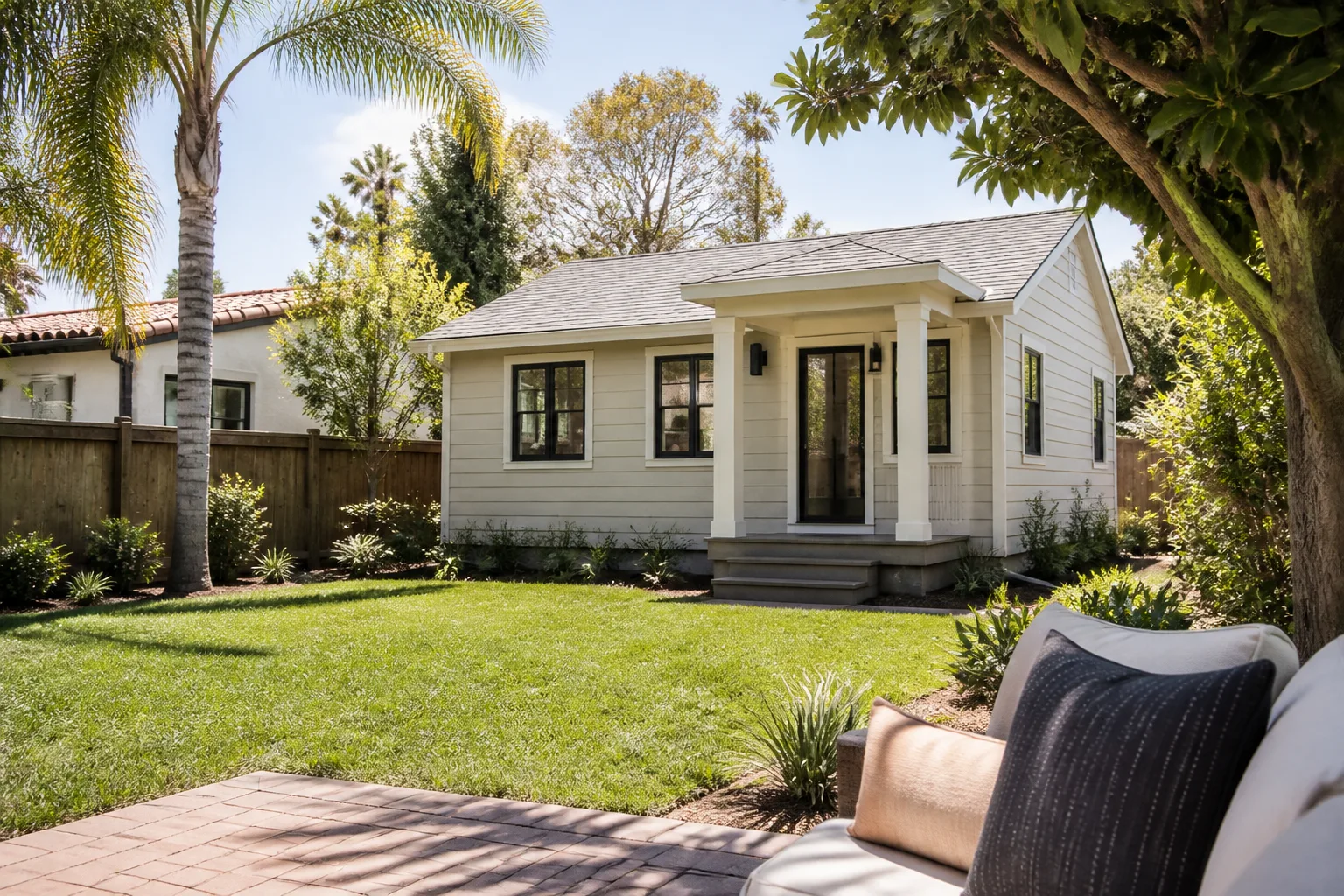
- Home additions & ADU
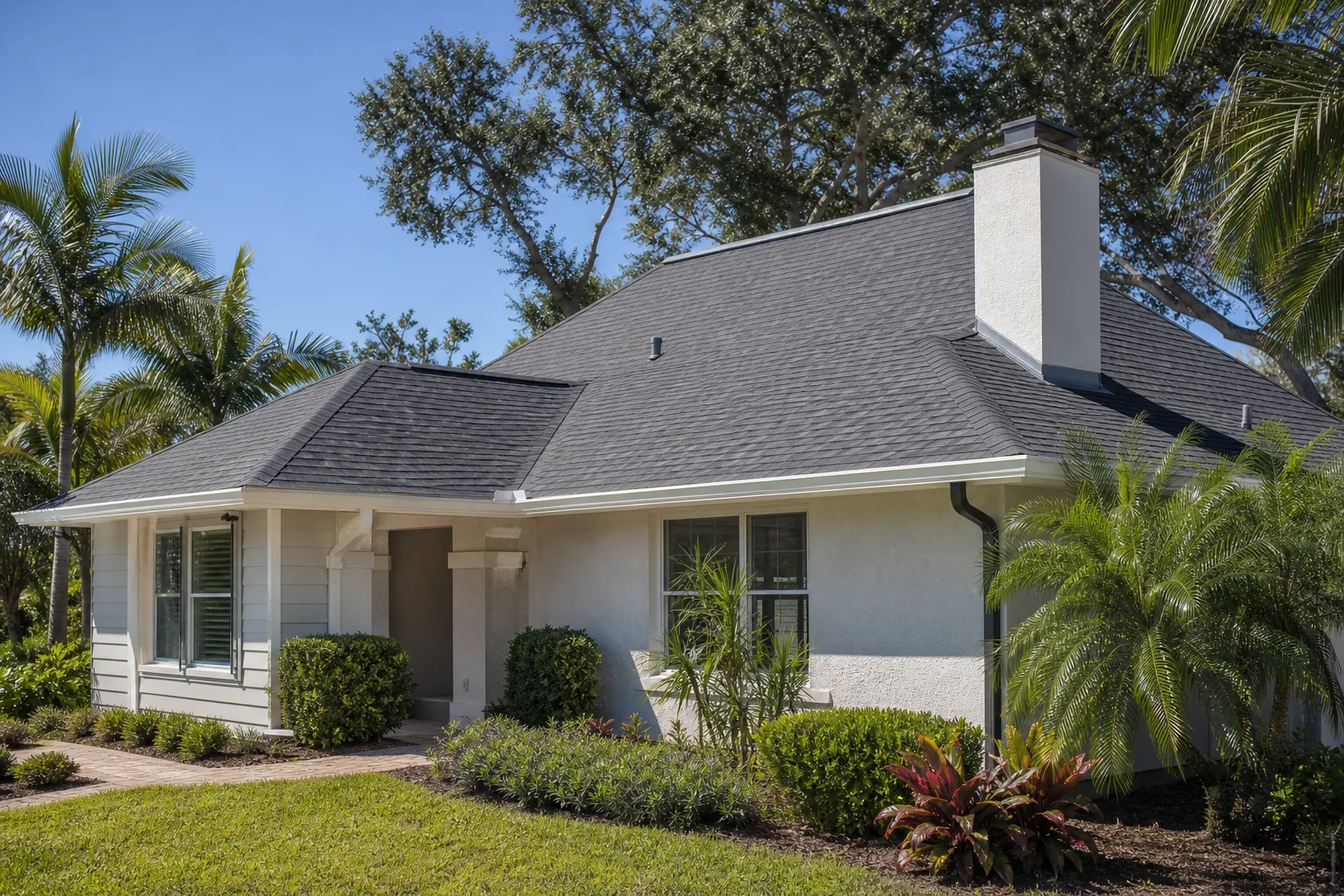
- Roofing
- Windows & doors
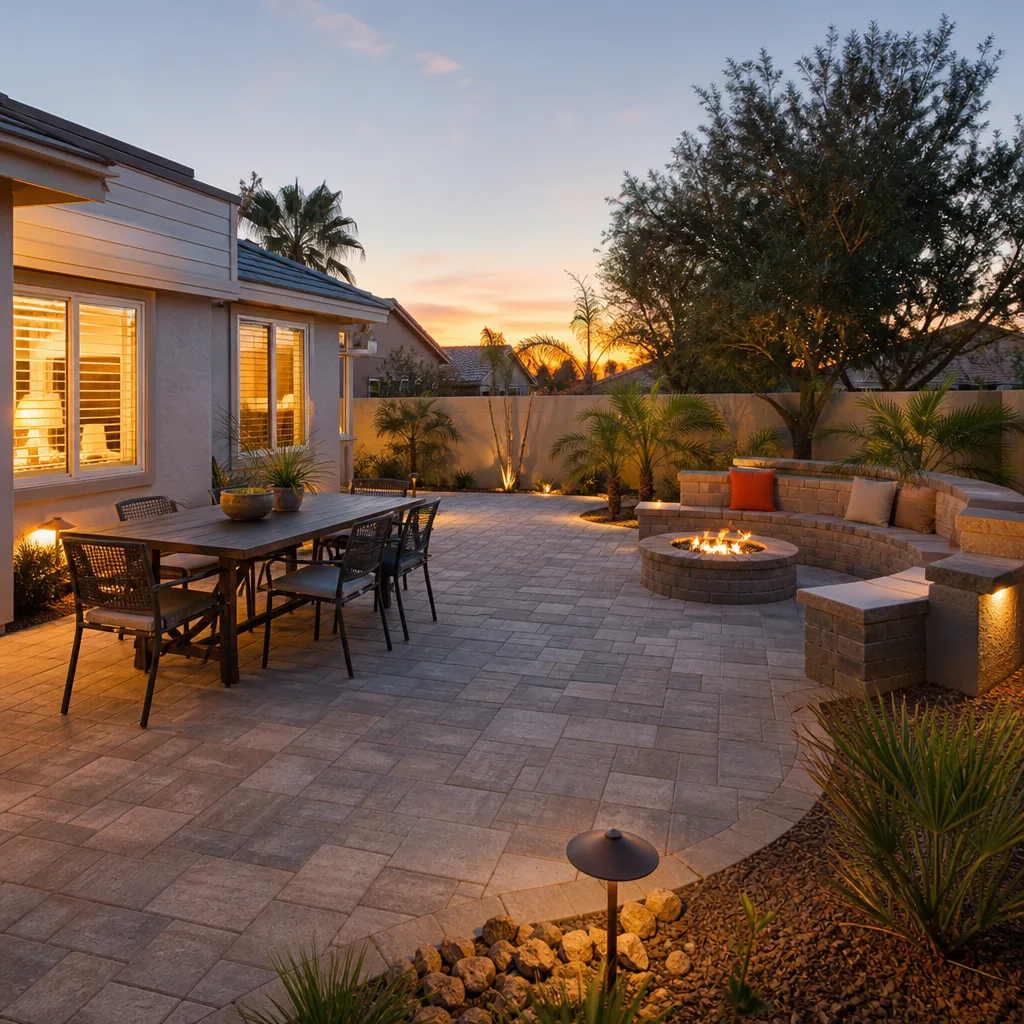
- Driveway & pavers
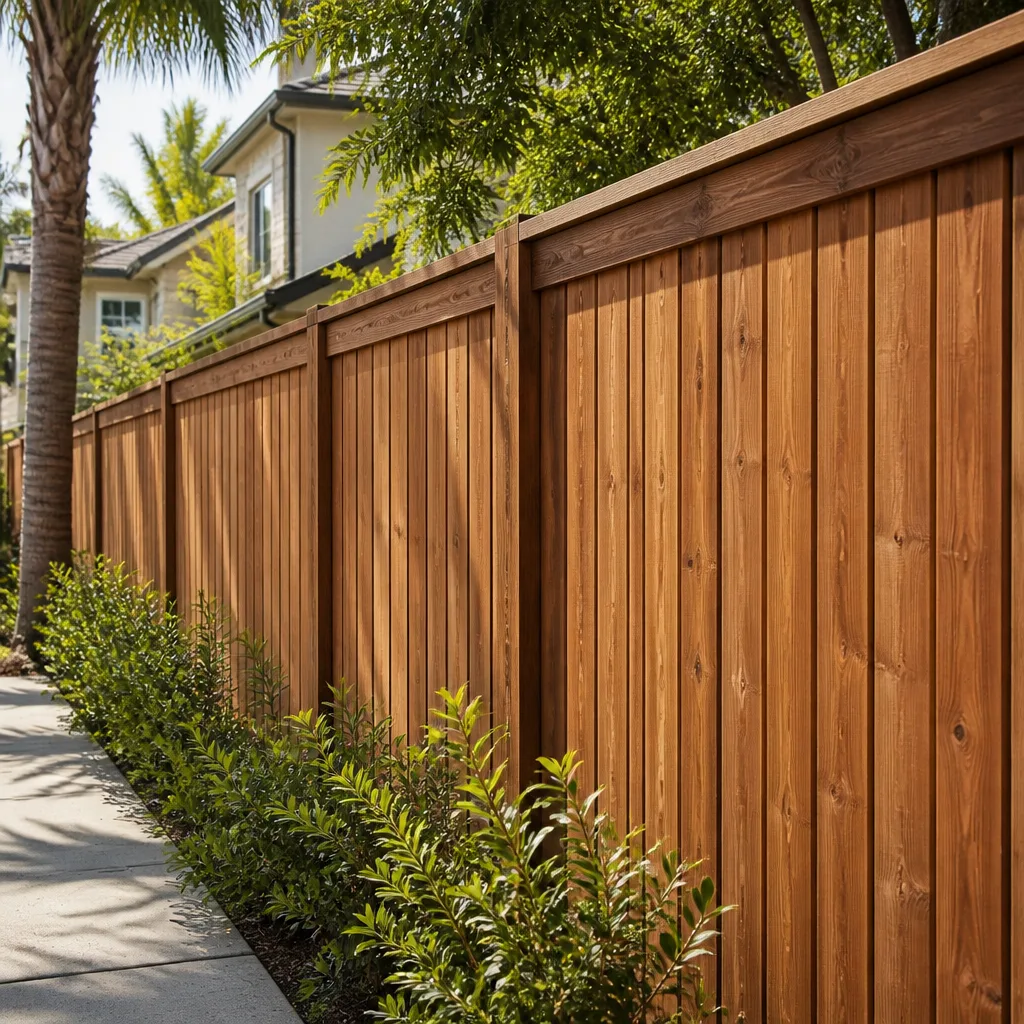
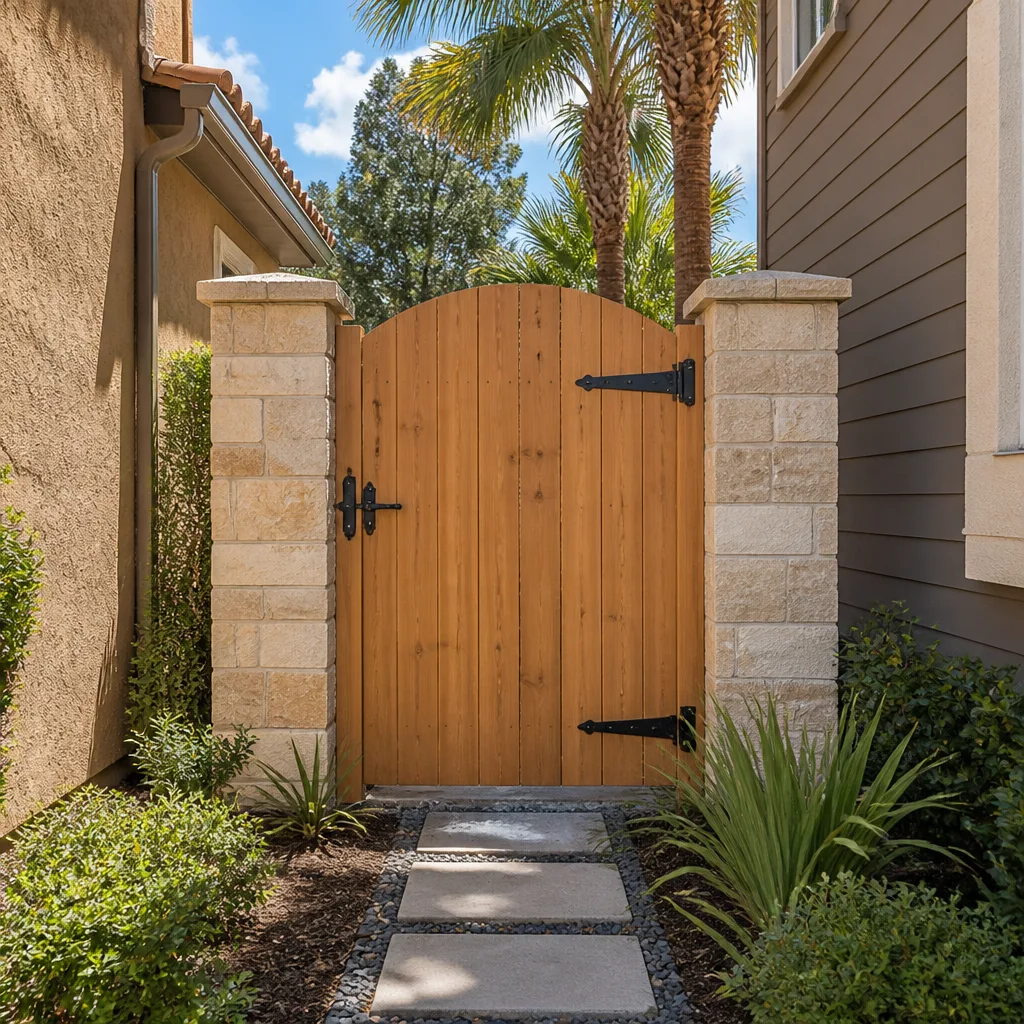
- Fence
Table of Contents
- Why Hail Ratings Beat Wind Ratings in Irving
- Concrete, Clay Soil, and the Specs That Actually Matter
- What “Lifetime Warranty” Really Means on Exterior Products
- Installer Certification: The Variable Brands Can’t Control
- The Brands We Carry and Why We Chose Them for North Texas
- UV, Heat, and the Products That Age Fastest in Irving
- A Step-by-Step Way to Compare Bids
- Common Mistakes to Avoid
Why Hail Ratings Beat Wind Ratings in Irving
When a product datasheet brags about wind uplift, it’s answering a question Irving rarely asks. Our damaging storms are hail events, and hail resistance is tested under a separate standard called UL 2218, which sorts products into four impact classes. Class 1 shrugs off a modest steel ball dropped from a set height. Class 4 takes the hardest hit in the test. The gap between them isn’t marketing; it’s the difference between a roof that dents and one that punctures.
Here’s why that matters to your wallet, not just your ceiling. Many Texas insurers now discount premiums for Class 4 impact-rated roofing, and some will pay a claim differently depending on the rating. Ask your carrier what they offer before you pick a shingle. A slightly higher material cost can pay itself back in a few premium cycles.
How to read an impact claim on a product page:
- Find the UL 2218 classification (Class 1 through 4). If it’s not listed, assume it isn’t rated.
- Check whether the Class 4 rating applies to the shingle alone or to the full system, including underlayment.
- Confirm the manufacturer’s warranty still holds if the installer isn’t certified. Many require certified installation for the enhanced warranty tier.
- Ask for the impact rating in writing on the bid, not just in the brochure.
We’ve watched Irving homeowners pay premium prices for wind-rated shingles that carry no impact rating at all. That’s a spec mismatch, not a bad brand. If you’re replacing a roof and want to see how material choice fits into a larger exterior plan, our Barrett & Sons Construction Irving home lays out how the trades connect.
Concrete, Clay Soil, and the Specs That Actually Matter
Irving sits on expansive clay, the kind that swells when it rains and shrinks hard in August. That soil movement is why driveways crack, sidewalks heave, and garage slabs develop spiderweb fissures within a few years. The brand on the concrete truck matters far less than two numbers on the spec sheet: compressive strength (PSI) and the rebar schedule.
A 2,500 PSI mix is the bargain-basement standard, and it will fail early on clay. A 3,500 to 4,000 PSI mix costs more per yard but holds up to seasonal movement far better. Rebar matters just as much. Mesh mats laid flat do very little once the slab starts to move; a properly tied #3 or #4 rebar grid set on chairs, with control joints cut at the right depth and spacing, is what keeps a driveway flat.
- PSI: ask for at least 3,500 PSI for driveways, 4,000 for anything carrying a heavy vehicle.
- Rebar: a tied grid, not loose mesh, set on chairs so it sits mid-slab.
- Base prep: compacted subgrade, not just dirt pushed around. Poor base is the quiet killer on Irving flatwork.
- Control joints: cut to a quarter of slab depth, spaced properly, or the cracks show up wherever they like.
When we quote paver or concrete work, the mix design and rebar schedule go in the written scope, not a verbal promise. If you’re weighing pavers against poured concrete, our Driveway & Pavers in Irving guide covers how each handles clay movement and what to expect on cost.
What “Lifetime Warranty” Really Means on Exterior Products
“Lifetime” in a warranty document almost always means the lifetime of the product as the manufacturer defines it, prorated, with exclusions. Read three things before you believe the word.
- Who it covers: the original buyer only, or any future owner? A transferable warranty adds real resale value when you sell an Irving home; a non-transferable one evaporates at closing.
- What it covers: material defects only, or labor too? Most cover material and leave you paying the crew to install the replacement.
- How it’s prorated: full value in year one, declining to a small fraction by year twenty. The headline number is rarely what you collect.
Transferability is the detail most sellers miss. If you’re planning to sell in five or ten years, a warranty that follows the house is worth more than a longer warranty that dies with you. Ask the manufacturer directly, in writing, whether the warranty transfers and whether a fee applies. We’ve seen exterior products with strong transfer terms become a genuine selling point at listing time, and we’ve seen “lifetime” products whose warranty was void the moment the original owner signed the deed.
In our experience, a written workmanship guarantee from the installer covers more of what actually goes wrong than a manufacturer’s material warranty does. Failures usually trace to installation, not the product. That’s the thinking behind our 90-Day Done Right Promise: if something’s not right, one call brings us back to make it right.
Installer Certification: The Variable Brands Can’t Control
A premium product installed wrong performs worse than a mid-grade product installed right. That single sentence should govern how you weigh brand against crew, because the best shingle, window, or countertop in the catalog is only as good as the hands setting it.
Manufacturer certification exists to close that gap. GAF and CertainTeed, for example, run certified installer programs, and the enhanced warranty tiers usually require a certified installer. A crew that isn’t certified may still install a fine roof, but you’ll lose warranty coverage you paid for in the material price. Certification is the manufacturer’s way of vouching for the installer’s training and workmanship standards, and it’s worth asking about on any exterior product.
How to verify before you sign:
- Ask for the installer’s certification status in writing, with the manufacturer named.
- Confirm the warranty tier you’re being sold actually requires that certification.
- Check that permits are being pulled. An inspector who signs off on the work protects you in a way no brochure can.
Permits are the part most burned homeowners wish they’d checked. A job done without permits is a job with no independent inspection, and that can surface years later at resale. Every eligible job we take on gets permits pulled and inspections signed. If you’re adding a structure, our Home Additions & ADU in Irving page explains where the permit process starts.
The Brands We Carry and Why We Chose Them for North Texas
We pick brands for how they hold up here, not for how easily they ship. Four examples of the thinking:
- GAF and CertainTeed roofing: both offer Class 4 impact-rated product lines and certified installer programs. In the DFW hail corridor, that combination is the whole point.
- Andersen and Marvin windows: strong glass and frame specs for high-UV, high-heat exposure, with warranty terms that survive a Texas summer.
- Cambria quartz countertops: non-porous, so it doesn’t stain or harbor bacteria the way natural stone can, and it handles kitchen heat and traffic without sealing.
- Kohler fixtures: consistent finish quality and parts availability, which matters when a cartridge needs replacing five years down the road.
None of this is about brand loyalty for its own sake. It’s about whether the product’s tested performance lines up with Irving’s actual enemies: hail, UV, heat, and clay movement. A brand earns its place on our list by surviving those, not by having the glossiest ad. For window and door swap-outs, our team can talk through glass ratings against your home’s sun exposure. Fence materials get the same treatment, and our Fence Installation in Irving guide covers which brands hold their color under relentless sun.
UV, Heat, and the Products That Age Fastest in Irving
Irving gets a lot of sun, and a roof or exterior wall absorbs it all day. Attic temperatures can climb past 110°F in July, and that heat does two things: it cooks roofing underlayment from below and it accelerates fade on paint, siding, and fence stain. Ultraviolet radiation breaks down polymers, which is why cheap exterior products chalk, crack, and fade faster here than the same product would two states north.
The practical takeaway is to favor products with explicit UV and heat ratings rather than generic “weather-resistant” language. For roofing, that means a proper underlayment and ventilation plan, not just a shingle. For windows, low-emissivity glass coatings cut solar heat gain and protect interior finishes. For anything painted or stained, ask which product line is rated for high-UV exposure. It’s a boring spec, and it’s the one that decides whether your fence looks new in five years or gray in two.
Ventilation deserves a mention. A hot, poorly vented attic shortens the life of the roof above it no matter which brand you bought. If your attic runs hot, that’s a conversation worth having before you spend on premium shingles.
A Step-by-Step Way to Compare Bids
Brand names only help if you compare bids the same way. Do it like this:
- List the exact product and model number on each bid, not just the brand.
- Note the impact rating, PSI, rebar spec, or glass rating side by side.
- Check whether each bid includes permits and inspections, in writing.
- Ask each contractor for the warranty tier and whether it requires installer certification.
- Compare the written scope line by line, including allowances for anything undecided.
- Confirm how price changes are handled. Ours always arrive as a written change order before work happens.
- Verify the license and address yourself, then make the call.
That last step filters out most of the trouble. An allowance that isn’t on paper is a surprise waiting for a date, and a bid missing its permits is a bid that’s cheaper for a reason. Compare on paper, not on the phone.
Common Mistakes to Avoid
- Buying on wind rating alone. Irving’s real risk is hail, and a wind rating says nothing about impact resistance. Check the UL 2218 class.
- Trusting a “lifetime” warranty without reading the transfer terms. A warranty that dies at closing is worth little if you plan to sell.
- Letting price decide the concrete mix. Saving a little per yard on a 2,500 PSI slab over Irving clay is a false economy; it cracks early.
- Skipping permits to save time. No permit means no inspection, and uninspected work surfaces at resale or after a storm.
- Ignoring installer certification. A premium product installed by an uncertified crew can void the enhanced warranty you paid for.
- Accepting verbal scope changes. Anything not written down becomes a dispute; get it in a change order before work moves.
- Choosing a name you can’t verify. A published license number and address you can look up beat a glossy brochure every time.
See the difference
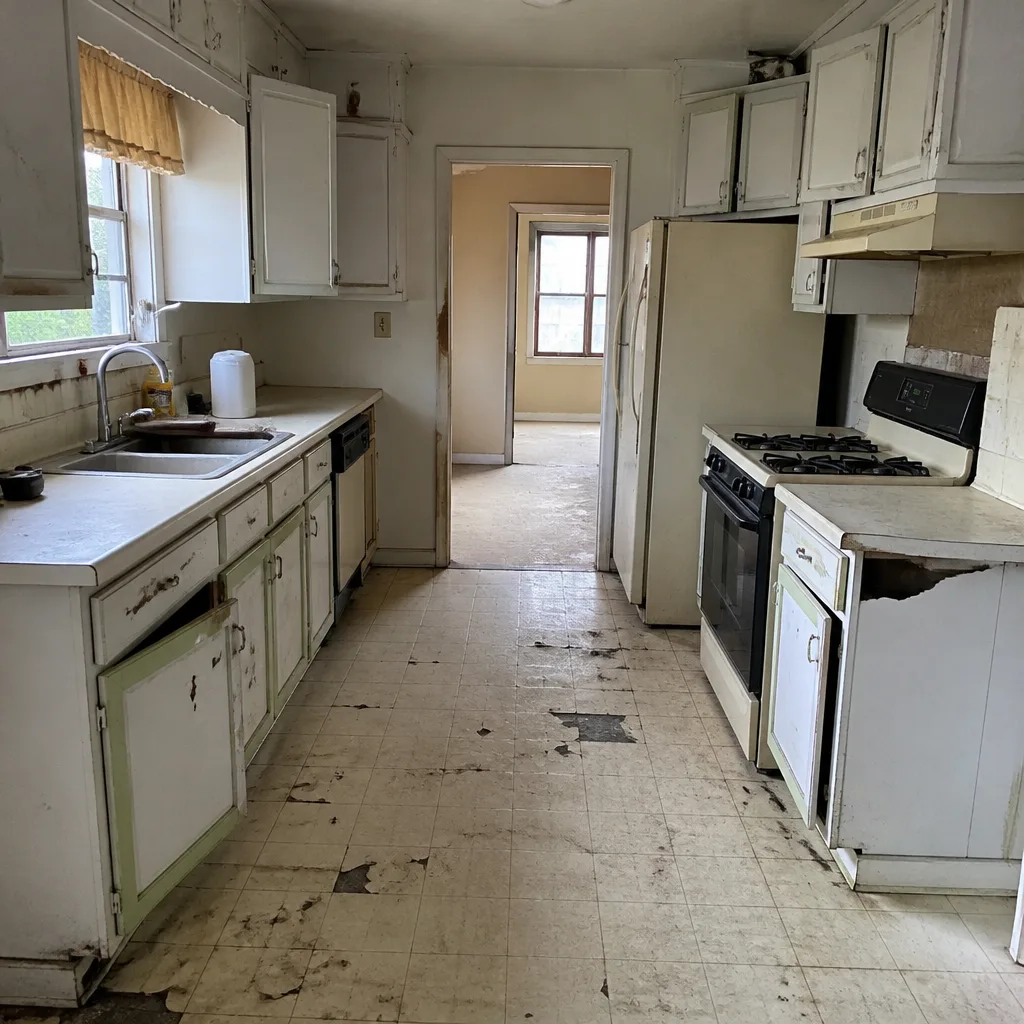 Before
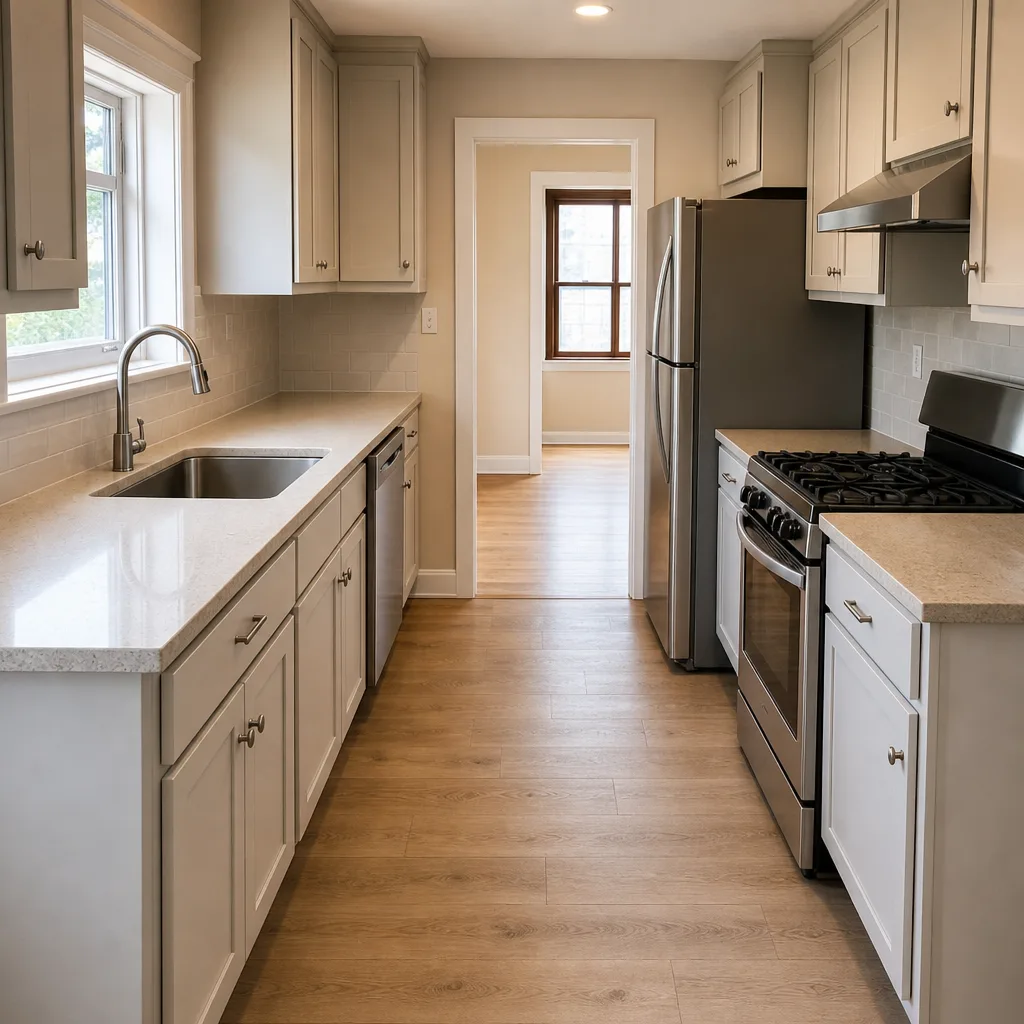 After
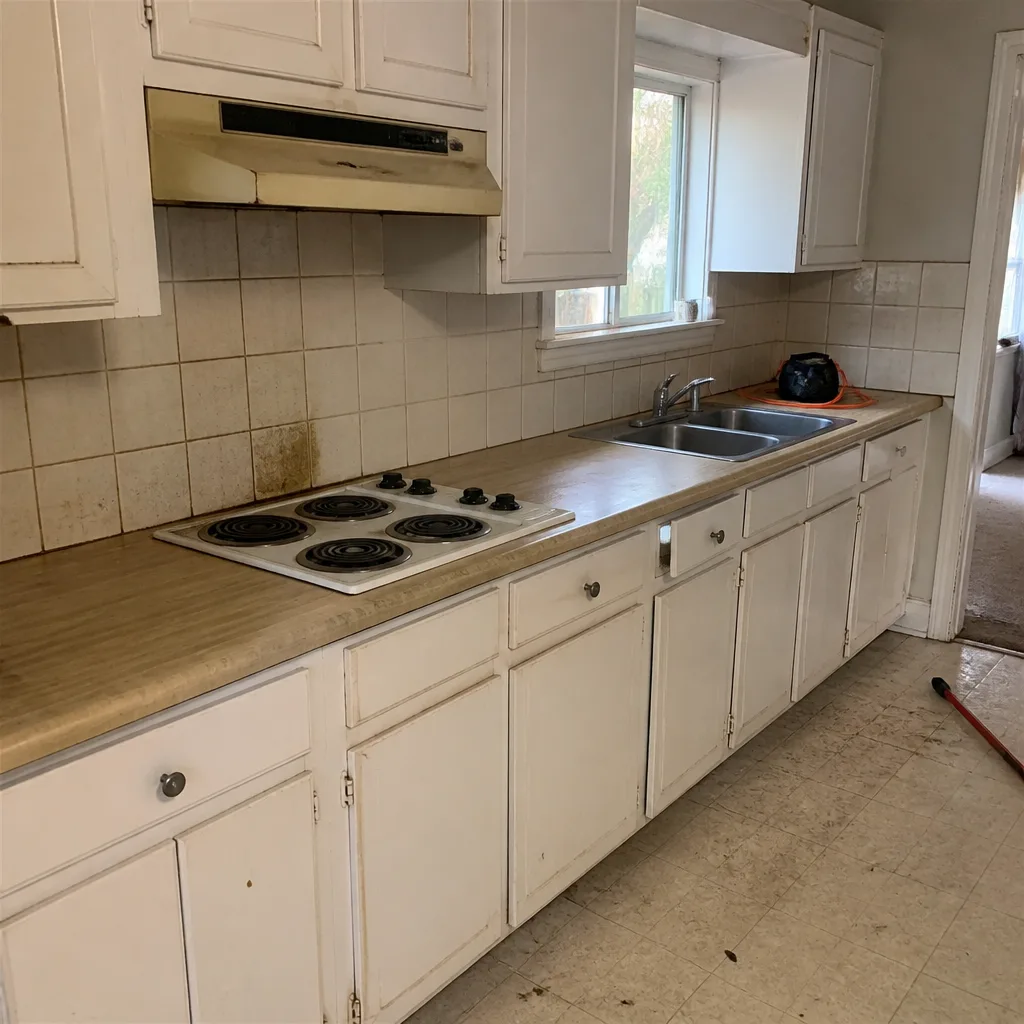 Before
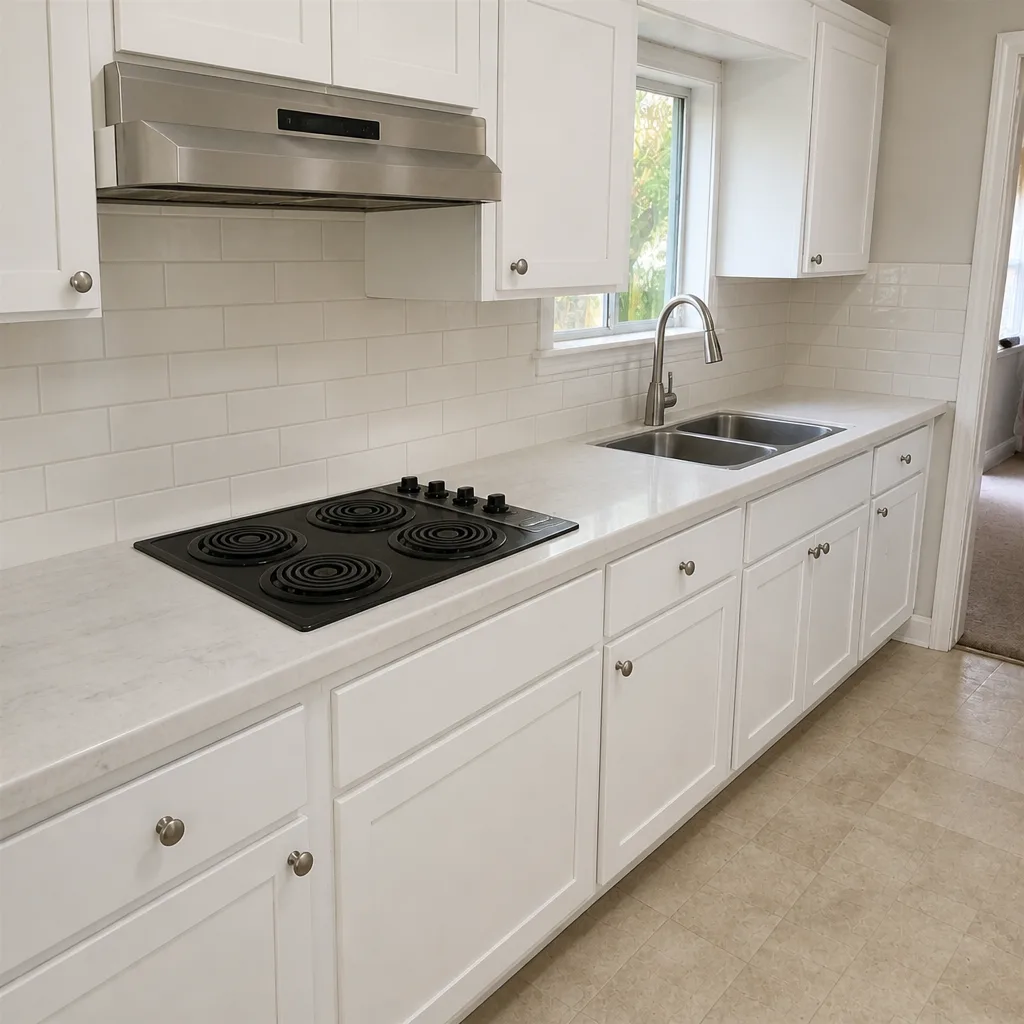 After
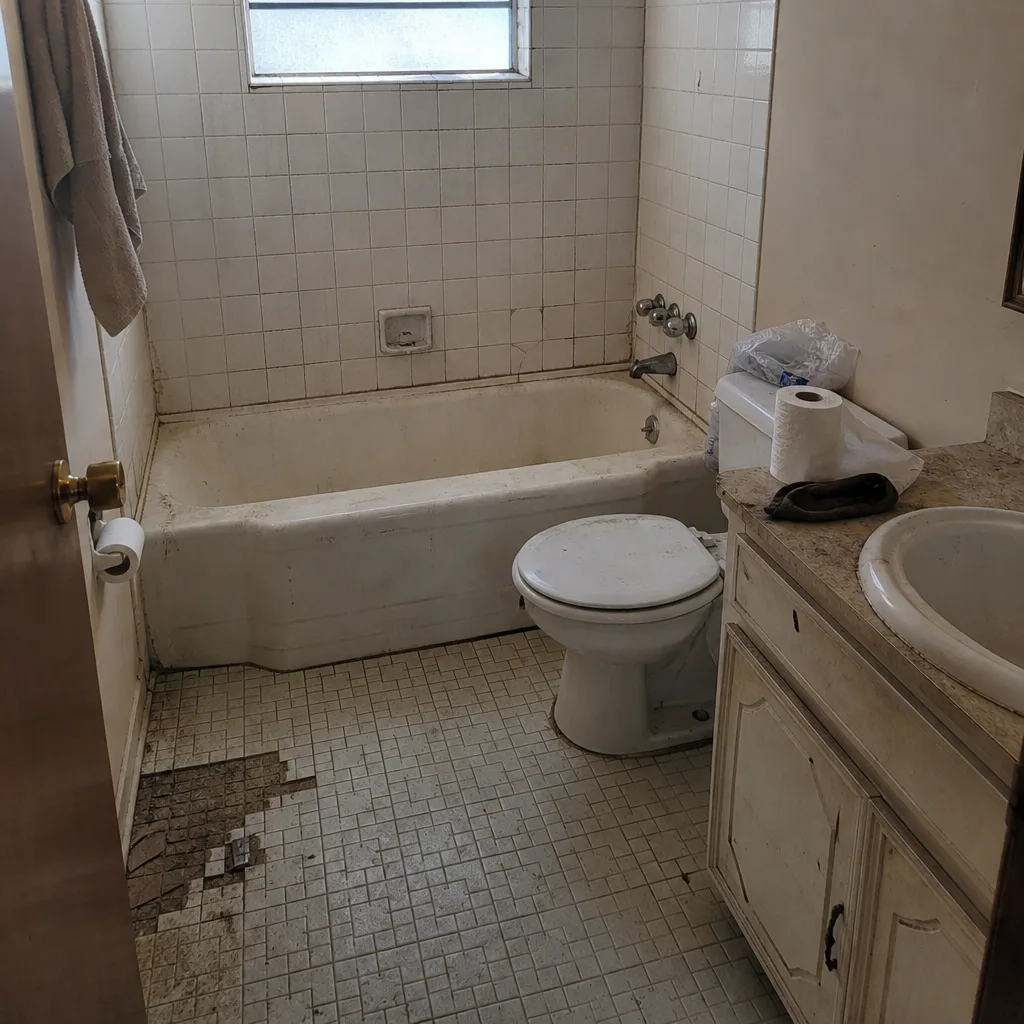 Before
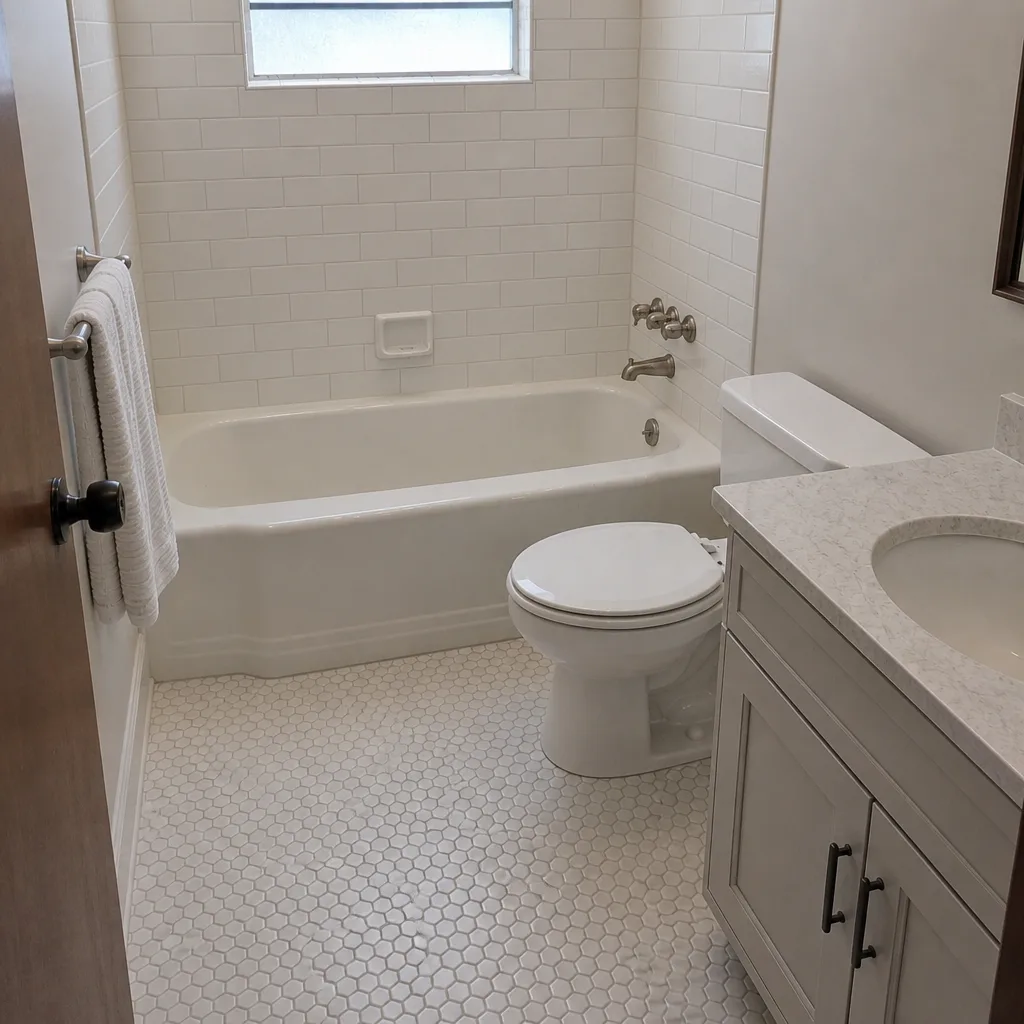 After
When to Call a Professional
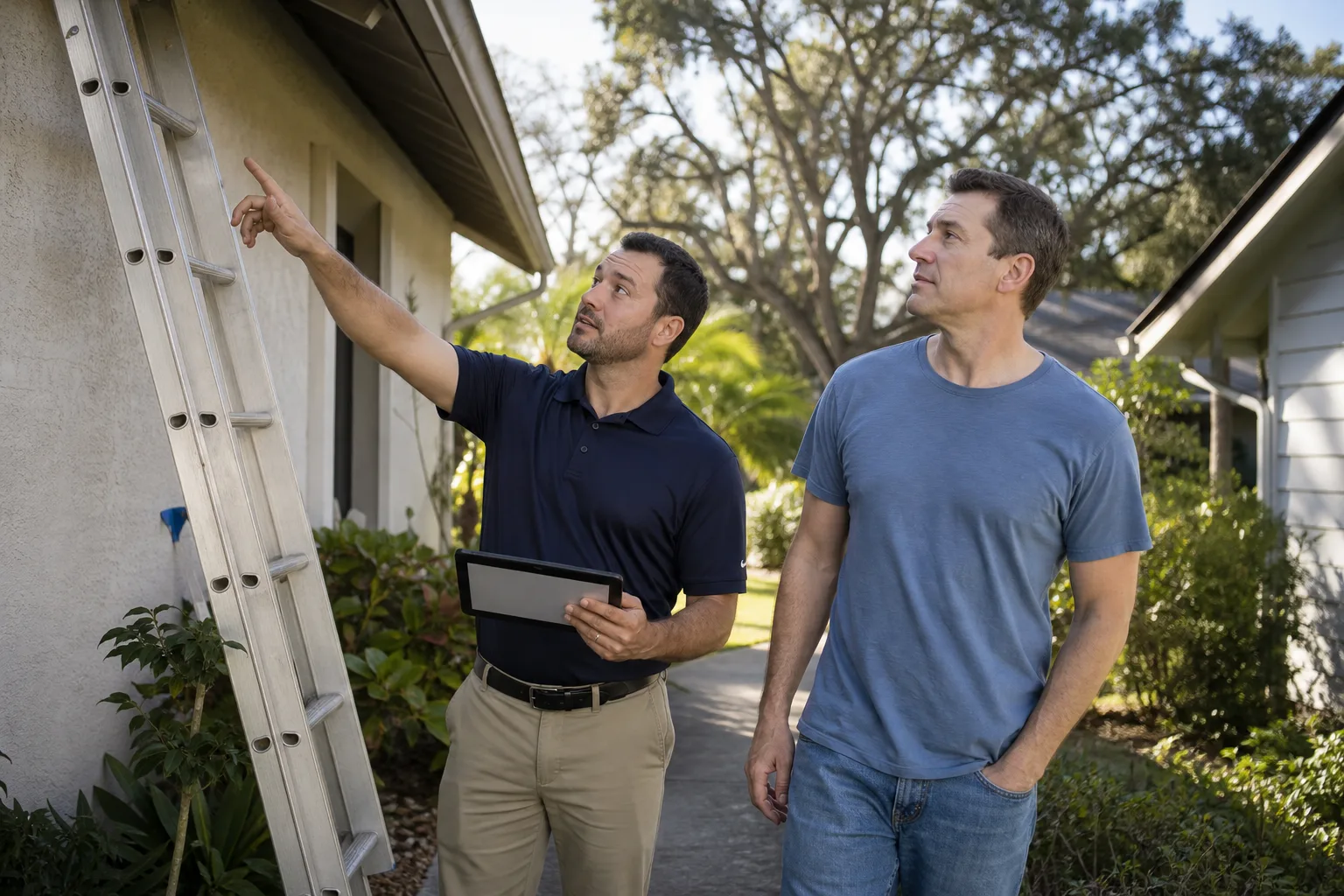
Some brand decisions are safe to make alone, like picking a paint color. Others carry real risk and belong with a trained professional: high-tension garage door springs and cables, electrical panel work, gas line connections, and steep-roof or height work should never be a weekend project. Roofing is the clearest example in Irving, where hail damage and heat wear need a proper assessment before anyone climbs up. Foundation and flatwork problems also deserve a look, since clay movement gets worse the longer it’s ignored. If you’re unsure whether a repair is a brand question or a structural one, that’s the moment to get a professional opinion. Barrett & Sons Construction Irving offers free estimates in Irving, with every scope and allowance in writing before work starts. Call (833) 991-4970 to schedule yours.
Frequently Asked Questions
There’s no single best brand, but the right choice carries a Class 4 UL 2218 impact rating and is installed by a certified crew. GAF and CertainTeed both offer Class 4 product lines worth comparing. Ask your insurer about premium discounts for impact-rated roofing, then call (833) 991-4970 for a free estimate with the rating spelled out in writing.
The installer matters more. A premium product installed wrong performs worse than a mid-grade product done right, and most warranty failures trace to installation. Look for manufacturer certification and permits pulled. Call us for a free estimate and we’ll walk you through the certification on each product line.
Cambria quartz is non-porous, so it resists staining and doesn’t need resealing, which suits a hot, busy Irving kitchen. Granite is durable too but requires periodic sealing. Compare on warranty and maintenance, then call (833) 991-4970 for a free second opinion on any written estimate.
Expansive clay soil swells and shrinks with the seasons, and an undersized mix with weak reinforcement fails early. A 3,500 to 4,000 PSI mix with a properly tied rebar grid and good base prep lasts far longer than a bargain 2,500 PSI slab. Call us for a free estimate on driveway or flatwork.
It depends on the product, and you have to ask in writing. Some transfer to a new owner for resale value, and others die with the original buyer. We put the warranty tier and terms in the written scope so you know before you sign. Call (833) 991-4970 with questions.
Many exterior and structural jobs require permits, and skipping them means no independent inspection, which can surface at resale. Every eligible job we take on gets permits pulled and inspections signed. Call us for a free estimate and we’ll tell you what your project needs.
The Bottom Line
The right construction brand is the one whose tested specs match what Irving throws at your home: hail, UV, heat, and clay movement. Read the impact rating, not just the wind rating. Insist on a concrete mix and rebar schedule that survive soil movement. Check whether a “lifetime” warranty actually transfers, and weigh installer certification as heavily as the logo on the box. Verify the license and address yourself, keep every scope and allowance in writing, and compare bids line by line instead of on the phone. Do that and the brand name becomes what it should be: a fact you can check, not a promise you have to trust. Call (833) 991-4970 for a free estimate in Irving.
Written by the team at Barrett & Sons Construction Irving.