Last updated November 18, 2026





Free written scope consultation - allowances, timeline, and change-order rules on paper before a single trade is scheduled
Construction Permits, Codes & Inspections in TX: What You Need to Know
Here’s the part that surprises people: Texas has no statewide residential building code. None. The state hands cities the authority to adopt their own model code and then write their own amendments on top of it. That means a permit package that sailed through in Fort Worth can get kicked back in Irving for reasons printed nowhere in any statewide guide. Irving adopted the 2021 International Residential Code with local amendments, and those amendments are what actually get enforced on your street. In this guide we’ll walk through which Irving projects need a permit, where to find the amendments, how to track an application online, what unpermitted work does to your insurance and title, and why skipping a rough-in inspection can force demolition instead of a small re-inspection fee.
Quick Answer
In Irving, most structural, electrical, plumbing, and mechanical work requires a permit, and the job must be built to the 2021 International Residential Code plus Irving’s local amendments. Skimping on the permit doesn’t make the work invisible. It surfaces at inspection, at resale, or at claim time, and the fix is usually demolition and a full re-do rather than a paperwork correction.
Styles & brands we work with
- Kitchen remodeling
- Bathroom remodeling
- Home additions & ADU
- Roofing
- Windows & doors
- Driveway & pavers
- Fence
Table of Contents
- Why local amendments matter more than the state code
- Which Irving projects need a permit (and which ones don’t)
- The Irving amendments most people miss
- How to track an Irving permit application online
- What unpermitted work does to your insurance and title
- The Irving inspection sequence, step by step
- Why skipping a rough-in inspection means demolition
- How to choose a contractor who pulls the permit
Why Local Amendments Matter More Than the State Code
Texas leaves residential code to the cities. The Texas Property Code gives municipalities the power to adopt building standards, and most of the metroplex has landed on some version of the International Residential Code. The base code is the same document across the region. The amendments are where the cities part ways, and the amendments are where jobs get red-tagged.
What an amendment can change: how far a fence can run from a property line, what foundation reinforcement is required for our clay soils, which window glazing is accepted on certain exposures, how a driveway apron ties into the right-of-way. Irving’s amendments live in the city’s Development Code and in the code adoption ordinances posted through the city’s Building Inspections division. Every contractor working in Irving has to read them, not remember them. We pull them up per project because they get revised, and a revision you didn’t see is a failed inspection you didn’t plan for.
The practical upshot: the code your contractor memorized for a job in Garland last year may not match what Irving’s inspectors are enforcing on your street today. Ask any contractor you interview which code cycle Irving is on and where they check the amendments. If you get a blank look, you’ve just learned something useful about that contractor.
Which Irving Projects Need a Permit (and Which Ones Don’t)
The safe answer for most homeowners: if it touches structure, wiring, gas, water lines, or the building envelope, assume a permit is required until the city tells you otherwise. Irving permits cover a much wider swath of work than most homeowners expect. Here’s the breakdown.
Almost always requires a permit:
- Any addition or new square footage, including an ADU or garage conversion
- Roof replacement or any re-roofing that changes the covering system
- Window or door replacement (irreversible, structural, or in some cases all of them, depending on scope and egress)
- Any wall moved, removed, or added that affects load paths
- Electrical panel swaps, new circuits, or any work beyond a fixture swap
- Plumbing rough-in changes, water heater replacements, and gas line work
- HVAC replacements and duct modifications
- Fences over a height threshold, and fences placed in an easement
- Driveway and hardscape work that changes drainage or the right-of-way apron
The gray area homeowners get burned on: work they assume is exempt because a previous contractor said so. A fence replacement, a new driveway, an ADU conversion, a patio cover, a detached workshop. Each one has Irving-specific conditions that can force a permit. If you’re wondering how this plays out at your address, our Barrett & Sons Construction Irving home team walks through the exceptions and helps you sort the permit decision before you sign a contract.
The Irving Amendments Most People Miss
The base 2021 IRC covers general construction. Irving’s amendments tighten it for our region’s conditions. Here’s what we’ve run into most often across jobs in Las Colinas, Valley Ranch, South Irving, and the older neighborhoods off Irving Boulevard.
Foundation and soil amendments. North Texas clay expands and contracts with moisture swings, and Irving’s amendments reflect that. Slab reinforcement, foundation drainage, and the required post-tension or rebar spacing will trip up a contractor working from the base code alone. If your addition or ADU plan doesn’t show the soil assumptions, expect a correction during plan review.
Drainage and grading. Irving enforces stormwater runoff requirements tied to lot grading and hardscape. A new driveway or a patio that pushes water onto a neighbor’s lot can fail the site review even when the construction is solid. We see this most on the tight lots in older South Irving neighborhoods.
Egress and window replacement. When you replace windows, the egress requirements for bedrooms don’t change, but the replacement size and sill height can. A window swap that shrinks the opening fails the egress check, and you won’t find that in the base code because the amendment ties it to the original permit of record.
Fence height and placement. Irving’s fence amendments address height and placement within easements and sight triangles. A six-foot fence is usually fine in a backyard; the same fence running along a corner lot’s sight triangle isn’t. Our Fence Installation in Irving page covers the local fence conditions in more depth.
Gas and mechanical. Permits are required for water heater and furnace replacements in Irving, and the mechanical inspection includes venting. A contractor who slides a new unit into the same closet without checking clearances will be writing a change order.
How to Track an Irving Permit Application Online
Irving runs its permitting through the city’s online portal. If a contractor tells you they pulled a permit, you should be able to look it up in about two minutes.
- Pull the permit number off your contract or the card your contractor gave you. If there’s no number, there’s no permit yet.
- Log into the city’s permit search portal and search by address or permit number.
- Check the current status: application accepted, plan review, issued, inspections, or finaled. Each one means something specific.
- Review the inspection history. If the inspections are blank and the work started two months ago, you have a problem.
- If the application has stalled in plan review for more than the city’s stated review window, call the Building Inspections division. Stall usually means a correction is outstanding on the contractor’s side, not the city’s.
The most common stall is a missing engineering letter or a plan set that doesn’t address drainage. That’s on the contractor. Ask for the correction letter and a written timeline for resubmittal. In our experience, a stalled permit looks the same from outside as an abandoned one, and the homeowner only finds out at resale.
What Unpermitted Work Does to Your Insurance and Title
Unpermitted work doesn’t stay a private matter. It shows up in two places that matter.
Homeowners insurance. Carriers ask whether the roof, the addition, the electrical, and the plumbing were permitted and inspected. If your roof claim comes in and the insurer discovers the roof deck was replaced without a permit, they can reduce the payout or deny the claim as non-compliant work. The same is true of water damage tied to an unpermitted plumbing rough-in. This is the scenario where a $9,000 roof replacement becomes a real-estate attorney conversation instead of an insurance claim.
Title search at resale. When you sell, the title company runs a permit history against the property and the buyer’s lender orders an appraisal. The appraiser’s report states finished square footage, and if that square footage doesn’t match the county record because the addition was never permitted, the lender can refuse to fund. A buyer who wants an FHA or VA loan on a property with unpermitted work will hit this wall faster than a cash buyer. The typical resolution is either a retroactive permit (if the city allows one) or a price reduction equal to the buyer’s cost of tearing it out and rebuilding it properly.
The point isn’t to scare you. It’s to put a number on the downside. A permit pulls a plan through review, brings an inspector who works for you, and leaves a paper trail that follows the house for as long as it stands.
The Irving Inspection Sequence, Step by Step
Irving inspections follow a specific order, and the order exists because each phase covers work that gets buried by the next one. Here’s what a typical residential job runs through.
- Foundation or slab inspection. Before the concrete pours. Rebar, vapor barrier, and forms get signed off, then the pour proceeds.
- Rough-in framing. Framing, sheathing, and any structural connections inspected before the walls close.
- Rough-in electrical, plumbing, and mechanical. Wiring, drain lines, water lines, and ducting inspected before insulation and drywall.
- Insulation and drywall. Insulation value and installation checked before drywall screws go in.
- Final electrical, plumbing, and mechanical. Fixtures, terminations, and equipment in place and operational.
- Final building inspection. The completed job inspected against the approved plan, including egress, handrails, and smoke and CO alarms.
- Certificate of occupancy. Issued at the final for additions and ADUs. Without it, the space can’t legally be occupied.
For a roof, the sequence is simpler but no less mandatory: the permit is posted, the installation is inspected for decking attachment and underlayment, and then the final. For a driveway or hardscape, the site review and final tie back to the drainage plan approved at permitting. You can see how this plays into a bigger addition on our Home Additions & ADU in Irving page. The same sequence applies to a new driveway: Driveway & Pavers in Irving outlines the drainage-side requirements most homeowners don’t foresee.
Why Skipping a Rough-In Inspection Means Demolition
Here’s the specific failure that costs the most money. The rough-in inspection happens before drywall goes up. It’s the only window an inspector can see the wire routing, the drain slope, the venting, and the structural connections without opening the walls back up. If the work proceeds past that point without an inspection, the inspector’s options are limited: they can’t sign off on work they couldn’t see. The correction is to open the walls, expose the rough-in, get the inspection, and close it again.
That’s not a re-inspection fee. That’s demo, debris haul-out, reinsulation, drywall repair, trim, and paint. On a bathroom remodel in Irving, that sequence can add several thousand dollars and a couple of weeks. On a kitchen, more. We’ve seen homeowners pay twice on a project because the first contractor didn’t schedule the rough-in, and the wall was already primed.
The fix is procedural: don’t let the drywall go up until the rough-in sticker is on the wall. Ask your contractor to text you the inspection approval before the walls close. We do this on every job because it protects the homeowner from a decision they’ll make once and shouldn’t have to make again.
How to Choose a Contractor Who Pulls the Permit
The permit question is a simple filter that eliminates a lot of bad options before you sign anything.
- Ask for the license number in writing. A contractor who publishes a name, an address, and a license number is someone you can look up. Someone who can’t provide it isn’t.
- Ask who pulls the permit. It should be the contractor, not you. If they ask you to pull it as a homeowner permit, that’s a warning sign about how they handle accountability.
- Get the scope, allowances, and price changes in writing. An allowance that isn’t on paper is a surprise waiting for a date. Every scope change should be a written change order before the work happens, not a line on the final invoice.
- Confirm the crew. Background-checked crew members on every visit, uniformed, and identifiable. The person in your house should be someone the company can vouch for.
- Ask what happens if the job isn’t right. The answer should be in writing. A 90-Day Done Right Promise on the contract is how a real guarantee reads, not a phone script.
We carry Wellborn cabinets in kitchens and Cambria quartz on counters on the high-end work, and both are materials you can look up so you know exactly what’s being installed. Not every job needs premium, but no job should involve mystery materials off a van. If you’re choosing between bids and one is vague on the permit, the price difference usually answers itself when the inspector shows up.
Common Mistakes to Avoid
- Assuming a permit is optional for “small” work. Fence replacement, water heater replacement, and window swaps all fall under Irving permitting conditions. The assumption is where most retro-permit applications start.
- Letting drywall go up before rough-in inspection. The inspection window closes the moment the walls close. Re-opening them is demolition, not paperwork.
- Trusting a contractor’s memory over Irving’s current amendments. The base IRC doesn’t include the local amendments, and the amendments change. Anyone working from memory is working from a version that might be two cycles old.
- Skipping the site drainage check on drives, patios, and grading. Irving enforces stormwater requirements against the site plan, not just the structure. A great driveway that grades against the house fails the final.
- Pulling a homeowner permit to save money. When the work fails an inspection, you become the responsible party with no recourse against the contractor who installed it.
- Not verifying the permit online. A number on a contract isn’t a permit. A search result showing the permit issued and inspections logged is a permit.
- Ignoring what a stall in plan review means. A stalled permit almost always means an unanswered correction on the contractor’s desk. Ask for the correction letter.
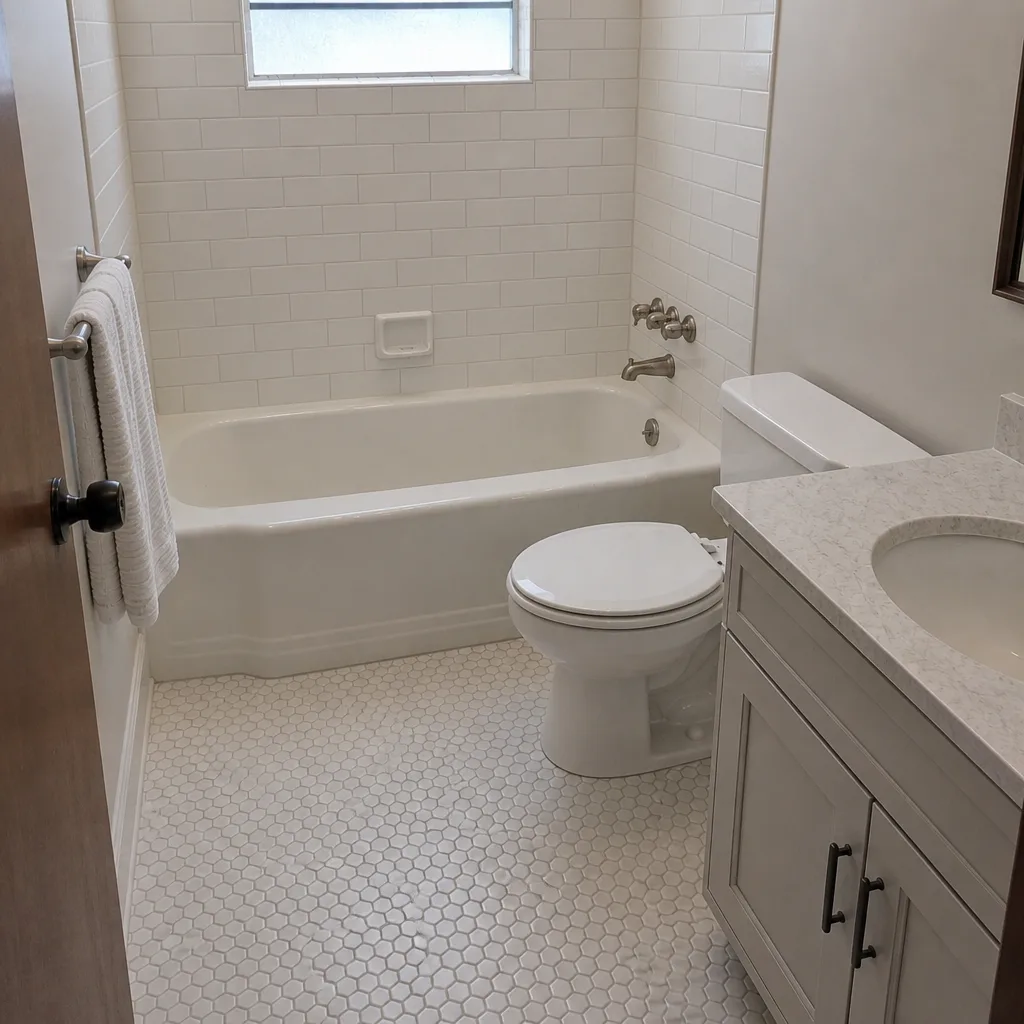
See the difference
 Before
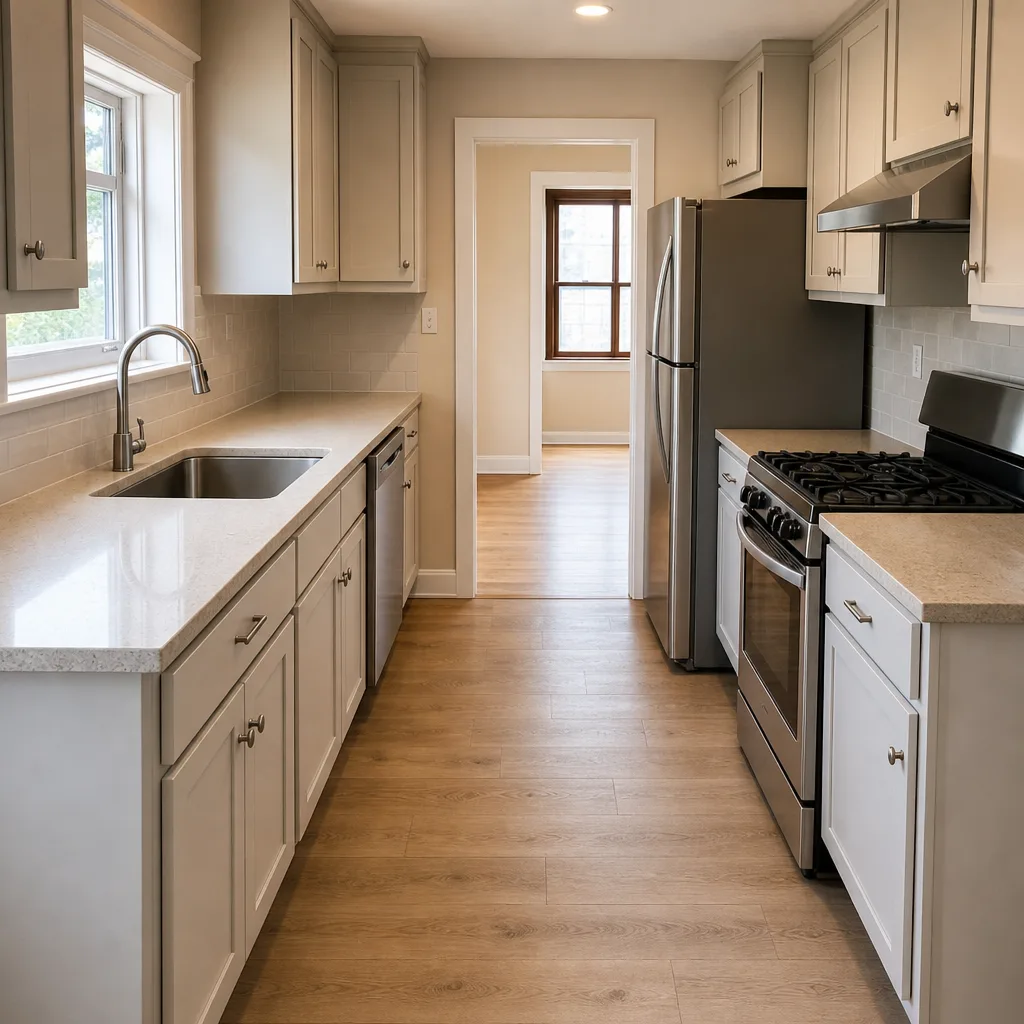 After
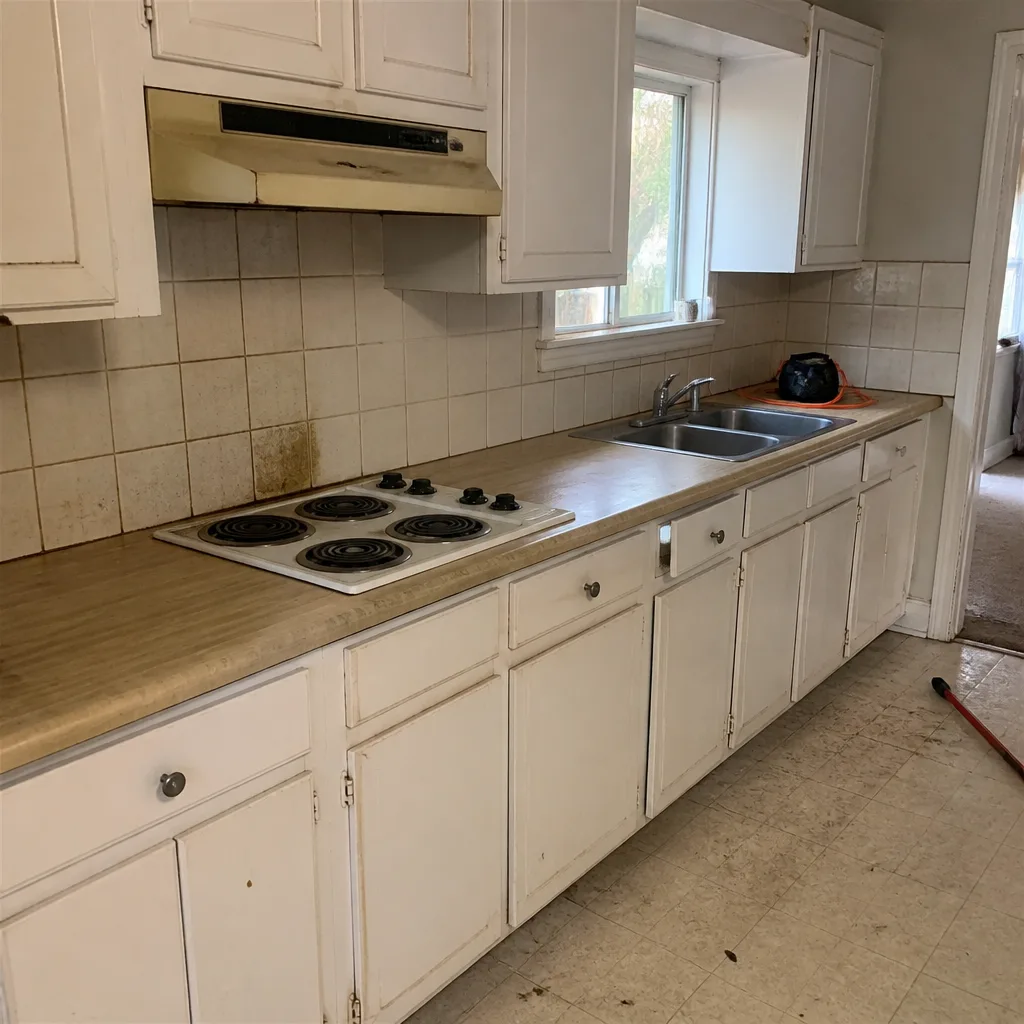 Before
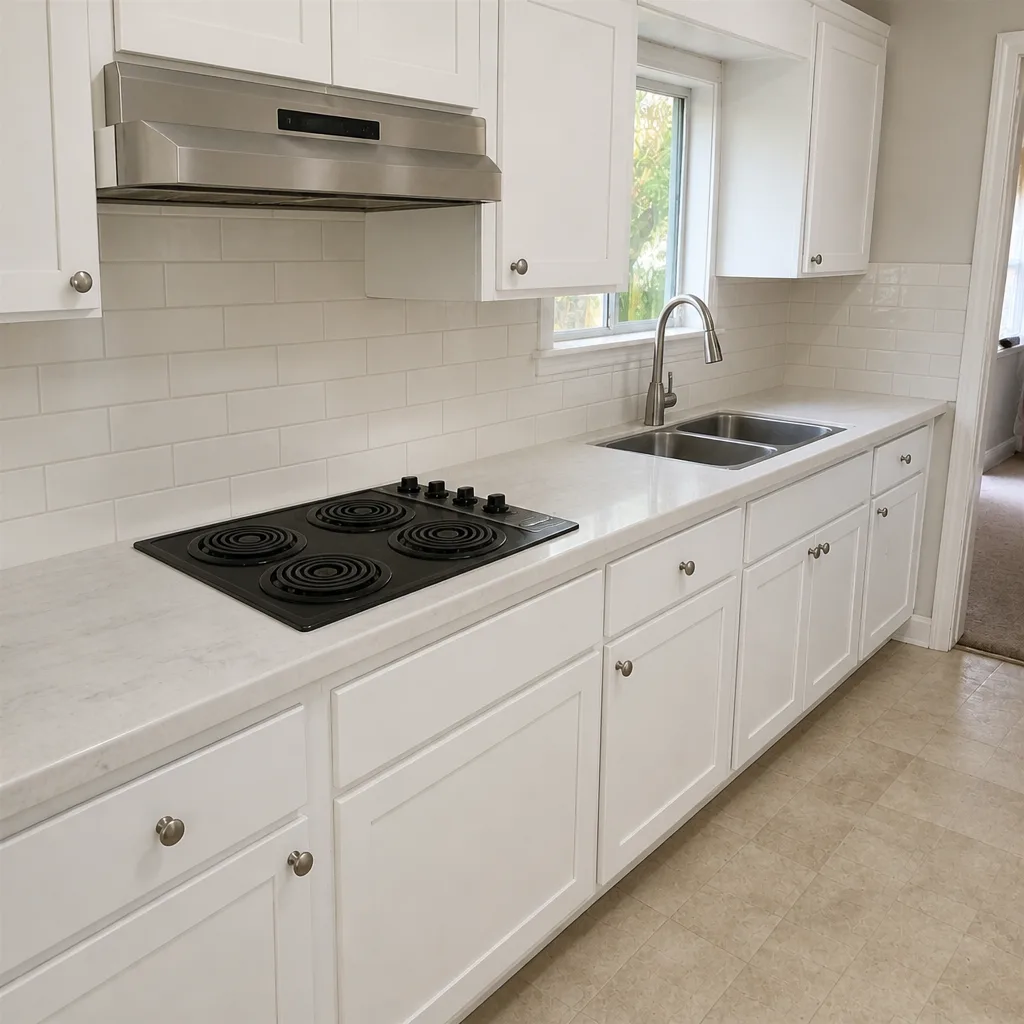 After
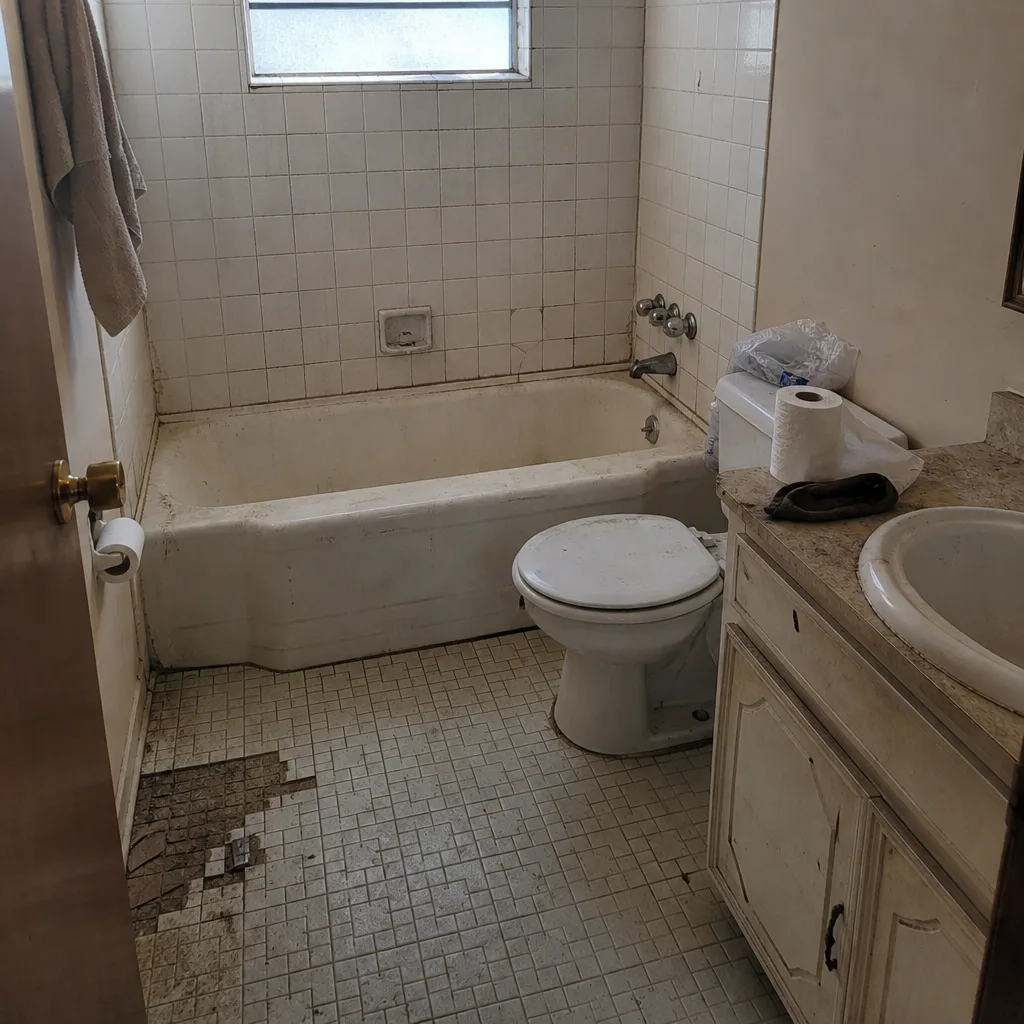 Before
 After
When to Call a Professional
Call a professional when the work touches structure, wiring, gas, water lines, or the building envelope, and call before you sign, not after the wall comes down. The specific scenarios: any addition or ADU that requires plan review, a kitchen or bath remodel that moves plumbing or electrical, a roof or window replacement where egress and attachment details matter, a driveway or hardscape that changes stormwater flow, and any project where a previous contractor left work that doesn’t have a permit of record. Those are the jobs that benefit most from a contractor who pulls the permit and schedules the inspections in the right order. Barrett & Sons Construction Irving offers free estimates in Irving and pulls permits and schedules inspections on every eligible job. Call (833) 991-4970 to schedule your free estimate.
Frequently Asked Questions
In Irving, permits are required for additions and ADUs, roof replacements, window and door replacements, structural changes, electrical work beyond simple fixture swaps, plumbing changes and water heater replacements, HVAC replacements, gas line work, fences above the city’s height threshold or in an easement, and driveways and hardscapes that affect drainage or the right-of-way apron. If it touches structure, wiring, gas, water, or the building envelope, assume a permit is required until the city confirms otherwise. Call (833) 991-4970 for a free estimate and we’ll help you sort the permit question before you sign.
No. Texas has no statewide residential building code. The state grants cities the authority to adopt their own model code and local amendments, which is why Irving can adopt the 2021 IRC with amendments while a neighboring city enforces different ones. The code cycle and the amendments are both set at the city level. A contractor who works across the metroplex has to check per city, not from memory. Call (833) 991-4970 to talk through your project.
The work gets discovered at insurance claim time, at resale during the title search, or during a routine inspection of an adjacent permit. The typical outcomes are a claim reduction or denial on the unpermitted portion, a lender refusing to fund the sale, or a retroactive permit requirement with inspection and correction work. The correction often includes opening walls, which is demolition, not paperwork. Call (833) 991-4970 for a free estimate on doing it right the first time.
Yes. Irving’s permit portal lets you search by address or permit number, check the current status, see the plan review stage, and review the inspection history. If the permit has stalled in plan review, the cause is usually an outstanding correction on the contractor’s side. Ask for the correction letter and a written resubmittal timeline. Call (833) 991-4970 if you need to untangle a stalled permit.
Because the rough-in inspection is the only chance the city has to see the wiring, plumbing, and structural connections before the walls close. If drywall goes up first, the inspector can’t verify the work, and the correction is to open the walls, expose the rough-in, and close them back up: demo, haul-out, reinsulation, drywall, trim, and paint. Ask your contractor for the inspection approval before drywall, in writing. Call (833) 991-4970 to schedule a free estimate with a contractor who schedules every inspection in order.
It can. The title search and the appraisal both surface the permit history and the recorded square footage. If the addition doesn’t match the county record and the buyer is using an FHA or VA loan, the lender can refuse to fund. A cash buyer might proceed with a price reduction equal to the cost of doing the work properly or tearing it out. The clean fix is permitting the work correctly from the start. Call (833) 991-4970 for a free estimate and a clear scope in writing.
The Bottom Line
Irving enforces the 2021 IRC plus its own amendments, and the amendments are where jobs fail plan review. Assume any work touching structure, wiring, gas, water, or the building envelope needs a permit until the city says otherwise. Track the permit online so you know it’s real. Protect the rough-in inspection like it’s money, because it is. Keep the scope, allowances, and every price change in writing. And choose a contractor who pulls the permit, schedules every inspection in the right order, and puts the guarantee on the contract, not in a sales pitch. That’s the job. Everything else is a phone call to the inspector you didn’t want to make.
Written by the team at Barrett & Sons Construction Irving.