Last updated November 18, 2026







Free written scope consultation - allowances, timeline, and change-order rules on paper before a single trade is scheduled
Construction Warning Signs: An Irving Homeowner’s Reference Guide
The warning sign Irving homeowners ignore most often isn’t a crack you can see from the street. It’s a back door that sticks in July and swings free by October. That small seasonal annoyance is one of the earliest readable signals of foundation movement in North Texas clay, and left alone for another two years it turns into a five-figure repair. This guide names the quiet indicators most checklists skip: how to tell normal soil movement from structural failure, why grading drifts on Irving lots, what early roof failure looks like after a DFW hail season, and how to photograph what you’re seeing so a contractor can assess it before they ever set foot on your property.
Quick Answer
The most reliable early warning signs of construction or structural trouble in Irving are doors and windows that stick only in certain seasons, hairline cracks that widen faster than a credit card thickness per year, granules collecting at the bottom of downspouts, and grading that has settled toward the house. Any single sign is worth watching. Two or more appearing in the same year is worth a professional look before the next rainy season.
Styles & brands we work with
- Kitchen remodeling
- Bathroom remodeling
- Home additions & ADU
- Roofing
- Windows & doors
- Driveway & pavers
- Fence
Table of Contents
- Normal Seasonal Movement vs. Structural Cracks in Irving Clay
- Why Grading That Looked Fine at Closing Drifts Toward Your Foundation
- Early Roof Failure Signs Specific to DFW Hail and UV Exposure
- Interior Warning Signs at the Surface of a Renovation
- Electrical and Plumbing Signals You Can See Before They Become Code Violations
- How to Document Warning Signs So a Contractor Can Assess Them Remotely
- Common Mistakes to Avoid
- When to Call a Professional
Normal Seasonal Movement vs. Structural Cracks in Irving Clay
Irving sits on expansive clay soils that swell when wet and shrink hard when dry. That cycle moves foundations a little every year, and it’s completely normal. The trick is knowing how much movement is just the soil doing its job and how much means something underneath has started to fail.
Here’s the measurement rule we use on assessments: a hairline crack under 1/16 inch that appears in one season and closes in another is cosmetic. A crack between 1/16 and 1/8 inch that persists year-round deserves a second look. A crack wider than 1/8 inch, or one that grows measurably over a single dry summer, is structural until proven otherwise.
Pattern matters as much as width. Watch for these:
- Stair-step cracks in brick or block mortar, especially near corners. These track the joints and usually point to differential settlement.
- Vertical cracks at the center of a wall that run top to bottom in a near-straight line. Often less serious than stair-step, but still worth a measurement.
- Diagonal cracks radiating from the corner of a door or window opening. These are the ones that often show up with the sticking-door symptom.
- Horizontal cracks in a foundation stem wall. These are the most serious pattern and merit an immediate call.
In our experience across Irving neighborhoods like Las Colinas, Valley Ranch, and the older streets near downtown, the seasonal-door symptom is the one that predicts a foundation concern most reliably. If your back door binds every July from the Dallas heat and frees up by Halloween, measure it with a feeler gauge once a month for the next year. Write the numbers down. A contractor can tell you in thirty seconds from those numbers whether it’s a five-hundred-dollar drainage fix or a five-figure foundation job.
Why Grading That Looked Fine at Closing Drifts Toward Your Foundation
New-home grading is built to a minimum standard: six inches of fall over the first ten feet from the foundation. That standard assumes the soil stays put. On Irving’s clay lots, it doesn’t.
Three things happen between year one and year five on a typical Irving property:
- The backfill around the foundation settles. Builders compact soil after the foundation is poured, but not always to the same density as native ground. That ring of backfill sinks an inch or two on its own in the first three years.
- Downspouts dump water in the wrong place. A downspout that ends one foot from the wall, or worse, points back toward the foundation, moves hundreds of gallons of water into the clay every rain. Splash blocks help, but not enough. Extend every downspout to at least six feet out.
- Mulch beds get topped off. Every spring, bags of mulch add a half inch. Over four years, that bed sits two inches higher than the surrounding yard, and water pools against the wall instead of running away.
Walk your property line once a year and put a level on the ground at three points: two feet from the foundation, five feet out, and ten feet out. If any of those points is level or higher than the one before it, that’s your sign. The fix is usually regrading and extending downspouts, not foundation work. That’s the whole point of catching it early.
If you need hardscape regrading or a new walk that channels water correctly, our team handles Driveway & Pavers in Irving with the fall built into the design from the start.
Early Roof Failure Signs Specific to DFW Hail and UV Exposure
Irving roofs take two kinds of abuse most of the country never sees: April hail and August UV. Both fail the shingles slowly, and both fail them in ways that show up at ground level before the deck is compromised.
The signs to look for, in rough order of how early they appear:
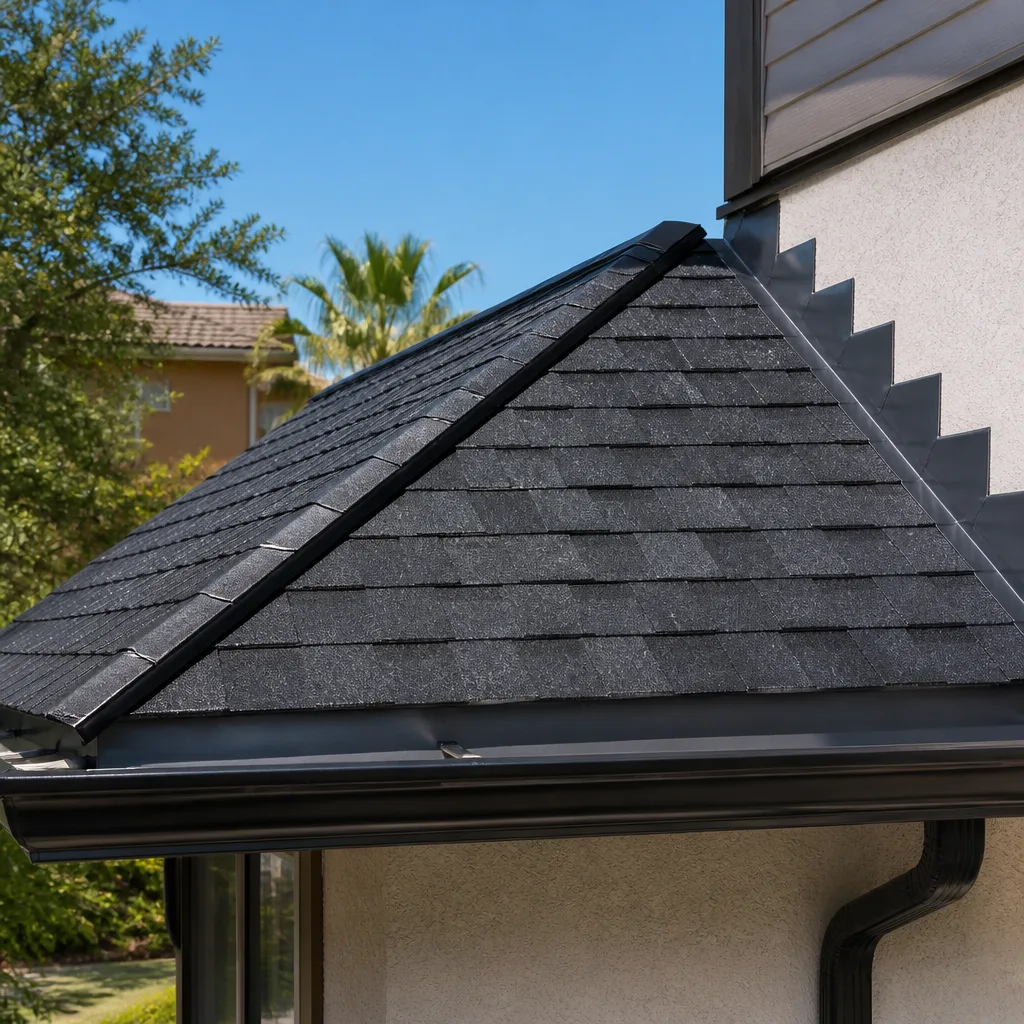
- Granules in the gutters and at the base of downspouts. Every asphalt shingle sheds a little at first, then slows. Fresh granules showing up after year ten means the shingle mat is thinning. If a downspout is producing more grit than usual after a rain, the roof has started its countdown.
- Dark streaks or staining on the south and west slopes. Those are algae and UV breakdown. On an asphalt shingle, both shorten the life of the mat underneath.
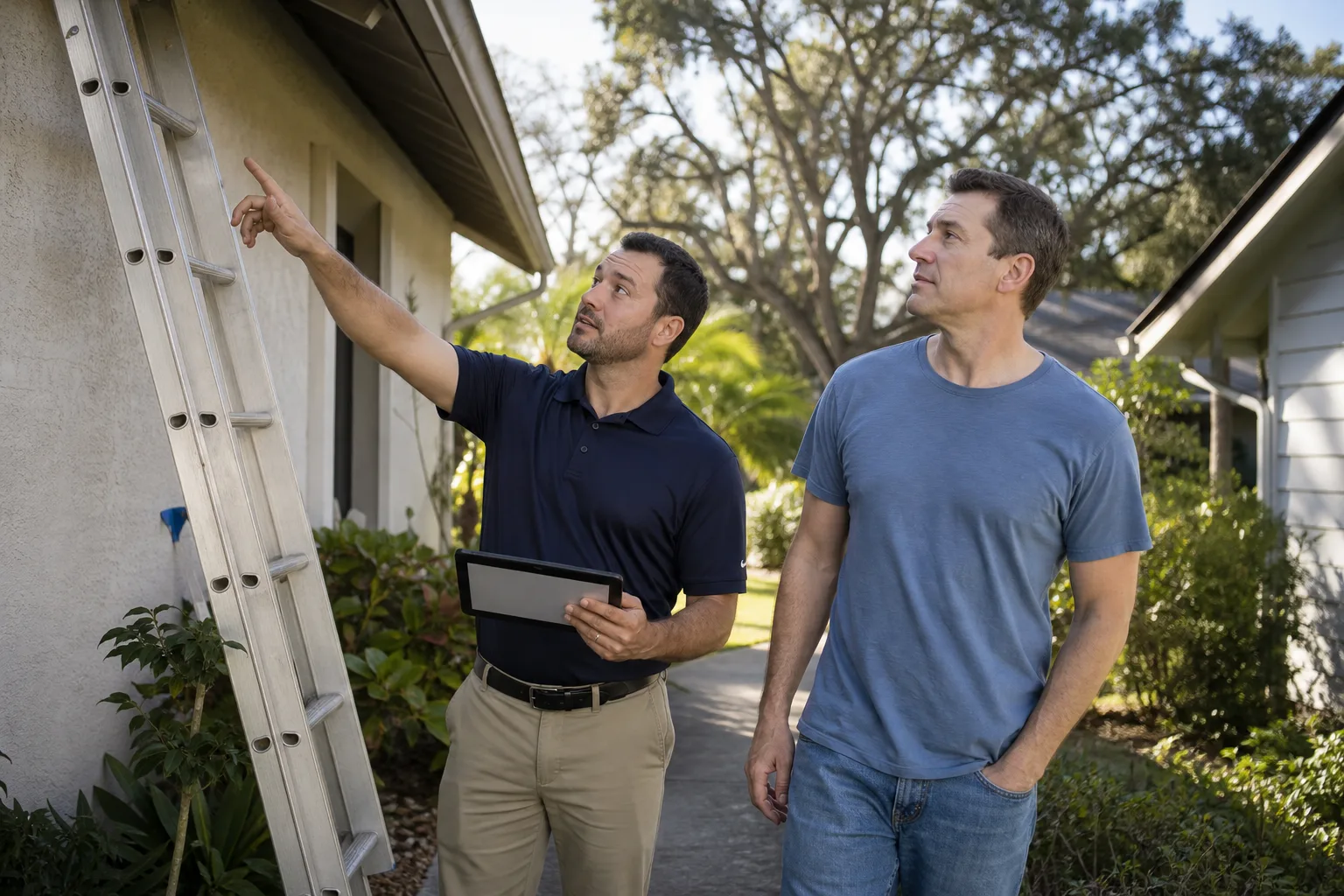
- Bruised or dented shingle fields you can spot from a ladder. A hail strike leaves a soft spot, like a bruised apple. From the ground, look for a shingle course that’s lost its uniform line, or a small dark divot in the surface.
- Lifted or curled shingle edges at the bottom three courses, which take the most heat cycling.
- Ceiling stains in the attic sheathing that show up only after a heavy storm and dry out on their own. That’s a flashing failure, not a shingle failure, and it gets worse quietly.
If your home was built in the last fifteen years, ask what shingle brand was installed. A CertainTeed, Owens Corning, or IKO roof takes hail differently from a builder-grade three-tab, and knowing the brand tells you how much storm you can absorb before the shingles start to matter. A contractor who can’t tell you the brand of the roof they’re inspecting hasn’t inspected the roof.
We install CertainTeed and Owens Corning systems because they hold up in DFW conditions and the warranties are easy to look up. For the rest of the house envelope, our Barrett & Sons Construction Irving home page covers the full scope.
Interior Warning Signs at the Surface of a Renovation
Interior warning signs show up before a remodel gets expensive if you know where to look. Most of them live in the same three places in every Irving house: the baseboards, the door casings, and the ceiling corners.
Check these at the start of any renovation planning:
- Run a finger along the top of each baseboard. A gap under the baseboard points to floor deflection or shim failure. A bulge or wave in the paint over the baseboard points to moisture in the wall behind it.
- Open and close every door in the house. Count the ones that rub, stick, or won’t latch. More than two on the same floor is a pattern, not bad luck.
- Look at the corners of the ceiling where walls meet. A hairline crack that runs straight is cosmetic. A crack that looks like a spiderweb, or one corner that’s visibly dropped away from the wall, is not.
- Check the window frames for gaps in the caulk line, especially on the south and west sides where the sun hits longest. A failed seal at a window is water intrusion waiting for a storm.
- Feel the drywall near any plumbing wall for soft spots, especially behind a shower or sink. Water travels down, so the wall under a second-floor bathroom is the first place to look.
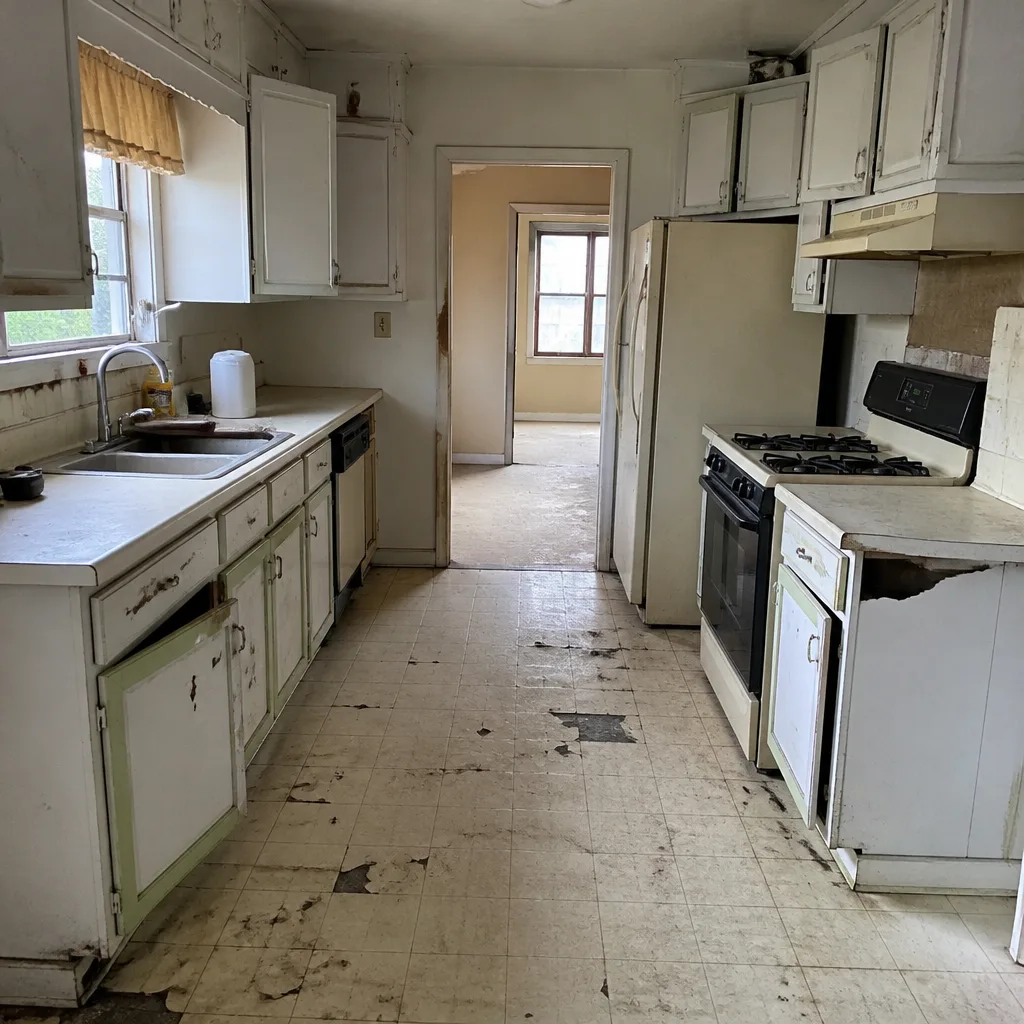
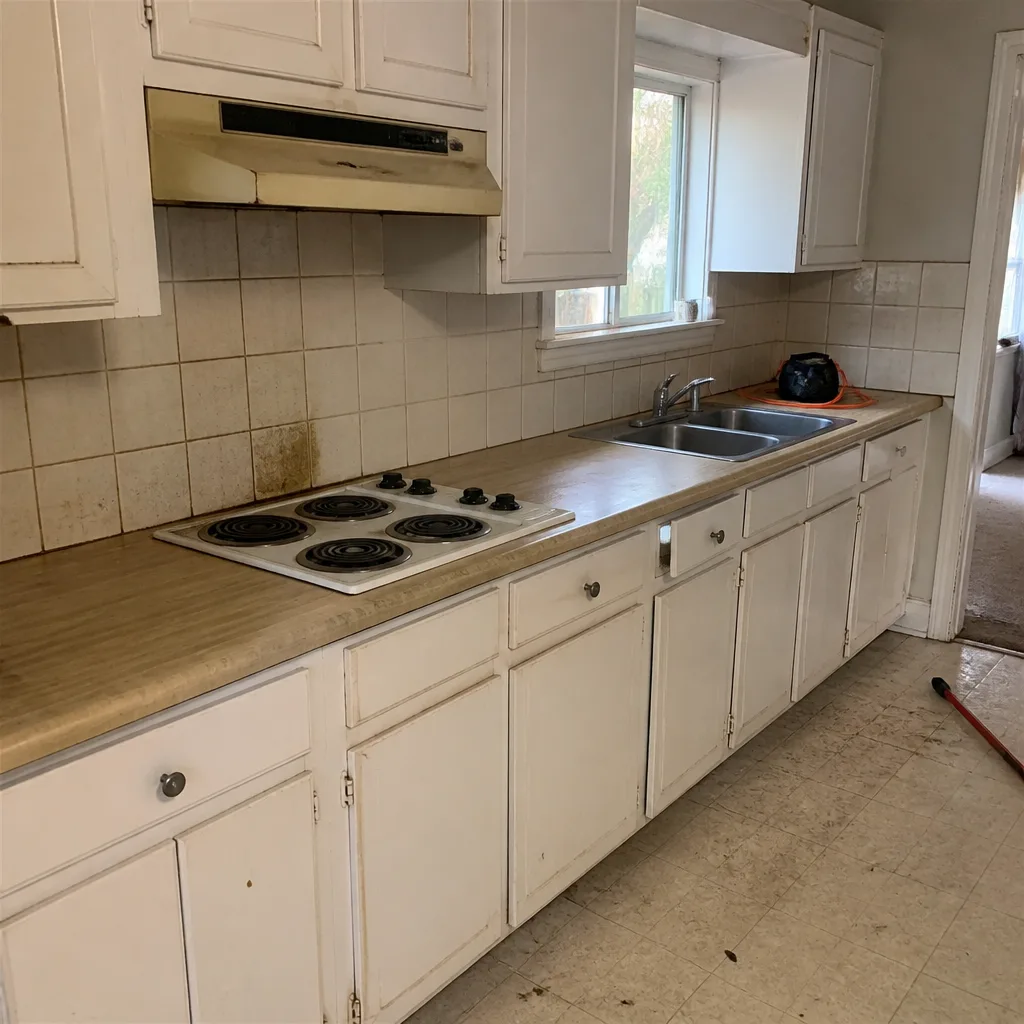
In Irving, a lot of interior signs trace back to the same two causes. Summer heat cycling causes baseboards to loosen at the wall joint. Winter freeze-thaw drives water into any caulk gap and loosens it further. If you’re planning a kitchen or bath remodel and we see these signs at walkthrough, we flag them before scope is written, because the last thing anyone wants is a surprise allowance for rot or sheathing repair once the walls are open. Scope in writing, allowances in writing, change orders in writing.
Electrical and Plumbing Signals You Can See Before They Become Code Violations
Electrical and plumbing problems tend to show a small surface symptom long before they fail code. Recognizing that symptom is what separates a twenty-dollar fix from a two-thousand-dollar repair.
Electrical signals worth respecting
- Warm cover plates on outlets and switches. A plate that’s noticeably warm to the touch after normal use points to a loose wire connection or an overloaded circuit. Both are fire risks. Don’t open the outlet yourself; call an electrician.
- Flickering lights in only part of the house. Whole-house flicker is often the utility. One-room flicker is the wiring or the panel.
- Breakers that trip in the same spot two seasons in a row. That’s a load problem or a short, and it’s a documented condition on a home inspection.
- Buzzing at the panel. A buzzing breaker or panel is a stop-everything signal. Call an electrician today.
Electrical panels and wiring carry real shock and fire risk. We’re telling you what to look for, not how to open it. This is genuinely one of the areas where a trained professional should handle any work inside the panel.
Plumbing signals you can spot at the surface
- A water bill that creeps up month over month with no change in use. That’s a silent leak, often a toilet flapper or a slab line.
- Discolored water at one tap. Rust from a failing shutoff valve or a corroded galvanized line.
- A drain that starts slow, clears, then slows again. A partial clog is forming.
- Water staining on the ceiling under a bathroom. A supply line or drain is leaking into the framing. It never gets smaller on its own.
For renovation work, we compare the age of these systems to the code cycle in Irving and flag any that need to be brought up during scope planning. If the plumbing wasn’t permitted and inspected the first time, we can pull a permit and get it signed. The permit inspector works for you, not for us, and that’s the point.
How to Document Warning Signs So a Contractor Can Assess Them Remotely
Photographs and measurements do more for a contractor than a paragraph of description on the phone. Here’s the method.
- Photograph with a ruler in the frame. Lay a tape measure or ruler against the crack or gap in your photo, with the numbers legible. A 1/8-inch crack photographed without a ruler looks identical to a 1/4-inch crack.
- Shoot the same location on the same date every month. Use your phone’s date stamp. Seasonal comparison is more valuable than a single snapshot.
- Include a wide and a close shot. One photo at three feet from the wall for context, one at six inches for detail. Both in the same set.
- Note the address and the compass direction. North-facing cracks in Irving take water differently from south-facing ones because the sun hits south walls longer. Directions help a contractor read the pattern.
- Write down the door-sticking observations with the month. “August 2025 stuck, October 2025 freed” is data. “It’s been sticking” is not.
- Grab a photo of the yard pitch with a two-foot level and a ruler at the foundation line. One photo showing the fall tells a contractor everything about grading.
Send the whole set before any crew comes out. With good photos and measurements, most contractors can tell you whether it’s a drainage correction, a structural assessment, or a watch-and-see within a few hours. It saves everyone a trip and saves you guessing. It also lets us quote a Home Additions & ADU in Irving or other project with a clear understanding of the existing conditions before scope is drafted.
Common Mistakes to Avoid
- Caulking a structural crack instead of measuring it. Caulk makes a crack disappear for a season and makes it harder to read next year. Measure first, then seal.
- Letting mulch bury the weep holes and the foundation line. The mulch bed at the base of the wall should sit at least two inches below the brick ledge. Every spring, that bed grows. Every year, check it.
- Assuming grading from the closing inspection still holds. Soil moves on Irving lots. A grade that was fine in the first year can be inverted by year three.
- Ignoring a downspout that ends one foot from the wall. Extend it to six feet on a splash block. That single fix removes the most common source of foundation water.
- Treating a warm outlet cover plate as normal. It isn’t. Warm plates mean resistance, and resistance means heat.
- Relying on a single inspection to catch a roof problem after a hail season. Get an inspected report after August if you’ve had April hail. A shingle failure doesn’t show up indoors until it’s been missing for a season.
- Hiring a contractor who won’t put the scope on paper. If the estimate is a single number with no line items, no allowances, and no change-order process, the number is a guess. The change order is how you keep the guess from becoming a surprise.
When to Call a Professional
Call for these specific conditions: a stair-step or horizontal crack in your foundation or brick that measures 1/8 inch or wider; a door that sticks seasonally alongside a visible crack; grading that has inverted toward the house; a warm outlet cover plate or a buzzing electrical panel; ceiling stains under a bathroom; or granules in quantity showing up at your downspouts after a hail season. Any single one deserves a look. Two or more in the same year deserves a scheduled assessment. Electrical and structural work that puts a person at height or in a panel is not DIY territory, and we don’t recommend trying.
Barrett & Sons Construction Irving offers free estimates in Irving – call (833) 991-4970. A live person answers the phone, and if you’re in Irving and the answer is a free second opinion on a written estimate you already have, take us up on it. Every eligible job gets a permit pulled and inspected, every price change arrives as a written change order before work proceeds, and every completed job is backed by the written 90-Day Done Right Promise.
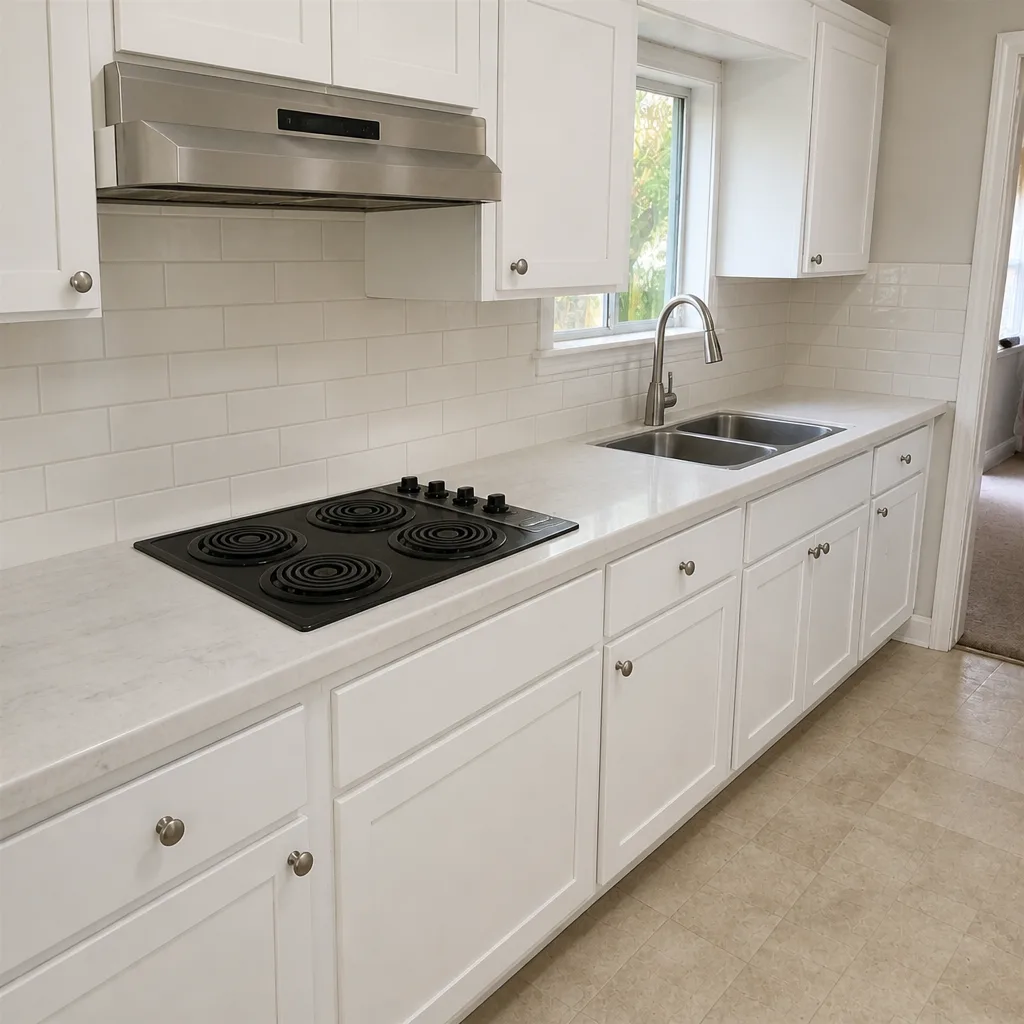
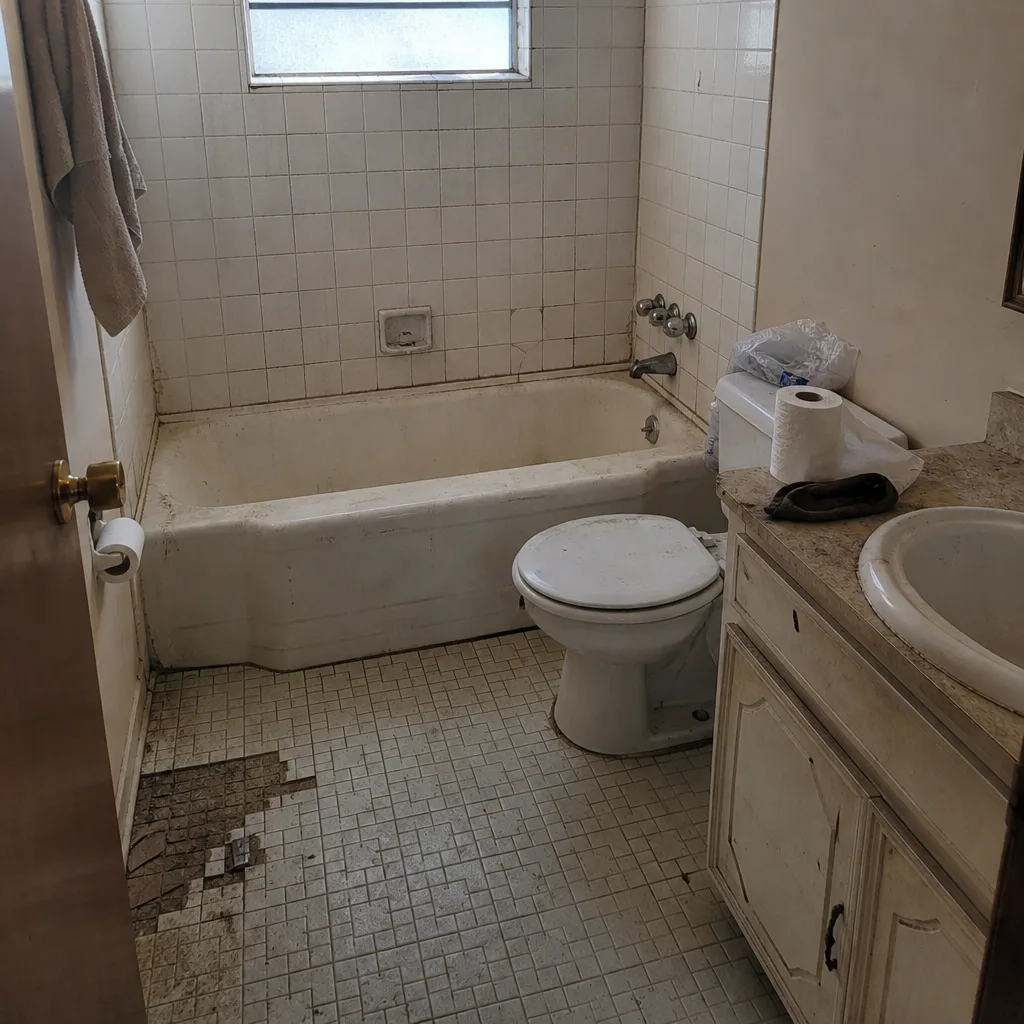
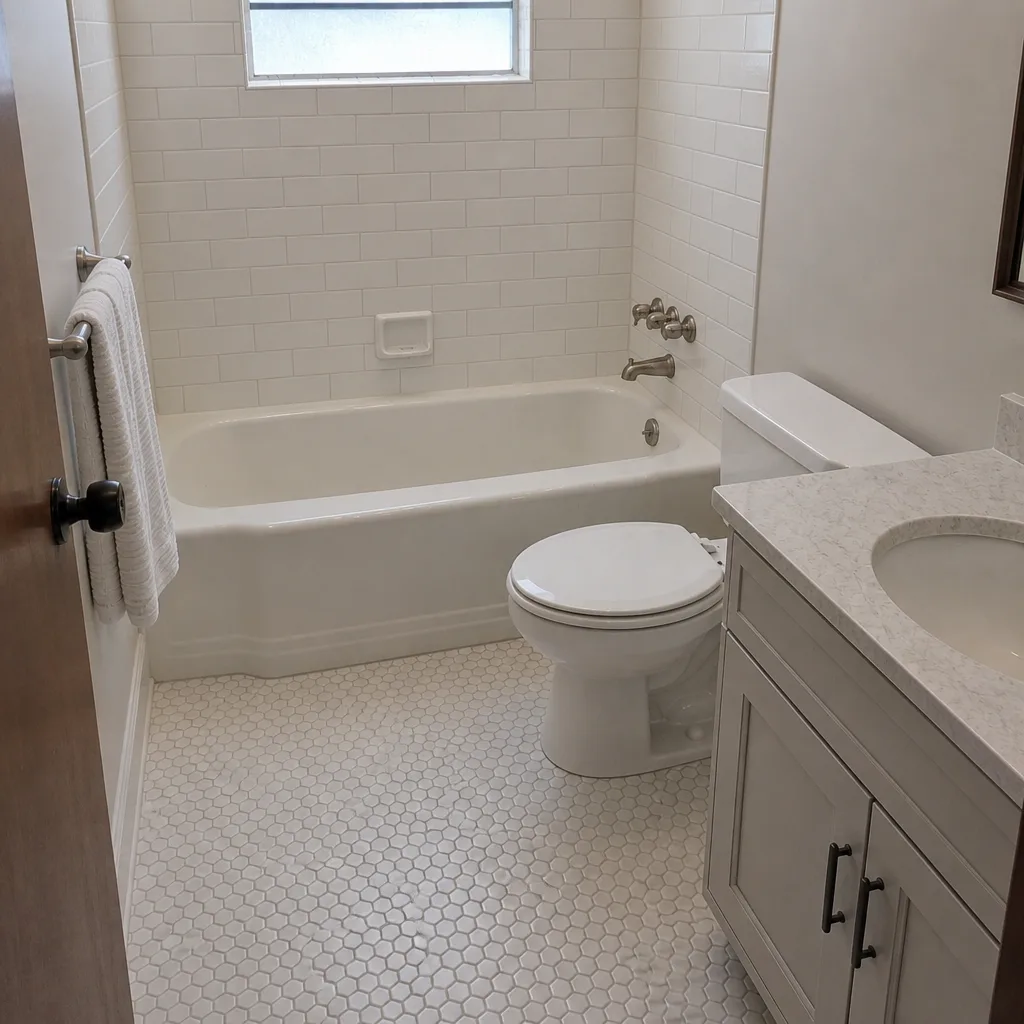
See the difference
 Before
 After
 Before
 After
 Before
 After
Frequently Asked Questions

A crack under 1/16 inch that appears seasonally and closes is cosmetic. A crack 1/8 inch or wider, or one that grows measurably over a single season, is structural until proven otherwise. Stair-step and horizontal patterns are the most serious. Call (833) 991-4970 for a free estimate if you want a professional read.
Expansive clay soil under the foundation swells with summer irrigation and shrinks in the dry fall. That movement tilts the frame slightly and makes a door bind. If the door frees up in fall and sticks again next July, note the month and measure the gap – that pattern is one of the earliest foundation movement signals in North Texas.
Check grading once a year in late fall, after the summer growing season, and extend any downspout ending within six feet of the foundation. Downspout extensions and splash blocks are a ten-minute fix that prevents the most common source of foundation water intrusion.
Granules showing up in the gutters and at the base of downspouts after a hail season are the earliest sign. Next is a bruised shingle field visible from a ladder. CertainTeed, Owens Corning, IKO, and Atlas shingles react differently to hail, and a contractor should be able to tell you the brand on your roof before quoting a repair.
Yes for most foundation repair and structural work in Irving; a permit is required for any work that touches the structural envelope. Grading and downspout work usually doesn’t need a permit. Any contractor who says permits are optional for structural work is telling you how they work. Ask for a licensed, insured contractor who pulls the permit and gets the inspection signed.
Photograph each crack with a ruler in frame, one wide shot and one close shot per location, plus a wide shot of the yard pitch at the foundation line. Add six months of door-sticking notes with dates. That set lets a contractor give an accurate assessment before any site visit.
The Bottom Line
The quiet warning signs matter more than the dramatic ones. In Irving, the clay and heat cycle produces small seasonal symptoms – a sticking door, a hairline crack, a granule in the gutter – that forecast expensive repairs by a year or two. Measure them, photograph them with a ruler in frame, and watch the pattern across four seasons. The bulk of what looks like foundation failure at year five starts as a grading problem at year two. Catch it early and the fix is drainage and downspouts. Catch it late and it’s structural. If you’re seeing two or more signs this year, get them looked at. Our team handles Fence Installation in Irving alongside the structural and envelope work that keeps water moving away from the house.
If something on your property has started to look wrong and you’re not sure whether it’s the seasonal kind or the structural kind, call Barrett & Sons Construction Irving at (833) 991-4970 for a free estimate. A live person answers the phone, the estimate is written line by line, every eligible job is permitted and inspected, and the 90-Day Done Right Promise is on every contract in writing. You can look up the license, drive past the address, or ask anyone on your street.
Written by the team at Barrett & Sons Construction Irving.