Last updated November 18, 2026




Free written scope consultation - allowances, timeline, and change-order rules on paper before a single trade is scheduled
Driveway & Pavers Maintenance Schedule: What to Do and When
The number-one cause of premature paver joint failure in North Texas isn’t traffic weight or cheap stone. It’s the week of 100-degree days in July, when polymeric sand that was installed in spring and never re-sealed cures too fast, shrinks away from the joints, and starts the slow unraveling that ends in a full replacement eight or nine years later. We’ve pulled up plenty of Irving driveways that looked fine from the street and were hollow underneath because nobody ran a checklist. Here’s the schedule we hand our own neighbors: month by month, built around Irving’s actual weather calendar.
Quick Answer
A paver driveway needs four things every year: a joint sand inspection and top-off (spring), a full re-sand and sealer when the sand is worn (early fall, before the temperature swings), a post-freeze edge and drainage check (January), and a late-winter weed and moss pass (February). Each of those tasks takes under two hours. Skip two years in a row and the repair bill usually jumps from a couple hundred dollars to a full replacement in the thousands.
Styles & brands we work with
- Kitchen remodeling
- Bathroom remodeling
- Home additions & ADU
- Roofing
- Windows & doors
- Driveway & pavers
- Fence
Table of Contents
- The Irving Month-by-Month Paver Calendar
- Joint Sand: Refresh, Re-Sand or Full Replacement?
- The Right Sealer Window for Irving’s Climate
- Drainage Channels and Edge Restraints
- What to Check After a Freeze Event
- The Paper Trail Every Maintenance Visit Should Leave
- Common Mistakes to Avoid
- When to Call a Professional
The Irving Month-by-Month Paver Calendar
Irving sits in that stretch of North Texas where the ground can be 45 degrees in February and 105 in August, and where spring rain arrives in bursts that dump two inches in an afternoon. That swing is what wears out paver systems, not daily traffic. Our crews have up to 28 years of experience on hardscape jobs, and this calendar comes straight from that field work.
- March (before spring rain): Walk the driveway after a hard rain and photograph where water pools. Check every joint for sand loss and top off low spots with fresh polymeric sand. Inspect the weep holes or channel drains at the garage apron.
- April to May: Weed the joints and the perimeter. Pull small growth by hand, don’t torch it. This is when Irving’s rain and warmth push weeds hard, and once they take hold in a joint they widen it.
- June: Look at the sealer film. If water no longer beads on the surface, it’s time to plan your fall application.
- July and August: Minimal work. Keep sprinklers off the pavers (constant wet-dry cycling on a 100-degree day stresses polymeric sand). Sweep debris. Do not apply sealer in this window.
- September to mid-October: The big maintenance window. Re-sand joints and apply sealer while temperatures are still in the 60s-to-80s and humidity is manageable.
- November: Clean gutters and check that downspouts discharge away from the driveway, not onto it. In our experience, half the saturation problems we see in Irving start with a downspout aimed at the pavers.
- December: Inspect edge restraints and the driveway-to-garage transition. Look for any paver that moves when you step on it.
- January (after any freeze): See the freeze section below. This is the single most skipped check, and the most expensive to skip.
- February: Weed, moss and algae pass. Clean and prepare for the March inspection.
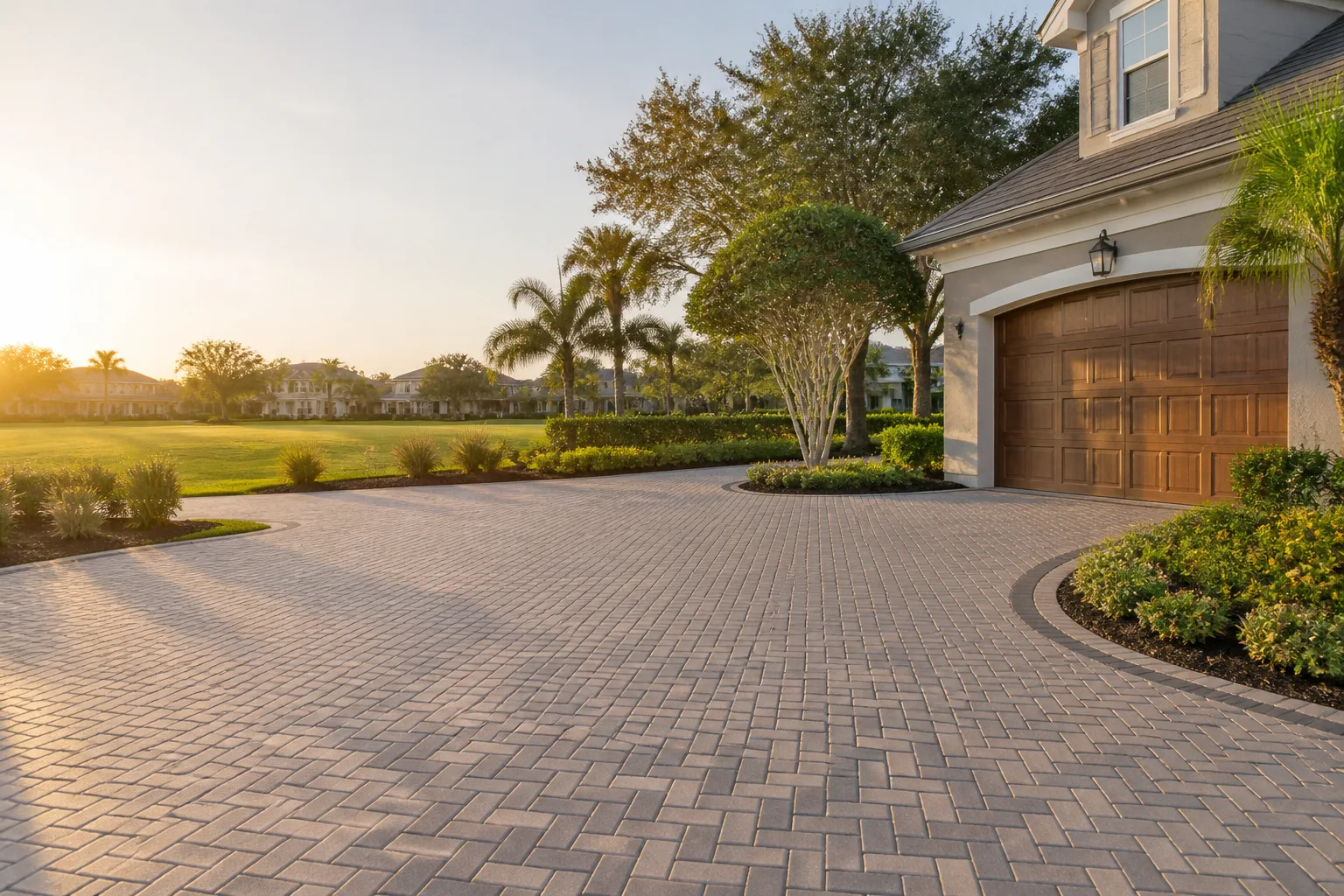
If you’d rather have a paved surface on your property that holds up through all of this, we build Driveway & Pavers in Irving with Belgard and Techo-Bloc products, and we install a base that’s designed for Texas soil, not a generic spec.
Joint Sand: Refresh, Re-Sand or Full Replacement?
Most homeowners reach for “more sand” when a few joints look low. That’s usually wrong. The honest answer depends on how much has failed, not how it looks from ten feet away.
- Refresh (top-off): Do this when 15% or fewer joints have lost sand, the pavers are tight, and the sand that’s still there is firm to a fingernail scratch. Top off only the low joints with fresh polymeric sand matched to the color.
- Full re-sand: Do this every three to five years, or whenever more than a quarter of the joints are visibly empty, sandy on the surface, or washing out. This means a full cleanup of the old sand, then a proper refill and cure of every joint.
- Rip out and rebuild: If the pavers rock, if the bed has sunk in a pattern, or if water sits over a joint after rain, sand alone won’t fix it. The base has failed and needs to be redone. Every re-sand on a bad base is money down a hole.
For Irving humidity, use a polymeric sand rated for a wide temperature range and made for hot, humid curing. That rules out cheap sand that cures like concrete in 90 minutes. Ask the installer which product they’re using and why, and expect a straight answer.
The Right Sealer Window for Irving’s Climate
“Seal every two years” is the standard advice and it’s better than nothing, but it’s not enough. Sealer needs specific conditions to bond, and applying it at the wrong time is worse than waiting.
The correct window in Irving is roughly mid-September through the end of October, or late March through April, when all of the following are true:
- Daytime temperatures hold between 60°F and 85°F for 24 to 48 hours after application.
- Humidity is below about 80%, and there’s no rain in the forecast for at least 24 hours.
- The pavers are bone dry before application. Wet pavers trap moisture and cloud the sealer.
- No freeze is coming within a week.
Avoid sealing in July and August in North Texas. The sealer skins over before it can soak in, and you end up with a patchy sheen that looks worse than bare stone. Avoid sealing before a hard freeze for the same reason. Product brands will vary; the point is to read the label and match the conditions, not to follow a calendar blindly.
Drainage Channels and Edge Restraints
Drainage is the part of paver maintenance most homeowners skip until a section has already shifted. Water that can’t get out goes under, and the soil under a base is where all the trouble starts.
Twice a year – once in March, once in October – check these five things:
- Walk the perimeter. Every paver should be tight against its edge restraint. A paver that rocks underfoot is a warning.
- Inspect the edge restraint itself. Plastic edge systems crack and lift. Concrete curbs can chip. Either one needs attention.
- Look at the channel drain at the garage apron or any low point. Clear leaves, dirt, and grit from the grate.
- Check the slope. Water should drain away from the house and driveway at a visible slope. If it pools in a bowl, the base has settled.
- Check downspouts. Every downspout near the driveway should discharge at least four feet away from the pavers.
If a drain is clogged or backed up, fix it before sealing. Sealing a paver system with a drainage problem just seals the water in.
What to Check After a Freeze Event
North Texas freezes are short but they’re hard on pavers because the ground rarely freezes deep, so the water that expands is trapped close to the surface. After any hard freeze – even a single 20°F night – walk the driveway and look for these:
- Lifting or heaving. A paver that sits higher than its neighbors on the following day is a symptom of trapped moisture.
- Widened joints. Freeze-thaw cycles open joints a few thousandths of an inch at a time. Look at the joints near the curb and the garage.
- Sand washout at the edges. Polymeric sand that cracked in the freeze should be topped off in March, not ignored.
- Cracks in the edge restraint or channel drain. If the concrete or plastic edge cracked, water will find its way underneath.
In Irving, the February freeze we get most years is the real test. If a driveway made it through January and February without a single new low joint, it’s holding well. If you see three or four soft joints after a freeze, plan a re-sand in the spring.
The Paper Trail Every Maintenance Visit Should Leave
What you write down after a maintenance visit is what protects you if warranty work is ever needed. The best paver warranty in the world is worthless if nobody can prove what was done, when, and with which product. Keep these records in a single folder or digital file:
- Date and weather on the day of service. “October 14, 2025, 74°F, applied sealer” is a record that answers every question later.
- Product names and versions. Polymeric sand brand and color, sealer brand and finish, edge restraint brand. Photograph the label on every install.
- Photographs before and after. Four angles: front, back, curb side, garage side. Same four angles every time.
- A signed work order describing what was actually done. If the job was a re-sand, it should say re-sand. “Maintenance” alone is too vague to protect anyone.
- Any change orders issued before work started. At Barrett & Sons Construction Irving, every price change comes in a written change order before any material moves.
The same record-keeping applies to adjacent work. If you’ve had Fence Installation in Irving done recently, keep the same paperwork for the fence footings and the driveway edge – the two share the same soil and the same drainage.
Common Mistakes to Avoid
- Sealing in July. The sealer skins over before it penetrates, and you end up with a cloudy film in the Texas heat. Sealing between mid-September and October is what actually works in Irving.
- Using play sand or mason sand instead of polymeric joint sand. It washes out with the first heavy spring rain and never bonds. Polymeric sand is the only thing rated for joints.
- Power washing the joints hard. A pressure washer aimed at the joint blows out the polymeric sand in a single afternoon. Wash the surface at low pressure, never down into the joint.
- Ignoring a single rocking paver. One loose paver is one failing section of base. Fixing it early is a quick job. Fixing it at year eight is a full-tear-out.
- Letting downspouts dump onto the pavers. We see this constantly in older Irving neighborhoods, and the paver failure it causes is almost always written off as “bad luck.” It isn’t.
- Skipping the post-freeze walk. A short February freeze turns a small joint problem into a big one if nobody checks in March.
- Not keeping records. Without the product names, dates, and photographs, you can’t prove an issue is a warranty problem rather than normal wear. That’s a claim form waiting to be denied.
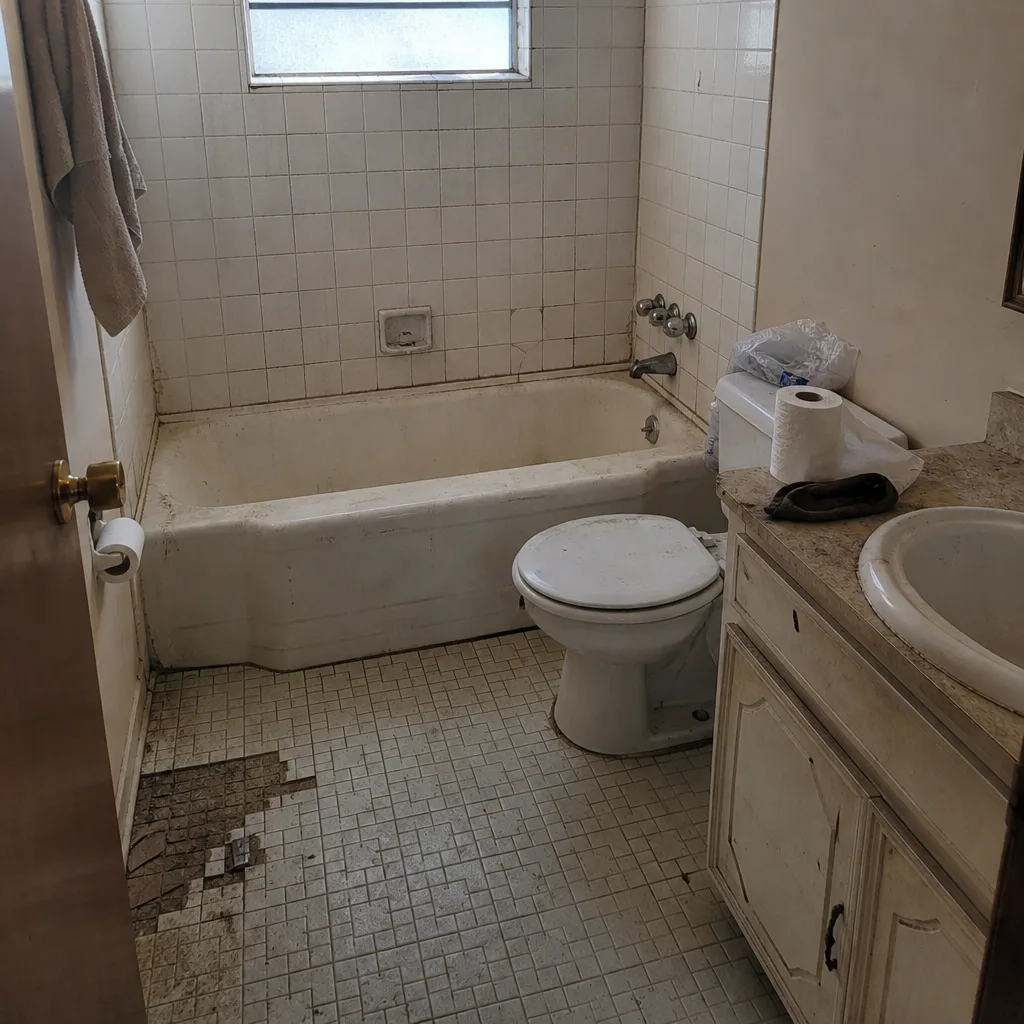
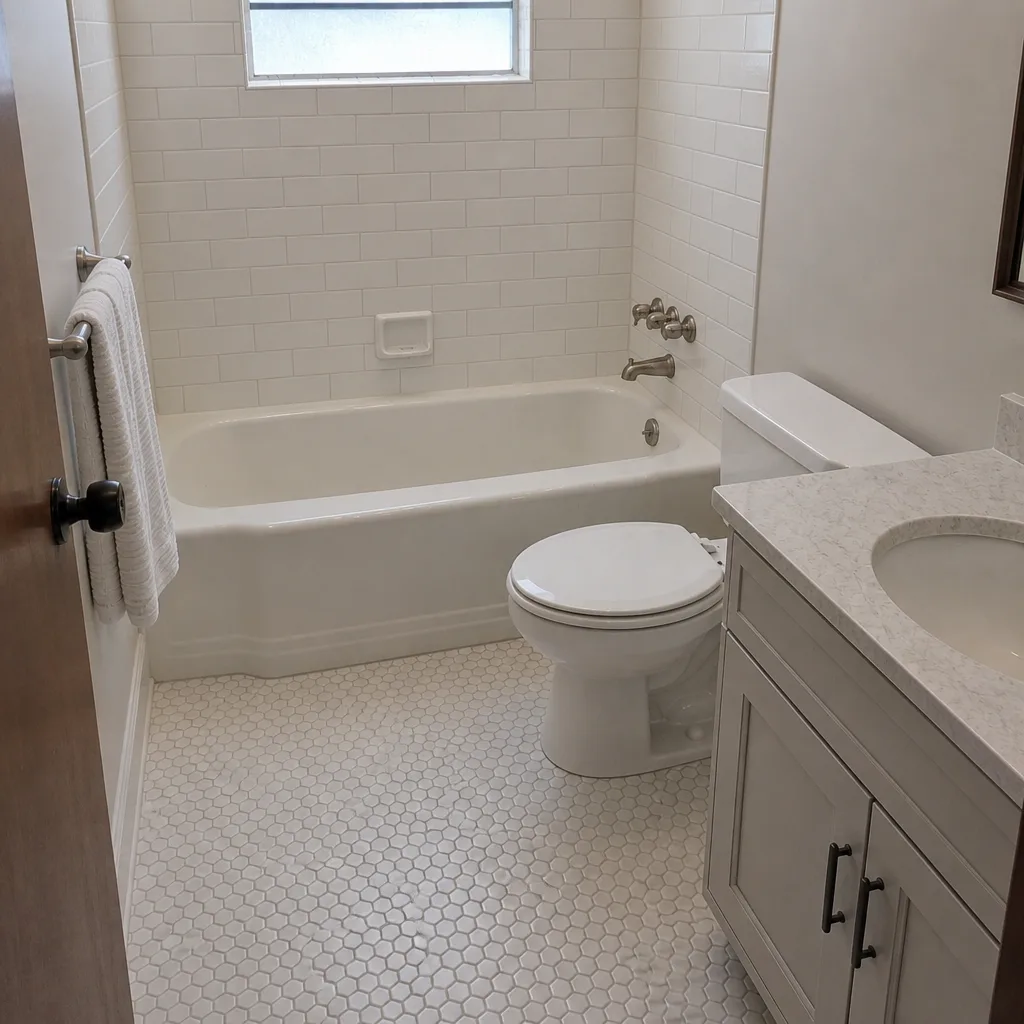
See the difference
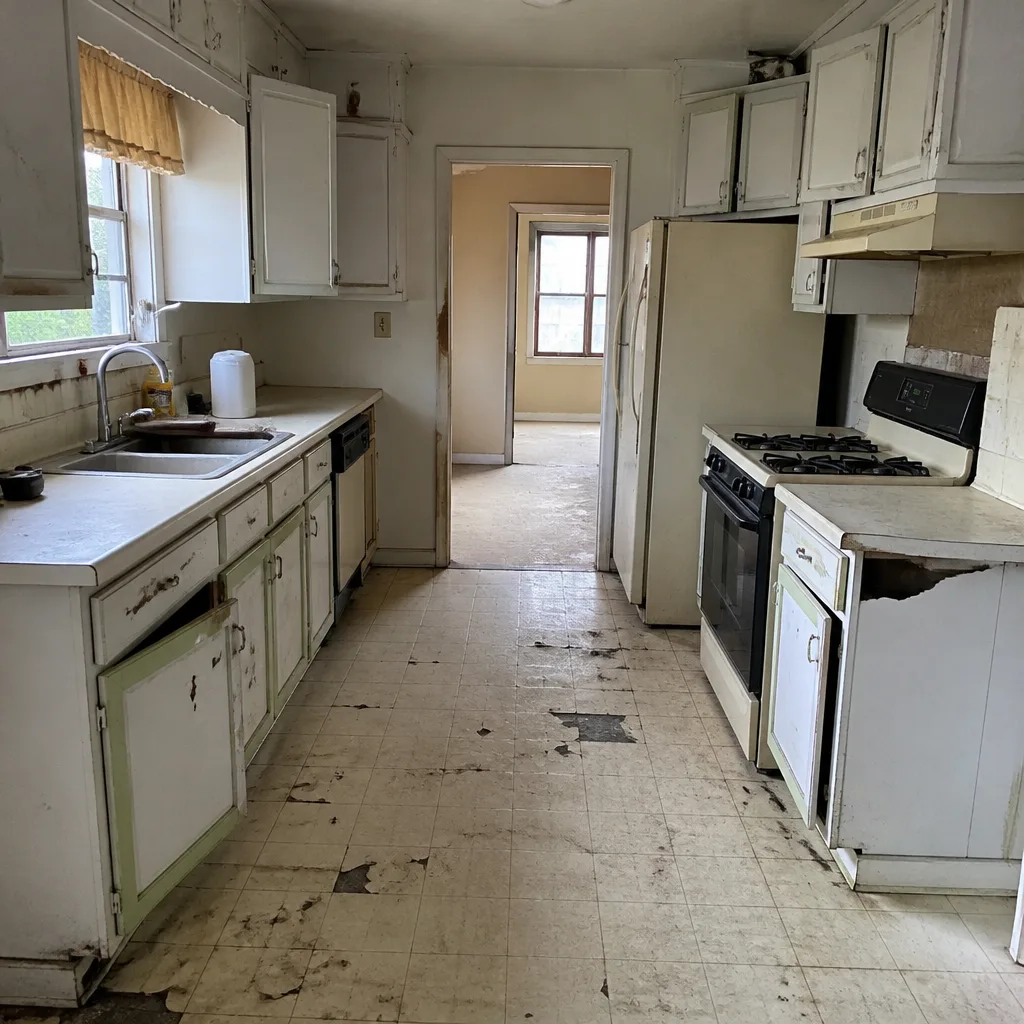 Before
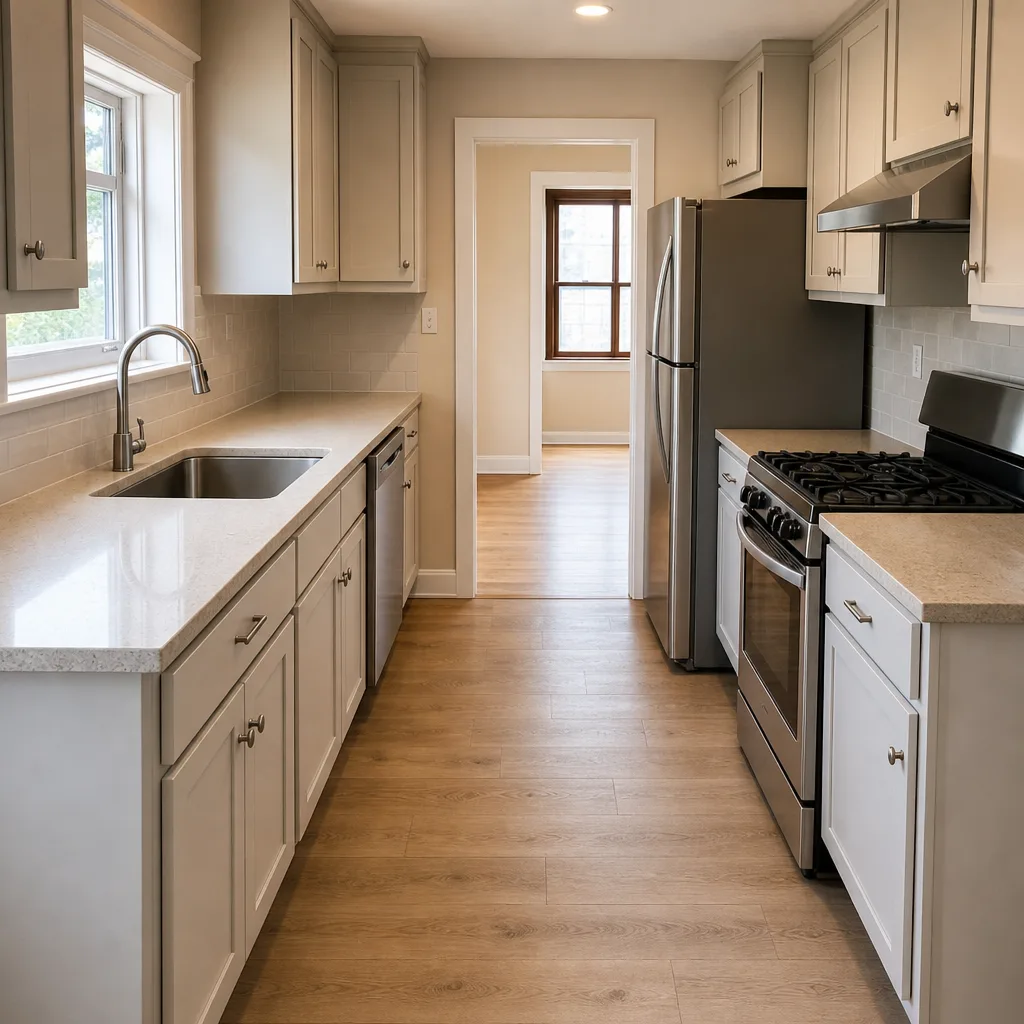 After
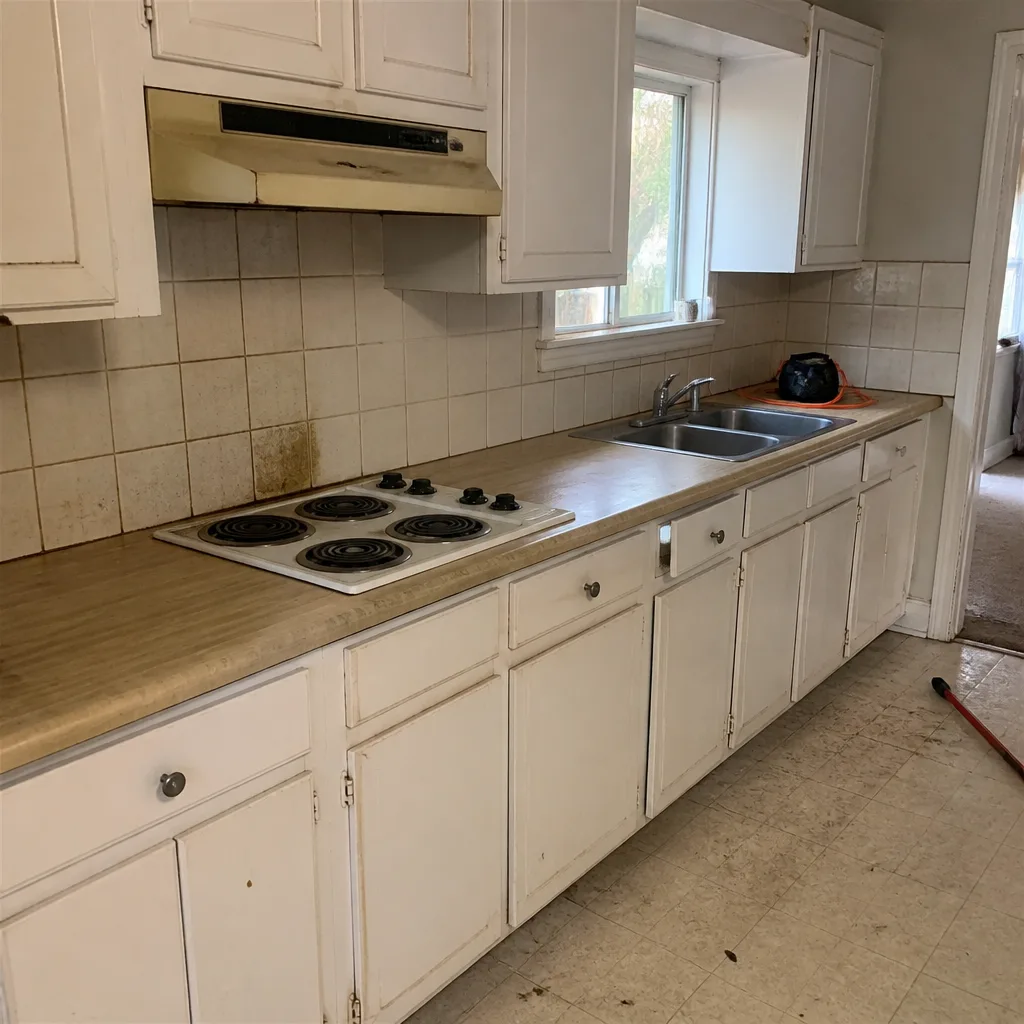 Before
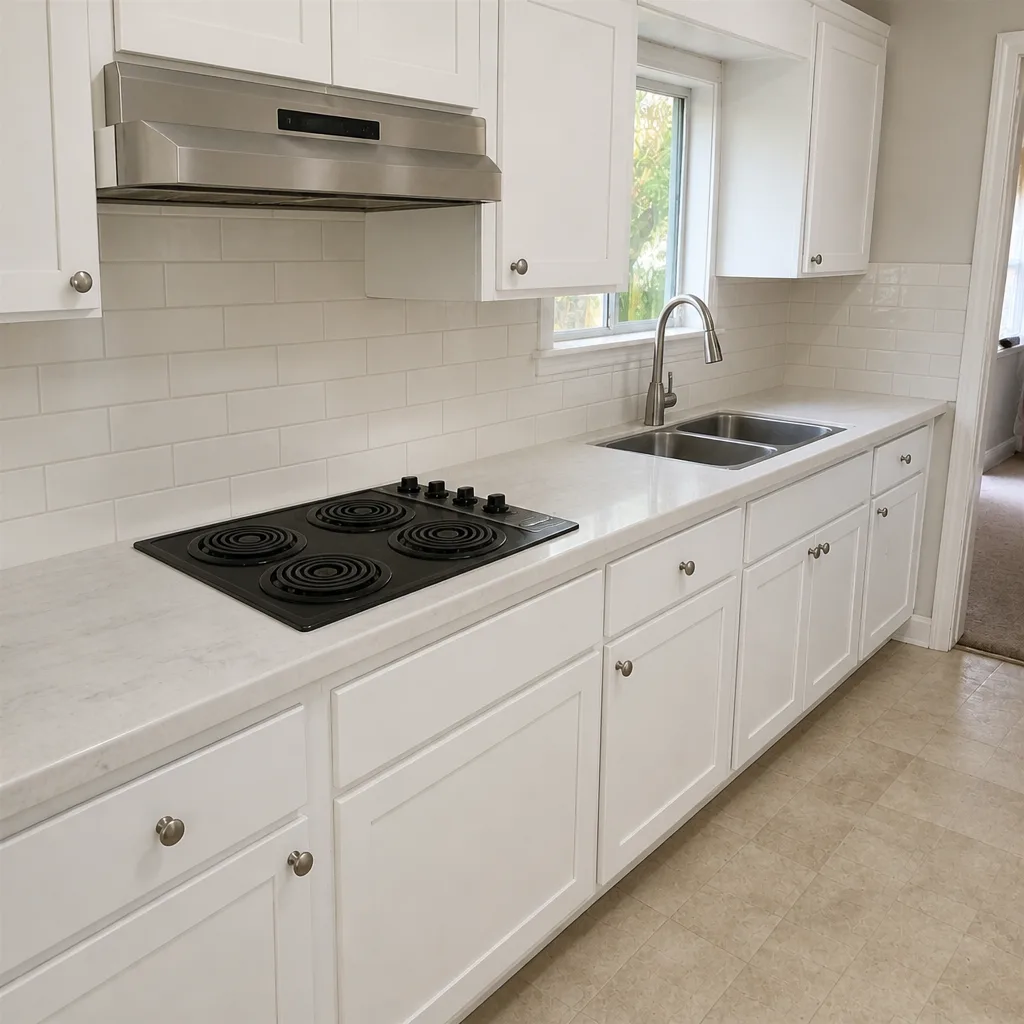 After
 Before
 After
When to Call a Professional
Small maintenance is a good owner job. A top-off of a few joints, a weed pass, and a downspout adjustment are all things a homeowner can do without any risk. What we don’t want you doing is the work that involves lifting, refilling, or resealing the joints themselves. Polymeric sand has to be installed at the correct depth with the correct moisture, and a bad install isn’t just a waste of money – it bonds the joints the wrong way and can only be fixed by tearing them out. If you see any of the following, call us: a paver that rocks underfoot, more than a quarter of the joints visibly empty, a section of pavers that has settled after a freeze, a channel drain that stays backed up after a good soaking, or water pooling within four feet of the garage. Barrett & Sons Construction Irving offers free estimates in Irving – call (833) 991-4970. Our crews are on-site most days, every job comes with permits pulled where eligible, and every job is backed by the written 90-Day Done Right Promise.
If your driveway needs the deeper repair or full replacement, the same standards apply to Home Additions & ADU in Irving and to any other hardscape we touch, from the base prep to the final swept finish. And if you want to start at the top, the Barrett & Sons Construction Irving home page has everything about how we run a job.
Frequently Asked Questions
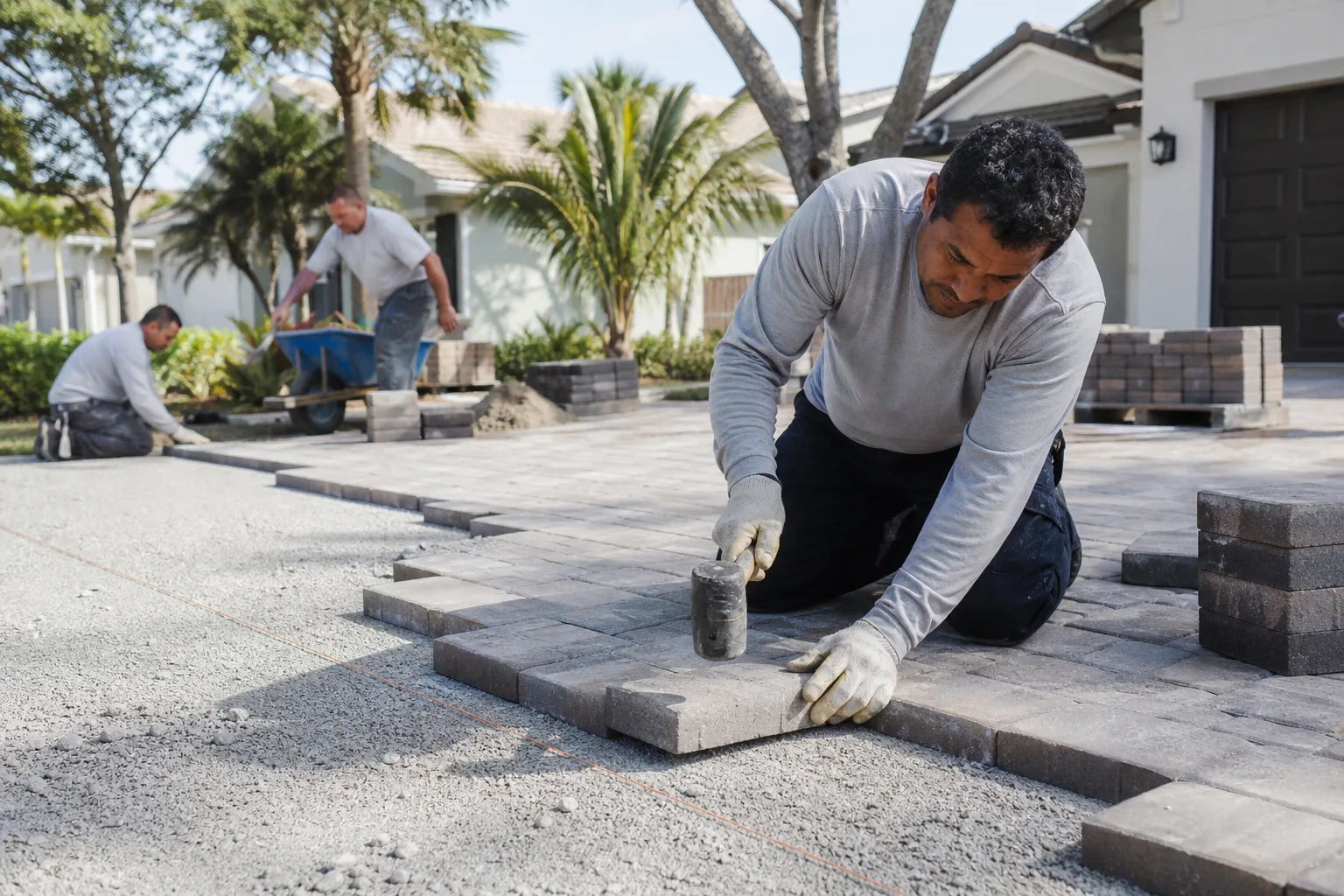
Every two to three years, applied in the fall window (roughly mid-September through October) or the spring window (late March through April), when the temperature holds between 60°F and 85°F and there’s no rain in the 24 hours after. Texas summer is the wrong time. Polymeric joints need a fresh sealer on the same cycle. If the sealer stops beading water, that’s your signal even if it hasn’t been two years. Call (833) 991-4970 for a free estimate on a re-seal.
It depends on how much has failed. If 15% or fewer joints look low and the pavers are tight, top off with fresh polymeric sand. If a quarter or more are empty or the surface is sandy, do a full re-sand – topping off a failing system just delays the bill. If any paver rocks, the base has failed and sand won’t fix it. Our crews have up to 28 years of experience diagnosing that difference; call (833) 991-4970 and we’ll tell you honestly which one you need.
Not traffic weight – it’s polymeric sand cured wrong in July and never re-sealed, plus drainage water that gets trapped under the base. Both are fixable with annual maintenance. Both are the reason we see so many Irving driveways fail at year eight when a homeowner never ran a checklist.
Maintenance (sand, sealant, weed control, edge adjustment) generally doesn’t require a permit. Structural work – replacing the base, changing the driveway footprint, adding a new hardscape area, or connecting to drainage – usually does. If you’re not sure whether your specific project triggers a permit, ask. At Barrett & Sons, we pull permits on every eligible job and the inspector signs off before we consider it done.
Three signs: multiple pavers rocking across a whole section, visible settling in a bowl shape that holds water after rain, or joint sand that won’t hold even after a full re-sand. When the base has failed, surfacing work is money thrown away. A free estimate will tell you which side of that line you’re on. Call (833) 991-4970.
Dates, weather, product names (polymeric sand and sealer brands specifically), before-and-after photographs from the same four angles, and a signed work order that describes exactly what was done. That’s the file that protects you if warranty work gets denied later. We hand every customer that documentation in writing, and we do the same on fence installation and other hardscape work.
The Bottom Line
Pavers fail a joint at a time, not all at once. Four tasks a year – spring inspection and top-off, July sealer check, October re-sand and seal, February post-freeze walk – will keep a paver driveway in Irving going for decades instead of eight years. The work itself is small; the cost of skipping it isn’t. Keep a folder of dates, product names and photographs after every visit, because the paper trail is what makes a warranty claim possible. And if any of the failure signs show up – rocking pavers, settled sections, backed-up drains – stop trying to fix it with more sand and get a real assessment. The right answer is usually much cheaper than a new driveway.
If you want an honest read on what your driveway needs, Barrett & Sons Construction Irving offers free estimates in Irving. Call (833) 991-4970 to schedule yours. We’ll look at the joints, the base and the drainage, and tell you in writing what you actually need – not what sounds best on the invoice.
Written by the team at Barrett & Sons Construction Irving.