Last updated November 18, 2026






Free written scope consultation - allowances, timeline, and change-order rules on paper before a single trade is scheduled
Windows & Doors Warning Signs Every Homeowner Should Know
A door that suddenly won’t latch after years of working perfectly is one of the quietest early signals of foundation movement in a DFW home. It’s quieter than a crack in drywall and much easier to ignore. Most homeowners in Irving assume a sticking door means the house is settling normally, or they blame the humidity, or they plane the door and move on. That’s often the wrong read. Windows and doors are the first places a house shows structural stress because they’re the only openings in the frame that have to stay square. When the frame racks even a fraction of an inch, the door stops closing clean. In this guide, we’ll walk you through which warning signs are normal, which ones are structural, and how to tell the difference before a small fix becomes a five-figure problem.
Quick Answer
The most reliable warning signs of structural stress in a North Texas home are doors and windows that stop operating smoothly together – a door that won’t latch, a window that sticks in one corner, visible light gaps around a closed door, or foggy double-pane glass that never clears. Any one of those is a repair conversation. Several at once, especially after a dry summer on Irving’s expansive clay soil, is a signal to bring in a professional.
Styles & brands we work with
- Kitchen remodeling
- Bathroom remodeling
- Home additions & ADU
- Roofing
- Windows & doors
- Driveway & pavers
- Fence
Table of Contents
- Normal Seasonal Movement vs. Structural Racking
- Why Foggy Double-Pane Glass Is More Urgent Than It Looks
- Water Stains on Interior Window Sills: How to Trace the Real Source
- The Door and Window Signs That Point to Foundation Movement
- Repair or Replace? How to Tell Which Conversation You’re Having
- A Room-by-Room Walkthrough: What to Check This Weekend
- When a Warning Sign Becomes a Call to a Professional
Normal Seasonal Movement vs. Structural Racking
Wood expands and contracts with humidity. That’s not a flaw – it’s how wood works, and in Irving it’s the reason doors fit tight in July and slip a little in January. When the wood dries, joints open and doors warp slightly. When the air gets humid, doors swell and start to rub. That’s normal seasonal movement. It reverses on its own and almost never requires anything beyond a minor adjustment.
Structural racking is different in one important way: it doesn’t reverse. Racking happens when the frame of the house goes out of square, usually because the soil underneath it has moved. The door frame is now a parallelogram instead of a rectangle, and no amount of sanding or hinge adjustment will fix that. The door will keep catching because the geometry is wrong.
Here’s how to tell them apart:
- Seasonal: The door sticks in one season and frees up in another. Sanding or hinge tightening on the strike plate helps for years.
- Structural: The door sticks year-round, or sticks in multiple seasons with different symptoms each time. Hinge adjustments help for a few weeks and then stop working.
- Seasonal: One window in one room is hard to open. The rest of the house is fine.
- Structural: Several windows on the same wall or on the same floor are hard to open, and they’re hard in the same direction (all sticking at the top, or all rubbing on one side).
- Seasonal: A door drags at the bottom edge and you can see the rub mark on the threshold.
- Structural: A door drags at the strike side, or the gap above the door is visibly wider on one side than the other.
The key test is whether the problem reverses. If it doesn’t come back to normal at some point in the year, it’s not the wood’s humidity cycle. It’s the frame. If you live on Irving’s black clay soils – and if you’re anywhere in Las Colinas, Valley Ranch, or the older neighborhoods near downtown, you do – you already know that ground moves. Expansive clay swells when wet and shrinks when dry, and the cycle of a DFW summer is exactly the kind of pressure that racks door openings.
That doesn’t mean every sticky door is a foundation problem. It means every sticky door deserves a moment of honest attention before you plane it and forget it. If you’d like a professional set of eyes on the whole envelope, we handle Barrett & Sons Construction Irving home structural assessments as part of a broader exterior and interior walkthrough.
Why Foggy Double-Pane Glass Is More Urgent Than It Looks
Foggy double-pane glass is not a cosmetic annoyance. It’s the death certificate of that window’s insulating value, and the failure is permanent.
Here’s what’s happening. A sealed insulating glass unit is two panes with a spacer between them, filled with argon or krypton gas for insulation. The seal that holds that gas in also holds moisture out. When the seal fails – usually through thermal cycling over years, or through a manufacturing defect that shows up long before the window’s expected lifespan – the gas escapes and humid air gets in. Once the argon is gone, the R-value of that window drops significantly, and it doesn’t come back. You can’t refill a sealed unit in the field. The gas is gone.
The fog between the panes is the visible symptom. The invisible part is that the window is now roughly equivalent to a single-pane unit for energy performance. In an Irving summer, that means a measurable load on the air conditioner in the rooms where those windows face the afternoon sun.
What to look for:
- Fog that never clears: A window that fogs on the inside of the glass and stays foggy for days – or permanently – has a failed seal.
- A milky or cloudy film between panes: This is the desiccant in the spacer breaking down. Same story, later stage.
- Condensation on the room side of the glass: Different problem. That’s usually humidity inside the house, not a failed seal. Crack a window, run the vent fan, see if it clears.
- Water droplets between the panes: Most advanced failure. That unit is done.
We see a lot of these in homes built during the big Irving construction pushes of the 1990s and early 2000s. Original builders used windows that hit their service life around the same time every house in the neighborhood did. If your neighbors are starting to replace glass units one by one, yours are on the same clock. When it’s time, the options you’ll want to compare are brands like ECO Window Systems or Mr-Glass for affordable glass replacement, and Andersen or Marvin for full-window replacement if the frame is also going.
Water Stains on Interior Window Sills: How to Trace the Real Source
Water stains on an interior window sill almost never come from the window. They come from above. That’s the first counterintuitive lesson of window water damage: the stain shows up where the water collects, not where it enters.
When you see a stain on a sill, the actual entry point is usually one of four places, and they’re all above the sill line:
- The head flashing above the window. This is the metal or membrane that directs water off the top of the window frame. When it’s missing, incorrectly installed, or has failed, water gets behind the siding and travels down the wall studs to the sill.
- The weatherstripping or glazing gasket. A failed gasket lets water in at the glass and it wicks down into the sill plate.
- A leak higher in the wall. A roof leak at the eaves, a failed valley, or a missing drip edge can send water down inside the wall cavity, and it exits at the nearest low point – which is often a window sill.
- Improper sill pan flashing at installation. Older windows or a bad replacement job with no sill pan under the frame means water that gets in has nowhere to drain out but the interior.
The way to trace them is to work downward, not upward. Start at the roofline above the stained window and walk down with your eyes and a flashlight. Look for missing or lifted shingles, gaps in flashing, failed caulk at the siding edge, and any visible daylight. If the stain appeared on a window that’s never had one before, and we’ve had heavy rain recently (which is a given in North Texas spring, and something we saw plenty of around Fence Installation in Irving after the last round of storms), the source is very likely above the window, not at it.
Water stains don’t dry out on their own. They darken, spread, and eventually the wood behind the sill starts to rot. That’s the point where the repair scope grows – not because of the water itself but because the damage has had time to travel. If the stain is active (you can see moisture, or it’s soft to the touch), don’t wait to call.
The Door and Window Signs That Point to Foundation Movement
North Texas is built on expansive clay, and any professional who’s spent time in Irving homes knows what that means: the ground under your house swells in wet years and shrinks in dry ones. That cycle pushes and pulls on the foundation. When the foundation moves briefly, the frame of the house moves with it, and the first place you see the effect is the doors and windows.
These are the specific signs that correlate most reliably with foundation movement in this region:
- A door that suddenly won’t latch. It operated fine for years and now it doesn’t, and plane work doesn’t fix it. The strike plate has physically moved relative to the door because the wall around it moved.
- Visible light gaps around a closed door. Shine a flashlight from the dark side. If light leaks through at the top of the frame on one side but not the other, the frame is out of square.
- Doors that drag at the top or strike side. Not bottom drag – bottom drag is often just a sagging hinge. Top and strike-side drag comes from the frame moving.
- Windows that crack diagonally at the corners. Diagonal cracks at window corners from the inside are a well-known stress point. They don’t always mean the foundation is failing, but combined with other signs, they do.
- Brick cracks at window corners outside. Stair-step cracks in exterior brick that start at a window opening and step upward are worth putting on your foundation engineer’s radar.
- Multiple doors and windows sticking on the same wall. One sticky door is a door. Three sticky openings on the same wall is a frame issue.
We’re careful here not to overstate. A house with one sticking door isn’t necessarily a sinking house. But a house with three or four of the signs above, in the same season, and especially in a dry stretch of summer after a wet spring, is worth a real look. That’s a structural opinion, not a window opinion.
Repair or Replace? How to Tell Which Conversation You’re Having
Here’s where most contractors lose the trust of a homeowner. They walk in, look at a foggy window or a sticky door, and the answer is always “replace.” Not because the window needs replacing, but because replacement is the bigger ticket. In our experience, the honest answer is different in different rooms, and it depends on four factors.
- Is the frame sound? If the wood frame around the window is solid, dry, and square, a failed glass unit can often be replaced without touching the frame. That’s a much smaller job than a full window replacement.
- Is it one window or the whole house? One failed unit is a glass replacement. Every unit in a 25-year-old house going at the same time is a full replacement conversation, and it’s a better financial decision to do them together than to chase them room by room.
- Is the door frame square? If the opening is out of square and there’s a structural cause, replacing the door won’t fix the problem. You’d be putting a new door in a twisted frame. The structural conversation has to come first.
- What’s the condition of the rest of the envelope? A window that failed early may be a symptom of broader water intrusion that also needs fixing – flashing, siding, or roof – before the new window goes in. In Irving and the surrounding neighborhoods, we’ve seen plenty of replacement jobs where the right answer was window plus flashing plus a small roof repair around the opening, all in one scope, all in writing.
The conversation we have with homeowners is this: we don’t quote replacement if the honest answer is repair, and we don’t quote repair if the frame is gone. Every price we provide is a written line-item quote with a fixed scope, and if the scope has to change once work begins, that change arrives as a written change order before anyone touches the job. You’ll know exactly what you’re paying for, and why.
A Room-by-Room Walkthrough: What to Check This Weekend
You don’t need a contractor to spot most of these signs. You need 20 minutes and a flashlight. Here’s the walkthrough we recommend for any homeowner who wants to know what’s actually happening in their house.
- Open and close every door and window in the house. Not just the ones you use. All of them. Note any that stick, drag, or fail to latch. Write down the room and the direction of the sticking.
- Shine a flashlight around the perimeter of every exterior door from outside at night. Any light that shows through the gap is a gap. Note the location – top, strike side, hinge side, or bottom.
- Look at every interior window sill for stains, soft wood, or bubbling paint. Photograph any stain. Date the photo. The date tells you later whether the stain is active.
- Look between the panes on every double-pane window. Fog, cloudiness, or water droplets mean a failed seal. Count how many.
- Inspect exterior window and door frames for gaps in caulk. Run a finger along the seam where the frame meets the siding or brick. If the caulk peels away or is cracked, water can get behind the frame.
- Walk the exterior and look for diagonal cracks at window corners. Photograph any that are new or growing. Compare the width to a coin – a hairline is nothing, a quarter-inch is worth a call.
- Bring it all together. If you counted zero or one issue, keep an eye on it but don’t panic. If you counted three or more on the same side of the house, bring in someone who knows what they’re looking at.
For homes that also have an older roof and older windows, the walkthrough is a chance to have both looked at together. The sequencing matters – a window replacement above a failing roof is money wasted. If the roof is on your list too, we’d pull both into one conversation and one written scope, alongside the work we do on Driveway & Pavers in Irving and Home Additions & ADU in Irving when those are part of the picture.
When a Warning Sign Becomes a Call to a Professional
Three thresholds will get us on the phone every time. First, active water intrusion – a stain that’s soft to the touch, or that grows after rain, or that you can see moisture on. Second, multiple doors and windows that fail at once, especially after a dry summer on Irving’s clay soil. Third, any door that won’t latch, alongside visible cracks at window corners inside or outside. Any one of those is a threshold; two or more together is a firm call.
Barrett & Sons Construction Irving offers free written estimates in Irving, and the estimate covers the honest scope – what needs fixing, what doesn’t, and the difference in cost between a repair and a full replacement if that’s a real choice. You’ll get a line-item quote, a written scope, and permits pulled where the job requires it, with a written change order if the scope changes. Call (833) 991-4970 to set up your free estimate.
See the difference
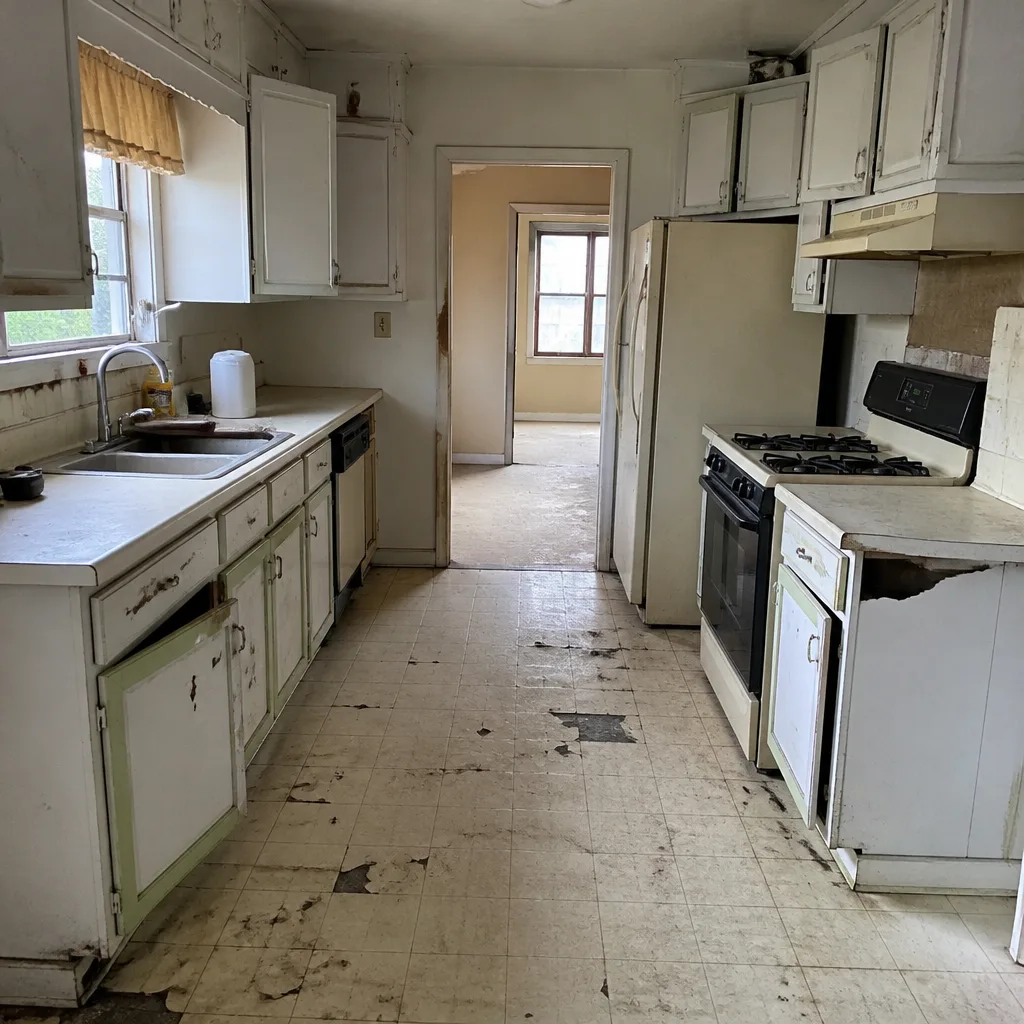 Before
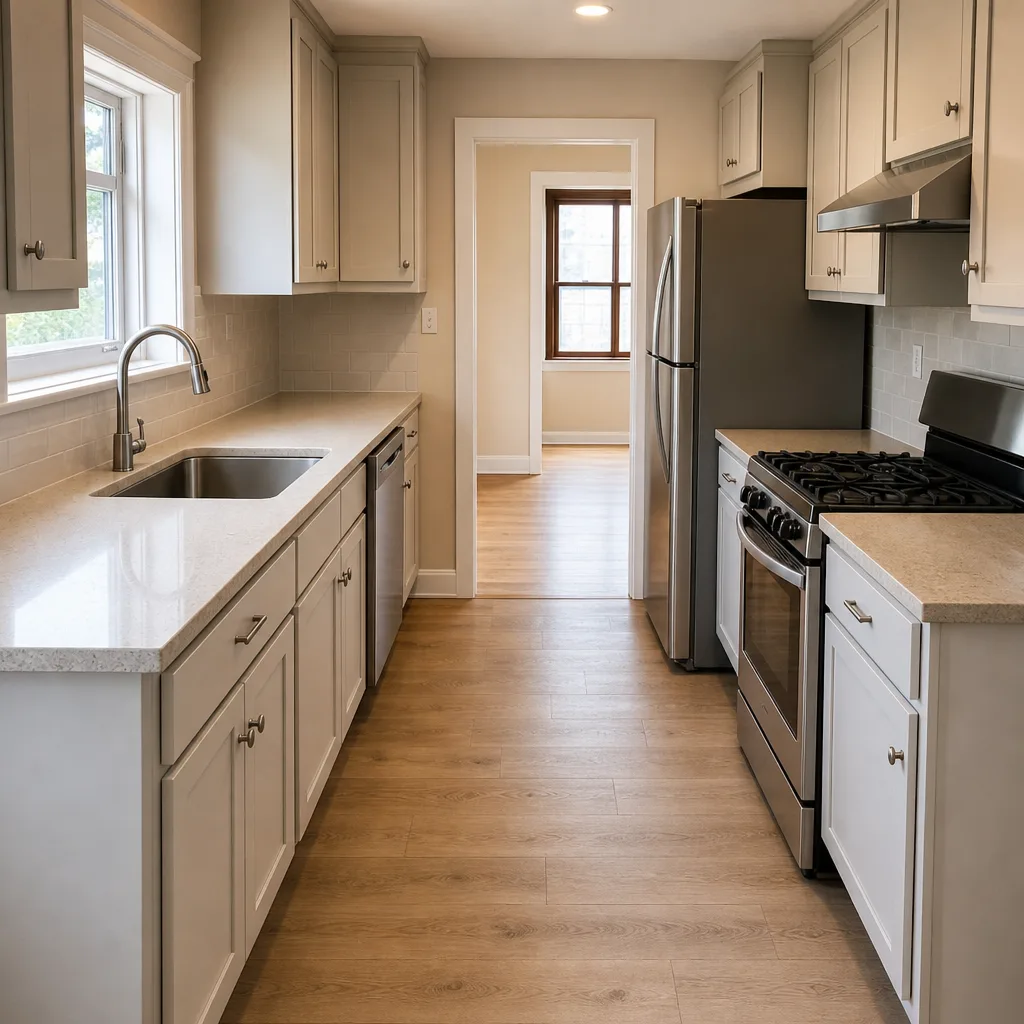 After
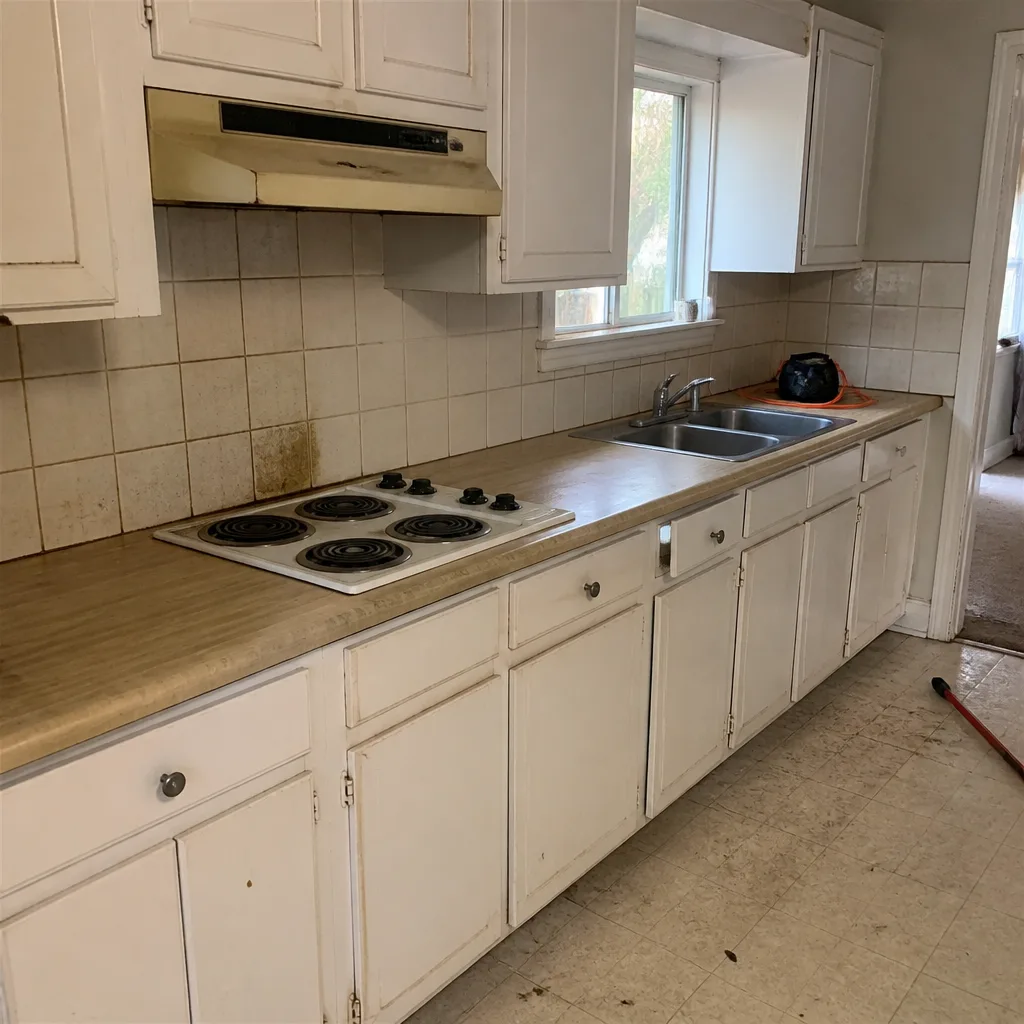 Before
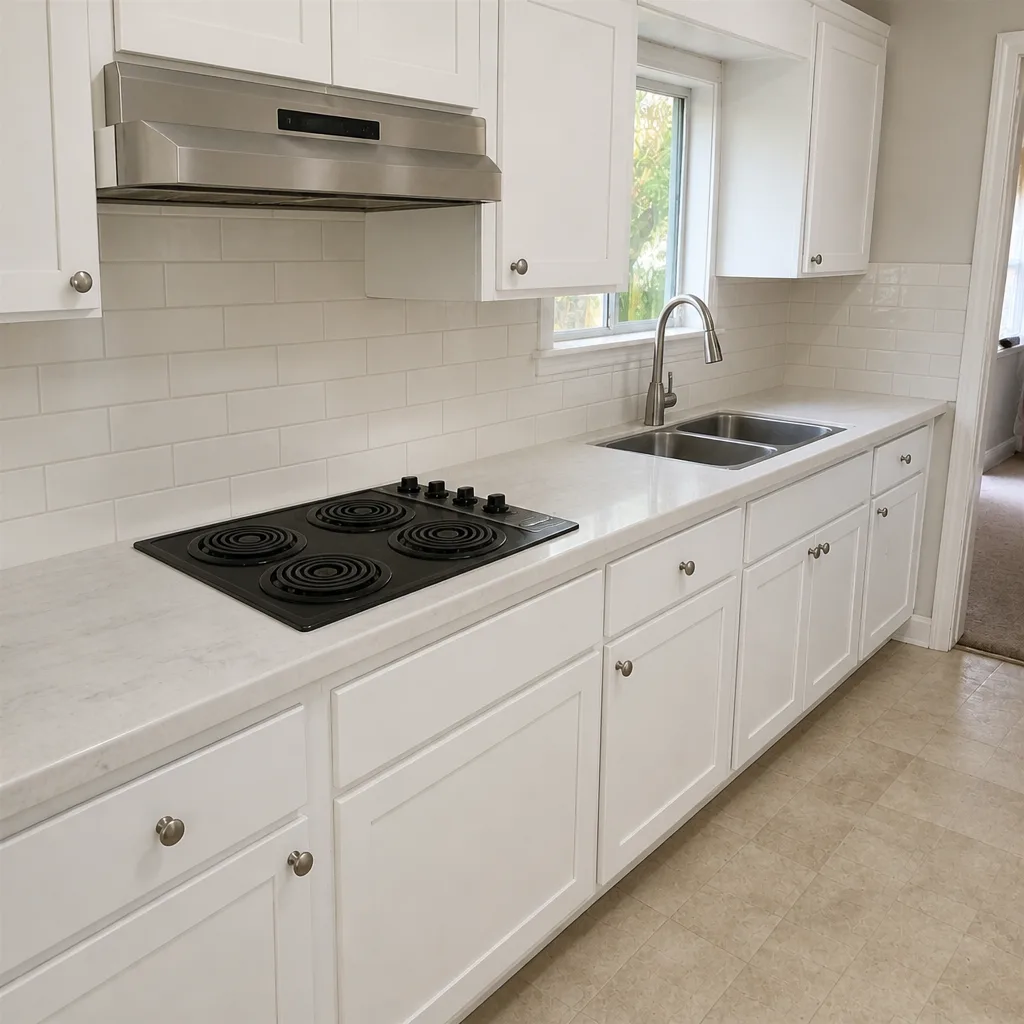 After
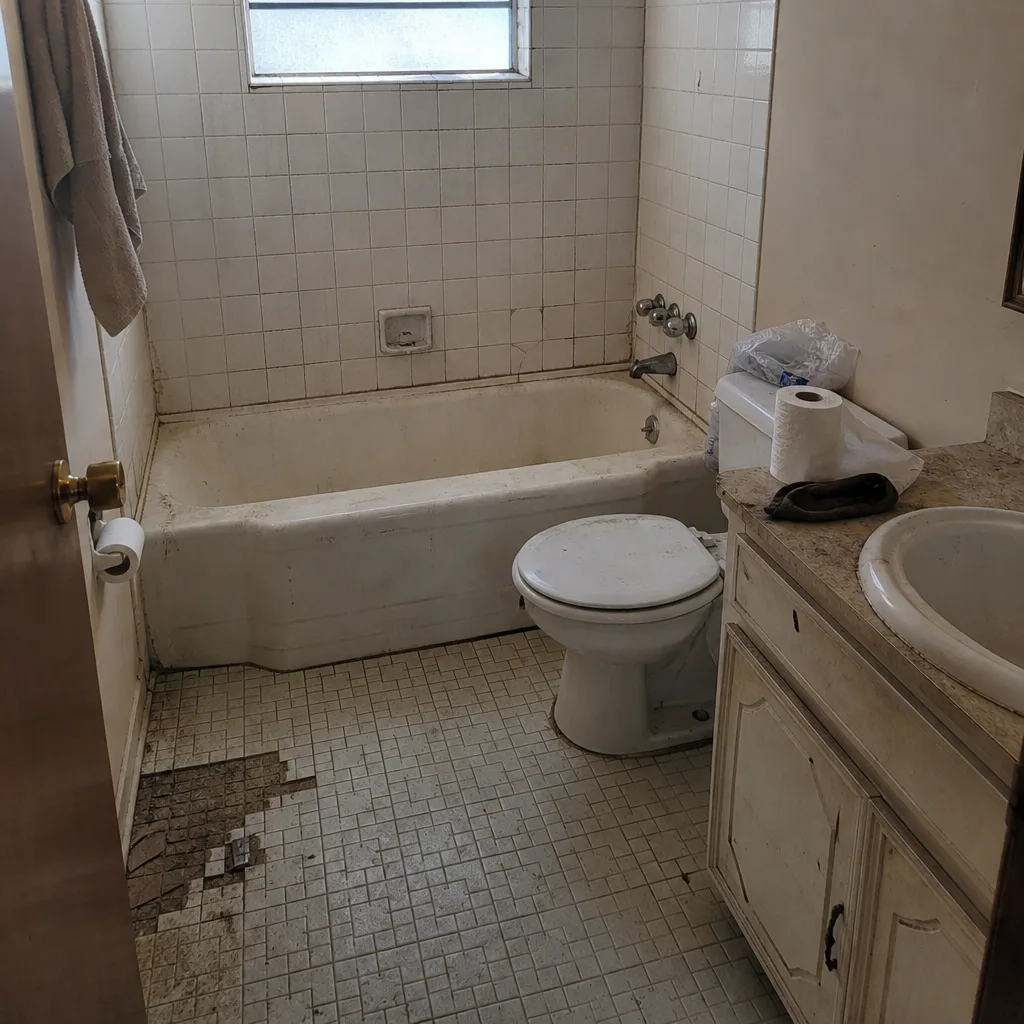 Before
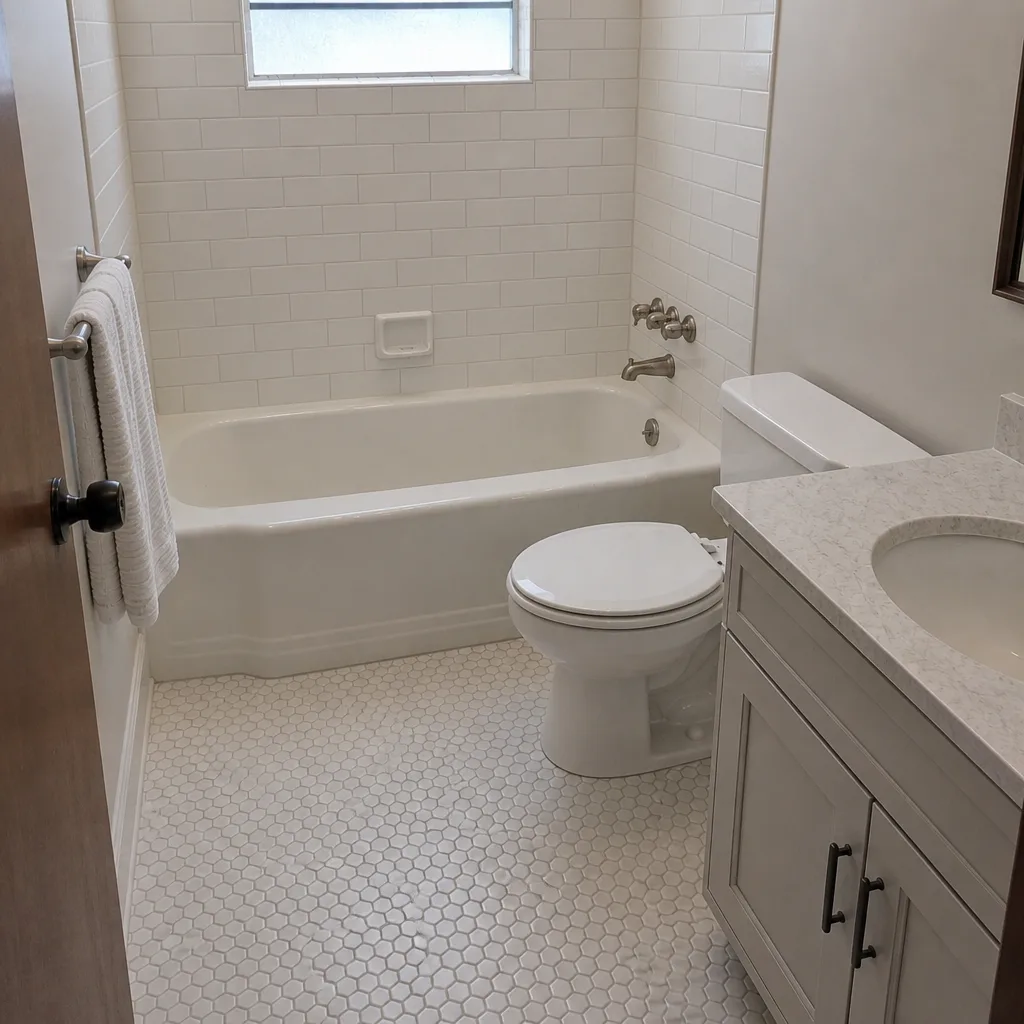 After
Frequently Asked Questions

Wood swells in high humidity, and Irving’s summer humidity is high enough to swell door and window frames enough to cause rubbing. That’s normal seasonal movement and it usually eases when the air dries out. If a door that used to close fine now won’t latch even in dry weather, it’s not the wood – it’s the frame, and it’s worth a professional look.
Foggy glass is not a safety emergency, but it is permanent. Once the seal fails and the argon escapes, the window’s insulating value doesn’t come back, and the glass will keep pulling heat out of the house (or letting it in). In an Irving summer, a wall of foggy windows puts real load on your air conditioner. Call (833) 991-4970 for a free estimate on replacement units, which is usually a same-week scheduling conversation, not an emergency.
It’s almost always a roof or flashing problem, not the window itself. Water finds the lowest point to exit, and that’s the sill. The way to prove it is to inspect the roofline and flashing above the stained window. If you’re not comfortable walking your roof, don’t – bring in a professional and we’ll trace it honestly. Free second opinion on any written estimate is one of our standing offers.
No. If the door problem is coming from the frame going out of square (which is how foundation movement shows up), a new window in a twisted frame won’t fix the twist. The structural question has to be addressed first. A good contractor will tell you that, in writing, before anyone quotes a window.
Most double-pane sealed units hold their seal for 20 to 25 years before the thermal cycling catches up with them. The big Irving construction pushes of the 1990s and early 2000s put a lot of original windows in service that are now hitting that range, so if your neighbors are replacing glass units one at a time, yours are likely on the same clock. Call (833) 991-4970 for a free window inspection and a written quote by brand – ECO Window Systems, Mr-Glass, Andersen, and Marvin are all options we install.
Often yes, depending on the scope and the age of the home. Replacement of like-for-like windows in the same opening sometimes doesn’t require a permit, but changing the opening size or the door location usually does. We pull permits on every eligible job and get the inspections signed – it’s part of how we work, and it’s the reason a homeowner can point to a permit history if they ever sell. Ask any contractor who’s about to do the work whether they’re pulling the permit, and get the answer in writing.
The Bottom Line
Windows and doors are the first hard evidence of what’s actually happening in a house. A door that won’t latch after years of working is telling you the frame moved. Foggy glass is telling you the insulating value is gone. A stained sill is telling you water is getting in somewhere above. None of those are cosmetic. The right move is to slow down, look with intention, and bring in a professional at the first structural sign – not because the house is falling down, but because catching it early is the difference between a repair and a remodel. Barrett & Sons Construction Irving has been answering these questions in Irving for a long time, and we’re glad to answer yours. Call (833) 991-4970 for a free estimate on every eligible job – written scope, written price, written change orders, and the 90-Day Done Right Promise on every job. Free second opinion on any written estimate, $40 off any repair over $200, no trip charge inside the county, and a permanent 10% Senior & Veteran discount – those are our standing offers, and they don’t change.
Written by the team at Barrett & Sons Construction Irving.